Issue · Education

Education (Higher Education)

Every education bill, vote, and legislator stance in United States, automatically classified by Maddy, our AI policy reader.

Total bills
260
119th Congress
Top supporter
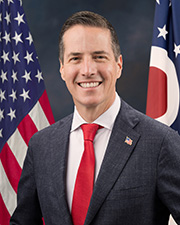
Bernie Moreno
100% support rate
Top opponent
Adam B. Schiff
0% support rate
Ranked legislators
10
5 support · 5 oppose
Key legislators

Who's moving higher education in United States

Legislators moving higher education in United States
Legislator Party Stance Support rate Decisive votes
Bernie Moreno
Bernie Moreno Senate
R
Strong +
100% 6
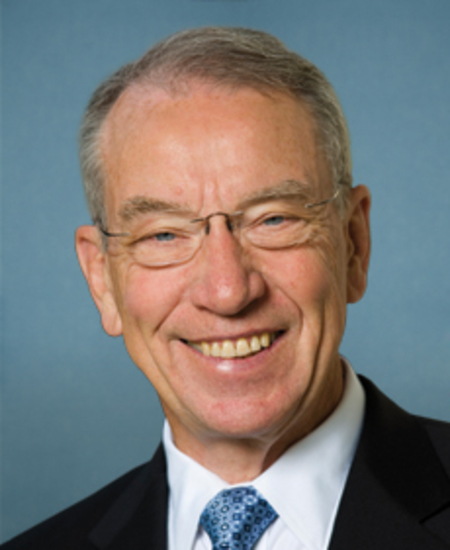
Chuck Grassley
Chuck Grassley Senate
R
Strong +
100% 6
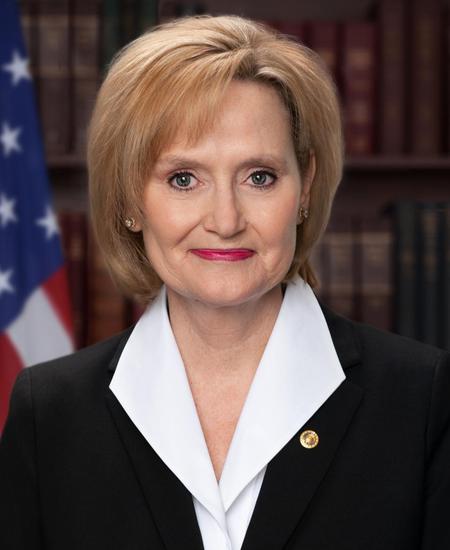
Cindy Hyde-Smith
Cindy Hyde-Smith Senate
R
Strong +
100% 6
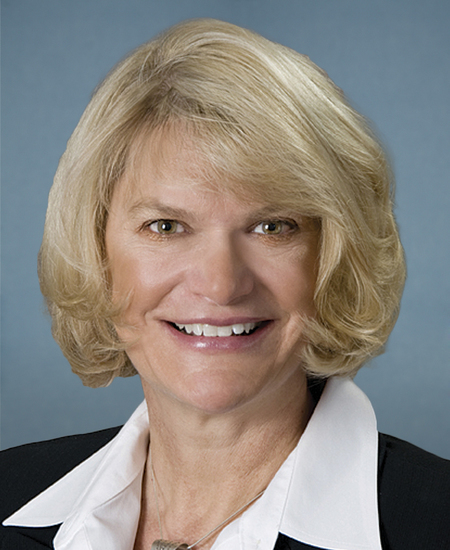
Cynthia M. Lummis
Cynthia M. Lummis Senate
R
Strong +
100% 6
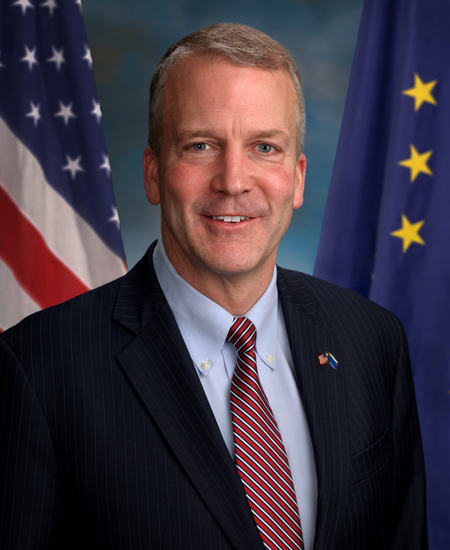
Dan Sullivan
Dan Sullivan Senate
R
Strong +
100% 6
Adam B. Schiff
Adam B. Schiff Senate
D
Strong −
0% 6
Angela D. Alsobrooks
Angela D. Alsobrooks Senate
D
Strong −
0% 6
Bernard Sanders
Bernard Sanders Senate
I
Strong −
0% 6
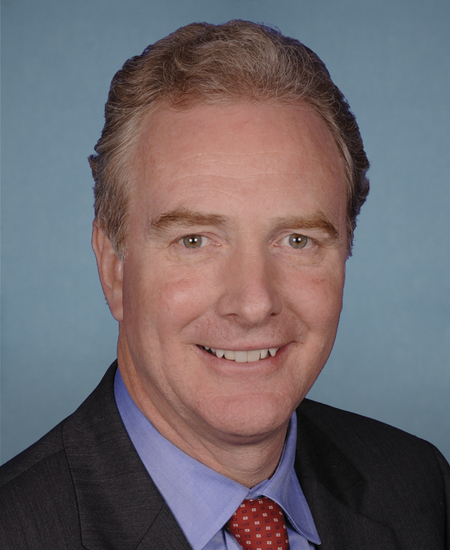
Chris Van Hollen
Chris Van Hollen Senate
D
Strong −
0% 6
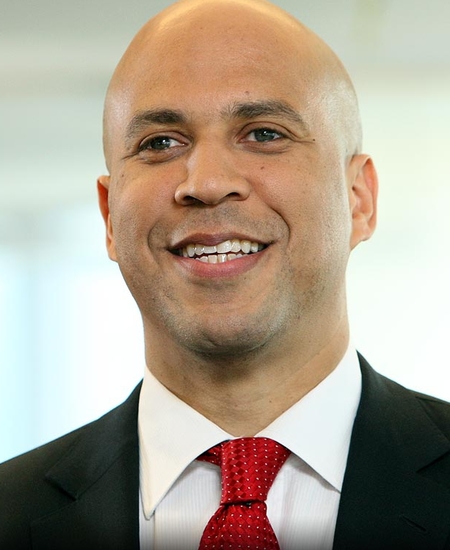
Cory A. Booker
Cory A. Booker Senate
D
Strong −
0% 6
Showing 91–100 of 260 bills

All education bills

in committee · United States · House Feb 26, 2025

HR 1635: Pell to Grad Act

HR 1635, the Pell to Grad Act, extends the maximum eligibility period for Federal Pell Grants from 12 to 16 semesters. It specifically allows students who received Pell Grants for their first undergraduate degree (but completed fewer than 16 semesters of study) to continue using Pell Grants for a subsequent postbaccalaureate program at an eligible institution. This change directly affects undergraduate students who need additional study after their bachelor's degree, such as for certification or a second major, provided they met specific prior Pell Grant usage and eligibility criteria. The bill amends the Higher Education Act to adjust the duration limits for Pell Grant eligibility.
in committee · United States · House Jul 14, 2025

HR 4379: To amend title 10, United States Code, to require the Secretary of Defense to issue regulations providing for the reimbursement of certain educational expenses for students determined to be medically ineligible for continued participation in the Senior Reserve Officers' Training Corps.

This bill requires the Secretary of Defense to create regulations that reimburse ROTC students for educational costs if they are later found medically ineligible for continued participation. It directly affects students enrolled in the Senior Reserve Officers' Training Corps (ROTC) at participating colleges who undergo medical eligibility reviews while still required to attend classes. The regulations must cover tuition, fees, lab expenses, and room and board incurred during the review period, with reimbursement processed within 90 days of a claim submission. This policy change ensures students aren’t financially burdened by medical ineligibility decisions that occur after they’ve already paid for their education.
Sub-Topics Higher Education
in committee · United States · House Sep 8, 2025

HR 1000: Cyber PIVOTT Act

The Cyber PIVOTT Act creates a program to build a skilled cyber workforce by providing full tuition scholarships to students in two-year cyber or cyber-relevant associate's degree programs at participating community colleges and technical schools. The program requires scholarship recipients to complete a two-year service obligation in a cyber role for federal, state, local, tribal, or territorial government, with exceptions for military service. It includes mandatory skills-based exercises, internships with government agencies or critical infrastructure sectors, and a database of cyber training resources mapped to job roles. The program aims to enroll 250 students in its first year, doubling annually until reaching 1,000 students per year, with a long-term goal of 10,000 students annually within ten years.
in committee · United States · House Jun 17, 2025

HR 4026: POST Act of 2025

The POST Act of 2025 requires for-profit colleges receiving federal student aid to generate at least 15% of their revenue from non-federal sources, such as tuition, fees, and approved job training contracts, to maintain eligibility for federal funding. It defines "non-federal revenue" to include tuition, campus-based student activities, and non-eligible program fees (e.g., courses not covered by federal aid), while excluding institutional loans, certain scholarships, and most federal funds. Institutions failing this 15% threshold would lose eligibility for at least two years and must demonstrate compliance for two consecutive fiscal years to regain it. The bill also mandates annual reports to Congress detailing each institution's revenue sources from federal and non-federal streams.
in committee · United States · House Feb 18, 2025

HR 1434: Strengthening Communities through Summer Employment Act

HR 1434 authorizes $200 million to $240 million annually (2026-2030) to fund summer youth employment programs for participants under 25, primarily targeting high-unemployment and high-crime communities. It provides competitive grants to states, local governments, or nonprofits to create or expand programs that include subsidized jobs (minimum wage, 4+ weeks), mentoring, career counseling, and post-program support - aimed at improving high school graduation, college enrollment, employment, and reducing crime rates. The bill prioritizes programs serving underserved youth (including rural/suburban areas) and requires grantees to implement specific elements like job training, digital literacy, and employer matching. An Advisory Board oversees grant reviews, evaluates program impact, and maintains a database of outcomes to ensure evidence-based improvements.
in committee · United States · House Apr 7, 2025

HR 2664: To amend the Higher Education Act of 1965 to provide for additional uses of funds for grants to strengthen historically Black colleges and universities, and for other purposes.

HR 2664 amends the Higher Education Act to allow historically Black colleges and universities (HBCUs) to use federal grant funds for specific arts, arts education, and cultural programs. The bill adds new provisions enabling HBCUs to provide financial aid to arts students, establish outreach programs for arts departments, offer comprehensive support services (like mentorship and career advising), maintain Black art collections, and create paid internships through partnerships with arts organizations. It also authorizes HBCUs to partner with the National Endowment for the Arts to carry out these activities. This amendment directly affects HBCUs by expanding allowable grant uses to address historical underfunding and strengthen arts education.
in committee · United States · Senate Sep 18, 2025

S 2876: Tyler Clementi Higher Education Anti-Harassment Act of 2025

This bill requires U.S. colleges and universities to update their anti-harassment policies to explicitly cover online communications (like emails and social media) and all campus activities, including off-campus events and dormitories. It mandates institutions to create clear procedures for reporting harassment based on protected characteristics (such as race, gender identity, or disability), including how they will investigate and respond to incidents. The bill also creates a new $50 million annual grant program to fund schools developing prevention programs, counseling services, or training for students and staff on recognizing and addressing harassment. These requirements supplement existing federal civil rights laws like Title IX but do not replace them.
Sub-Topics Higher Education
in committee · United States · House Jan 15, 2026

HR 6713: Protect Veteran Students, Job Seekers, and Entrepreneurs Housing Act

This bill requires landlords to count VA educational benefits (like tuition assistance for veterans and their families) as income when evaluating rental applications, preventing discrimination against veterans using these benefits. It also limits lease terms to match the duration of the educational benefits and adds a 60-day grace period if veterans temporarily miss program requirements (e.g., missing a class or appointment), preventing immediate loss of benefits. Landlords violating these rules face penalties, including fines or exclusion from federal housing programs. The law directly affects veterans, students, and families receiving VA education benefits who seek housing.
in committee · United States · House Aug 27, 2026

HR 2555: Freedom of Association in Higher Education Act of 2026

HR 2555, the Freedom of Association in Higher Education Act of 2025, protects students who join or form single-sex social organizations (like fraternities or sororities) at colleges. It prohibits colleges receiving federal funds from taking negative actions against these students or organizations solely because they limit membership to one sex - such as denying housing, financial aid, leadership roles, or recognition. The bill ensures students can join such groups without coercion and stops colleges from imposing unfair recruitment rules on single-sex organizations compared to others. It does not require colleges to recognize single-sex groups, allow organizations to set their own membership rules, or override Title IX protections.
in committee · United States · House Mar 26, 2025

HR 2355: Collegiate Housing and Infrastructure Act of 2025

This bill amends the tax code to allow charitable organizations (501(c)(3) nonprofits) to provide grants for college student housing without losing their tax-exempt status. It specifically permits grants to improve or maintain "collegiate housing property" (where most residents are full-time students at a nearby college) but excludes grants for fitness facilities. The change affects charities seeking to fund student housing infrastructure, clarifying that such grants qualify as charitable under existing tax rules. The policy change applies to grants made after the bill's enactment date.
Sub-Topics Higher Education
Showing 91 to 100 of 260 bills
Previous 1 … 9 10 11 … 26 Next