Issue · Education

Education

Every education bill, vote, and legislator stance in United States, automatically classified by Maddy, our AI policy reader.

Total bills
116
119th Congress
Top supporter
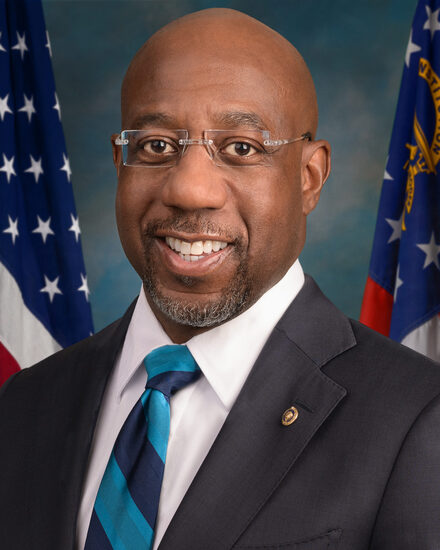
Raphael G. Warnock
100% support rate
Top opponent
Thomas Massie
14% support rate
Ranked legislators
10
5 support · 5 oppose
Key legislators

Who's moving education in United States

Legislators moving education in United States
Legislator Party Stance Support rate Votes
Raphael G. Warnock
Raphael G. Warnock Senate
D
Strong +
100% 167
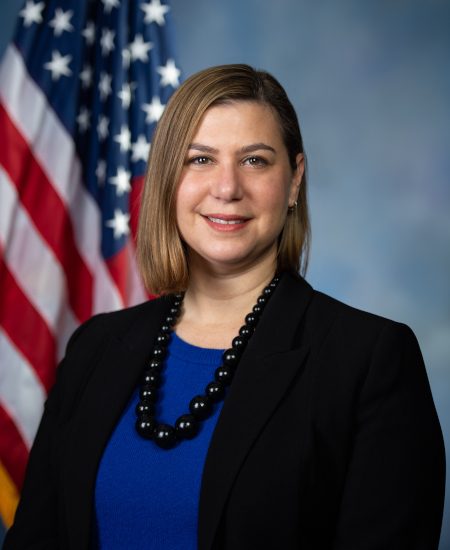
Elissa Slotkin
Elissa Slotkin Senate
D
Strong +
86% 166
Michael F. Bennet
Michael F. Bennet Senate
D
Strong +
86% 137
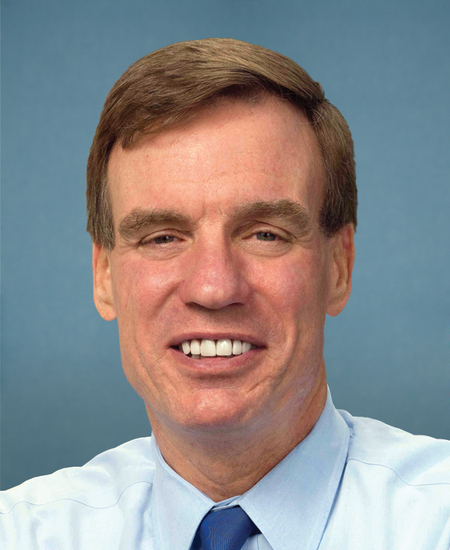
Mark R. Warner
Mark R. Warner Senate
D
Strong +
86% 167
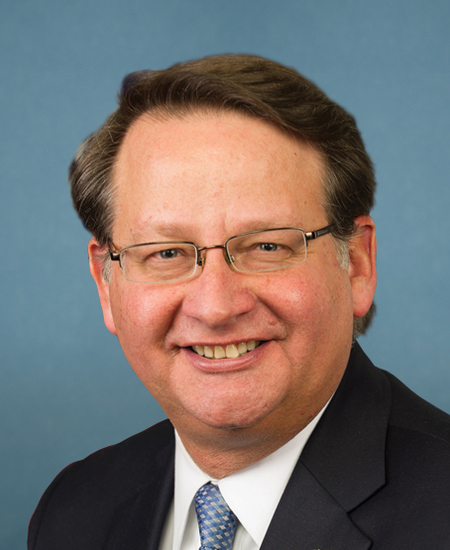
Gary C. Peters
Gary C. Peters Senate
D
Strong +
86% 167
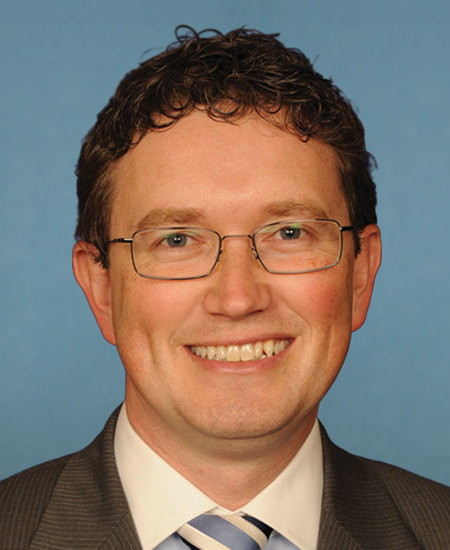
Thomas Massie
Thomas Massie House · District 4
R
Strong −
14% 126
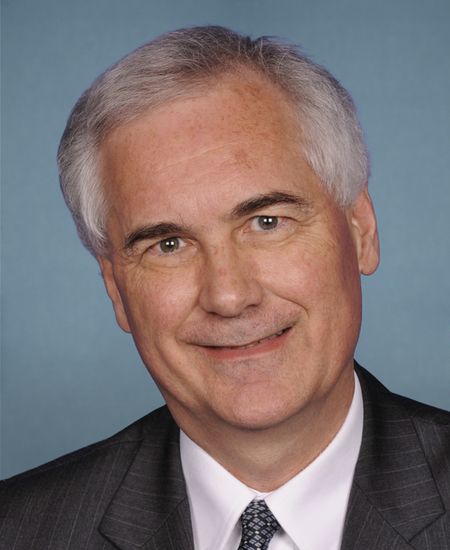
Tom McClintock
Tom McClintock House · District 5
R
Strong −
14% 125
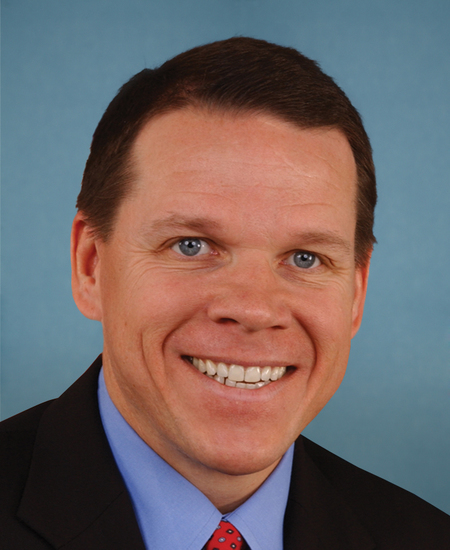
Sam Graves
Sam Graves House · District 6
R
Strong −
14% 124
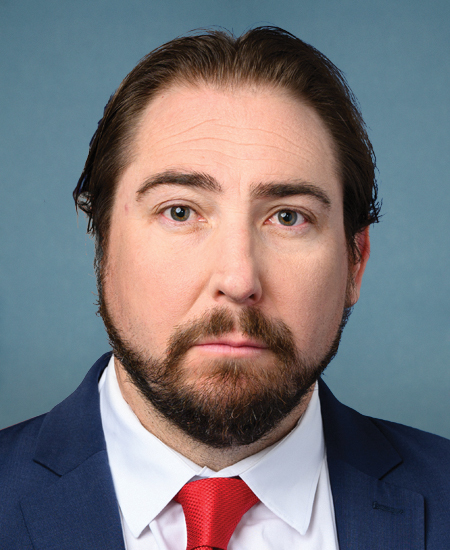
Elijah Crane
Elijah Crane House · District 2
R
Strong −
14% 128
Wesley Hunt
Wesley Hunt House · District 38
R
Strong −
14% 109
Showing 91–100 of 116 bills

All education bills

in committee · United States · Senate Dec 11, 2025

S 3433: PELL Act

The PELL Act (S 3433) would eliminate federal funding for institutions that receive grants based on the racial or ethnic composition of their student bodies, including Hispanic-Serving Institutions and Historically Black Colleges and Universities. The bill amends the Higher Education Act to require institutions receiving federal funds to serve a substantial number of students receiving Federal Pell Grants and to prohibit racial discrimination in admissions or hiring, including through racial quotas. It redirects funds from Minority-Serving Institution programs toward increasing the Federal Pell Grant program, which provides need-based financial aid for college students regardless of race. The legislation would require federal agencies to identify and eliminate all provisions that allocate funds based on racial or ethnic criteria for institutions. This bill directly affects federal grant programs and institutions currently receiving funding based on racial or ethnic composition of their student bodies.
in committee · United States · Senate May 8, 2025

S 1684: A bill to require audits of institutions with respect to disclosures of foreign gifts, and for other purposes.

S 1684 requires the U.S. Department of Education to audit colleges and universities every two years to verify compliance with foreign gift and contract reporting rules, prioritizing institutions with large endowments, prior noncompliance, or significant foreign ties. It also imposes a 300% tax on income from foreign countries of concern for qualifying institutions (those with over 500 U.S. students and more than 50% of tuition-paying students in the U.S.) and an 110% tax on unreported foreign funding identified through audits. These provisions directly affect large colleges and universities receiving foreign contributions, particularly those meeting the prioritization criteria for audits. The bill aims to increase transparency in foreign financial relationships with higher education through mandatory audits and financial penalties for noncompliance.
Sub-Topics Higher Education
in committee · United States · House Jan 31, 2025

HR 899: To terminate the Department of Education.

HR 899 would end the U.S. Department of Education by December 31, 2026, terminating its federal agency status. This bill directly affects all federal education programs and operations currently managed by the Department, such as student aid and school funding. The key mechanism is a fixed termination date, requiring the transfer of the Department's responsibilities to other federal agencies without specifying new administrative structures. The bill focuses solely on ending the agency's existence, not altering education policy or funding mechanisms.
in committee · United States · Senate Jun 11, 2025

S 2036: Putting American Students First Act

S 2036 ("Putting American Students First Act") amends the Higher Education Act to establish new citizenship and residency requirements for participation in Federal TRIO programs. It explicitly defines eligible individuals as U.S. nationals, lawful permanent residents, certain aliens with intent to become permanent residents, citizens of Freely Associated States, CNMI residents, or lawful residents of Freely Associated States. The bill prohibits waivers of these requirements under specific appropriations laws and performance partnership authorities. This change directly affects individuals seeking TRIO program benefits, including college access and support services.
in committee · United States · Senate May 20, 2025

S 1811: Embracing Anti-Discrimination, Unbiased Curricula, and Advancing Truth in Education Act

The EDUCATE Act requires graduate medical schools receiving federal funds to certify they do not compel students or staff to endorse specific viewpoints (such as that America is systemically racist or that individuals bear collective guilt for past actions) as a condition for benefits, opportunities, or employment. It also prohibits schools from discriminating based on race, ethnicity, or national origin in student opportunities and bans diversity, equity, and inclusion offices or diversity statements that require such endorsements. The bill clarifies that teaching about medical needs related to characteristics like race or sex, and collecting demographic data for informational purposes, remain permitted. These requirements apply to all graduate medical schools at institutions of higher education receiving federal financial assistance.
in committee · United States · Senate Dec 16, 2025

S 3507: Put American Students First Act

This bill enforces a federal law prohibiting states from offering in-state tuition rates to undocumented immigrants at public colleges. It requires colleges to verify students' immigration status using the DHS SAVE system annually and charge undocumented students the higher out-of-state rate instead. States that continue providing in-state tuition to undocumented students could lose federal education funding. The bill directly affects undocumented immigrant students in public colleges across 22 states and D.C., as well as the states and institutions currently offering these subsidies.
in committee · United States · House Dec 11, 2025

HRES 947: Expressing that compelled political litmus tests used by public institutions to require individuals to identify with specific ideological views are directly at odds with the principles of academic freedom and free speech and in violation of the First Amendment of the Constitution.

HRES 947 is a non-binding resolution condemning public universities and colleges for requiring applicants or faculty to submit statements supporting diversity, equity, and inclusion (DEI) as part of admissions or hiring decisions. It states such "compelled political litmus tests" violate the First Amendment by restricting free speech and academic freedom, citing Supreme Court precedents that protect intellectual inquiry on campuses. The resolution specifically urges institutions to stop demanding these statements, calling them incompatible with principles of free expression and academic autonomy. It does not create new laws but formally expresses congressional disapproval of this practice.
in committee · United States · House Jan 22, 2025

HR 632: Protecting Life on College Campus Act of 2025

HR 632 prohibits federal funding (directly or indirectly) for colleges and universities that host or are affiliated with campus health clinics providing abortion drugs or abortions to students or employees. Institutions must annually certify to federal education and health agencies that no such services are offered at their campus sites. The bill defines "abortion drugs" broadly as any medication intended to terminate pregnancy (excluding cases for live birth, miscarriage management, or ectopic pregnancy treatment). This policy directly affects institutions receiving federal funds, requiring them to ensure campus health services comply with the prohibition to maintain eligibility.
in committee · United States · Senate Jan 29, 2025

S 308: Graduate Opportunity and Affordable Loans Act

S 308, the Graduate Opportunity and Affordable Loans Act, changes federal student loan limits for graduate and professional students starting July 1, 2025. It sets new annual limits of $20,500 for regular graduate students and $40,500 for professional students (like those in medical or law programs), with lifetime aggregate limits of $65,000 and $130,000 respectively (excluding undergraduate debt). The bill also phases out eligibility for Federal Direct PLUS Loans for graduate and professional students after June 30, 2025, requiring schools to notify students of this change. These changes directly affect students pursuing master's, doctoral, or professional degree programs enrolled in postbaccalaureate education.
in committee · United States · House Sep 3, 2025

HR 5121: Fairness in Higher Education Accreditation Act

HR 5121, the Fairness in Higher Education Accreditation Act, prohibits accrediting agencies from considering race, color, sex, or national origin when evaluating institutions or their leadership composition. It directly affects colleges and universities by requiring accrediting bodies to cease imposing or considering such factors in accreditation decisions. The bill adds new provisions to the Higher Education Act, banning agencies from setting standards related to student/faculty diversity metrics or leadership demographics, and mandates that institutions retain the right to adopt lawful policies on these matters. Institutions harmed by accreditation decisions violating these rules may pursue civil action under the amended law.
Sub-Topics Higher Education
Showing 91 to 100 of 116 bills
Previous 1 9 10 11 12 Next