Issue · Education

Education

Every education bill, vote, and legislator stance in United States, automatically classified by Maddy, our AI policy reader.

Total bills
116
119th Congress
Top supporter
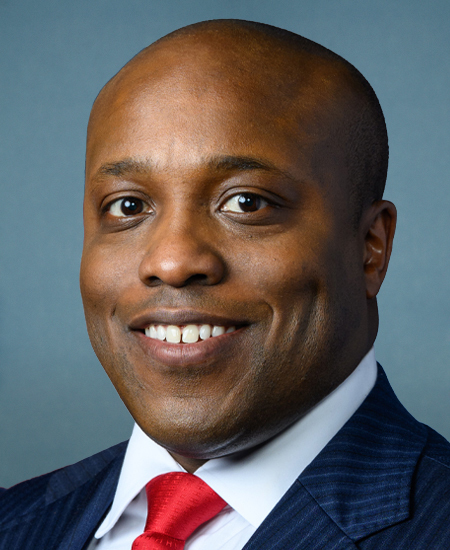
Raphael G. Warnock
100% support rate
Top opponent
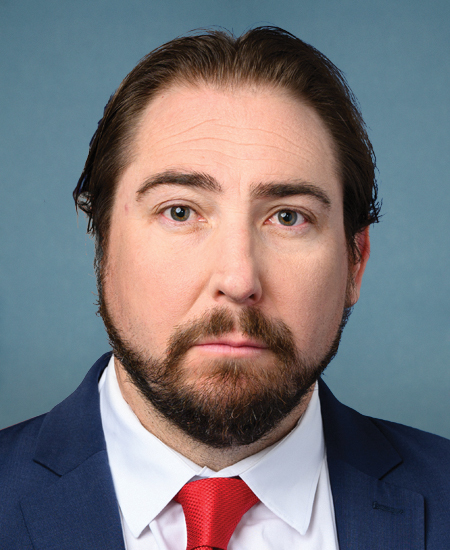
Thomas Massie
14% support rate
Ranked legislators
10
5 support · 5 oppose
Key legislators

Who's moving education in United States

Legislators moving education in United States
Legislator Party Stance Support rate Votes
Raphael G. Warnock
Raphael G. Warnock Senate
D
Strong +
100% 167
Elissa Slotkin
Elissa Slotkin Senate
D
Strong +
86% 166
Michael F. Bennet
Michael F. Bennet Senate
D
Strong +
86% 137
Mark R. Warner
Mark R. Warner Senate
D
Strong +
86% 167
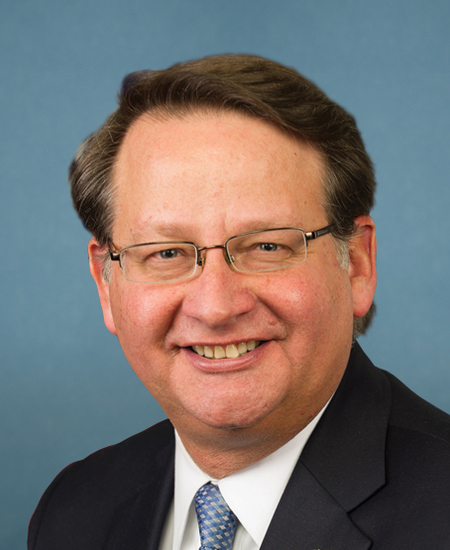
Gary C. Peters
Gary C. Peters Senate
D
Strong +
86% 167
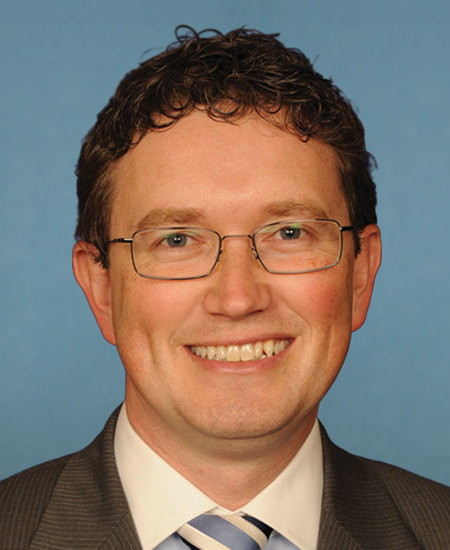
Thomas Massie
Thomas Massie House · District 4
R
Strong −
14% 126
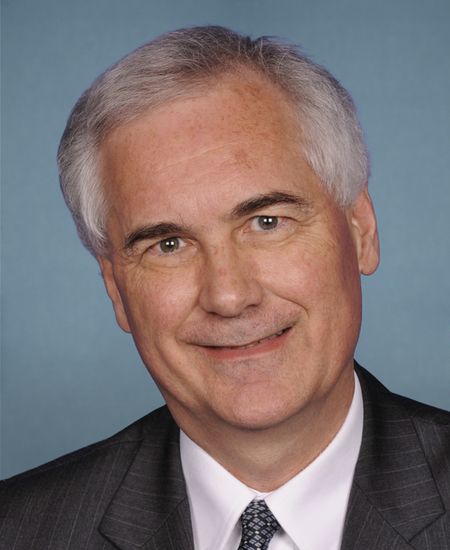
Tom McClintock
Tom McClintock House · District 5
R
Strong −
14% 125
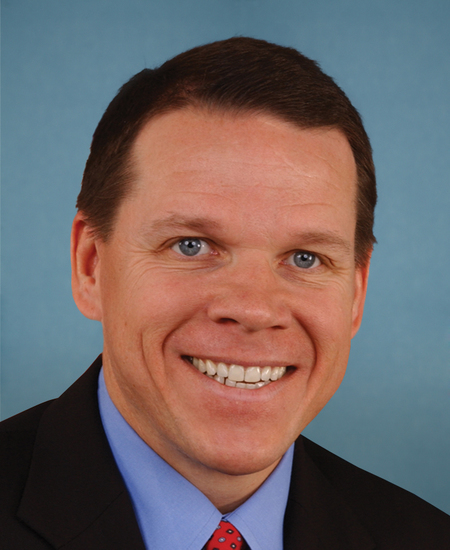
Sam Graves
Sam Graves House · District 6
R
Strong −
14% 124
Elijah Crane
Elijah Crane House · District 2
R
Strong −
14% 128
Wesley Hunt
Wesley Hunt House · District 38
R
Strong −
14% 109
Showing 1–10 of 116 bills

All education bills

in committee · United States · House Sep 3, 2026

HR 10266: No Elite Athletes Using X-pro status to ensure Prioritizing Recruitment Of Student-athletes (NEAUX PROS) Act

The NEAUX PROS Act prohibits colleges that receive federal student aid from allowing individuals who hold active professional sports contracts to compete in intercollegiate athletics in the same sport. To enforce this rule, the bill conditions continued eligibility for Title IV federal funding on institutions ensuring they do not permit such dual participation, with violations subject to standard financial aid enforcement actions like suspension or termination of funds. The legislation also creates a new federal criminal offense for athletics officials who knowingly recruit or sign professional athletes, carrying penalties of up to five years in prison, or ten years if the act was done for financial gain or as part of a pattern. Individuals may avoid being classified as professional athletes by rescinding their contracts in writing before receiving any compensation or providing athletic services under those agreements.
in committee · United States · House Aug 27, 2026

HR 10178: SHIELD Act

The SHIELD Act would prohibit local school districts that receive federal education funds from allowing organizations that provide abortions to distribute information about those services to students on school grounds or through the district's virtual platforms. This ban specifically covers sharing or reposting such materials on social media on behalf of outside abortion providers. The bill defines "abortion-related service" as any medical, surgical, or support care directly related to terminating a pregnancy.
in committee · United States · House Aug 13, 2026

HR 10090: To amend the Internal Revenue Code of 1986 to impose an excise tax on certain institutions of higher education that allow male participation in female intercollegiate athletic programs or events.

HR 10090 would impose a 10 percent excise tax on private colleges and universities that allow individuals defined as biologically male to participate in intercollegiate athletic programs designated for females. The bill defines sex strictly by biological reproductive systems, excluding state institutions from this requirement. To prevent the financial burden of the tax from being shifted to students, the legislation prohibits affected schools from raising tuition or mandatory fees as a result of the liability. These provisions would take effect for taxable years beginning after December 31, 2025.
Sub-Topics Higher Education
in committee · United States · Senate Jul 30, 2026

S 5179: Title IX Clarification Act of 2026

The Title IX Clarification Act of 2026 amends the federal law prohibiting sex discrimination in education to explicitly define "sex" based on biological characteristics. Specifically, it states that sex refers to an individual's biologically determined status as male or female. The bill further defines "female" as someone with a reproductive system that produces ova and "male" as someone with a reproductive system that produces sperm, regardless of congenital anomalies or accidents. These definitions apply to all education programs receiving federal financial assistance starting on the date the law is enacted.
in committee · United States · Senate Jul 30, 2026

S 5202: Protecting Our Kids from Harmful Research Act

The Protecting Our Kids from Harmful Research Act prohibits the use of federal funds to support research or publications regarding gender transition for individuals under the age of 18. This restriction specifically targets studies that aim to affirm a minor's perception or identity when it differs from their sex assigned at birth, as defined by their reproductive biology and genetics. The bill directly affects federal agencies and institutions that might otherwise receive funding to conduct such observational studies on hormonal treatments or surgical procedures for minors. By limiting financial support, the legislation seeks to prevent government resources from being used for research that challenges the biological definition of sex at birth.
in committee · United States · Senate Jul 23, 2026

S 5128: GRACE Act

The GRACE Act prohibits federal education funding for schools and agencies that mandate vaccinations unless they offer a specific exemption process. Under this bill, institutions must allow parents or guardians to request an exemption based on a sincerely held religious belief without requiring any supporting documentation. The law defines a child as anyone under 18 and applies these rules to elementary and secondary schools as well as local and state educational agencies. By removing the need for proof of religious belief, the measure aims to simplify the process for families seeking to opt out of vaccination requirements for religious reasons.
Sub-Topics Public Health
in committee · United States · Senate Jul 28, 2026

S 5147: PLEDGE Act

The PLEDGE Act requires all elementary and secondary schools in the District of Columbia to display the United States flag in every classroom and recite the Pledge of Allegiance daily at the start of the school day. During these ceremonies, students and civilians must stand at attention, and students must recite the pledge while standing with their right hand over their heart. The law also mandates that students be informed of their right to opt out of reciting the pledge upon a written request from a parent, while prohibiting any displays that disrupt other students participating. Additionally, schools must provide reasonable accommodations for students with disabilities who cannot comply with the physical requirements of the ceremony.
in committee · United States · House Jul 16, 2026

HR 9742: English Language Proficiency Act

The English Language Proficiency Act removes specific exceptions that currently allow certain immigrants to bypass the naturalization requirement of understanding U.S. history, government, and English language skills. By amending the Immigration and Nationality Act, the bill eliminates these exemptions, meaning more applicants must now demonstrate proficiency in these areas to become citizens. This change directly impacts immigrants who previously qualified for waivers based on factors such as age, education, or length of residence in the United States. The legislation aims to standardize the naturalization process by ensuring a consistent set of requirements for all applicants seeking citizenship.
in committee · United States · Senate Jun 24, 2026

S 4925: Stop the Sexualization of Children Act

The Stop the Sexualization of Children Act prohibits the use of federal education funds to create or promote programs containing sexually oriented material for children under 18. This ban specifically targets content depicting sexually explicit conduct or involving gender dysphoria and transgenderism, while explicitly exempting standard science courses, major world religions, and specific lists of classic literature and art. By amending the Elementary and Secondary Education Act, the bill restricts how schools can utilize federal money for extracurricular activities or educational materials that fall under these prohibited categories.
in committee · United States · House Jul 16, 2026

HR 9748: Protecting Students from Worthless Degrees Act

The Protecting Students from Worthless Degrees Act restricts federal funding for colleges that offer programs preparing students for licensed professions unless those programs guarantee licensure eligibility in the student's specific state and provide required clinical or internship placements. To prevent low-earning degrees, the bill mandates that programs must maintain a debt-to-earnings ratio below 8 percent and a discretionary debt-to-earnings ratio below 20 percent, with institutions barred from enrolling students in non-compliant programs for up to three years. Additionally, the legislation requires colleges to clearly warn students if a program does not meet the educational prerequisites for practicing a profession in the state where the student lives. Finally, the act enforces stricter rules on distance learning by requiring schools to be legally authorized in every state where their online students reside, unless covered by a specific reciprocity agreement between states.
Showing 1 to 10 of 116 bills
1 2 3 12 Next