Issue · Criminal Justice

Criminal Justice

Every criminal justice bill, vote, and legislator stance in United States, automatically classified by Maddy, our AI policy reader.

Total bills
1,286
119th Congress
Top supporter
Alan Armstrong
86% support rate
Top opponent
Amy Klobuchar
13% support rate
Ranked legislators
10
5 support · 5 oppose
Key legislators

Who's moving criminal justice in United States

Legislators moving criminal justice in United States
Legislator Party Stance Support rate Decisive votes
AA
Alan Armstrong Senate
R
Strong +
86% 28
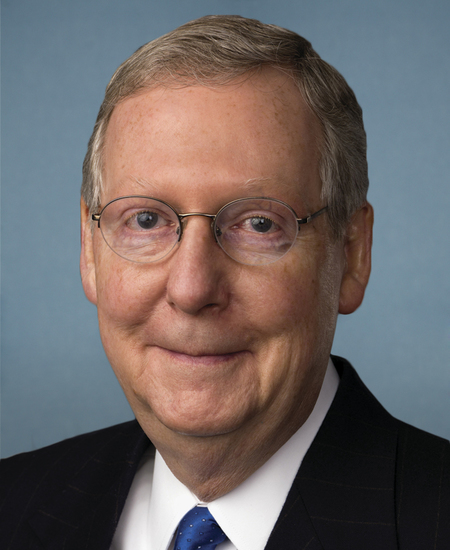
Mitch McConnell
Mitch McConnell Senate
R
Strong +
84% 31
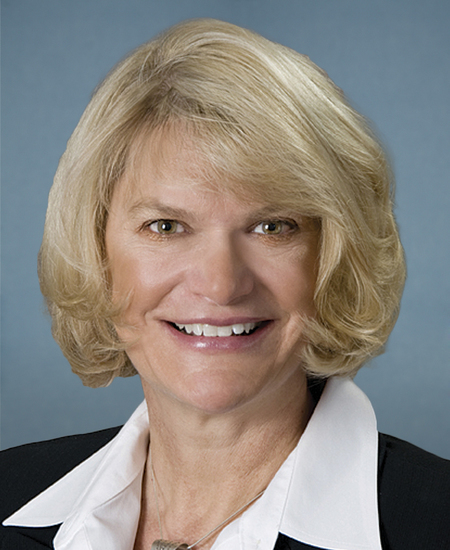
Cynthia M. Lummis
Cynthia M. Lummis Senate
R
Strong +
80% 30
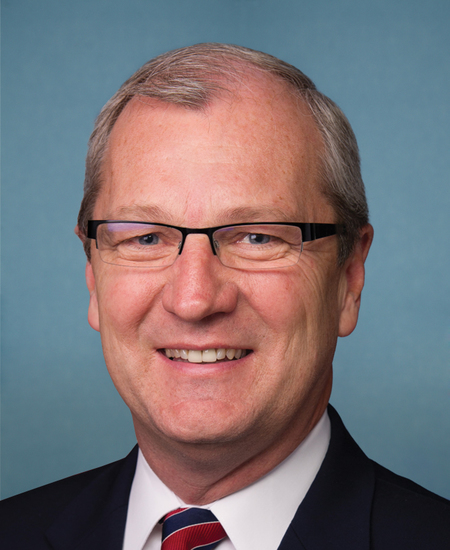
Kevin Cramer
Kevin Cramer Senate
R
Strong +
80% 30
Bernie Moreno
Bernie Moreno Senate
R
Support
77% 31
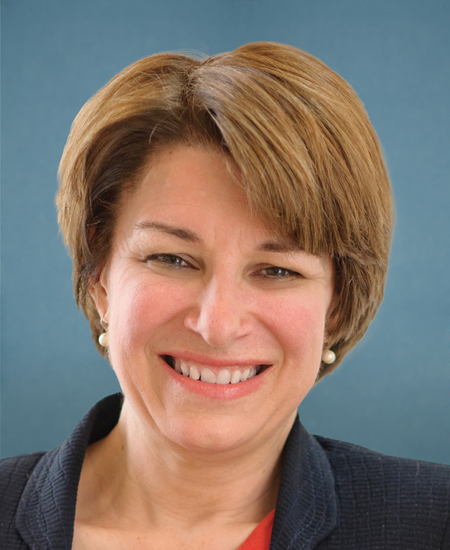
Amy Klobuchar
Amy Klobuchar Senate
D
Strong −
13% 31
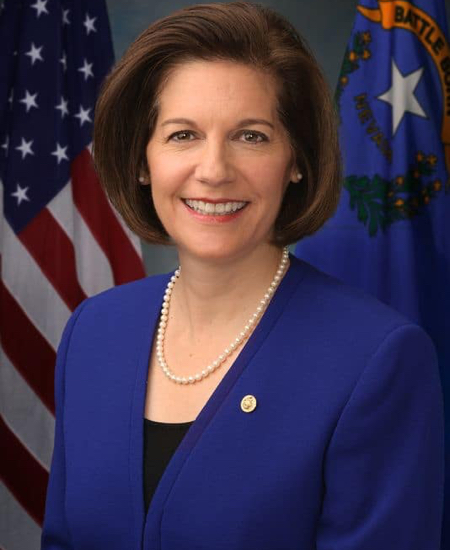
Catherine Cortez Masto
Catherine Cortez Masto Senate
D
Strong −
13% 31
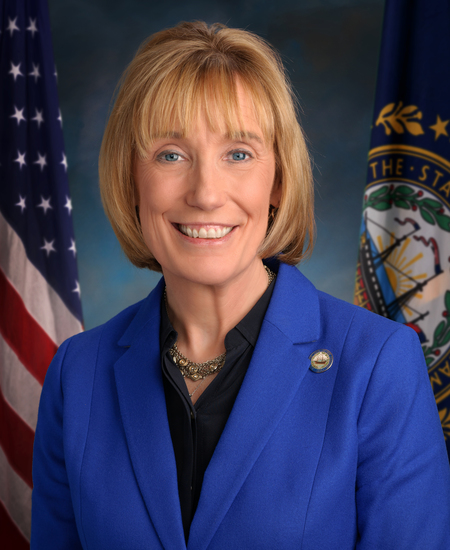
Margaret Wood Hassan
Margaret Wood Hassan Senate
D
Strong −
13% 31
Andy Kim
Andy Kim Senate
D
Strong −
16% 31
Angus S. King, Jr.
Angus S. King, Jr. Senate
I
Strong −
16% 31
Showing 1,041–1,050 of 1,286 bills

All criminal justice bills

in committee · United States · Senate Jul 24, 2025

S 2452: Parity for Tribal Law Enforcement Act

This bill allows tribal law enforcement officers who contract with federal programs to enforce federal law within tribal lands after meeting specific training and certification standards set by the Bureau of Justice Services. It deems these officers as federal law enforcement officers for key legal protections under Titles 18, 5, and 28 of U.S. Code, including liability coverage and retirement benefits. Officers must complete training comparable to federal counterparts, pass background checks, and receive Bureau certification. The Department of Justice must establish certification procedures within two years and coordinate public safety oversight in tribal communities through the Attorney General’s office.
Sub-Topics Law Enforcement Tags Tribal Nations
in committee · United States · House Dec 11, 2025

HR 6666: HIRRE Prosecutors Act of 2025

The HIRRE Prosecutors Act of 2025 establishes a federal grant program to help state, local, tribal, and territorial prosecutor offices hire, retain, and train prosecutors and support staff. It authorizes $10 million annually (2026-2030) for competitive grants, covering up to 75% of eligible costs, with preference given to rural, tribal, and areas rehiring laid-off prosecutors. Grantees must cover the remaining 25% of costs (or qualify for a waiver), and funds cannot replace existing state/local funding but must supplement it. All funded projects require data tracking and annual performance evaluations by the Attorney General.
passed · United States · Senate Apr 28, 2025

SRES 149: A resolution designating April 2025 as "Second Chance Month".

This resolution designates April 2025 as "Second Chance Month" to raise public awareness about barriers faced by people with criminal records. It directly affects individuals returning from incarceration who encounter automatic legal and societal restrictions - such as employment, housing, and education access - often unrelated to their original offense. The resolution calls on communities, employers, and organizations to promote awareness of these "collateral consequences" and support reentry efforts through public actions and programs. It is a non-binding symbolic gesture, not a policy change, referencing existing laws like the Second Chance Act of 2007 and First Step Act of 2018.
in committee · United States · Senate Dec 9, 2025

S 3397: ECCHO Act

Ending Coercion of Children and Harm Online or the ECCHO Act This bill establishes a federal framework to combat the online coercion of minors to commit harm. The bill creates new criminal offenses, expands reporting of instances involving the online coercion of minors, facilitates the prosecution of offenders, and expands protections for minors who testify in court. Specifically, the bill makes it a crime to intentionally coerce a minor to commit suicide (or attempt to); kill someone (or attempt to); kill a pet, emotional support animal, service animal, or horse (or attempt to); physically harm an individual (including the minor), pet, emotional support animal, service animal, or horse; or commit (or attempt to commit) arson or certain other acts such as doxxing or swatting. A violation (or conspiracy or attempt to commit a violation) is subject to a fine, a prison term, or both. The bill requires electronic communication service providers and remote computing service providers to report instances of online coercion of minors to the National Center for Missing & Exploited Children via the CyberTipline. The bill facilitates the federal prosecution of offenses committed by (1) individuals as part of a child exploitation enterprise, and (2) minors in certain circumstances. The bill extends various protections for minors who testify in court (e.g., certain privacy protections) to those who are victims of or witnesses to crimes involving mental injury (i.e., psychological or intellectual harm to a child) or the negligent treatment of a child.
Sub-Topics Corrections Courts
in committee · United States · House Feb 26, 2026

HR 7738: Government Surveillance Transparency Act of 2026

The Government Surveillance Transparency Act of 2026 limits how long courts can keep surveillance orders, applications, and related documents sealed (maximally 180 days initially, with limited extensions), and requires courts to make key details about these surveillance cases publicly available through docket records. It mandates law enforcement to provide notice to individuals whose communications were surveilled, with limited exceptions for ongoing investigations, and establishes new reporting requirements for courts about surveillance orders. The bill also creates grants to help state and tribal courts implement these transparency requirements. This law directly affects federal, state, and tribal courts, law enforcement agencies, and individuals whose communications are subject to surveillance.
Sub-Topics Courts Law Enforcement Tags Government Transparency Privacy
in committee · United States · House Jan 14, 2025

HR 393: No Repeat Child Sex Offenders Act

HR 393, the "No Repeat Child Sex Offenders Act," amends federal criminal code sections to replace existing prison terms with mandatory death or life imprisonment for specific child sex offenses. It applies to prosecutions under provisions targeting sex trafficking of children (18 U.S.C. §1591), transportation of minors for sexual purposes (18 U.S.C. §2423), and various sexual abuse crimes against minors (18 U.S.C. §§2241-2245). The bill directly affects individuals convicted under these provisions, including repeat offenders, by eliminating minimum and maximum prison sentences in favor of the harshest penalties. It does not create new offenses but significantly increases penalties for existing crimes involving child sexual exploitation.
in committee · United States · House Dec 11, 2025

HR 6651: Improving the Federal Response to Organized Retail Crime Act of 2025

HR 6651 requires federal agencies (including the FBI, Homeland Security, and USPS) to develop a coordination strategy within 180 days to improve information sharing on organized retail crime networks. The strategy must help state/local law enforcement gather evidence for prosecutions and boost collaboration between agencies, retailers, and crime task forces. Agencies must submit a joint report within 180 days, and the Comptroller General will publish a separate report on private-sector law enforcement cooperation within one year. The bill defines "organized retail crime" as coordinated theft or fraud for interstate distribution of stolen goods, directly affecting federal agencies, law enforcement, and the retail industry.
in committee · United States · House Jan 3, 2025

HR 198: SERVE Our Communities Act

The SERVE Our Communities Act (HR 198) creates a federal grant program providing $10 million annually from 2026-2031 to states and local governments that meet specific crime prevention criteria. To qualify, jurisdictions must require courts to consider public safety risks when setting bail or pretrial release (Section 2(b)(1)) and must have implemented one of three actions in the prior year: enacted bail reform, increased law enforcement staffing, or run public safety education programs (Section 2(b)(2)). Grant funds can only be used for evidence-based reentry and violence prevention programs under the Second Chance Act (Section 2(c)). The bill directly affects state and local governments by tying federal funding to specific bail reform and community safety measures, aiming to reduce repeat violent offenses through systemic changes.
in committee · United States · House May 23, 2025

HR 3603: Andrew Kearse Accountability for Denial of Medical Care Act of 2025

HR 3603, the Andrew Kearse Accountability for Denial of Medical Care Act of 2025, requires federal law enforcement officers, Bureau of Prisons staff, and U.S. Marshals Service personnel to provide immediate medical care when someone in federal custody shows medical distress (like breathing difficulties). It makes it a crime for these officials to negligently fail to act, punishable by fines, up to one year in prison, or both. The bill mandates agency inspector general investigations for such failures resulting in harm, requires staff training on medical assistance, and allows state attorneys general to pursue civil legal remedies for affected residents. This directly affects federal custody staff and aims to prevent avoidable harm through enforceable medical response standards.
in committee · United States · Senate Nov 6, 2025

S 3134: Combating Counterfeit Pharmaceuticals Act of 2025

This bill defines "copy-cat ingredients" as substances mimicking approved drugs but made via different processes or with lower quality, and clarifies "counterfeit drugs" under existing law. It updates the Fentanyl Sanctions Act to replace all references to "opioid" with "illicit drug," expanding the law's scope to cover all counterfeit pharmaceuticals - not just opioid-related products. The bill also adds a waiver allowing access to medications on the HHS drug shortage list. These changes help regulators and law enforcement better identify and address counterfeit drugs affecting patients and the healthcare system.
Showing 1,041 to 1,050 of 1,286 bills