Issue · Budget & Taxes

Budget & Taxes

Every budget & taxes bill, vote, and legislator stance in United States, automatically classified by Maddy, our AI policy reader.

Total bills
2,374
119th Congress
Top supporter
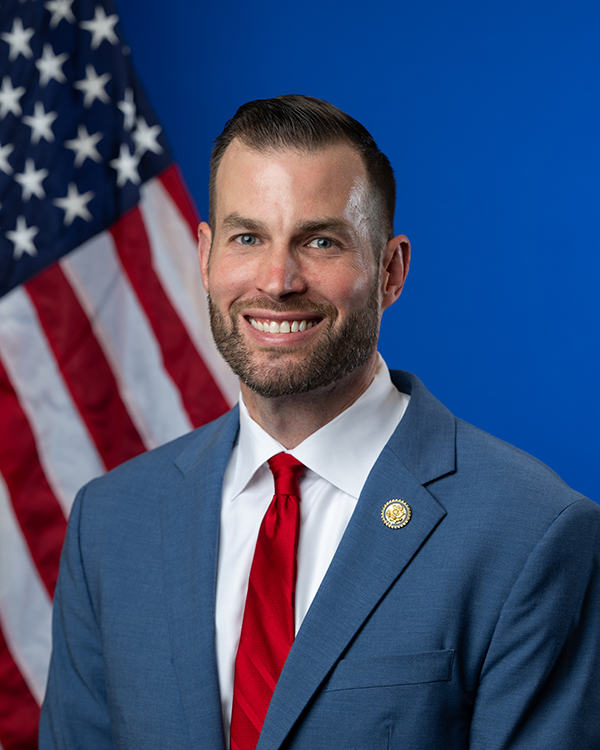
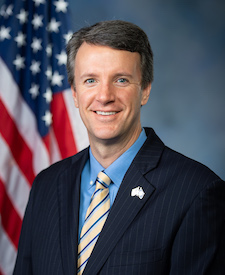
Clay Fuller
87% support rate
Top opponent
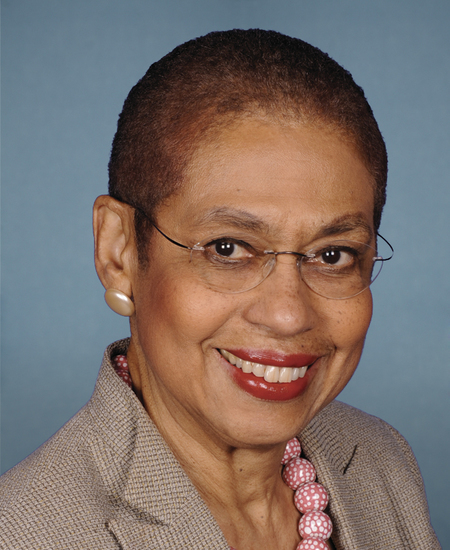
Eleanor Holmes Norton
0% support rate
Ranked legislators
10
5 support · 5 oppose
Key legislators

Who's moving budget & taxes in United States

Legislators moving budget & taxes in United States
Legislator Party Stance Support rate Decisive votes
Clay Fuller
Clay Fuller House · District 14
R
Strong +
87% 46
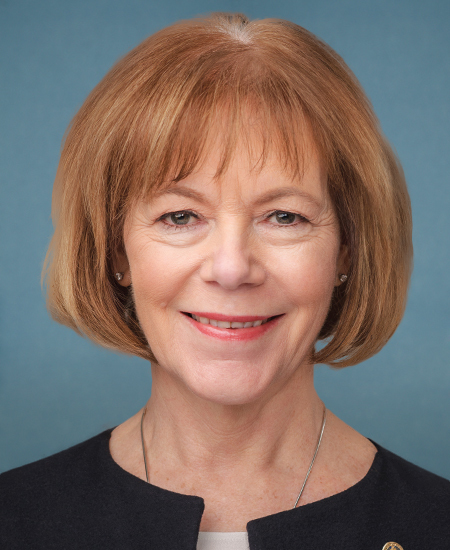
Tina Smith
Tina Smith Senate
D
Strong +
83% 77
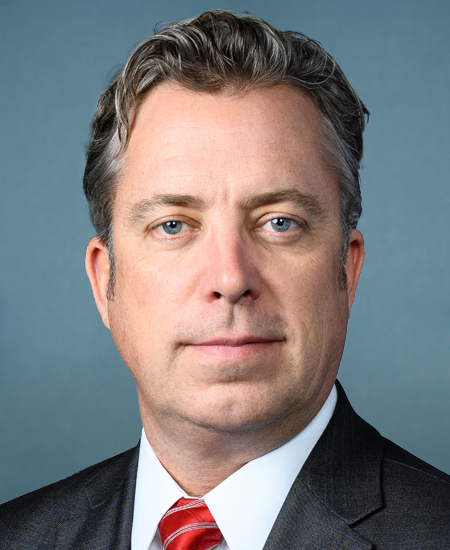
Andrew Ogles
Andrew Ogles House · District 5
R
Strong +
83% 65
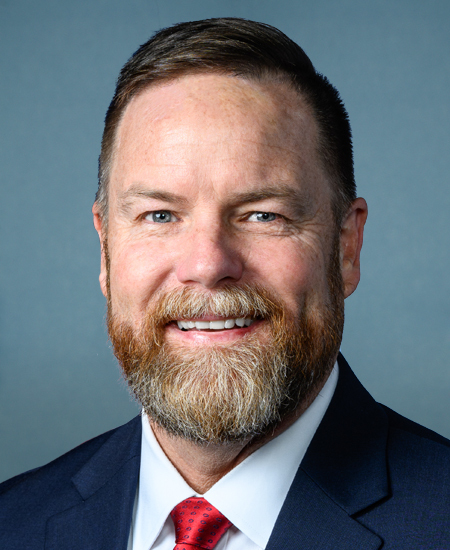
Aaron Bean
Aaron Bean House · District 4
R
Strong +
83% 69
Ben Cline
Ben Cline House · District 6
R
Strong +
83% 69
Eleanor Holmes Norton
Eleanor Holmes Norton House · District At-Large
D
Strong −
0% 26
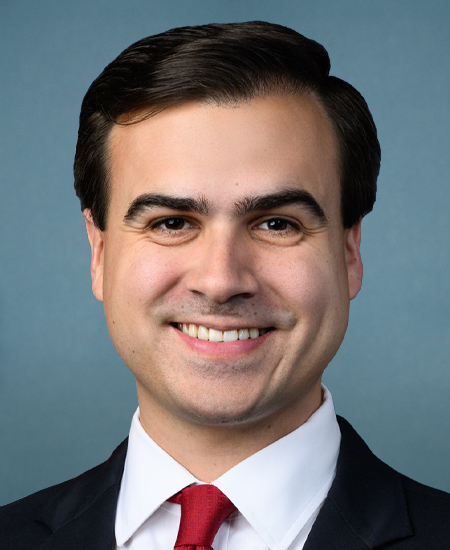
Pablo José Hernández
Pablo José Hernández House · District At-Large
D
Strong −
7% 28
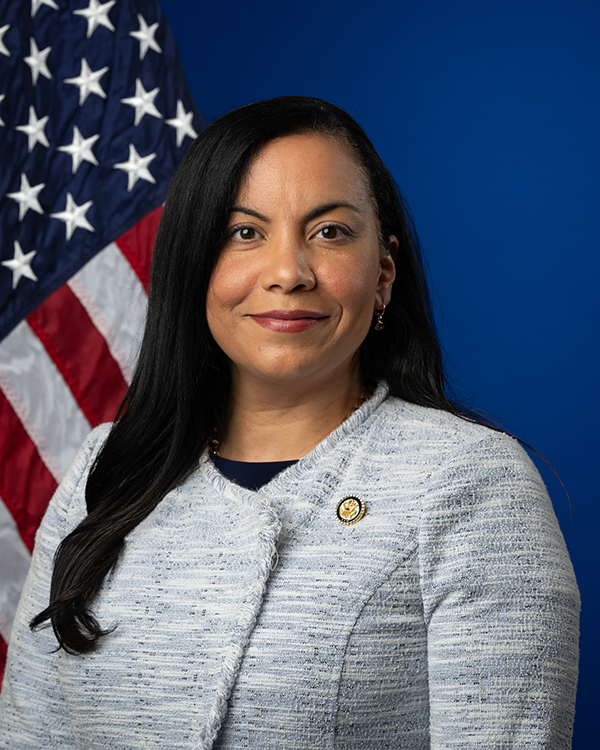
Analilia Mejia
Analilia Mejia House · District 11
D
Strong −
13% 45
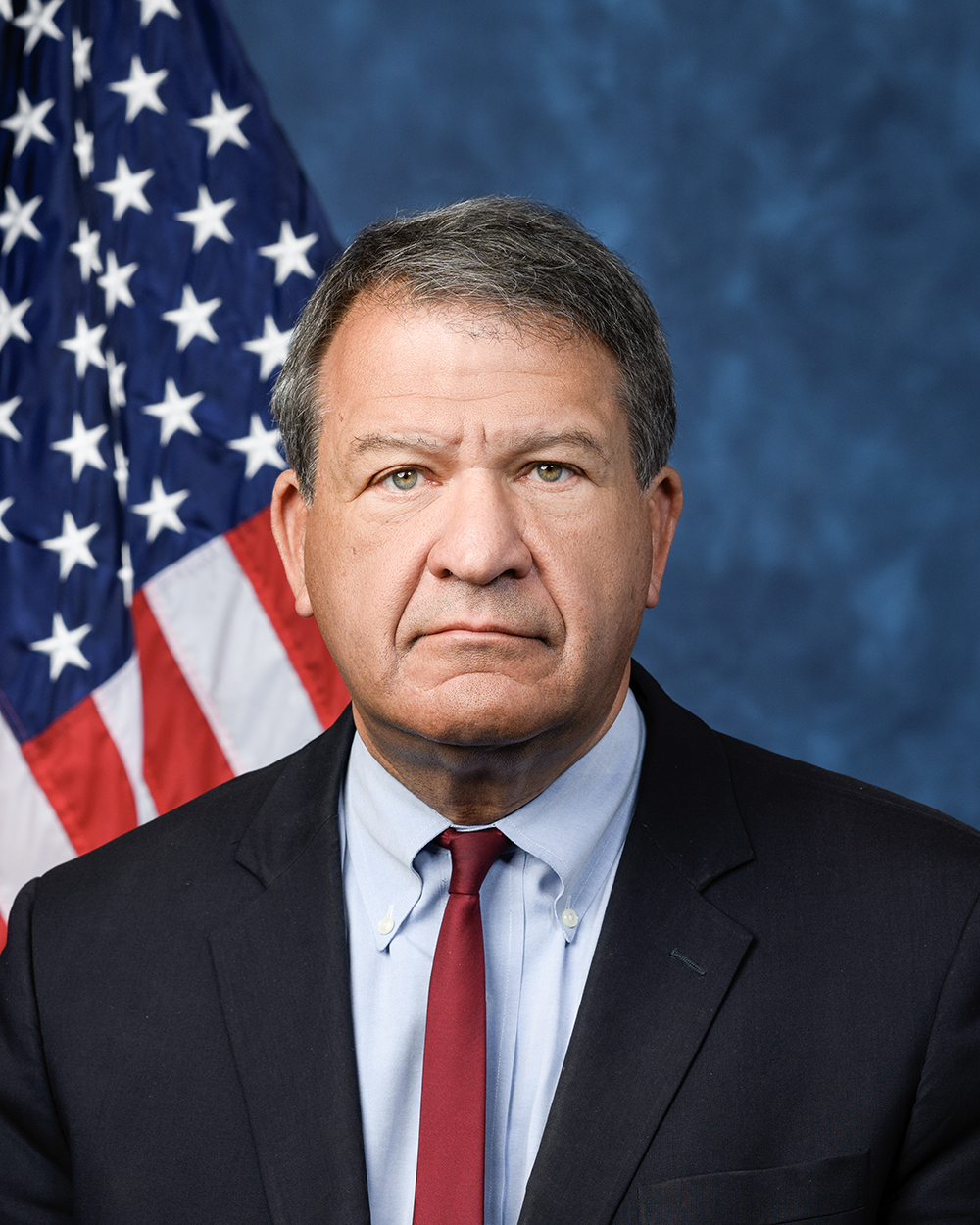
George Latimer
George Latimer House · District 16
D
Strong −
13% 67
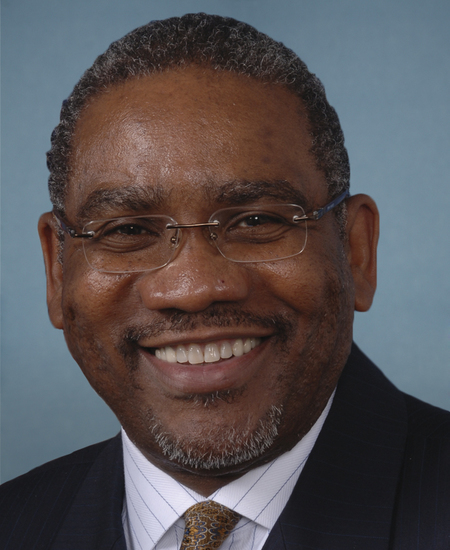
Gregory W. Meeks
Gregory W. Meeks House · District 5
D
Strong −
14% 66
Showing 291–300 of 2,374 bills

All budget & taxes bills

in committee · United States · Senate Jun 11, 2026

S 4761: Tax Court Parity Act

The Tax Court Parity Act amends the Internal Revenue Code to clarify the Tax Court's authority to correct errors or grant relief from final judgments. It allows the court to fix clerical mistakes at any time and provides specific grounds for overturning final decisions, including new evidence, fraud, or circumstances where justice requires it. The bill sets a one-year deadline for most motions to overturn a judgment and ensures that pending motions do not delay the original ruling. Additionally, it establishes a 90-day window for parties to appeal any new relief granted by the Tax Court.
in committee · United States · House Jun 11, 2026

HR 9285: Heat Emergency Assessment and Tracking using AI Act

The HEAT AI Act authorizes funding to create a pilot program that grants money to up to five organizations for developing artificial intelligence tools designed to better detect and track heat-related illnesses and deaths. These tools will analyze medical records and weather data to identify cases that current systems often miss due to inconsistent reporting or coding limitations. The program requires grant recipients to include diverse urban and rural communities, ensure strict privacy compliance, and train medical professionals while issuing national guidelines to standardize how heat-related deaths are documented.
in committee · United States · House Jun 10, 2026

HR 9239: Drain the Slush Fund Act

This bill, known as the Drain the Slush Fund Act, prevents the U.S. government from paying any court judgments, settlements, or legal costs to the President or Vice President. It directly affects the federal budget and legal system by amending existing laws to block such payments for any lawsuits filed by these officials. The measure applies to all cases pending or filed on or after January 20, 2025, ensuring that no financial awards can be made to the highest-ranking executive officers.
in committee · United States · Senate Jun 8, 2026

S 4700: Complete America’s Great Trails Act

The Complete America's Great Trails Act creates a new federal tax credit to encourage donations of land that includes National Scenic Trails or their surrounding corridors. This provision allows taxpayers to claim a credit equal to the fair market value of the donated land, provided the property meets specific width requirements and is used for conservation purposes. The bill also permits continued recreational or agricultural use of the donated land as long as such activities do not harm significant conservation interests. Additionally, the legislation requires the Secretary of the Interior to study the credit's effectiveness and report back to Congress within four years regarding potential changes like making the credit refundable.
died · United States · Senate Jul 27, 2026

S 4784: National Defense Authorization Act for Fiscal Year 2027

This bill authorizes funding and sets policy guidelines for the U.S. Department of Defense and Department of Energy for fiscal year 2027, directly affecting military personnel, defense contractors, and federal agencies. Key provisions include authorizing specific appropriations for procurement, research, operations, and military construction, while establishing end-strength limits for active and reserve forces across all military branches. The legislation also mandates various strategic plans and reports on topics such as Arctic readiness, supply chain resilience, artificial intelligence integration, and environmental remediation at military installations. Additionally, the bill modifies personnel policies regarding promotions, retirements, and service obligations, and includes restrictions on the use of certain foreign-made equipment and connected vehicles on military bases.
in committee · United States · Senate Jun 2, 2026

S 4650: Improving Pest and Disease Preparedness for Specialty Crops Act

The Improving Pest and Disease Preparedness for Specialty Crops Act directs federal funding toward high-risk states to better manage plant pests and diseases. It increases the annual budget for these preparedness activities from $5 million to $12 million and adds $150 million for future years. Additionally, the law requires that cooperative agreements for these funds prioritize states identified as having a higher risk for crop threats. These changes aim to strengthen the nation's ability to prevent and respond to agricultural emergencies in specialty crop production.
in committee · United States · House Jun 18, 2026

HR 9345: Medicaid Equal Standards Act

The Medicaid Equal Standards Act requires states to implement a resource limit for individuals eligible under the Medicaid expansion, effective January 1, 2029. Under this bill, an individual would lose eligibility if their countable assets exceed $10,000, or $20,000 for married couples, with the limit adjusted every four years based on inflation. States retain some flexibility to set lower limits or include certain assets that are normally excluded from the calculation. The law also ensures that states remain eligible for federal funding even if they deny coverage to people who exceed these asset thresholds.
Sub-Topics Medicaid
passed · United States · House Jun 3, 2026

HRES 1333: Providing for consideration of the bill (H.R. 8646) making appropriations for Agriculture, Rural Development, Food and Drug Administration, and Related Agencies programs for the fiscal year ending September 30, 2027, and for other purposes; providing for consideration of the bill (H.R. 7726) to amend the Child Care and Development Block Grant Act of 1990 to withhold funds from noncompliant States under such Act; providing for consideration of the bill (H.R. 7892) to amend the Higher Education Act of 1965 to require to the Secretary of Education to use an identity fraud detection system to review each FAFSA to determine whether the FAFSA presents a reasonable suspicion of identity fraud; and providing for consideration of the bill (H.R. 8872) to amend part A of title IV of the Social Security Act to target funds to low-income families, strengthen program integrity guardrails for State expenditure of funds, require measurement of improper payments, and establish goals for eliminating fraud and improper payments under the program of block grants to States for temporary assistance for needy families, and for other purposes.

This resolution directs the House of Representatives to consider four separate bills related to federal funding and program administration. The first bill allocates money for agriculture, rural development, and the Food and Drug Administration for the fiscal year 2027. The remaining three bills propose changes to child care funding, student financial aid fraud detection, and Temporary Assistance for Needy Families programs. Specifically, it allows for the withholding of child care funds from states that do not comply with requirements, mandates the use of an identity fraud detection system for student aid applications, and establishes goals to reduce fraud in federal assistance grants.
Sub-Topics Government Spending
in committee · United States · House May 20, 2026

HR 8914: No Taxpayer-Funded Settlement Slush Funds Act of 2026

The No Taxpayer-Funded Settlement Slush Funds Act of 2026 prohibits the use of federal money to pay specific settlements involving high-ranking government officials and their close associates. It bars payments to the President, Vice President, their immediate families, cabinet members, senior executive staff, political appointees, and individuals connected to these roles, as well as any entity owned by the President or Vice President. Additionally, the bill restricts settlements related to claims about the January 6 Capitol attack, foreign election interference, or previously dismissed lawsuits, while requiring Treasury reports for large settlements and allowing the government to seek repayment if rules are broken.
in committee · United States · House Apr 23, 2026

HR 8489: HUD Payment Integrity and Accountability Act of 2026

This bill requires the Department of Housing and Urban Development to report estimates of improper payments for rental assistance programs by December 2027. It mandates that the Secretary notify the Inspector General if spending or the number of recipients in a specific area increases by more than 100 percent in a single year. Additionally, the Inspector General must conduct annual audits of programs showing a 400 percent increase over five years and submit a fraud risk assessment for the $50 billion in annual rental assistance. These measures aim to improve oversight and detect potential fraud by establishing specific reporting thresholds and requiring detailed data analysis.
Showing 291 to 300 of 2,374 bills
Previous 1 29 30 31 238 Next