Issue · Budget & Taxes

Budget & Taxes

Every budget & taxes bill, vote, and legislator stance in United States, automatically classified by Maddy, our AI policy reader.

Total bills
2,101
119th Congress
Top supporter
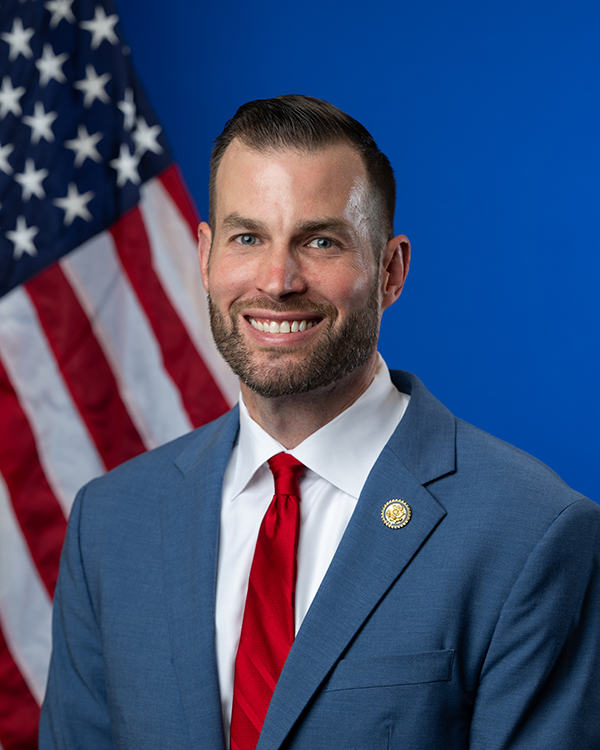
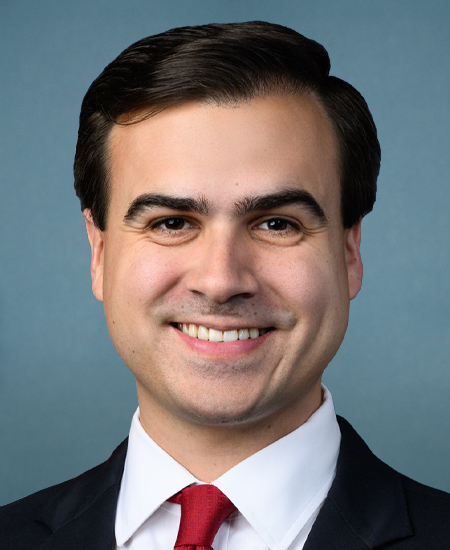
Clay Fuller
87% support rate
Top opponent
Eleanor Holmes Norton
0% support rate
Ranked legislators
10
5 support · 5 oppose
Key legislators

Who's moving budget & taxes in United States

Legislators moving budget & taxes in United States
Legislator Party Stance Support rate Decisive votes
Clay Fuller
Clay Fuller House · District 14
R
Strong +
87% 46
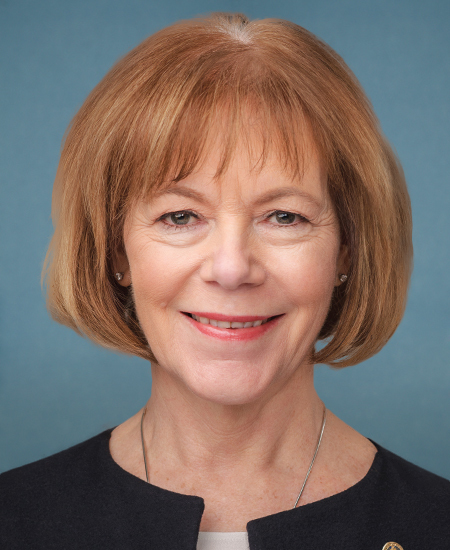
Tina Smith
Tina Smith Senate
D
Strong +
83% 77
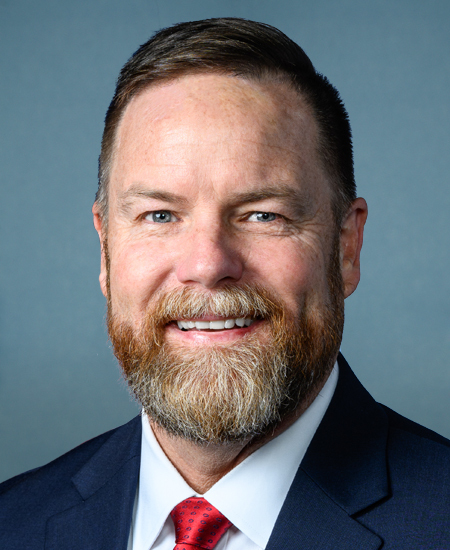
Andrew Ogles
Andrew Ogles House · District 5
R
Strong +
83% 65
Aaron Bean
Aaron Bean House · District 4
R
Strong +
83% 69
Ben Cline
Ben Cline House · District 6
R
Strong +
83% 69
Eleanor Holmes Norton
Eleanor Holmes Norton House · District At-Large
D
Strong −
0% 26
Pablo José Hernández
Pablo José Hernández House · District At-Large
D
Strong −
7% 28
Analilia Mejia
Analilia Mejia House · District 11
D
Strong −
13% 45
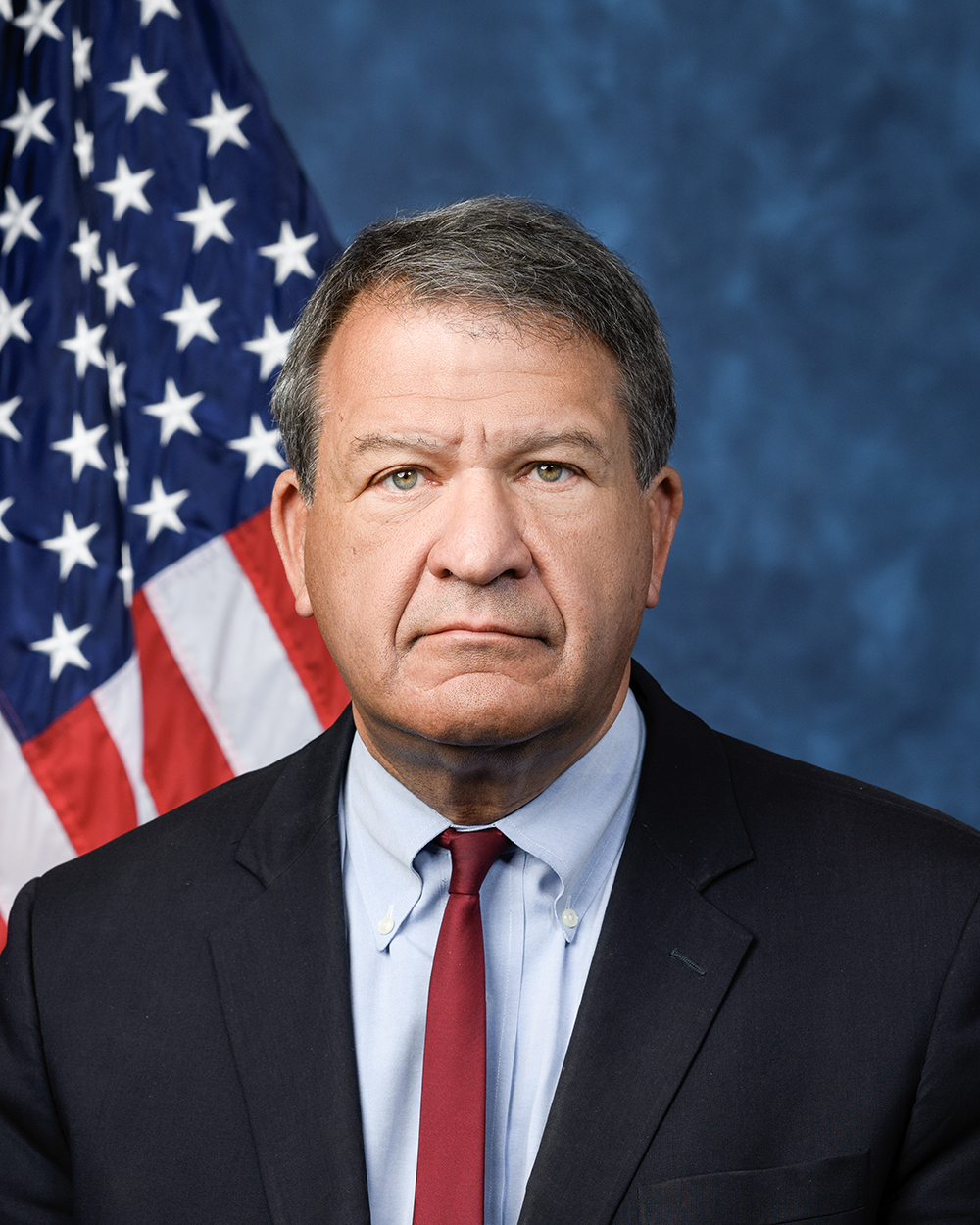
George Latimer
George Latimer House · District 16
D
Strong −
13% 67
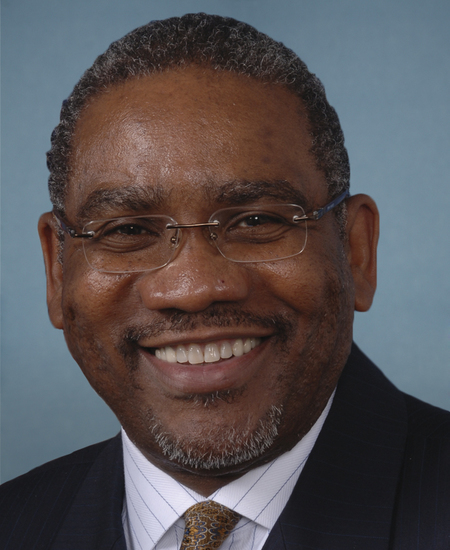
Gregory W. Meeks
Gregory W. Meeks House · District 5
D
Strong −
14% 66
Showing 271–280 of 2,101 bills

All budget & taxes bills

in committee · United States · House Jun 15, 2026

HR 9324: Government Bailout Prevention Act

This bill, known as the Government Bailout Prevention Act, prohibits the federal government from using taxpayer money or Federal Reserve funds to bail out state, local, county, or school district governments that face financial distress starting in 2026. Specifically, it bars the Treasury Department and Federal Reserve from purchasing bonds, issuing credit lines, or providing loans to any government entity that has filed for bankruptcy, defaulted on its debts, or is at risk of defaulting without federal help. The law explicitly excludes disaster relief assistance and discretionary grants from these restrictions, ensuring that emergency aid for declared disasters remains available even if a government is in financial trouble.
Sub-Topics Procurement
in committee · United States · House Jun 11, 2026

HR 9308: Tax Relief for First Responder Beneficiaries Act

The Tax Relief for First Responder Beneficiaries Act expands tax benefits for families of public safety officers who die in the line of duty. It allows surviving beneficiaries, not just dependents, to receive certain compensation without paying federal income tax, and it extends survivor annuity benefits to children or beneficiaries of life insurance policies. These changes apply to taxable years starting after December 31, 2022, ensuring broader financial support for the families of fallen first responders.
Sub-Topics Income Tax
in committee · United States · Senate Jun 10, 2026

S 4747: Stopping Fraudulent Payments Act

The Stopping Fraudulent Payments Act empowers federal agencies to temporarily pause, condition, or segment payments when there is a significant risk of fraud or financial loss to the government. This authority is triggered by specific fraud-risk indicators, notifications from state or local officials, or orders from the Treasury Department based on its Do Not Pay system. Agencies must notify payees within two days of a pause, outline the review process, and issue a final decision within 30 days, though they may allow routine portions of a payment to proceed while holding anomalous amounts. The bill also provides legal protections for government officials acting in good faith and requires the Treasury to submit annual reports on the number of paused payments and the savings generated.
in committee · United States · Senate Jun 8, 2026

S 4705: Redirecting Trump Slush Funds to Lower Food Costs Act of 2026

This bill prohibits the use of federal funds, specifically from the Judgment Fund, to pay legal settlements or provide compensation to the President or for any related commissions. It directs $1.776 billion from the Treasury to the Secretary of Agriculture to increase funding for the Supplemental Nutrition Assistance Program, commonly known as SNAP, to help lower grocery costs for eligible individuals and families. The legislation aims to redirect money previously available for presidential legal matters toward food assistance programs without advocating for either side of the political debate.
in committee · United States · House Jun 11, 2026

HR 9267: Transit Oriented Development Act of 2026

This bill creates a new tax incentive to encourage the construction and renovation of affordable housing near public transportation hubs. It directly affects developers and investors by increasing the Low-Income Housing Tax Credit for buildings located within half a mile of rail, bus, harbor, or waterway stations in high-density zones. The credit amount is boosted to 150% of the standard value, rising to 155% for projects in Hawaii, Alaska, or U.S. territories, with limits on how many areas can be designated in each region. Additionally, the bill requires the Department of Housing and Urban Development to study geographic cost-of-living differences and propose changes to how tax credit funds are distributed among states.
in committee · United States · House Jun 10, 2026

HR 9180: CDBG–DR Automated Assessment Act

This bill requires the Secretary of Housing and Urban Development to conduct automated assessments of housing damage and economic recovery needs within 60 days of a major disaster declaration and every three months thereafter. Using existing federal data, the Secretary must identify specific shortages in affordable housing and infrastructure to determine how Community Development Block Grant Disaster Recovery funds can best address unmet needs. The results of this analysis must be reported to Congress to guide the allocation of disaster relief resources.
Sub-Topics Affordable Housing Community Development Property Development Tags Emergency Management
in committee · United States · House Jun 8, 2026

HR 9177: Improving Mentorship in STEM Higher Education Act

This bill establishes a five-year demonstration program to fund projects that improve mentorship practices for faculty, graduate students, and postdoctoral researchers in science, technology, engineering, and mathematics fields. It allows the National Science Foundation to award grants to universities and nonprofit organizations for initiatives focused on building mentoring skills, training cultural competencies, and researching better mentorship methods, with special priority given to minority-serving and rural institutions. Additionally, the legislation updates reporting requirements to include institutional processes for addressing harassment, discrimination, and professional misconduct. The program is authorized to receive up to $5 million annually from fiscal years 2027 through 2031, with a requirement to report on its effectiveness after five years.
in committee · United States · House Jun 8, 2026

HR 9207: Military Pension Protection Act

The Military Pension Protection Act changes federal tax rules to exclude military pensions from taxable income. This provision directly benefits active duty service members, veterans, and their beneficiaries by ensuring these payments are not counted as gross income for tax purposes. The bill achieves this by adding a new section to the Internal Revenue Code that specifically exempts government pensions earned through military service. These tax benefits will apply to any taxable year starting after the law is enacted.
in committee · United States · House Jun 11, 2026

HR 9303: BLANKET Act

The BLANKET Act creates a new federal grant program to help states and local governments expand emergency shelter capacity during severe weather events like heat waves, cold snaps, and storms. This initiative directly affects people experiencing homelessness by providing funding for temporary warming and cooling centers, hotel vouchers, and essential supplies such as generators and medical equipment. To receive these funds, eligible entities must submit applications detailing their specific needs and plans for coordinating with local emergency services, with $750 million authorized for each fiscal year from 2027 to 2029. The legislation also requires a report to Congress five years after enactment to evaluate the program's effectiveness in reducing harm and strain on medical services.
Sub-Topics Homelessness
in committee · United States · House Jun 4, 2026

HR 9168: Complete America’s Great Trails Act

The Complete America's Great Trails Act creates a new federal tax credit to encourage private landowners to donate land or conservation easements that include National Scenic Trails. This provision allows taxpayers to claim a credit equal to the fair market value of their donation, provided the land covers a trail corridor of at least 50 feet on each side, while also preventing them from taking a separate tax deduction for the same gift. The bill permits continued recreational or agricultural use of the donated land as long as it does not harm conservation goals. Additionally, the legislation requires the Secretary of the Interior to study the credit's effectiveness and report to Congress on whether it should be made refundable or transferable within four years.
Showing 271 to 280 of 2,101 bills
Previous 1 … 27 28 29 … 211 Next