Issue · Budget & Taxes

Budget & Taxes

Every budget & taxes bill, vote, and legislator stance in United States, automatically classified by Maddy, our AI policy reader.

Total bills
2,349
119th Congress
Top supporter
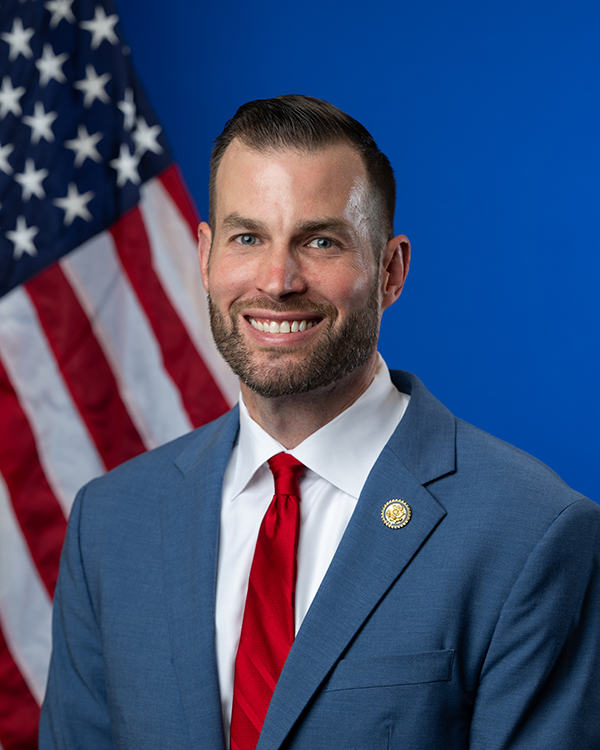
Clay Fuller
86% support rate
Top opponent
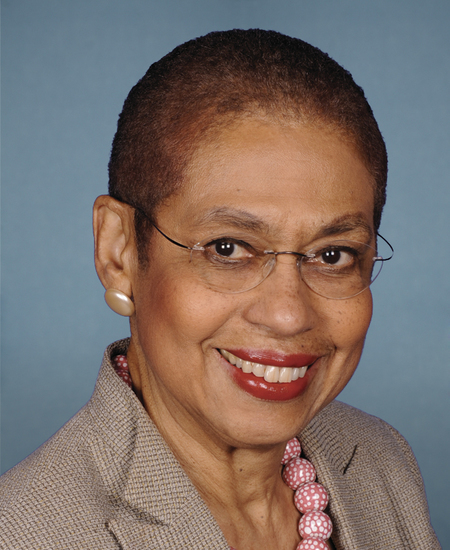
Eleanor Holmes Norton
0% support rate
Ranked legislators
10
5 support · 5 oppose
Key legislators

Who's moving budget & taxes in United States

Legislators moving budget & taxes in United States
Legislator Party Stance Support rate Votes
Clay Fuller
Clay Fuller House · District 14
R
Strong +
86% 55
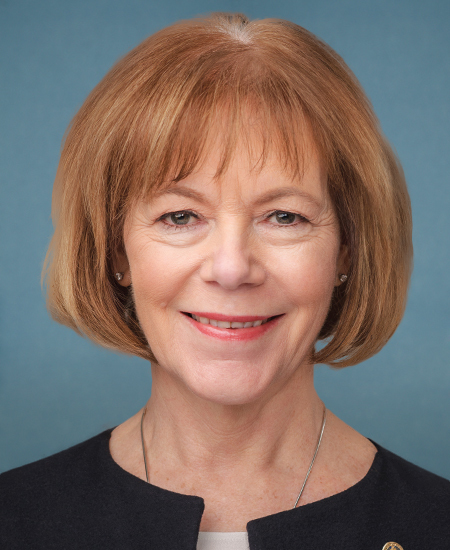
Tina Smith
Tina Smith Senate
D
Strong +
83% 251
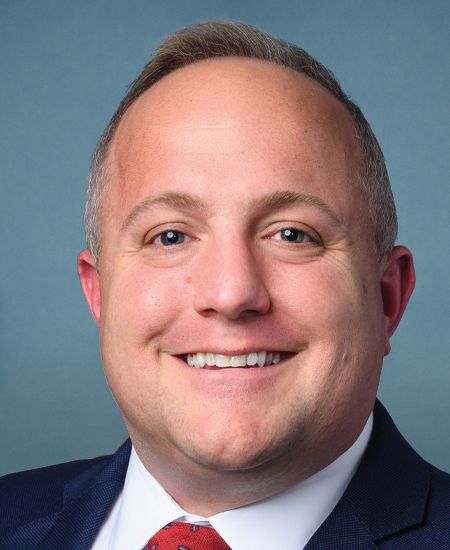
Andrew Ogles
Andrew Ogles House · District 5
R
Strong +
83% 175
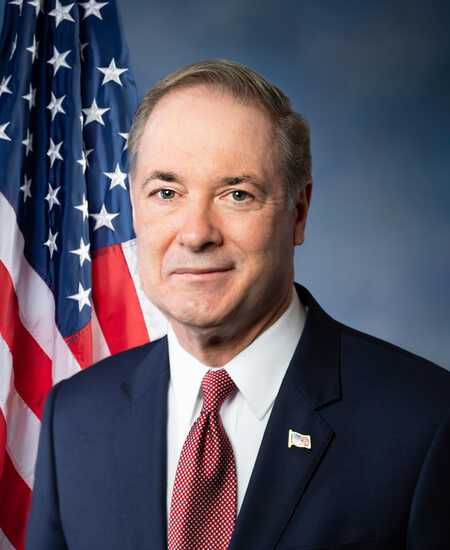
Russell Fry
Russell Fry House · District 7
R
Strong +
82% 186
John Joyce
John Joyce House · District 13
R
Strong +
82% 185
Eleanor Holmes Norton
Eleanor Holmes Norton House · District At-Large
D
Strong −
0% 46
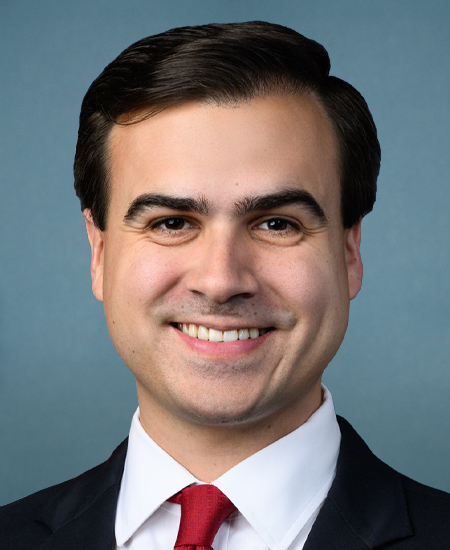
Pablo José Hernández
Pablo José Hernández House · District At-Large
D
Strong −
7% 46
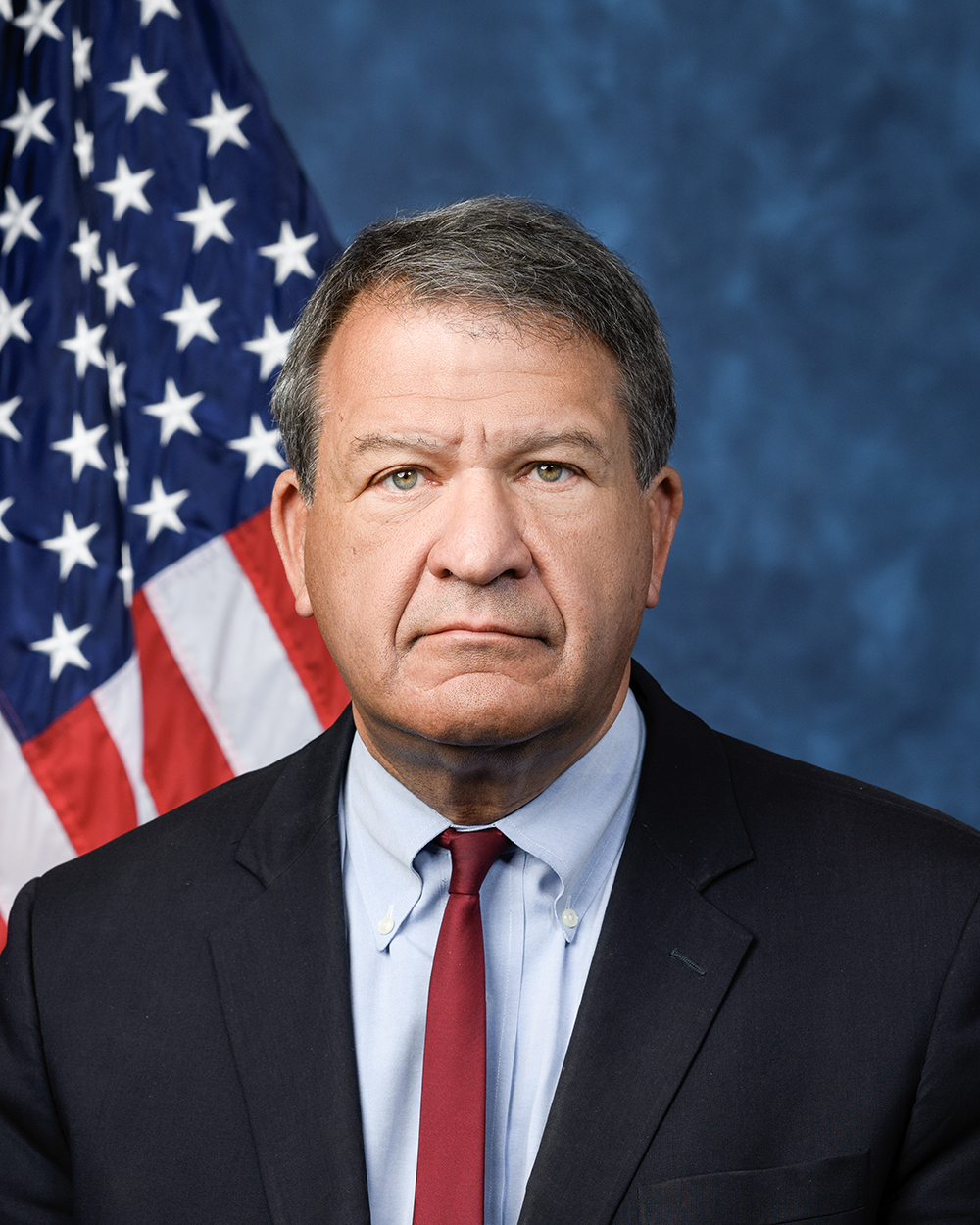
George Latimer
George Latimer House · District 16
D
Strong −
14% 181
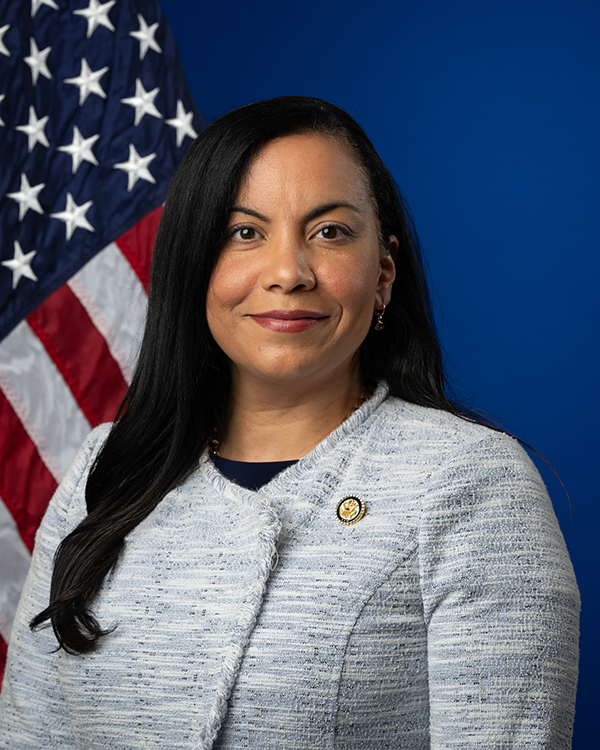
Analilia Mejia
Analilia Mejia House · District 11
D
Strong −
14% 52
Gregory W. Meeks
Gregory W. Meeks House · District 5
D
Strong −
14% 181
Showing 2,291–2,300 of 2,349 bills

All budget & taxes bills

in committee · United States · House May 29, 2025

HR 3650: Federal Gift Shop Tax Act

This bill allows states to impose a sales tax on purchases made at gift shops located on federal property, including both in-person transactions and online purchases through those shops. It applies to gift shops at specific federal facilities like the Smithsonian Institution, National Gallery of Art, and the Holocaust Memorial Museum. States would collect this tax as they do for other retail locations, treating these gift shops similarly to private businesses. The bill does not change existing tax rules for federal employees or alter federal property ownership.
Sub-Topics Sales Tax
in committee · United States · House Feb 27, 2025

HR 1705: Supporting Innovation in Agriculture Act of 2025

HR 1705 creates a new 30% federal tax credit for agricultural businesses investing in qualifying technology projects focused on specialty crop production. The credit applies to eligible equipment, software, and systems used in precision agriculture (like GPS-guided tools for efficient input use) or controlled environment agriculture (indoor farming systems with climate control and automation). Businesses can claim this credit for property placed in service after January 1, 2025, with projects needing completion by December 31, 2035. The bill specifically targets innovations that improve efficiency in growing, processing, or packaging specialty crops as defined in existing law.
in committee · United States · House Jan 9, 2025

HR 312: Restoring Vehicle Market Freedom Act of 2025

HR 312, the Restoring Vehicle Market Freedom Act of 2025, repeals five tax credits related to clean and alternative fuel vehicles from the Internal Revenue Code. Specifically, it eliminates credits for previously owned clean vehicles, alternative motor vehicles, alternative fuel refueling property, new plug-in electric vehicles, and commercial clean vehicles. This change means individuals and businesses purchasing or installing qualifying vehicles or infrastructure will no longer be eligible for these tax incentives. The repeal applies to vehicles or property acquired or placed in service after the bill's enactment date.
in committee · United States · Senate Jun 18, 2025

S 2127: Wall Street Tax Act of 2025

The Wall Street Tax Act of 2025 imposes a new transaction tax on securities trading in the U.S. It applies to purchases on U.S. exchanges or involving U.S. persons, and to derivative contracts meeting specific criteria. The tax rate starts at 0.02% for transactions in 2026-2027, gradually rising to 0.1% after 2029, based on the fair market value of the security or derivative payment. Excluded are initial security issuances and short-term debt (under 100 days). The tax is paid by exchanges, brokers, or directly by U.S. traders depending on the transaction type, effective after December 31, 2025.
in committee · United States · House Dec 1, 2025

HR 6335: Education Not Endless Scrolling Act

HR 6335, the "Education Not Endless Scrolling Act," imposes a 50% tax on large digital advertising companies (those with over $2.5 billion in annual U.S. digital ad revenue) starting in 2026. The tax revenue funds three new trust funds: one for local journalism support, one for individual tutoring programs in schools, and one for career and technical education initiatives. These trust funds will distribute one-third of the collected tax revenue to directly support journalism entities, school tutoring programs, and career education programs without requiring new annual appropriations. The bill’s key mechanism is redirecting tax revenue from major digital ad platforms to specific education and journalism programs, effective for taxes paid after December 31, 2025.
Sub-Topics Revenue
in committee · United States · House Jun 10, 2025

HR 3871: Apprenticeship Infrastructure Tax Credit Act of 2025

The Apprenticeship Infrastructure Tax Credit Act of 2025 creates a tax credit for employers hiring apprentices in infrastructure-related occupations, offering $3,000 per apprentice annually (or $6,000 for veterans, National Guard/reserve members, or military spouses). The credit applies for two consecutive tax years for apprentices enrolled in registered programs meeting federal standards, with a total cap of $5 billion. It specifies infrastructure occupations including construction, installation/maintenance, production, and IT roles, requiring employers to verify apprentices are new hires reported via W-2, not 1099 contractors. The Department of Labor will issue eligibility certificates to employers based on program data, and credits will be tracked and reported annually to ensure the $5 billion cap is not exceeded.
in committee · United States · House Apr 1, 2025

HR 2547: Secure Family Futures Act of 2025

This bill, titled "Secure Family Futures Act of 2025" but actually focused on tax code changes, primarily affects a specific subset of insurance companies. It amends the Internal Revenue Code to exclude certain debts (like bonds or notes) held by these companies from being counted as capital assets (Section 2), and extends their capital loss carryover period to 10 years for losses from foreign expropriation or losses incurred by these companies (Section 3). The changes apply to debts acquired and losses arising after December 31, 2025. The bill's title is misleading, as it does not relate to family policy but is a technical tax amendment targeting defined insurance industry entities.
in committee · United States · Senate Mar 25, 2026

SJRES 107: A joint resolution providing for congressional disapproval under chapter 8 of title 5, United States Code, of the rule submitted by the Internal Revenue Service relating to "Beginning of Construction Requirements for Purposes of the Termination of Clean Electricity Production Credits and Clean Electricity Investment Credits for Applicable Wind and Solar Facilities".

This bill (SJRES 107) seeks congressional disapproval of an Internal Revenue Service (IRS) rule that sets requirements for when construction must begin on wind and solar facilities to qualify for federal tax credits. The rule, IRS Notice 2025-42, would have determined how developers meet "beginning of construction" criteria to maintain eligibility for clean energy production and investment tax credits. If passed, this resolution would block the IRS rule from taking effect, directly affecting wind and solar project developers who rely on these tax credits. The bill does not create new policy but halts an existing regulatory requirement under federal law.
Sub-Topics Renewable Energy Solar
in committee · United States · Senate Jan 15, 2026

S 3652: Welfare Fraud Deterrence and Recovery Act of 2026

S 3652 increases criminal penalties for welfare fraud to up to 15 years in prison, with steeper sentences for noncitizens and cases exceeding $100,000 in fraudulent benefits. It creates a Welfare Fraud Recovery Task Force to investigate fraud in federal welfare programs (like SNAP and child care grants), pursue civil penalties (including triple damages and fines up to $20,000), and recover funds for program reimbursement. Noncitizens convicted of welfare fraud face deportation, expedited removal, and potential loss of citizenship through denaturalization. Recovered funds would be deposited into a new Treasury fund managed by the Department of Health and Human Services to offset program losses and support fraud prevention.
in committee · United States · House Jan 3, 2025

HJRES 10: Proposing a balanced budget amendment to the Constitution of the United States.

This joint resolution proposes a constitutional amendment prohibiting total outlays for a fiscal year from exceeding total receipts for that fiscal year unless Congress authorizes the excess by a three-fifths roll call vote of each chamber. The prohibition excludes outlays for repayment of debt principal and receipts derived from borrowing. The amendment requires a three-fifths roll call vote of each chamber to increase the public debt limit. It prohibits a bill to increase revenue from becoming law unless it has been approved by a majority roll call vote of each chamber. The amendment also requires the President to submit an annual budget in which total outlays do not exceed total receipts. Congress may waive these requirements due to a declaration of war or a military conflict that causes an imminent and serious military threat to national security.
Sub-Topics State Budget
Showing 2,291 to 2,300 of 2,349 bills