Issue · Budget & Taxes

Budget & Taxes

Every budget & taxes bill, vote, and legislator stance in United States, automatically classified by Maddy, our AI policy reader.

Total bills
310
119th Congress
Top supporter
Clay Fuller
87% support rate
Top opponent
Eleanor Holmes Norton
0% support rate
Ranked legislators
10
5 support · 5 oppose
Key legislators

Who's moving budget & taxes in United States

Legislators moving budget & taxes in United States
Legislator Party Stance Support rate Decisive votes
Clay Fuller
Clay Fuller House · District 14
R
Strong +
87% 46
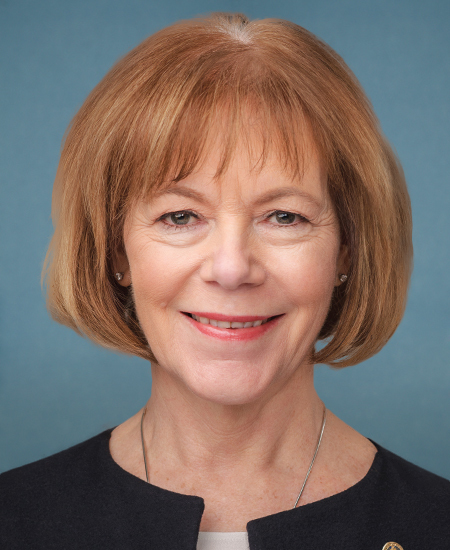
Tina Smith
Tina Smith Senate
D
Strong +
83% 77
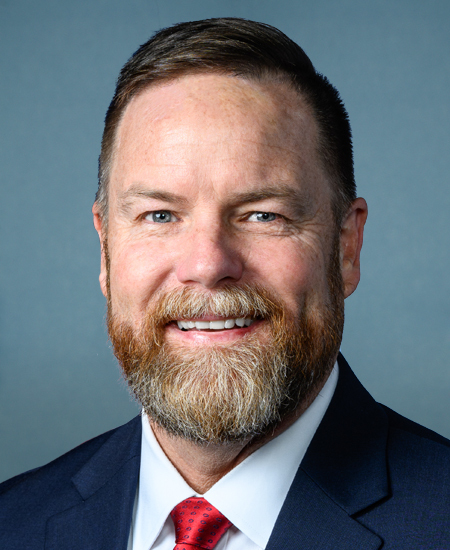
Andrew Ogles
Andrew Ogles House · District 5
R
Strong +
83% 65
Aaron Bean
Aaron Bean House · District 4
R
Strong +
83% 69
Ben Cline
Ben Cline House · District 6
R
Strong +
83% 69
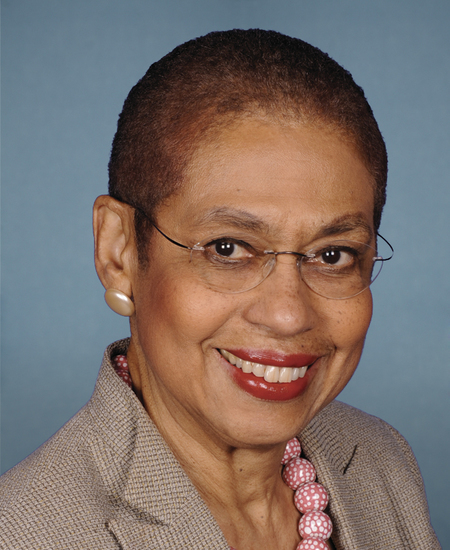
Eleanor Holmes Norton
Eleanor Holmes Norton House · District At-Large
D
Strong −
0% 26
Pablo José Hernández
Pablo José Hernández House · District At-Large
D
Strong −
7% 28
Analilia Mejia
Analilia Mejia House · District 11
D
Strong −
13% 45
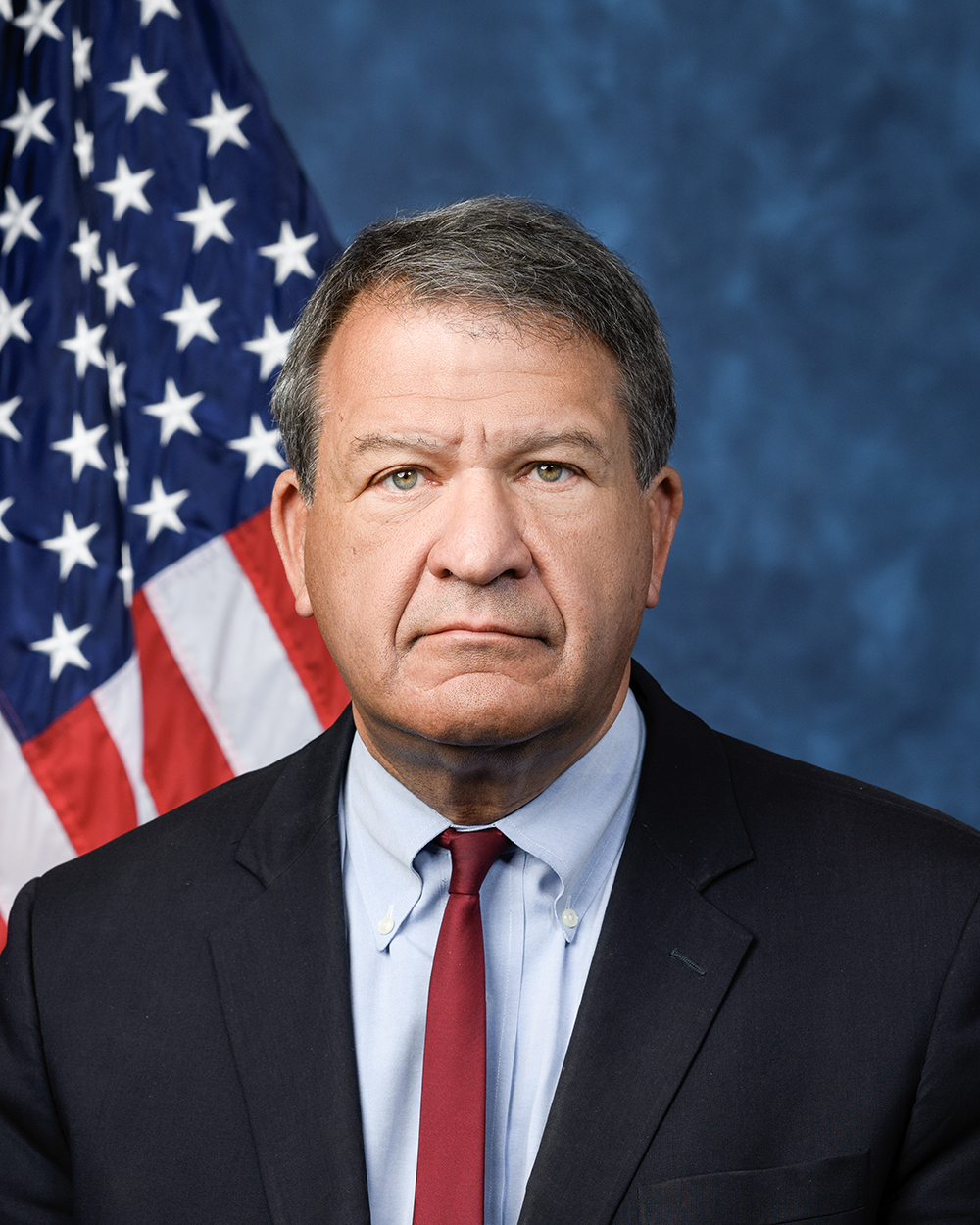
George Latimer
George Latimer House · District 16
D
Strong −
13% 67
Gregory W. Meeks
Gregory W. Meeks House · District 5
D
Strong −
14% 66
Showing 171–180 of 310 bills

All budget & taxes bills

in committee · United States · House Aug 12, 2025

HR 4968: Protecting and Preserving Social Security Act

This bill would change how Social Security cost-of-living adjustments are calculated by creating a new Consumer Price Index for Elderly Consumers (CPI-E) that tracks spending patterns specific to seniors aged 62 and older. It would also modify tax calculations for high earners by applying declining percentages of income above the Social Security tax cap (from 86% in 2026 down to 0% after 2031) for both wages and self-employment income. Additionally, the bill would adjust benefit calculations to include "surplus earnings" above the tax cap for individuals with high lifetime earnings. These changes would primarily affect Social Security beneficiaries and high-earning workers, particularly those becoming eligible for benefits after 2025.
Tags Seniors
in committee · United States · House Oct 14, 2025

HR 5754: Government Accountability Office District of Columbia Home Rule Act

This bill repeals federal laws that gave the Government Accountability Office (GAO) oversight authority over the District of Columbia government. It removes the District from GAO's annual audit requirements, reporting obligations to Congress, and evaluations of District programs. The bill also deletes DC-specific reporting duties from the District's Home Rule Act, including provisions requiring the mayor to address GAO recommendations. These changes directly affect the District government by eliminating federal oversight mechanisms previously applied to its operations.
in committee · United States · House Aug 1, 2025

HR 4840: CREATE Act

The CREATE Act increases tax credit limits for film and television productions, raising the annual spending cap from $15 million to $30 million for qualified productions and adjusting related thresholds from $20 million to $40 million. It adds an annual inflation adjustment mechanism to these limits starting in 2026, automatically increasing them based on the cost-of-living index. The bill extends the program's expiration date from December 31, 2025, to December 31, 2030. This directly affects producers of eligible entertainment projects by expanding available tax credits and providing long-term stability for the industry. The changes apply to productions starting in taxable years ending after December 31, 2025.
in committee · United States · House Sep 26, 2025

HR 5595: Requiring Excise for Migrant Income Transfers Act” or the “REMIT Act.

HR 5595, the REMIT Act, increases the tax on money sent abroad (remittance transfers) from 1% to 15% for most senders. It creates an exception for U.S. citizens and nationals using "qualified" money transfer companies that verify sender status, allowing them to claim a refundable tax credit for the 15% tax paid. Money transfer companies must report sender details (including Social Security numbers) to the IRS for transactions where senders claim the credit. The law directly affects U.S. citizens sending money overseas and requires participating companies to verify senders and submit detailed reporting to the IRS.
Sub-Topics Tax Credits
in committee · United States · House Dec 3, 2025

HR 6414: CARE Act of 2025

The CARE Act of 2025 limits refugee resettlement by prohibiting the U.S. government from resettling refugees in any state or locality that has formally disapproved resettlement through its governor, state legislature, or local government officials. It amends the Immigration and Nationality Act to block resettlement funding in jurisdictions with such formal disapproval actions during any fiscal year. The bill directly affects refugees seeking resettlement and state/local governments that take formal opposition to refugee arrivals. Key provisions require explicit disapproval by elected officials at the state or local level to restrict resettlement, without exceptions for federal oversight. This policy change creates a new administrative barrier to refugee resettlement based on local political decisions.
in committee · United States · House Nov 7, 2025

HR 5960: Territorial De Minimis Exemption Act

This bill maintains a $800 duty-free limit for small shipments (de minimis shipments) from specific U.S. territories into the mainland United States. It directly affects residents and businesses in the U.S. Virgin Islands, Guam, the Northern Mariana Islands, and American Samoa, allowing them to import goods valued under $800 per day without paying import duties or taxes. The law prohibits splitting orders to bypass the $800 limit and requires the Treasury Secretary to implement this rule consistently with pre-January 2025 practices. It also adds the Northern Mariana Islands to an existing exemption for bona fide gifts and mandates consultation on trade policies that could harm territory commerce.
in committee · United States · House Dec 11, 2025

HR 6608: SHIELD Act of 2025

The SHIELD Act of 2025 withholds federal funding from states or local governments that arrest, detain, or prosecute federal officers for lawful immigration enforcement actions. It directly affects jurisdictions (like cities or counties) that interfere with federal immigration enforcement, such as by blocking ICE operations. The law requires the Attorney General and DHS to determine violations, then blocks all federal grants and contracts for the affected jurisdiction during the fiscal year. Funding withheld is reallocated to compliant jurisdictions, and restoration requires written assurances that interference will stop.
in committee · United States · House Oct 31, 2025

HR 5888: UNtaxed Act

HR 5888, the UNtaxed Act, prohibits the United Nations or its affiliated bodies from imposing taxes, tariffs, or fees on U.S. citizens or companies without a Senate-approved agreement. It also blocks U.S. funding for any United Nations activities related to implementing or enforcing a global carbon tax, which is defined as a tax on vessel emissions under a worldwide fuel system. The bill directly affects U.S. businesses and citizens who might face UN levies, and it restricts federal resources from supporting international carbon tax initiatives. This legislation aims to prevent unilateral UN taxation and funding of carbon-related policies without congressional oversight.
in committee · United States · House Dec 4, 2025

HR 6455: Health Insurance Premium Fairness Act of 2025

This bill changes how the government calculates health insurance tax credits under the Affordable Care Act. It allows households with Medicare coverage to subtract Medicare premiums paid by family members (including Parts A, B, C, D, and supplemental policies) from the tax credit amount they receive. This affects people who qualify for premium tax credits and have household members enrolled in Medicare. The adjustment reduces the credit amount but cannot make it negative, and applies to coverage months starting after December 2025.
in committee · United States · House Mar 26, 2026

HR 7605: African Development Foundation Termination Act of 2026

HR 7605, the African Development Foundation Termination Act of 2026, abolishes the U.S. African Development Foundation (ADF) 120 days after enactment. The bill requires the Foundation to cease all new grants, loans, or agreements immediately, wind down operations within 120 days, and transfer all remaining funds to the Treasury’s general fund and assets/records to the Department of State for managing existing multi-year grants until completion. It also repeals the law creating the ADF (the African Development Foundation Act) and mandates a report to Congress for technical adjustments to the U.S. Code. This directly affects the ADF’s operations, employees (who would face reductions in force), and current grant recipients whose projects continue under State Department oversight.
Sub-Topics State Budget
Showing 171 to 180 of 310 bills
Previous 1 … 17 18 19 … 31 Next