Maddy summaryThis bill requires the Department of Defense to promote competition when purchasing artificial intelligence, cloud computing, and data infrastructure services by mandating competitive award processes and prioritizing multi-cloud technology. It defines covered providers as companies with at least $50 million in DoD contracts over five years and restricts how these vendors can use government-provided data, prohibiting unauthorized use for training commercial products. The legislation also establishes annual reporting requirements to Congress on market competition and innovation in the AI sector, including details on any exemptions granted for national security reasons.
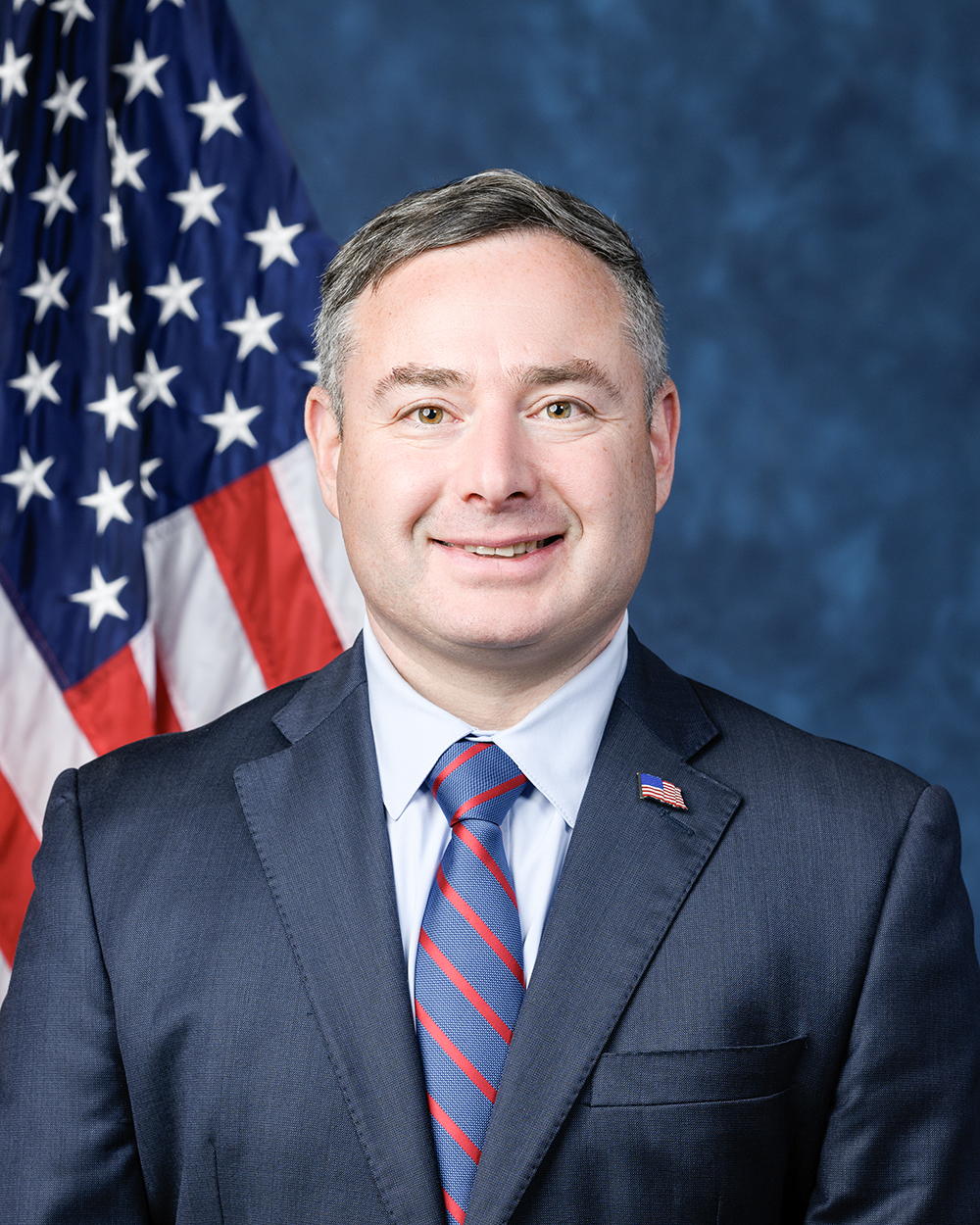
Rep. Eugene Simon Vindman
Sponsored bills
Maddy summaryThis bill clarifies that the President has no constitutional authority to withhold funds Congress has appropriated. It creates new legal mechanisms allowing private citizens and state/local governments to sue the federal government for impoundments of appropriated funds. The bill strengthens the Comptroller General's oversight role by requiring executive branch cooperation in investigations of potential violations. Federal employees who knowingly violate these provisions would face personal liability and lose immunity protections. The legislation aims to reinforce Congress's constitutional authority over the budget process.
Maddy summaryThe Strong Communities Act of 2025 creates a new grant program under the COPS Office to fund law enforcement training. It provides competitive grants to local police departments for officers and recruits to attend training at eligible partner organizations (like colleges or police agencies), requiring them to work full-time in their home communities for at least 4 years after training. Recruits must live within 7 miles (or 20 miles in small counties) of their residence for 5+ years to qualify, and must repay benefits if they don’t complete the service. The program requires annual transparency reports detailing grant recipients, training participants, and retention rates.
Maddy summaryHRES 410 is a non-binding House resolution requiring President Trump to comply with the Constitution’s Foreign Emoluments Clause regarding a $400 million Boeing 747-8 jet gift from Qatar’s royal family. It directs the President to immediately submit all plans for the aircraft to Congress and obtain explicit congressional consent before accepting it, as required by the Constitution. The resolution cites historical precedent where all prior presidents sought Congress’s approval for foreign gifts, including items like medals, horses, and the Statue of Liberty. It emphasizes that accepting the jet without consent would violate the Constitution and pose national security risks. The bill focuses solely on procedural compliance, not the merits of the gift itself.
Maddy summaryHR 3392, the STOP Screwworms Act, requires the U.S. Department of Agriculture to build modular facilities for rearing sterile New World screwworm flies within 180 days of enactment. These facilities will disperse sterile flies into at-risk agricultural areas - identified based on migratory patterns and suitability for dispersal - to prevent infestations that threaten livestock. The bill authorizes $300 million in funding for construction, operation, and annual reporting to Congress on threat assessments and effectiveness. It directly affects livestock producers and agricultural regions vulnerable to screwworm fly migration, using sterile insect technique as a preventive measure.
Maddy summaryHR 3418, the Historic Preservation Fund Reauthorization Act, extends the federal Historic Preservation Fund through 2035 and increases its annual funding from $150 million to $250 million. This bill directly affects historic preservation programs nationwide, including state and local grants for protecting historic sites and buildings. The key provision updates the funding levels and duration in existing law (54 U.S. Code § 303102), ensuring continued support for preservation efforts. The change maintains current program operations without creating new requirements or altering eligibility.
Maddy summaryHR 3417, the Websites and Software Applications Accessibility Act of 2025, requires websites and applications used by covered entities - including businesses, government agencies, and public accommodations - to be accessible to people with disabilities. The bill mandates the Department of Justice and Equal Employment Opportunity Commission to establish accessibility standards within 24 months, with different compliance timelines for small businesses (2-3 years) versus larger entities (30 days). It includes provisions for technical assistance, grants to help small entities remediate inaccessible websites, and enforcement mechanisms to address violations. The law aims to ensure people with disabilities can access the same information, services, and transactions online as people without disabilities. Commercial providers who develop websites or applications for covered entities must also ensure their products meet accessibility standards.
Maddy summaryThe Racehorse Health and Safety Act of 2025 replaces the 2020 Horseracing Integrity and Safety Act with a new framework for horse racing safety and medication control. The bill establishes a Racehorse Health and Safety Organization (RHSO) to coordinate safety rules across states, with breed-specific committees for Thoroughbreds, Standardbreds, and Quarter Horses to develop medication control and safety protocols. It creates new rules prohibiting certain medications, mandates track safety standards, and establishes procedures for handling violations, including administrative sanctions and disciplinary processes. The law requires states to join an interstate compact to participate in the new system, with states that don't join prohibited from allowing interstate wagering on races. This legislation directly affects all entities involved in horse racing, including owners, trainers, veterinarians, racetracks, and breed associations across the country.
Maddy summaryHR 3349, the Healthy Dog Importation Act, requires importers to provide electronic health documentation before bringing dogs into the U.S., including proof of vaccinations, parasite treatment, health status, and permanent identification. It directly affects importers and import transporters who move dogs across borders, mandating these requirements for all dogs except specific exceptions like returning U.S. military working dogs or dogs under veterinary care. Key mechanisms include a centralized database for tracking health certificates, annual reporting on import origins and purposes, and penalties for noncompliance. The bill also establishes a 18-month timeline for implementing regulations and repeals outdated importation rules under the Animal Welfare Act.
Maddy summaryHR 3353, the Lieutenant Osvaldo Albarati Stopping Prison Contraband Act, increases penalties for providing prohibited items like phones to prisoners in federal custody, imposing up to two years in prison for violations involving such items. The bill requires the Bureau of Prisons to review and update its policies within one year of enactment to better address contraband possession by inmates, aiming to improve safety for both incarcerated individuals and staff. It specifically amends federal law to clarify penalties for trafficking prohibited objects, including phones, under Section 1791 of Title 18. The legislation directly affects federal prison operations, inmates, and staff by targeting contraband trafficking and mandating policy reforms.