Maddy summaryThis bill creates a new loan forgiveness program for public service workers with federal student loans taken out after its enactment. It provides 15% forgiveness after 24 months of qualifying public service employment, with additional 15% increments at 48, 72, and 96 months, totaling 100% forgiveness after 120 months (10 years) of service. Only borrowers with new federal Direct Loans made after the bill passes qualify, and the bill simplifies employment certification through self-certification forms or automatic verification. Interest accrued during the application process is also canceled.
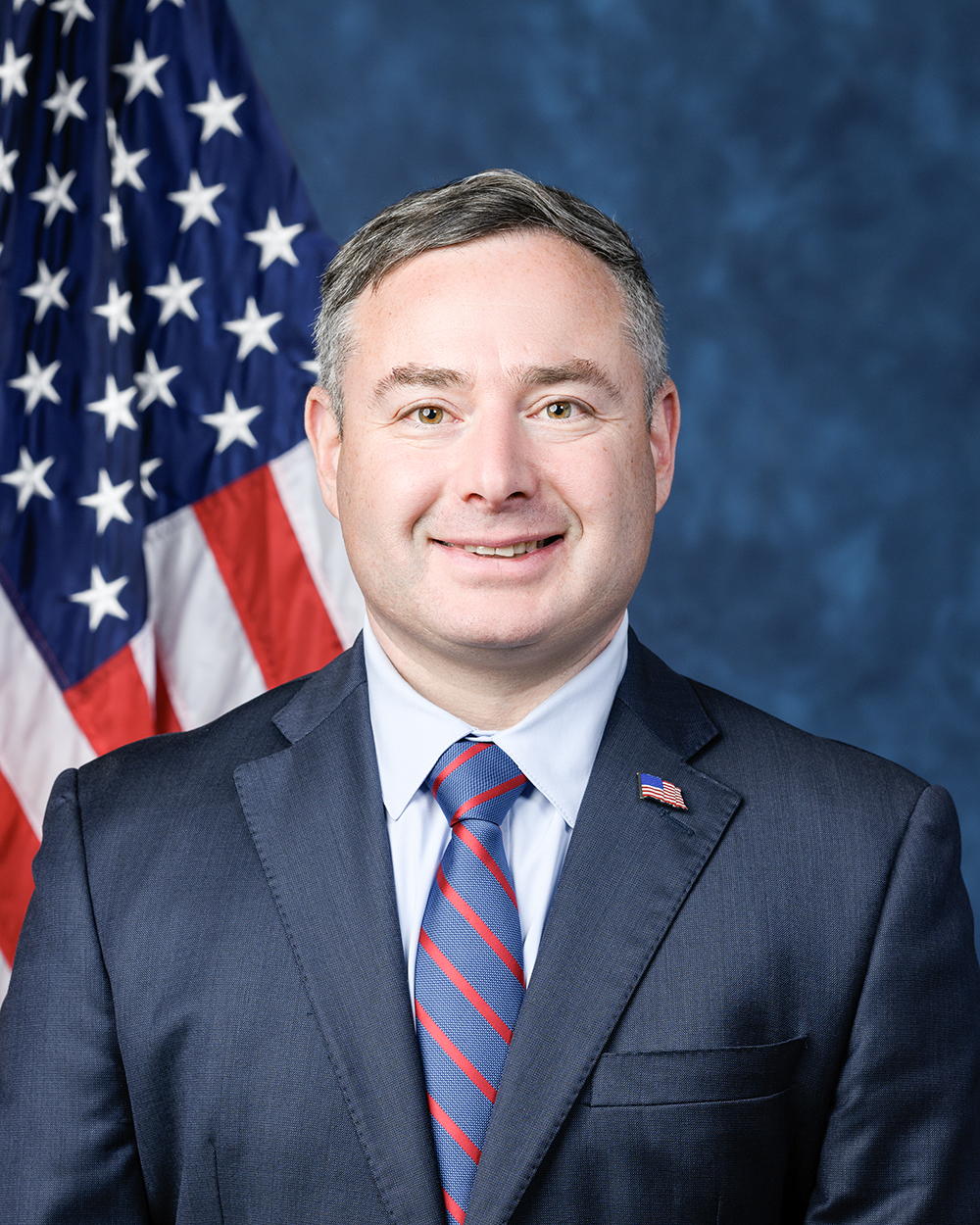
Rep. Eugene Simon Vindman
Sponsored bills
Maddy summaryThis bill requires health plans and insurance to cover prenatal services (like ultrasounds and doctor visits) without additional out-of-pocket costs if a miscarriage or stillbirth occurs before a birth-related bundled payment is made. It directly affects families who experience pregnancy loss, preventing them from being charged extra deductibles, copays, or coinsurance for prenatal care received prior to the loss. The key provision states that cost-sharing for these prenatal services cannot exceed what would have applied if the birth had occurred normally. The rule applies to plans covering bundled birth payments and takes effect for plan years starting January 1, 2027.
Maddy summaryThis bill requires the Secretary of Housing and Urban Development to review Federal Housing Administration (FHA) construction financing programs for barriers preventing modular home developers from participating. The review will identify issues like payment timing during construction (draw schedules) and recommend changes to simplify access. Within one year, HUD must publish a report with these findings and potential policy adjustments. If changes are recommended, HUD would then propose a new payment schedule for modular home projects through a public comment process. The bill does not immediately change programs but sets a process to address existing obstacles for developers of modular homes.
Maddy summaryThis bill expands Medicare coverage to include genetic counseling services provided by licensed or certified genetic counselors, effective January 1, 2027. It defines "covered genetic counseling services" as those furnished by qualified counselors under state law or certification, with payments set at 80% of the lesser of the actual charge or 85% of the physician fee schedule. Medicare beneficiaries seeking genetic counseling will gain access to these services through covered providers, while preventing balance billing for these specific services. The bill does not restrict physicians from billing for similar services under existing Medicare rules.
Maddy summaryThis bill directs the U.S. Secretary of State to develop a strategy advocating for Taiwan's membership or observer status in Interpol and to formally request it on Taiwan's behalf. It requires the U.S. to work with Interpol member states to support Taiwan's participation, addressing Taiwan's current lack of access to Interpol's global communications system (I-24/7) for crime-fighting coordination. The bill mandates a 90-day report to Congress detailing this strategy and the U.S. efforts to secure Taiwan's inclusion in Interpol and other international organizations.
Maddy summaryThis bill corrects an error in the distribution of funds to specific 9/11-related claimants. It ensures "Havlish Settling Judgment Creditors" (a group who settled claims through a 2014 court case related to the 9/11 attacks) receive funds previously withheld from them and can participate in future payments like other eligible claimants. The key mechanism releases all withheld funds held in escrow for these creditors and explicitly states they are eligible for future payments under the same rules as other claimants. The changes apply retroactively from December 29, 2022.
Maddy summaryHR 6255, the Affordable Insulin Now Act, requires health insurance plans (including employer-sponsored and individual plans) to cover specific insulin products starting in 2026. It caps out-of-pocket costs for these insulin products at $35 per 30-day supply or 25% of the negotiated price, whichever is lower, with no deductibles applied. The bill defines "selected insulin products" to include at least one of each dosage form (like vials or pumps) and type (such as rapid-acting or long-acting) available from the plan. This directly affects people with diabetes who rely on insulin, ensuring more predictable and affordable access to essential medications under their health coverage.
Maddy summaryThis bill directs the Health and Human Services Secretary to study federal, state, and private programs supporting job training and apprenticeships for current and former foster youth, evaluating effectiveness, gaps, and barriers. It then establishes the "Fostering the Future Pipeline Program" to provide competitive grants to states, schools, employers, and nonprofits for expanding industry-aligned training in high-demand fields like healthcare and IT, with a $50 million annual funding limit. The bill also amends existing foster care funding to allow education vouchers to cover short-term career programs, such as registered apprenticeships and certificate courses. These changes directly affect foster youth transitioning to adulthood by improving access to career pathways and workforce opportunities.
Maddy summaryThe ADOPT Act of 2025 creates federal offenses to prevent exploitation in private domestic interstate adoptions. It prohibits unlicensed groups from acting as intermediaries between birth parents and adoptive parents, restricts certain adoption advertising, and caps payments to birth parents at $2,500 before consulting a licensed agency or attorney. The bill directly affects unlicensed adoption facilitators, birth parents, and prospective adoptive parents by requiring all adoption services to occur through licensed providers or exempt entities like attorneys and nonprofit agencies. Violations carry fines up to $100,000 for organizations or $50,000 plus 5 years in prison for individuals, with exemptions for public agencies, licensed child-placing organizations, and attorneys.
Maddy summaryThis bill modifies eligibility rules for two federal loan programs (TIFIA and RRIF) to better accommodate residential and mixed-use development projects. It requires that such projects meet creditworthiness standards jointly determined by the Transportation and Housing and Urban Development secretaries, ensuring standards protect program finances while aligning with HUD's existing housing requirements. The changes apply to projects seeking loans under these programs after a 180-day effective date. The bill does not create new funding but adjusts how housing projects qualify for existing federal loan assistance.