Issue · Labor & Employment

Labor & Employment

Every labor & employment bill, vote, and legislator stance in Tennessee, automatically classified by Maddy, our AI policy reader.

Total bills
145
119th Congress
Top supporter
Marsha Blackburn
67% support rate
Top opponent
John W. Rose
33% support rate
Ranked legislators
8
3 support · 5 oppose
Key legislators

Who's moving labor & employment in Tennessee

Legislators moving labor & employment in Tennessee
Legislator Party Stance Support rate Votes
Marsha Blackburn
Marsha Blackburn Senate
R
Support
67% 189
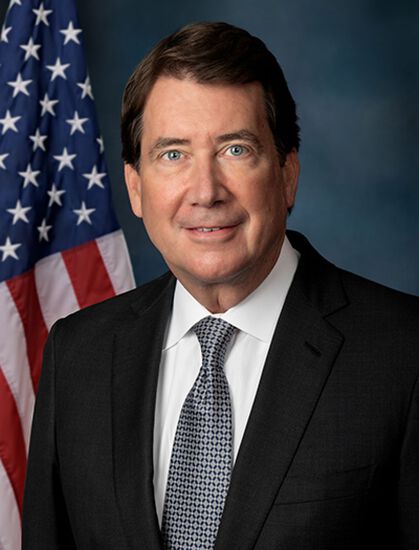
Bill Hagerty
Bill Hagerty Senate
R
Support
62% 207
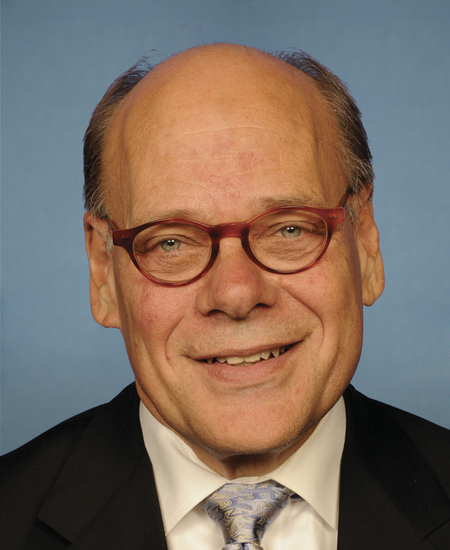
Steve Cohen
Steve Cohen House · District 9
D
Support
62% 192
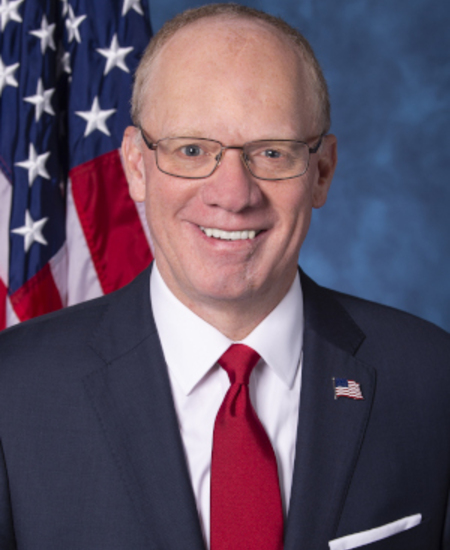
John W. Rose
John W. Rose House · District 6
R
Oppose
33% 186
Matt Van Epps
Matt Van Epps House · District 7
R
Oppose
33% 121
Andrew Ogles
Andrew Ogles House · District 5
R
Oppose
38% 185
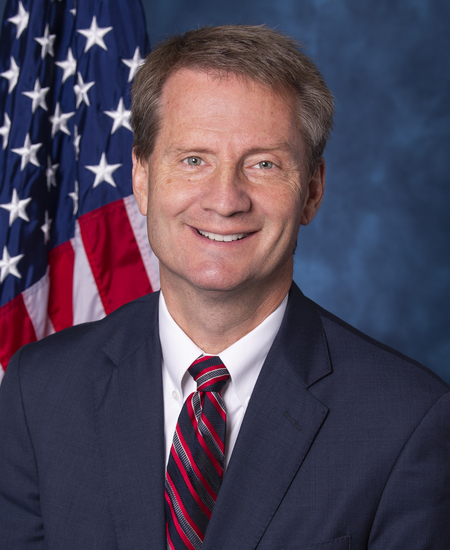
Tim Burchett
Tim Burchett House · District 2
R
Oppose
38% 198
Diana Harshbarger
Diana Harshbarger House · District 1
R
Oppose
38% 195
Showing 1–10 of 145 bills

All labor & employment bills

in committee · United States · House Jul 13, 2026

HRES 1427: Expressing support for the designation of July 10th as Journeyman Lineworkers Recognition Day.

This resolution expresses support for designating July 10th as Journeyman Lineworkers Recognition Day to honor the workers who maintain the nation's electrical grid. The bill specifically recognizes the dangerous conditions these employees face, such as working at heights near live power lines and responding to disasters like hurricanes and wildfires. It also commemorates Henry Miller, the first president of the International Brotherhood of Electrical Workers, who died on July 10, 1896, while performing his duties. Ultimately, the measure encourages the public to observe this day with reflection on the contributions of lineworkers.
Sub-Topics Apprenticeships
in committee · United States · Senate Jul 15, 2026

S 4994: ONSHORE Manufacturing Act

The ONSHORE Manufacturing Act creates three new tax credits to financially encourage the domestic production of essential medical supplies and equipment. The first credit provides a percentage of a company's taxable income based on wages paid to workers manufacturing specific drugs, devices, and ingredients listed as critical for national security or defense. The second and third credits offer tax breaks for businesses that purchase and install advanced machinery or environmental compliance equipment used to produce these same medical products within the United States. These incentives are designed to support companies that manufacture specified medical goods in whole or significant part domestically, with the benefits applying to taxable years beginning after December 31, 2026. Additionally, the bill requires several federal agencies to submit annual reports to Congress starting in 2027 to track how these credits affect supply chain resiliency and adherence to domestic procurement laws.
Sub-Topics Procurement
in committee · United States · House Jul 2, 2026

HR 9571: Living Wage for Federal Contractors Act

The Living Wage for Federal Contractors Act mandates that employees working on federal contracts receive a basic hourly wage that starts at $17.00 and increases annually to $25.00, with future adjustments tied to inflation. This requirement applies to all workers performing services or labor on federal contracts, including those at any subcontracting tier, while offering a slightly lower initial rate for tipped employees. To enforce compliance, the bill allows the government to terminate contracts for wage violations, requires contractors to repay double the amount of unpaid wages, and prohibits future contract awards to firms repeatedly found in violation. Additionally, the legislation updates existing wage standards under the Davis-Bacon and Service Contract Acts to ensure they align with the new federal living wage floor.
Sub-Topics Minimum Wage
in committee · United States · House Jun 30, 2026

HR 9535: Securing Agriculture's Workforce Act of 2026

The Securing Agriculture's Workforce Act of 2026 modernizes the H-2A visa program by transferring administrative authority to the Department of Homeland Security and introducing a unified online platform to streamline applications for employers and workers. Key provisions include establishing new housing standards with mandatory inspections, creating a system for staggered worker entry and exit, and allowing workers to transfer between employers without losing their status. The bill also defines specific job classifications for wage calculations, expands the scope of covered agricultural activities, and provides legal protections for employers who document the employment of workers seeking visa status. Additionally, it requires agencies to develop a heat illness prevention plan and allows for contract termination due to natural disasters.
in committee · United States · Senate Jun 16, 2026

S 4793: Foreign-Trade Zone Export Enhancement Act of 2026

The Foreign-Trade Zone Export Enhancement Act of 2026 aims to support U.S. manufacturing and job creation by allowing specific goods to enter foreign-trade zones without paying import duties. This change applies to items classified under a specific tariff heading that are manufactured or altered within these zones and then exported directly to countries in the USMCA trade agreement. To put this into effect, U.S. Customs and Border Protection must issue new regulations within 90 days of the bill becoming law.
in committee · United States · House Jun 26, 2026

HR 9261: Comprehensive Paid Leave for Federal Employees Act

The Comprehensive Paid Leave for Federal Employees Act expands paid family and medical leave benefits for federal workers, including those in the Executive Office of the President, the Postal Service, and the District of Columbia courts. Key provisions increase the standard leave entitlement to 12 weeks plus any accrued annual or sick leave, while also extending coverage to include pregnancy loss, fertility issues, and failed adoptions. The bill specifically adds a new category of leave allowing employees to take time off to address the needs of family members who are victims of dating violence, domestic violence, sexual assault, stalking, or sex trafficking. To fund this expanded coverage, the legislation requires employees to agree to work for a period equal to the time taken off, with exceptions made for death or serious health conditions.
Sub-Topics Paid Leave
in committee · United States · House Jun 9, 2026

HR 9216: Double the Wage for Overtime Act of 2026

This bill, known as the Double the Wage for Overtime Act of 2026, aims to change how overtime pay is calculated for employees covered by the Fair Labor Standards Act. It directly affects workers who currently earn less than $23,660 annually, as it would require employers to pay them two times their regular hourly rate instead of one and a half times for hours worked beyond 40 in a week. The law takes effect 180 days after it is signed, ensuring a transition period before the new pay requirements begin. By raising the overtime multiplier, the legislation seeks to increase earnings for hourly workers who work extra hours.
in committee · United States · House Jun 10, 2026

HR 9253: Protect Working Musicians Act of 2026

The Protect Working Musicians Act of 2026 allows independent musicians and small music businesses to collectively negotiate licensing terms with large online music platforms without facing antitrust lawsuits. This protection applies specifically to creators who earn less than $1 million in licensing revenue or qualify as small businesses, enabling them to form groups to discuss fair rates and refuse unfair deals. The law defines "dominant platforms" as those generating over $100 million in music distribution revenue and extends these negotiation rights to include discussions with companies developing generative artificial intelligence. By shielding these groups from legal liability, the bill aims to correct an imbalance where smaller creators currently lack the power to bargain effectively against major digital services.
in committee · United States · House Apr 22, 2026

HR 8443: End H–1B Visa Abuse Act of 2026

This bill proposes a comprehensive overhaul of the H-1B visa program by pausing new issuances for three years and capping the annual limit at 25,000 visas. It would eliminate the current lottery system, replacing it with a process that prioritizes employers offering the highest wages, while also restricting visa holders to a maximum stay of three years and banning them from holding multiple jobs simultaneously. The legislation further mandates that all H-1B workers be paid at least $200,000 annually, prohibits staffing agencies from sponsoring these visas, and bars federal agencies from hiring or petitioning for H-1B workers. Additionally, the bill would end employment authorization for foreign students and interns, and generally prevent most nonimmigrants from adjusting their status to become permanent residents while in the United States.
Sub-Topics Work Authorization
in committee · United States · House Apr 28, 2026

HR 8548: One Stop Shop Community Reentry Program Act of 2026

This bill authorizes the Attorney General to create a grant program that funds community-based organizations to establish "One Stop Shop" centers for formerly incarcerated individuals. These centers would provide a single location for comprehensive services, including job training, housing assistance, legal aid, and mental health support, while requiring applicants to develop needs assessments and plans for transportation and stakeholder collaboration. Additionally, the legislation authorizes funding for toll-free, 24/7 hotlines that connect people in need with local reentry resources and offer guidance on navigating the system. The program includes strict requirements for data collection and reporting to Congress to track outcomes such as recidivism rates and employment success, with a preference for hiring formerly incarcerated individuals to run these initiatives.
Showing 1 to 10 of 145 bills
1 2 3 15 Next