Issue · Criminal Justice

Criminal Justice

Every criminal justice bill, vote, and legislator stance in Tennessee, automatically classified by Maddy, our AI policy reader.

Total bills
230
119th Congress
Top supporter
Bill Hagerty
77% support rate
Top opponent
Andrew Ogles
36% support rate
Ranked legislators
9
4 support · 5 oppose
Key legislators

Who's moving criminal justice in Tennessee

Legislators moving criminal justice in Tennessee
Legislator Party Stance Support rate Votes
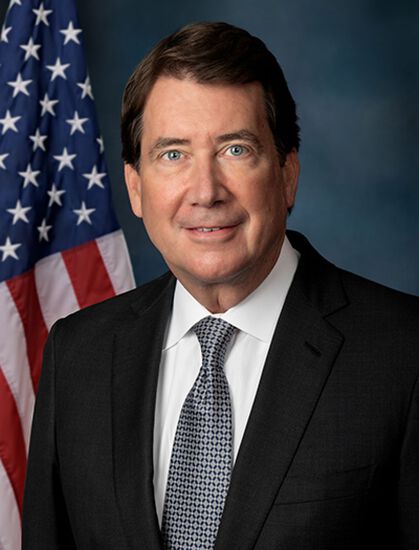
Bill Hagerty
Bill Hagerty Senate
R
Support
77% 161
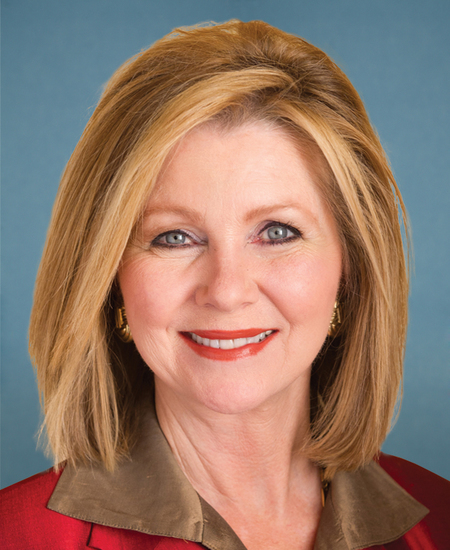
Marsha Blackburn
Marsha Blackburn Senate
R
Support
77% 163
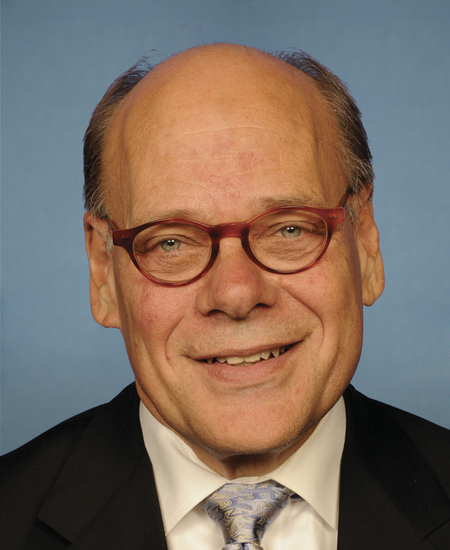
Steve Cohen
Steve Cohen House · District 9
D
Mixed
55% 151
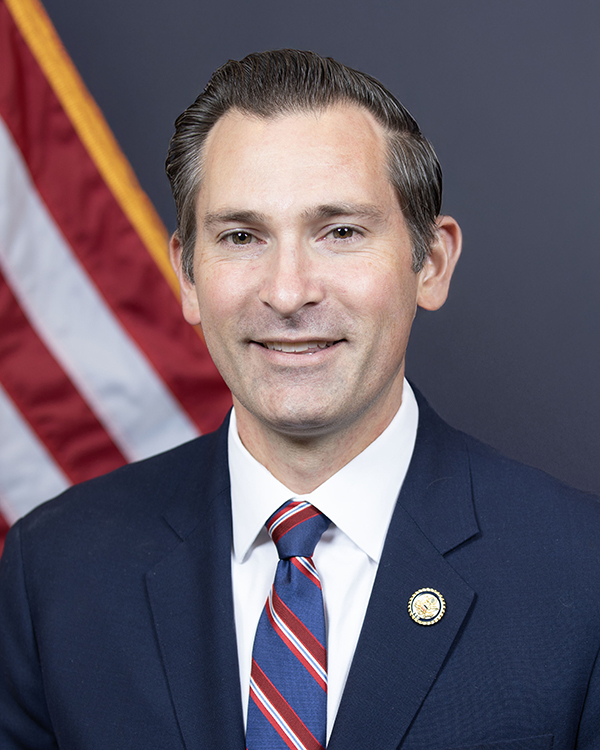
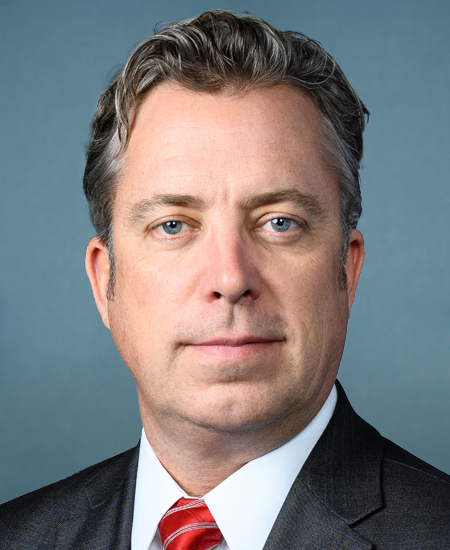
Matt Van Epps
Matt Van Epps House · District 7
R
Mixed
55% 80
Andrew Ogles
Andrew Ogles House · District 5
R
Oppose
36% 149
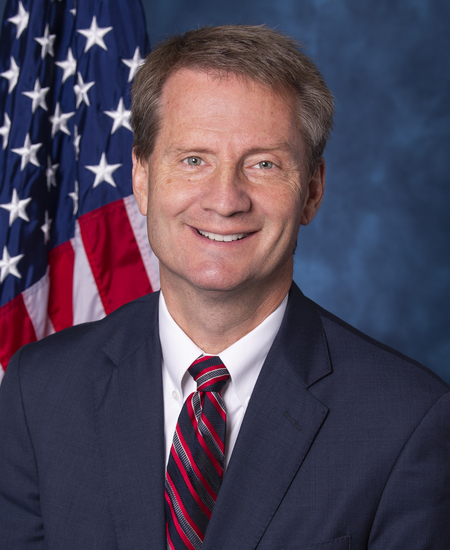
Tim Burchett
Tim Burchett House · District 2
R
Oppose
37% 154
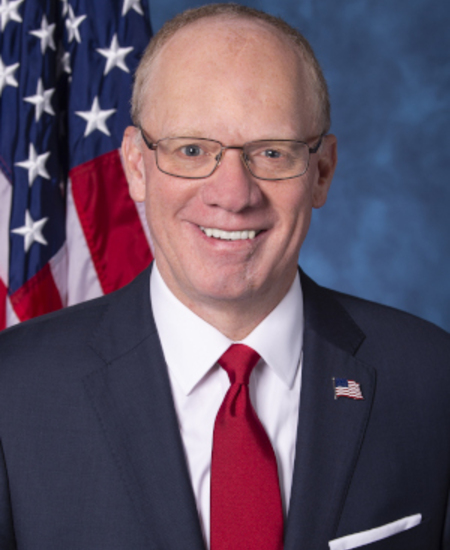
John W. Rose
John W. Rose House · District 6
R
Oppose
37% 152
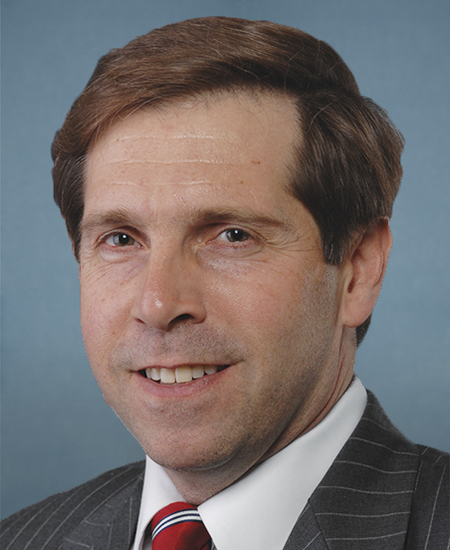
Charles J. "Chuck" Fleischmann
Charles J. "Chuck" Fleischmann House · District 3
R
Oppose
37% 154
Diana Harshbarger
Diana Harshbarger House · District 1
R
Oppose
37% 153
Showing 1–10 of 230 bills

All criminal justice bills

in committee · United States · House Aug 27, 2026

HR 10157: Freedom to Home Distill Act

The Freedom to Home Distill Act would allow individuals to legally produce small amounts of alcohol at home for personal use without paying federal excise taxes or facing criminal penalties. To qualify, a household could distill up to 10 proof gallons per year if it has one adult, or 20 proof gallons if it has two or more adults, provided the spirits are never sold or transferred to others. The bill exempts home distillers from standard business requirements such as registering their equipment and paying taxes, but it mandates that any stills purchased for this purpose must have specific safety features like pressure release valves and a capacity of no more than 50 gallons. These changes would take effect for spirits produced after December 31, 2026.
in committee · United States · House Aug 6, 2026

HR 10052: Right to Worship Act

The Right to Worship Act makes it unlawful for individuals to knowingly disrupt religious services or prevent people from entering houses of worship within 100 feet of an entryway during the hour before and after a scheduled service. The bill applies to conduct that meaningfully interferes with a service's normal operation or unreasonably hinders participation, while explicitly allowing free speech as long as it adheres to these specific time, place, and manner restrictions. Violators face escalating civil fines ranging from $2,500 for a first offense to $10,000 for subsequent offenses, assessed by the Attorney General. Additionally, the act permits aggrieved individuals, the U.S. Attorney General, or state attorneys general to file civil lawsuits seeking injunctive relief, compensatory damages, and attorney fees.
in committee · United States · Senate Jul 30, 2026

S 5202: Protecting Our Kids from Harmful Research Act

The Protecting Our Kids from Harmful Research Act prohibits the use of federal funds to support research or publications regarding gender transition for individuals under the age of 18. This restriction specifically targets studies that aim to affirm a minor's perception or identity when it differs from their sex assigned at birth, as defined by their reproductive biology and genetics. The bill directly affects federal agencies and institutions that might otherwise receive funding to conduct such observational studies on hormonal treatments or surgical procedures for minors. By limiting financial support, the legislation seeks to prevent government resources from being used for research that challenges the biological definition of sex at birth.
in committee · United States · House Jul 21, 2026

HR 9817: Justice for Incarcerated Moms Act

The Justice for Incarcerated Moms Act aims to improve maternal health outcomes for pregnant and postpartum individuals in the criminal justice system by restricting financial incentives for states that use restraints on pregnant inmates. Under the bill, states receiving federal justice grants would face a 25 percent funding penalty if they fail to implement laws limiting the use of shackles on pregnant individuals, with those withheld funds redirected to compliant states. The legislation also directs the Bureau of Prisons and the Department of Justice to create and fund programs in at least six federal facilities and across various state and local prisons that provide specialized prenatal care, mental health support, and reentry assistance. These programs are designed to address specific health disparities, particularly for racial and ethnic minority groups, by offering culturally competent care, nutrition counseling, and opportunities to maintain contact with newborn children. Additionally, the act requires an independent oversight organization to monitor program implementation and mandates a Government Accountability Office report to analyze maternal and infant health data within the correctional system.
in committee · United States · Senate Jul 30, 2026

SRES 819: A resolution condemning the Government of the Islamic Republic of Iran for its ongoing human rights abuses, including its use of politically motivated espionage claims to justify arbitrary detention and executions.

This Senate resolution condemns the Government of Iran for ongoing human rights abuses, specifically targeting its use of politically motivated espionage claims to justify arbitrary detention and executions. The bill outlines several key provisions, including calls to halt executions based on unsupported security charges and demands for detainees to receive due process and access to independent legal counsel. It also urges the release of individuals imprisoned for peacefully exercising freedoms of expression and religion while supporting the Iranian people's pursuit of democracy. Additionally, the resolution affirms U.S. efforts to hold Iranian officials accountable through sanctions and international investigations for their actions.
in committee · United States · House Jul 15, 2026

HR 9708: SECURED Act of 2026

The SECURED Act of 2026 requires digital platforms that list short-term rentals to ask property owners if they are registered child sex offenders and to publicly display that status if the owner answers yes. Property owners who are registered offenders must respond truthfully to these requests, while platforms must provide a direct link to a public registry so guests can verify the information before booking. The Federal Trade Commission is authorized to enforce these rules as unfair business practices, and state attorneys general can also sue to stop violations or seek damages on behalf of residents. The law will not take effect until one year after it is signed into law.
in committee · United States · House Jul 21, 2026

HR 9800: Protection Against Mass Surveillance Act

The Protection Against Mass Surveillance Act prohibits federal agencies from buying, using, or contracting for automated surveillance systems that rely on license plate recognition, facial recognition, biometric identification, or other technologies designed for mass tracking. It also prevents state, local, and tribal governments from using federal funds to acquire or operate these same surveillance tools. If federal agencies obtain data in violation of these rules, the law requires them to delete the information within 30 days and bars its use as evidence in any court or administrative proceeding.
in committee · United States · House Jul 20, 2026

HR 9775: Concealed Crime Prevention Act

The Concealed Crime Prevention Act amends Washington, D.C. law to impose stricter prison sentences for individuals who wear ski masks or similar head coverings that conceal their identity while committing a crime. This provision specifically targets balaclavas and comparable gear while explicitly excluding religious headwear from the definition. Under the new rules, anyone found guilty of a misdemeanor while wearing such a mask faces a mandatory minimum of six months in prison, and those convicted of a felony face a mandatory minimum of two years. These additional sentences must be served consecutively to any other prison time given for the underlying offense and apply to crimes committed on or after the bill's enactment date.
Sub-Topics Corrections Sentencing
in committee · United States · House Jul 14, 2026

HR 9688: High Court Gift Ban Act

The High Court Gift Ban Act prohibits federal judicial officers from accepting gifts from sources likely to appear before them, unless the gift is under $50, the total annual value from that source remains $100 or less, or it falls under specific exceptions like gifts from relatives or public events. The law defines a "gift" broadly to include items, services, and reimbursements, while allowing exceptions for personal hospitality within IRS limits and certain professional benefits available to the general public. Enforcement mechanisms include referrals to the Attorney General for violations, which can result in civil or criminal penalties similar to those for other federal ethics breaches. The bill requires the Supreme Court and the Judicial Conference to create implementing regulations within 180 days of enactment to ensure compliance.
Sub-Topics Courts
in committee · United States · House Jun 25, 2026

HR 9479: Remigration Act

The Remigration Act introduces several strict measures to revoke U.S. citizenship and immigration status under specific conditions. It allows for the loss of naturalized citizenship if a person is convicted of government fraud, joins a terrorist organization, or commits certain serious crimes within ten years of becoming a citizen. Additionally, the bill defines citizenship for children born in the U.S. based on their parents' legal status, creates a task force to review asylum and refugee grants made between 2021 and 2025, and mandates the revocation of status for individuals from designated countries or those who received public benefits recently. The legislation also raises the English language requirement for naturalization, allows for deportation based on anti-American beliefs, and requires denaturalized individuals to repatriate with their children.
Showing 1 to 10 of 230 bills
1 2 3 23 Next