Maddy summaryThis bill allows Class I electric bicycles to be operated on the Mickelson Trail in South Dakota. It directly affects trail users by expanding the types of vehicles permitted on this specific recreational path. The provision removes previous restrictions that may have limited electric bicycle access, enabling riders to use pedal-assist e-bikes alongside traditional bicycles and pedestrians. This change aims to increase trail accessibility while maintaining existing trail management rules.
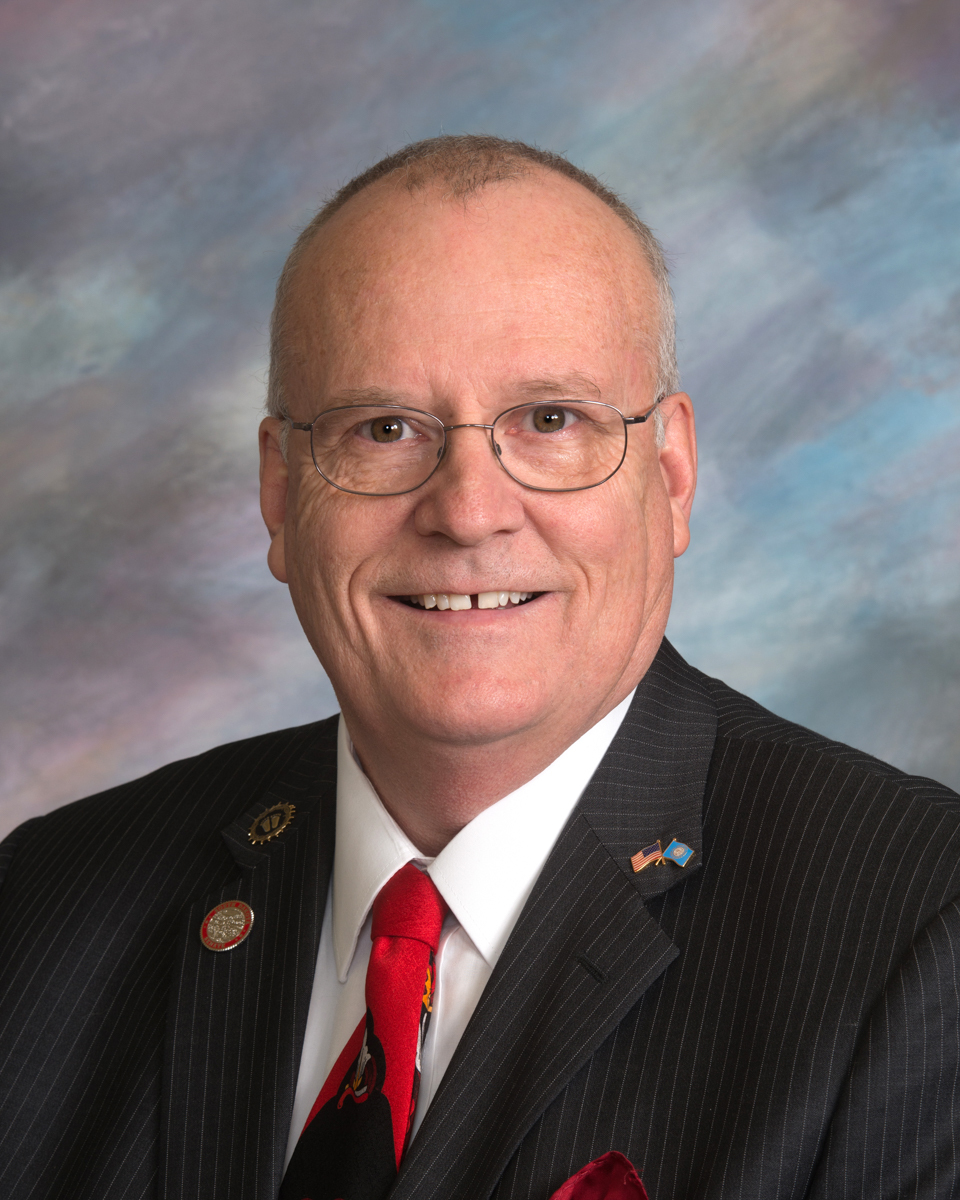
Sen. Ernie Otten
Sponsored bills
Maddy summaryThis bill proposes to decrease the portion of unclaimed property funds that must be deposited into South Dakota's general fund. It directly affects the state's financial management of unclaimed assets by altering how much revenue is transferred to the general fund. The key mechanism involves reducing the net receipts from unclaimed property that are required for general fund allocation. This change would result in less unclaimed property revenue being available for general state operations while potentially increasing funds retained elsewhere.
Maddy summaryHB 1080 would require property owners in South Dakota to remove or void any deed restrictions that prohibit or limit the possession or use of firearms and ammunition. This law directly affects homeowners and property owners who have included such restrictions in their property deeds, as the bill mandates these clauses be considered unenforceable. The key provision is that courts would not uphold any covenant attempting to restrict firearm ownership or usage on private property. This change aims to ensure that individuals can own and use firearms without legal barriers tied to their real estate ownership.
Maddy summaryThis bill proposes a constitutional amendment that would require a 60% affirmative vote from voters to pass any future constitutional changes in South Dakota. It directly affects all South Dakota voters by raising the approval threshold above the current majority requirement. The key mechanism is changing the voting rule so that measures need supermajority support rather than a simple majority. This change would make it more difficult to amend the state constitution but does not alter any existing constitutional provisions.
Maddy summaryThis bill proposes a constitutional amendment to South Dakota that would require voters to be U.S. citizens. It directly affects eligibility for voting in state elections by adding a citizenship requirement to the state constitution. The amendment would be placed on the ballot for voters to approve or reject at the next general election. If passed, it would make citizenship a formal legal requirement for voting in South Dakota.
Maddy summaryThis bill proposes a constitutional amendment to create a state trust fund for unclaimed property in South Dakota. It would establish a legal framework for collecting and managing abandoned assets such as uncashed checks, forgotten bank accounts, and unclaimed securities. The amendment would require the state to maintain this fund and potentially use it for public purposes as defined by future legislation. This change directly affects the state's financial management system and property owners who may have forgotten assets in the state.
Maddy summaryThis bill proposes to apply to the United States Congress under Article V of the Constitution to call for a constitutional convention aimed at establishing term limits for members of Congress. The measure would direct the state legislature to formally request this convention, which is one of the methods specified in the Constitution for proposing amendments. If enacted, the bill would initiate a process to gather signatures and submit a formal application to the federal government, setting the stage for a national debate on congressional term limits. The bill does not itself create term limits but seeks to trigger a constitutional process that could lead to such changes if approved by the required number of states.
Maddy summaryThis bill grants legislative approval for a future water permit application submitted by the Western Dakota Regional Water System. It allows the water system to proceed with obtaining a permit for future water use, which is necessary for their planned infrastructure projects. The measure does not authorize the water use itself but provides the required legislative consent for the permit process to move forward.
Maddy summaryThis bill proposes a constitutional amendment to South Dakota that would tie the state's obligation to expand Medicaid coverage to the level of federal funding provided for the program. It directly affects South Dakota residents and the state government by establishing a condition under which expanded Medicaid benefits must be implemented. The key provision requires that the state only expand Medicaid if the federal government contributes a sufficient level of financial assistance, effectively making state participation dependent on federal financial support levels. This change would alter the state's current Medicaid obligations by adding a financial condition precedent to the expansion requirement.
Maddy summarySB 71 proposes to revise the compulsory school attendance age in South Dakota, directly affecting students and parents regarding when children must attend school. The bill would update existing laws to change the specific age requirements for mandatory education, though the exact new age is not specified in the provided text. This legislative change would alter the legal obligations for families and local school districts concerning student enrollment and attendance. The measure focuses on modifying statutory provisions without addressing broader educational policy or funding implications.