Maddy summarySouth Dakota's SB 12 allows qualifying veterans with certain disabilities (like loss of use of both lower extremities) or their unremarried surviving spouses to request refunds for property taxes paid in the previous four years if they missed the application deadline for an existing property tax exemption. The bill amends tax exemption rules to permit petitions to county commissioners for these refunds, which the commissioners may approve or deny at their discretion. It directly affects veterans and surviving spouses who previously paid taxes they might have qualified to avoid. The refund mechanism applies only to taxes paid in the four years prior to the petition, not future exemptions.
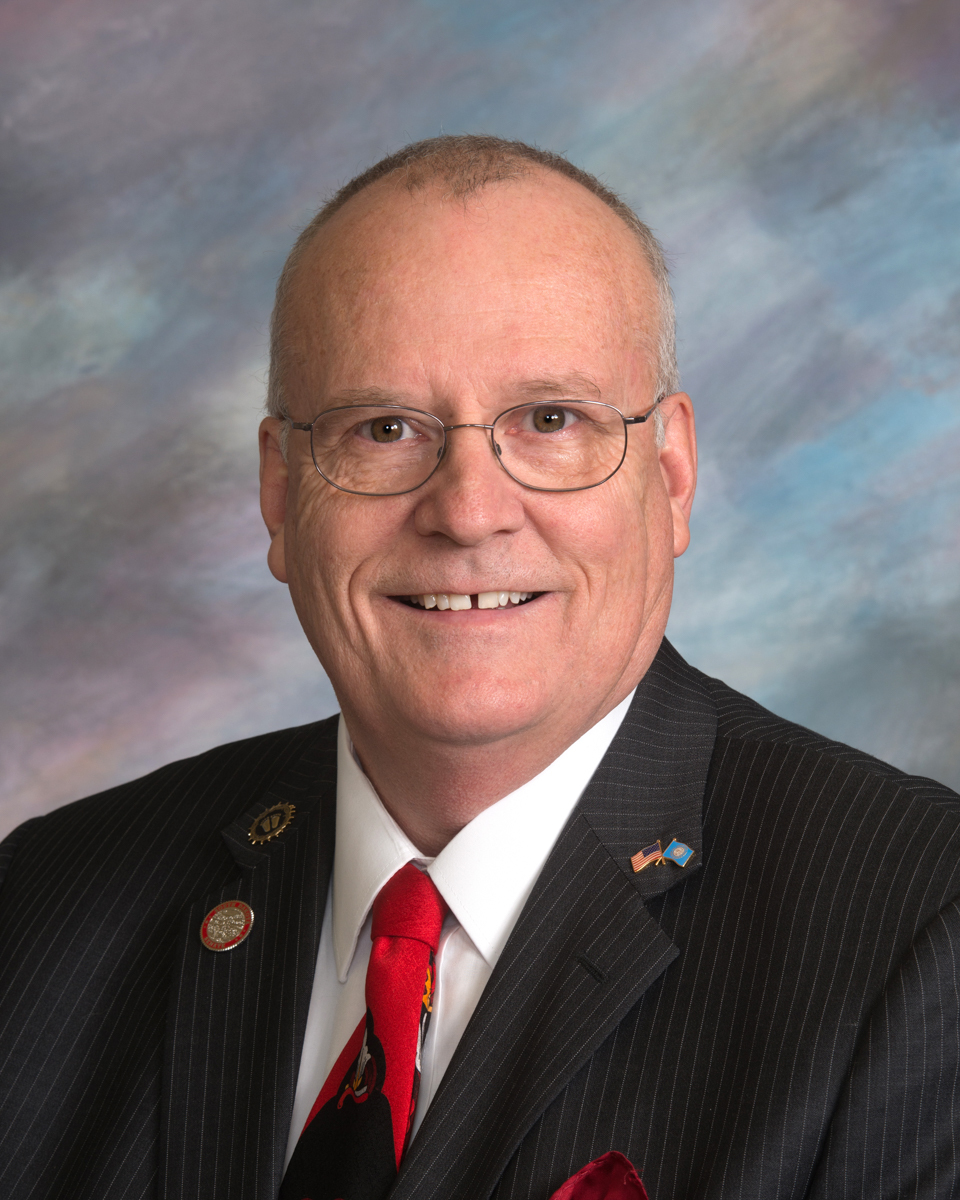
Sen. Ernie Otten
Sponsored bills
Maddy summarySB 2 amends South Dakota law to clarify that firearm silencers (devices reducing gunshot noise) are not classified as "controlled weapons." This change removes silencers from the category of weapons subject to strict state regulations, such as special permits or licensing requirements. The bill directly affects gun owners, manufacturers, and sellers of silencers in South Dakota by eliminating these regulatory barriers. The key mechanism is an amendment to the definitions section of the state's criminal code (§ 22-1-2), specifically excluding silencers from the definition of "controlled weapon."
Maddy summaryThis bill (SC 806) is a non-binding legislative commemoration honoring four South Dakota school administrators for their service: David Olson (Meade Middle School Principal), Kendra Becker (Redfield Secondary School Principal), Richie Hutchinson (Sioux Falls Assistant Middle School Principal), and Kay Bass (Harrisburg Assistant Secondary School Principal). It recognizes their combined 88 years of dedication to education, peer-elected "Outstanding School Administrator" status for 2025-2026, and their commitment to improving educational opportunities. The resolution formally names them as official representatives of South Dakota School Administrators. This is purely ceremonial and does not create new laws or affect policies.
Maddy summaryThis bill is a ceremonial resolution honoring seven South Dakota school administrators for their service. It commends Dr. Jeff Danielsen (Watertown Superintendent), Bo Beck (Aberdeen Middle School Principal), Connie Alspach (Dupree School Business Official), Jay Swatek (Tea Elementary Principal), Kelly Messmer (Harding County Secondary Principal), Sherri Nelson (Brandon Valley Curriculum Leader), and Monica Waltman (Douglas Director of Special Education). The resolution recognizes their combined 197 years of service and dedication to education. It does not create new laws or policies - it solely provides formal recognition through a legislative commendation.
Maddy summaryThis ceremonial resolution (SCR 602) celebrates South Dakota's 42-year sister-state relationship with Taiwan, established in 1984. It highlights specific trade ties, including a 2025 agricultural mission visit and a wheat purchase agreement between South Dakota and Taiwan. The resolution expresses support for strengthening trade relations, academic exchanges, the U.S.-Taiwan tax agreement, and Taiwan's participation in international organizations. As a symbolic gesture, it does not create new laws or policies but formally recognizes the partnership.
Maddy summaryHB 1004 authorizes voters to remove county commissioners through a recall process. It requires petitions signed by 15% of district voters or 5% of county voters (based on the last general election), with signatures valid only within 60 days of filing. The petition must state specific grounds for removal, such as corruption, incompetence, or misconduct, and triggers a special election within 60 days to replace the commissioner. This bill directly affects county commissioners and voters in South Dakota counties, establishing a new procedure for their removal.
Maddy summaryHCR 6002 is a ceremonial joint resolution honoring Charlie Kirk, founder of Turning Point USA and a prominent conservative commentator, who was assassinated in 2025 at age 31. The resolution recognizes his work founding Turning Point USA at 18, his advocacy for free markets and constitutional liberties, and his influence through media and policy advising. It does not create new laws or affect any policies, as it is purely symbolic. The resolution urges South Dakota citizens to reflect on Kirk’s legacy and extends condolences to his family. This is a procedural honor without legal or practical impact.
Maddy summaryThis is a ceremonial Senate resolution (not a law), not a bill affecting policies or people. It formally recognizes the 250th anniversary of the Declaration of Independence on July 4, 2026, as a moment to reflect on foundational American principles. The resolution has no legal effect or concrete policy changes; it serves only to symbolically acknowledge the anniversary through a formal statement by the South Dakota Senate. It does not impose requirements, allocate funds, or directly impact any individuals or groups.
Maddy summarySB 176 aims to clarify discovery procedures and modify the administration of the Government Operations and Audit Committee in South Dakota. The bill updates how information is gathered during investigations and adjusts the committee's operational structure to improve oversight efficiency. These changes directly affect state government officials and the audit committee members who will implement the new procedures. The legislation focuses on refining existing processes rather than introducing new investigative powers or altering the committee's core responsibilities.
Maddy summaryThis bill allows employers in South Dakota to purchase and distribute over-the-counter opioid antagonists to their employees. The legislation creates a legal exception to existing laws that typically restrict the distribution of such medications by non-medical personnel. It directly affects businesses and their staff by permitting them to provide these drugs as a workplace harm reduction measure. The bill does not require a prescription for the antagonists, enabling easier access for employees at risk of opioid overdose.