Issue · Healthcare

Healthcare (Mental Health)

Every healthcare bill, vote, and legislator stance in South Dakota, automatically classified by Maddy, our AI policy reader.

Total bills
6
2026 Regular Session
Top supporter
Jamie Smith
100% support rate
Top opponent
Sydney Davis
0% support rate
Ranked legislators
10
5 support · 5 oppose
Key legislators

Who's moving mental health in South Dakota

Legislators moving mental health in South Dakota
Legislator Party Stance Support rate Votes
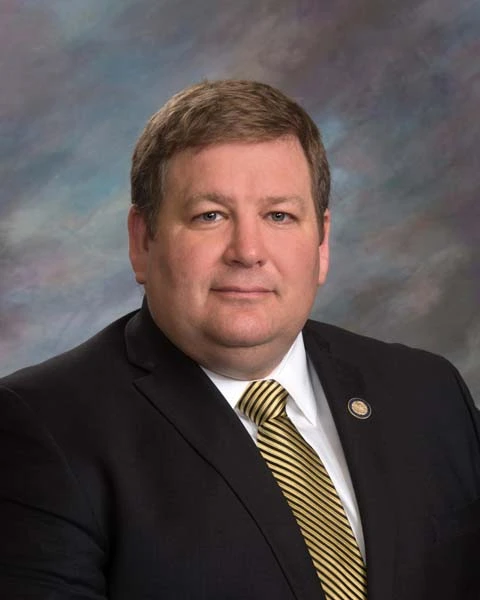
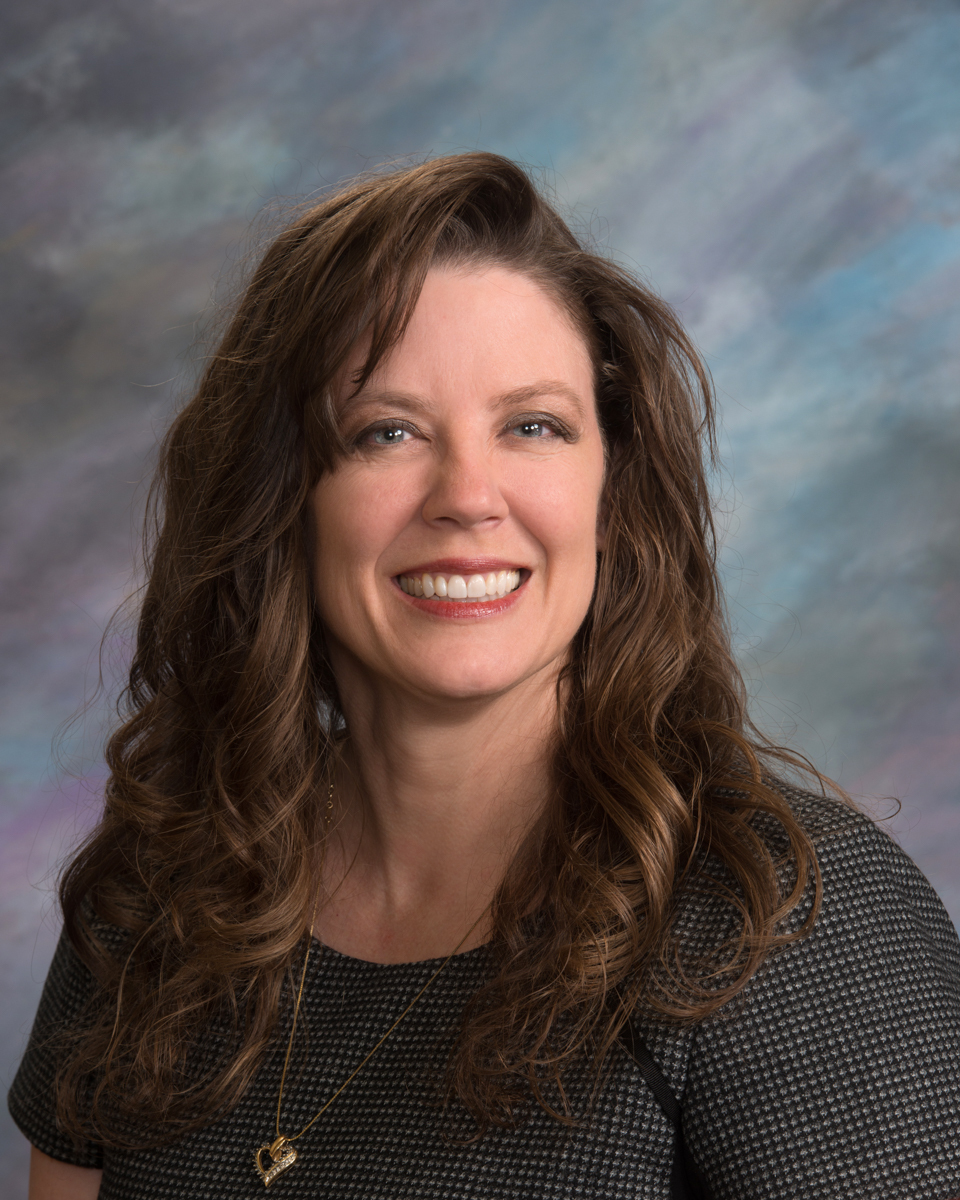
Jamie Smith
Jamie Smith Senate · District 15
D
Strong +
100% 5
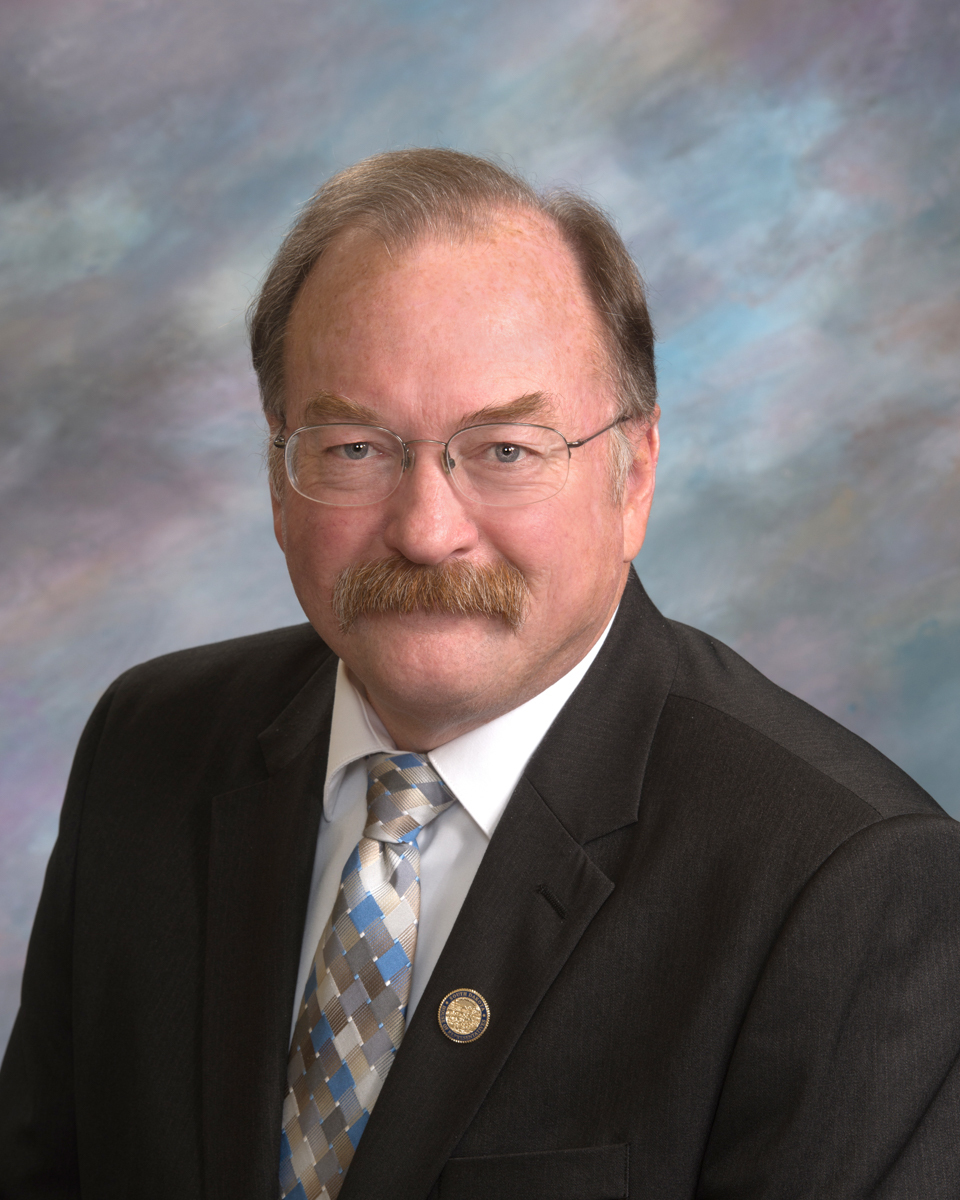
Kevin Jensen
Kevin Jensen Senate · District 16
R
Strong +
100% 5
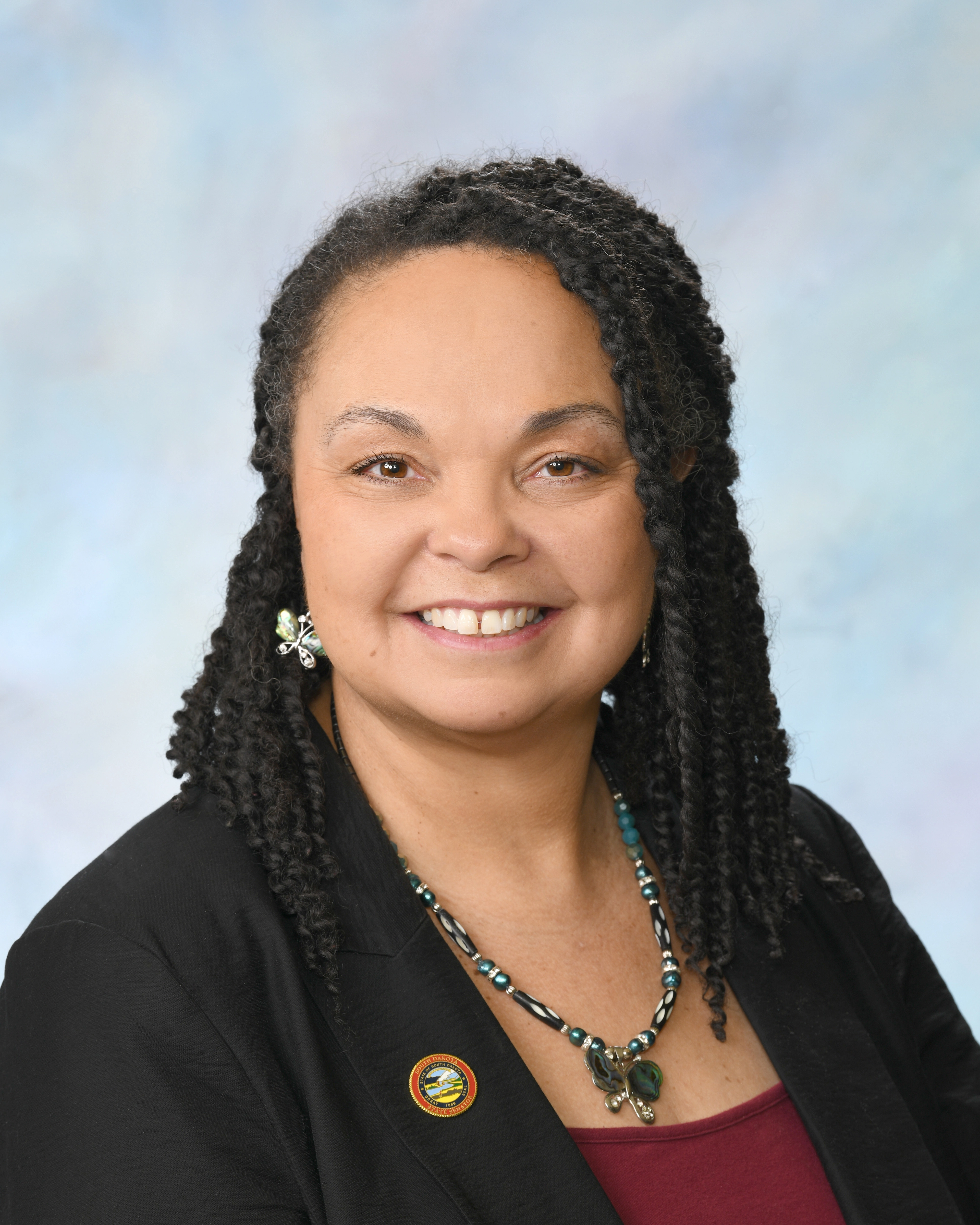
Tamara Grove
Tamara Grove Senate · District 26
R
Strong +
100% 5
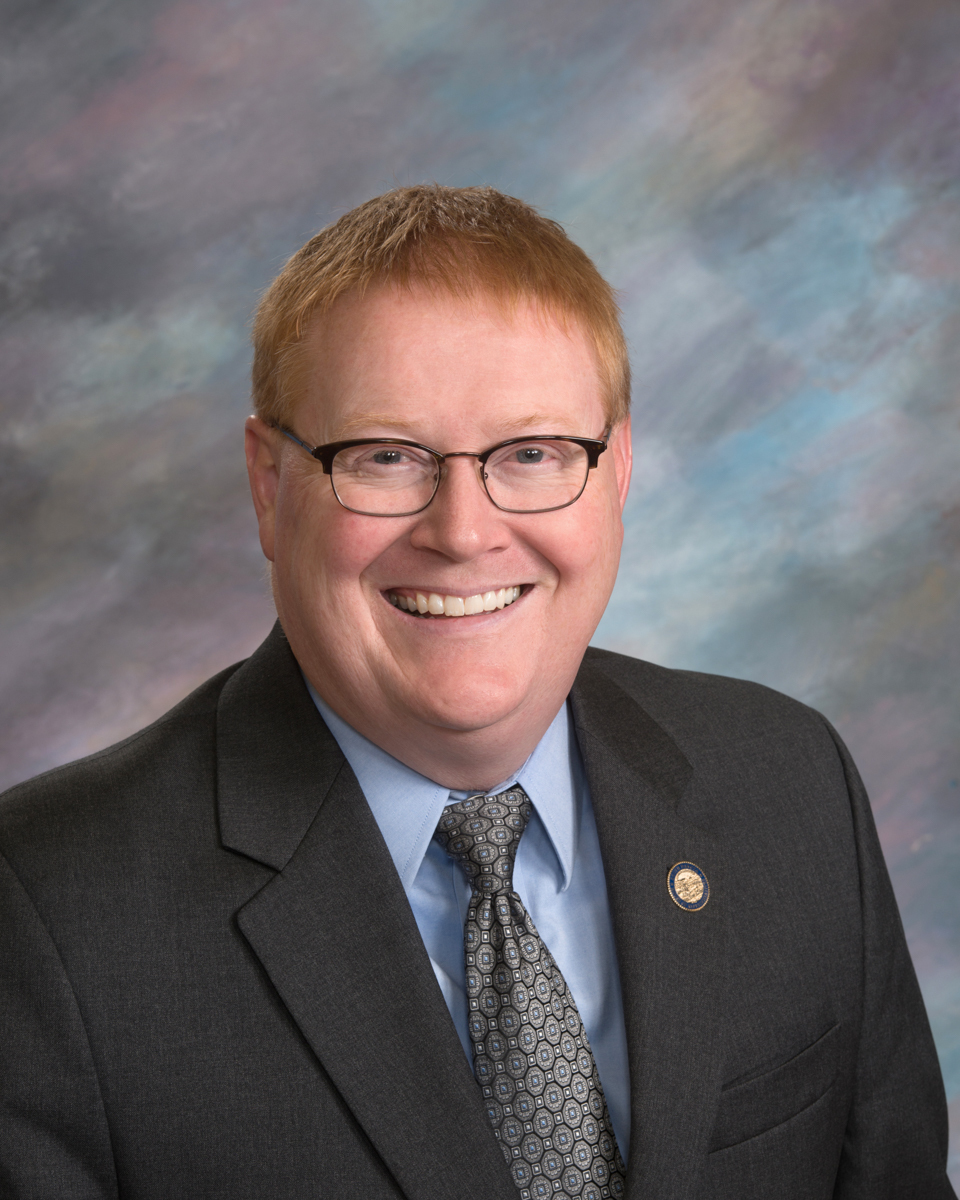
Tim Reed
Tim Reed Senate · District 7
R
Strong +
100% 5
Glen Vilhauer
Glen Vilhauer Senate · District 5
R
Strong +
100% 4
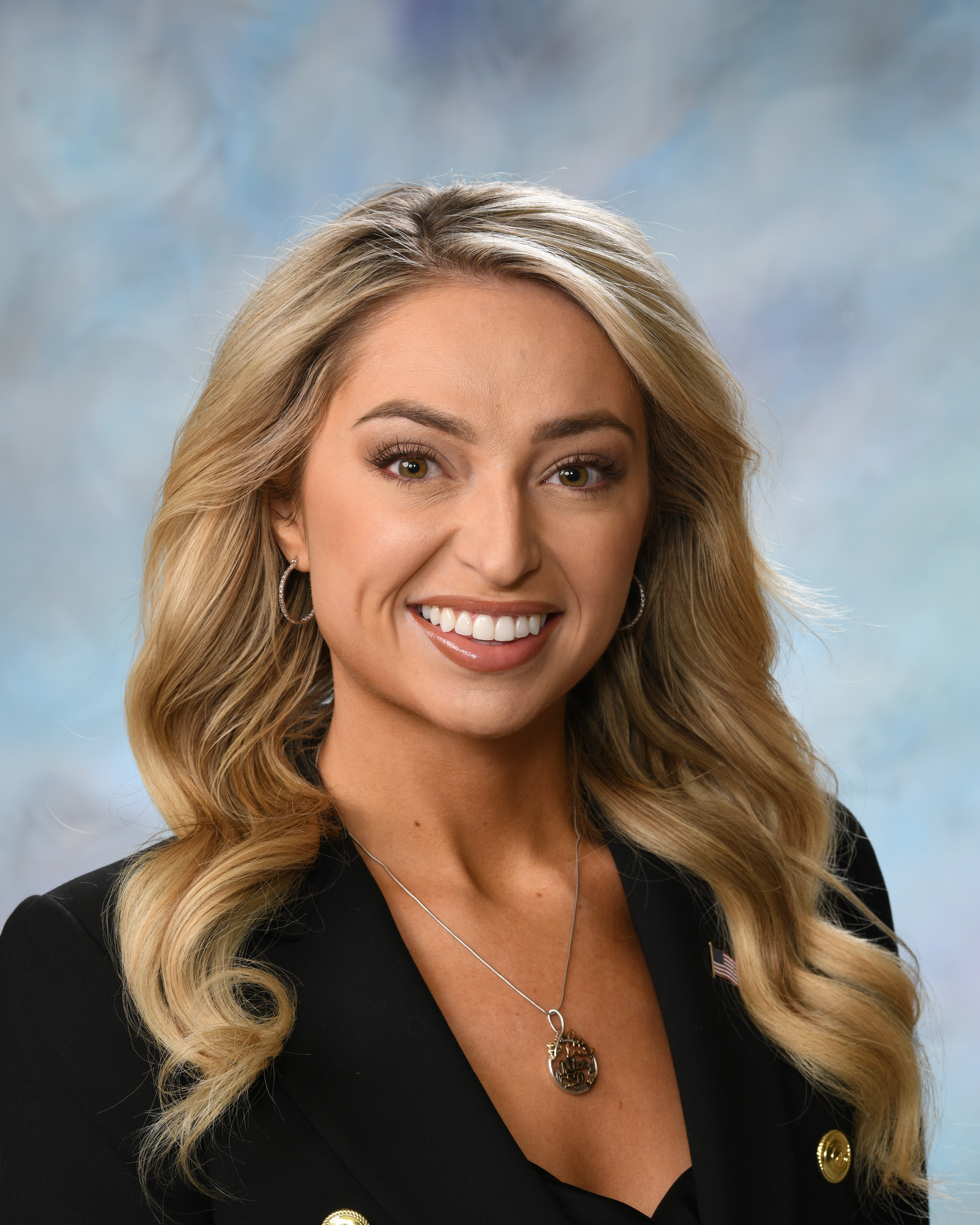
Sydney Davis
Sydney Davis Senate · District 17
R
Strong −
0% 5
Casey Crabtree
Casey Crabtree Senate · District 8
R
Strong −
0% 4
Paul Miskimins
Paul Miskimins Senate · District 20
R
Strong −
0% 4
Taffy Howard
Taffy Howard Senate · District 34
R
Strong −
0% 4
Amber Hulse
Amber Hulse Senate · District 30
R
Oppose
25% 4
Showing 6 of 6 bills

All healthcare bills

introduced · South Dakota · House Mar 4, 2026

HC 8026: recognizing the nonprofit Oaye Luta Okolakiciye "Moving Forward in a Sacred Way."

This bill is a legislative commemoration that formally recognizes the nonprofit organization Oaye Luta Okolakiciye, known as "Moving Forward in a Sacred Way." The resolution acknowledges the organization's work in providing trauma-informed care to Lakota communities in South Dakota by integrating Lakota spirituality, language, and kinship systems into behavioral health services. It highlights the group's volunteer-driven approach to supporting families and promoting cultural continuity on reservations and in surrounding areas. The bill does not change laws or allocate funding but serves to honor the organization's contributions to Lakota wellness and community stability.
Sub-Topics Mental Health
passed · South Dakota · Senate Feb 24, 2026

SB 211: prohibit certain billing practices by ambulance service providers and establish reimbursement standards for out-of-network emergency medical services.

SB 211 prohibits ambulance providers from billing patients for out-of-network emergency services beyond required coinsurance, copayments, or deductibles. It requires health insurance plans to reimburse out-of-network ambulance providers at local rates (or 325% of Medicare rates if no local rate exists) within 30 days, and mandates clear billing explanations for patients. The law also establishes a complaint process through the Division of Insurance for violations and requires the division to post reimbursement rates online by 2027. It excludes self-funded employer plans, Medicaid, Medicare, and other federally regulated programs from these rules.
Sub-Topics Insurance Medicaid Mental Health Tags Public Safety
passed · South Dakota · House Feb 20, 2026

HB 1276: establish policies and procedures for the use of solitary confinement in a juvenile facility.

HB 1276 establishes strict rules for using solitary confinement in South Dakota's juvenile facilities. It prohibits solitary confinement for discipline, punishment, or convenience - allowing it only when a juvenile poses an immediate risk of physical harm to self or others. The bill requires facilities to first try less restrictive methods, get approval from a facility leader, and form an interdisciplinary team (including mental health staff and administrators) to review cases within 24 hours and reassess weekly if confinement lasts more than seven days. Facilities must document all cases, provide continuous monitoring (every 15 minutes in-person), ensure access to basic needs like medical care and education, and notify parents within one business day. This applies directly to all juveniles held in state-operated juvenile facilities.
passed · South Dakota · Senate Mar 4, 2026

SB 220: authorize a comprehensive study of juvenile correctional and residential facilities, to make an appropriation therefor, and to declare an emergency.

SB 220 directs South Dakota's Department of Corrections to conduct a study evaluating juvenile correctional and residential facilities. The study must examine best practices, therapeutic housing models, vocational training combined with mental health services, and staff-to-youth ratios, including inspections at three facilities outside South Dakota. The bill appropriates $50,000 from the general fund to cover study costs and requires a written report to the Legislative Research Council by September 1, 2026. This is a procedural study bill with no direct policy changes or new requirements for facilities, solely aimed at gathering information for future decisions.
signed · South Dakota · House Mar 30, 2026

HB 1250: revise the types of community-based providers for purposes of state funded services.

HB 1250 updates the list of community-based providers eligible for state-funded services, including Medicaid and other state programs. It adds a provision allowing the secretaries of the Department of Social Services or Human Services to approve new provider types beyond the current list (such as nursing homes, mental health centers, and federally qualified health centers). This change directly affects organizations providing care services that rely on state funding for operations. The key mechanism streamlines eligibility adjustments without requiring new legislation for each new provider type.
Sub-Topics Medicaid Mental Health
died · South Dakota · House Jan 28, 2026

HB 1145: clarify provisions related to the licensure of certified social workers in private, independent practice and establish an alternative to the licensure examination.

HB 1145 clarifies licensing requirements for certified social workers practicing privately in South Dakota and creates an experience-based alternative to the standard licensure exam. It allows individuals who failed the exam on or after January 1, 2021, to qualify by providing 3,000 hours of supervised professional experience instead of passing the exam. This experience must occur after obtaining initial certification, be supervised by a qualified social worker or approved mental health professional, and be completed within ten years of applying. The bill takes effect January 1, 2027, and applies directly to social workers seeking private practice licensure.