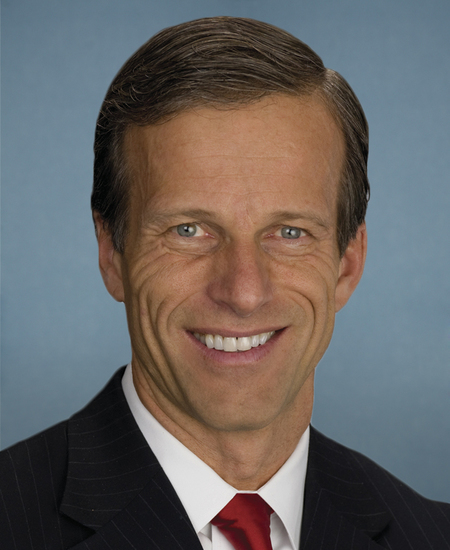
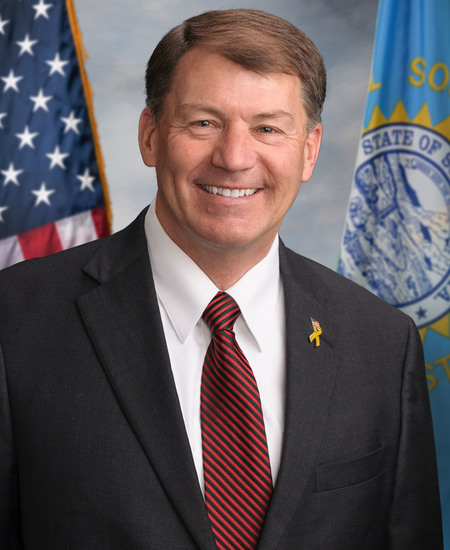
Key legislators
Who's moving education in South Dakota
Showing 3 of 3
bills
All education bills
This bill limits the Secretary of Education's authority to create new student loan regulations or executive actions that could increase taxpayer costs. Specifically, it requires the Secretary to determine if a proposed rule would raise subsidy costs before moving forward; if it would, the rule cannot proceed. The restriction applies to any "economically significant" rule (costing $100 million+ annually or materially affecting the economy, jobs, or other key areas). The bill directly affects the Department of Education's regulatory process, not student loan borrowers or lenders.
The Returning Education to Our States Act would terminate the U.S. Department of Education and transfer its functions to other federal departments, including moving elementary and secondary education block grants to the Department of Health and Human Services, student financial assistance to the Department of Treasury, and career and technical education programs to the Department of Labor. The bill would repeal most of the General Education Provisions Act but preserve FERPA (Family Educational Rights and Privacy Act) protections for student records. Specific programs like Native American education would transfer to the Department of Interior, while special education programs would move to the Department of Health and Human Services. The transfer would occur one year after enactment, fundamentally reorganizing federal education administration by shifting oversight from the Department of Education to other executive branch departments.
This joint resolution seeks to block a Federal Communications Commission (FCC) rule that aimed to expand internet access for schools through the E-Rate program, specifically addressing the "homework gap" by increasing funding for student connectivity. The rule, published in the Federal Register on August 20, 2024, would have modified how schools and libraries access broadband under the E-Rate program. If passed, the resolution would cancel this rule, preventing it from taking effect under federal disapproval procedures. This is a procedural action targeting a specific FCC regulatory change, not a new policy.