Issue · Budget & Taxes

Budget & Taxes (Property Tax)

Every budget & taxes bill, vote, and legislator stance in South Dakota, automatically classified by Maddy, our AI policy reader.

Total bills
37
2026 Regular Session
Top supporter
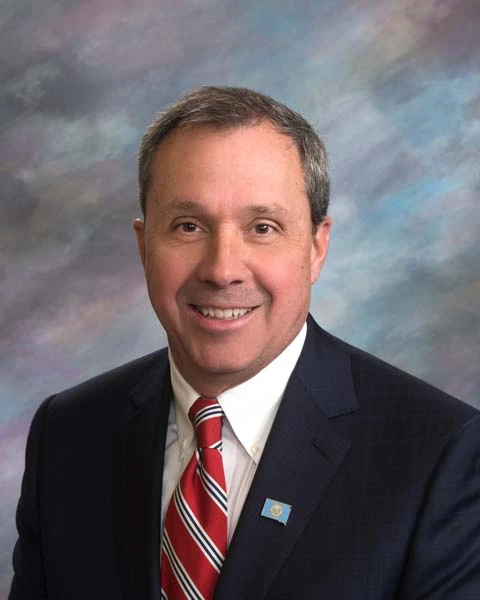
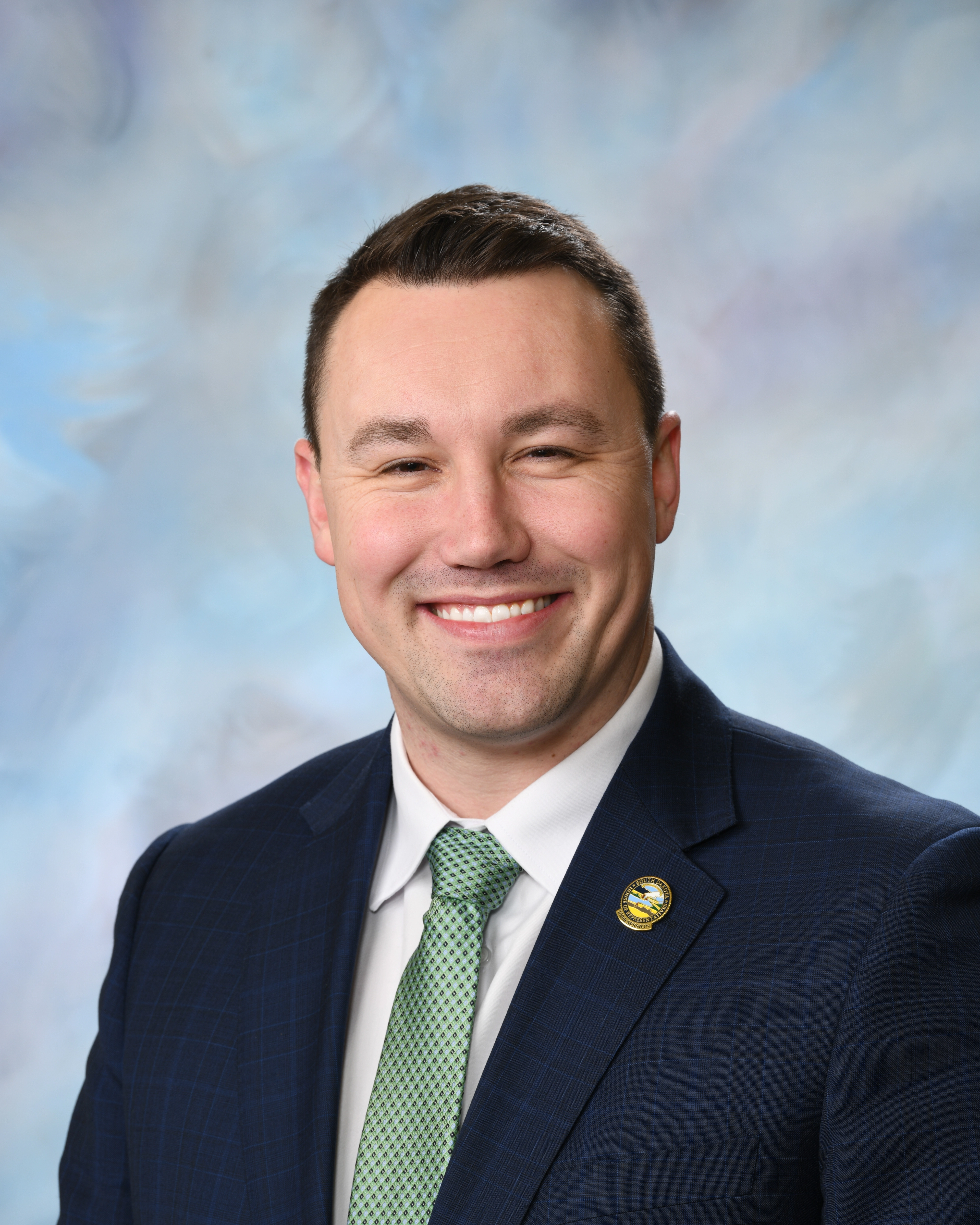
Mary Fitzgerald
100% support rate
Top opponent
Drew Peterson
0% support rate
Ranked legislators
10
5 support · 5 oppose
Key legislators

Who's moving property tax in South Dakota

Legislators moving property tax in South Dakota
Legislator Party Stance Support rate Votes
Mary Fitzgerald
Mary Fitzgerald House · District 31
R
Strong +
100% 5
Tim Czmowski
Tim Czmowski House · District 6
R
Strong +
92% 13
Peri Pourier
Peri Pourier House · District 27
R
Strong +
92% 12
Terri Jorgenson
Terri Jorgenson House · District 29
R
Strong +
88% 8
Greg Jamison
Greg Jamison House · District 12
R
Strong +
86% 7
Drew Peterson
Drew Peterson House · District 19
R
Strong −
0% 4
Erik Muckey
Erik Muckey House · District 15
D
Oppose
25% 8
Tina Mulally
Tina Mulally House · District 35
R
Oppose
25% 4
Erin Healy
Erin Healy House · District 10
D
Oppose
29% 7
Phil Jensen
Phil Jensen House · District 33
R
Oppose
29% 17
Showing 11–20 of 37 bills

All budget & taxes bills

signed · South Dakota · Senate Mar 12, 2026

SB 228: modify provisions for a tax increment financing district.

SB 228 modifies South Dakota's rules for creating tax increment financing (TIF) districts, which are areas where property tax growth funds redevelopment projects. It updates the requirement that at least 50% of a district's area must be blighted or serve economic development goals (replacing a confusing "25 fifty percent" phrasing), and adds new consent rules: counties need municipal approval to create TIF districts within cities, and municipalities need county approval for districts within counties. These changes directly affect local governments (counties and municipalities) seeking to establish TIF districts for redevelopment. The bill focuses on clarifying eligibility criteria and intergovernmental coordination, not on funding amounts or project specifics.
Sub-Topics Property Tax
signed · South Dakota · House Mar 4, 2026

HB 1260: authorize the establishment of municipal property tax rebate programs.

HB 1260 allows South Dakota municipalities to create programs that rebate property taxes on owner-occupied single-family homes within their borders. If a city or town adopts such a program through a local ordinance, it must provide rebates to qualifying homeowners who meet the criteria set by that ordinance. The bill specifically limits rebates to taxes levied directly by the municipality, not state or county taxes. This policy change gives local governments a tool to potentially reduce housing costs for residents, but only if they choose to implement such a program.
Sub-Topics Property Tax
passed · South Dakota · House Feb 17, 2026

HB 1312: limit annual valuation increases on owner-occupied single-family dwellings and provide an exception for mill rate limitations on taxing districts.

HB 1312 limits annual increases in the assessed value of owner-occupied single-family homes to an inflation-based index, preventing rapid tax hikes for homeowners. It applies only to homes where the owner lives, not rentals or commercial properties. The bill requires full reassessment at market value when a home is sold (capped at sale price), and allows limited value increases for property improvements or changes in use. Taxing districts must maintain revenue levels from 2025 or earlier, adjusted for inflation, to avoid exceeding mill rate limits.
Sub-Topics Property Tax
passed · South Dakota · Senate Feb 23, 2026

SJR 507: proposing and submitting to the voters at the next general election, an amendment to state law to reduce certain property taxes for owner-occupied property, and to increase the rates for certain gross receipts taxes and use taxes.

SJR 507 proposes a constitutional amendment for voter approval that would reduce property taxes for owner-occupied homes while increasing business tax rates. Specifically, it would lower the maximum school district tax rate for single-family owner-occupied homes from $20.50 to $5.21 per $1,000 of taxable value, and raise the gross receipts tax rate for retailers and service businesses from 4.2% to 5%. This tax swap would directly affect homeowners through lower property taxes and businesses through higher sales tax rates on goods and services. The amendment requires voter approval at the next general election before taking effect.
passed · South Dakota · House Feb 20, 2026

HB 1317: eliminate a limit on the accumulation of the unused index factor for property taxation.

HB 1317 removes a 10% annual cap on how much South Dakota counties and municipalities can increase property taxes using accumulated unused index factors. Currently, local governments could only raise taxes based on these factors up to the prior three years' total or 10%, whichever was lower. The bill eliminates the 10% limit, allowing them to use all accumulated unused index factors from prior years without this restriction. This directly affects local governments' ability to adjust property tax revenue annually. The change modifies how county auditors calculate annual tax revenue limits under state law.
Sub-Topics Property Tax Revenue
passed · South Dakota · House Mar 2, 2026

HB 1261: provide a tax credit for owner-occupied property, to make an appropriation therefor, and to transfer moneys to the general fund.

HB 1261 provides a property tax credit for homeowners of single-family residences in South Dakota, reducing their 2027 property tax bills by up to $500 or the full tax amount owed, whichever is lower. The credit applies automatically to tax bills sent by county treasurers for owner-occupied homes. To fund the credit, $120 million is reallocated from the housing infrastructure fund ($60 million) and the general fund/budget reserve ($60 million each), with the state treasurer transferring funds to cover the revenue loss. This policy directly affects single-family homeowners paying property taxes in 2027, while the funding mechanism ensures no new state revenue is required.
passed · South Dakota · Senate Feb 20, 2026

SB 243: impose a transaction tax and dedicate revenues collected to supplant certain property taxes, and to provide a penalty therefor.

SB 243 imposes a new transaction tax on retail purchases: $1.50 for items $15 or more, and 10% for items under $15. Revenues from this tax fund a "property tax replacement fund" to reduce property tax levies for specific property types. The fund prioritizes eliminating taxes on owner-occupied homes first, then agricultural property, and finally nonagricultural property - reducing each category equally until funds run out. Property owners in South Dakota would see lower tax bills for these categories, while retailers must collect and remit the tax, with penalties for non-payment (misdemeanor for late payment, felony for false returns).
signed · South Dakota · Senate Mar 30, 2026

SB 96: authorize the imposition of a county option gross receipts tax to reduce owner-occupied property taxes.

South Dakota's SB 96 allows counties to impose a 0.5% sales tax on taxable goods, digital products, and services (following state sales tax rules). All revenue from this county-level tax must go into a dedicated "property tax reduction fund." The fund is used to reduce property taxes on owner-occupied homes first, then agricultural and other land types, with all reductions applied equally across qualifying properties. Counties must adopt an ordinance to implement the tax and may hold a voter referendum on the proposal.
passed · South Dakota · Senate Feb 25, 2026

SJR 504: proposing and submitting to the voters at the next general election an amendment to the Constitution of the State of South Dakota, providing for wagering on sporting events via mobile or electronic platform.

SJR 504 proposes a constitutional amendment to allow South Dakota to authorize mobile and electronic wagering on sporting events. The amendment requires such wagering to be offered only through licensed Deadwood casinos with servers located within Deadwood, and mandates that 90% of tax revenue from these wagers must fund statewide property tax relief or reductions. If approved by voters, this would change the state constitution to permit this new form of betting, which is currently restricted under existing gambling laws. The amendment must be voted on by South Dakota residents at the next general election to take effect.
Sub-Topics Property Tax Revenue
passed · South Dakota · Senate Feb 11, 2026

SB 161: repeal an exemption for certain health care facilities.

SB 161 repeals a tax exemption for certain nonprofit health care facilities in South Dakota, ending their current property tax exemption. This affects facilities previously qualifying under repealed sections 10-4-9.3 and 10-4-35, including licensed hospitals, clinics, mental health centers, and wellness centers meeting specific criteria (like 501(c)(3) status and non-profit operation). The bill removes the exemption, requiring these facilities to pay property taxes on their entire property - previously only the portion not used for health care services was taxable. The change directly impacts nonprofit health care organizations that relied on this exemption for tax purposes.
Showing 11 to 20 of 37 bills
Previous 1 2 3 4 Next