

modify provisions for a tax increment financing district.
SB 228 modifies South Dakota's rules for creating tax increment financing (TIF) districts, which are areas where property tax growth funds redevelopment projects. It updates the requirement that at least 50% of a district's area must be blighted or serve economic development goals (replacing a confusing "25 fifty percent" phrasing), and adds new consent rules: counties need municipal approval to create TIF districts within cities, and municipalities need county approval for districts within counties. These changes directly affect local governments (counties and municipalities) seeking to establish TIF districts for redevelopment. The bill focuses on clarifying eligibility criteria and intergovernmental coordination, not on funding amounts or project specifics.
Bill status
signed
all 5 stages cleared
Introduction
Feb 2026
Committee Review
Mar 2026
Senate Passage
Feb 2026
House Passage
Mar 2026
Signed into Law
Mar 2026
Introduced Feb 4, 2026
Signed Mar 12, 2026
Maddy AI version diff · 2 comparisons
What changed between versions
Senate Taxation Engrossed
→
Enrolled
·
3 edits
·
Mar 5, 2026
MINOR
This bill modifies South Dakota's tax increment financing (TIF) and property assessment rules to better support local school districts when property values are reduced through tax abatements or special assessment formulas. The changes clarify how additional taxes can be levied to compensate schools for lost revenue and expand the types of properties eligible for special assessment treatment.
Scope change
The bill expands eligibility for special property assessment formulas to include affordable housing structures and properties in redevelopment neighborhoods, while clarifying how school districts recover lost tax revenue from TIF districts and other property value reductions.
ELIGIBILITY
Added affordable housing structures and properties in redevelopment neighborhoods to the list of properties eligible for special assessment formulas, broadening the range of projects that can benefit from reduced initial tax assessments.
FISCAL
Clarified how county auditors must calculate additional tax levies to compensate school districts for lost revenue from tax abatements, TIF districts, and discretionary assessment formulas.
REQUIREMENT
Added specific requirements that additional tax levies must maintain the same proportion to each other as the maximum levies, ensuring balanced funding distribution across different tax sources.
Floor votes · Senate Feb 24, 2026 · House Mar 4, 2026
How they voted
33–0
Passed · 2 other
Total votes 35
Feb 24, 2026
D
Democratic3
100% Yea
R
Republican32
93% Yea
Vote distribution
All Yea
All Nay
Mixed
No data
Full legislative history
Actions timeline
Total actions
16
Key actions
10
Committee
4
Amendments
1
Mar 12, 2026
Signed into law
Signed by the Governor on 2026-03-12 S.J. 541
executive
Mar 9, 2026
Lower · Passed
Signed by the Speaker H.J. 543
lower
Mar 5, 2026
Lower · Passed
Signed by the President S.J. 485
lower
Mar 4, 2026
Lower · Passed
House of Representatives Do Pass Amended , Passed, YEAS 67, NAYS 0 H.J. 515
lower
Mar 4, 2026
House · Passed
House Vote: pass (67-0-3)
house
Mar 3, 2026
Lower · Passed
Taxation Do Pass , Passed, YEAS 9, NAYS 2 H.J. 11
lower
Feb 25, 2026
Introduced
First read in House and referred to House Taxation H.J. 445
lower
Feb 24, 2026
Upper · Passed
Senate Do Pass Amended , Passed, YEAS 33, NAYS 0 S.J. 386
upper
Feb 24, 2026
Senate · Passed
Senate Vote: pass (33-0-2)
senate
Feb 20, 2026
Upper · Passed
Certified uncontested, placed on consent , Passed, S.J. 17
upper
Feb 20, 2026
Upper · Passed
Taxation Do Pass Amended , Passed, YEAS 7, NAYS 0 S.J. 17
upper
Feb 20, 2026
Introduced
Taxation Motion to amend , Passed, S.J. 17 Amendment 228A
upper
Feb 4, 2026
Introduced
First read in Senate and referred to Senate Taxation S.J. 180
upper
6 primary · 0 co-sponsors
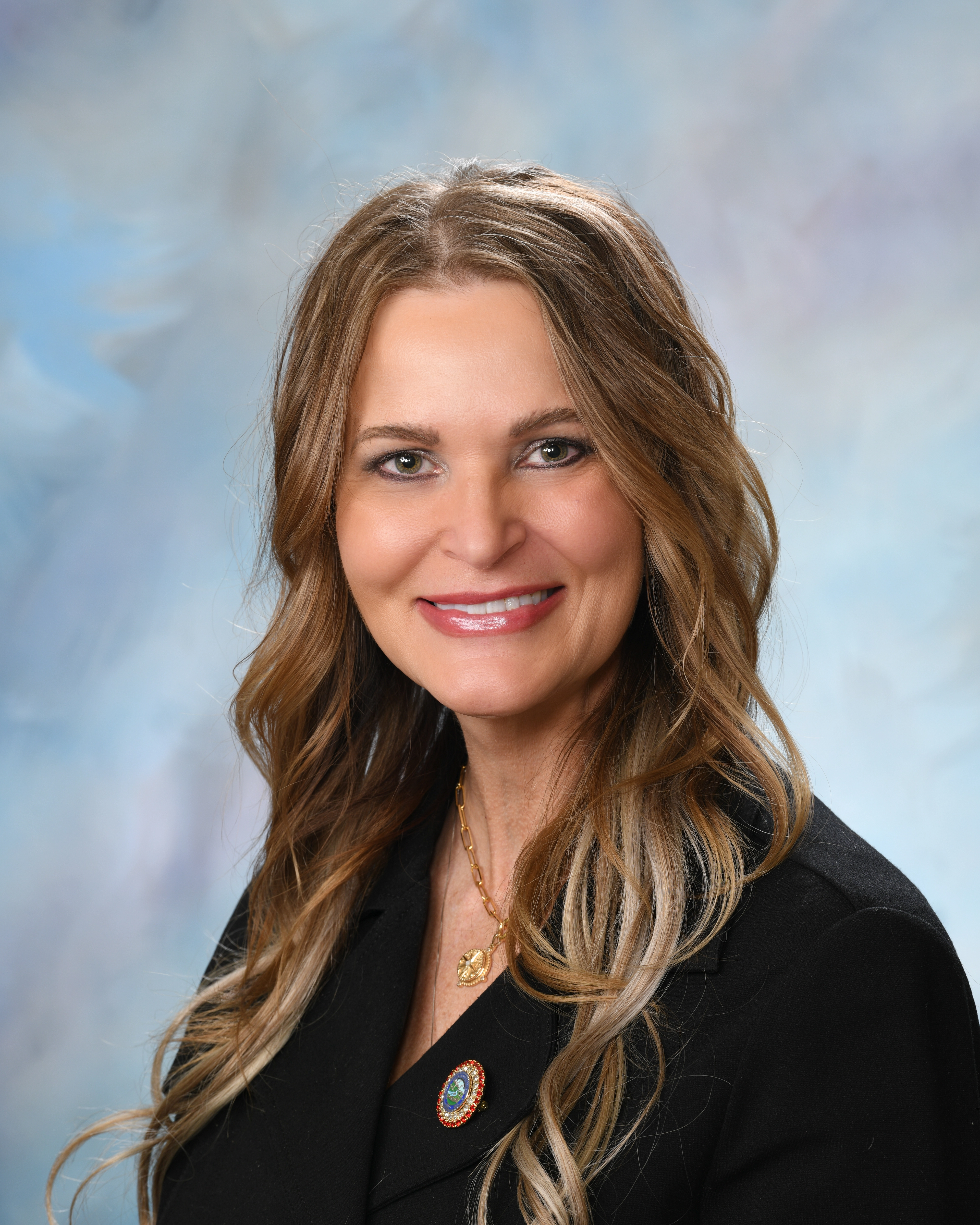
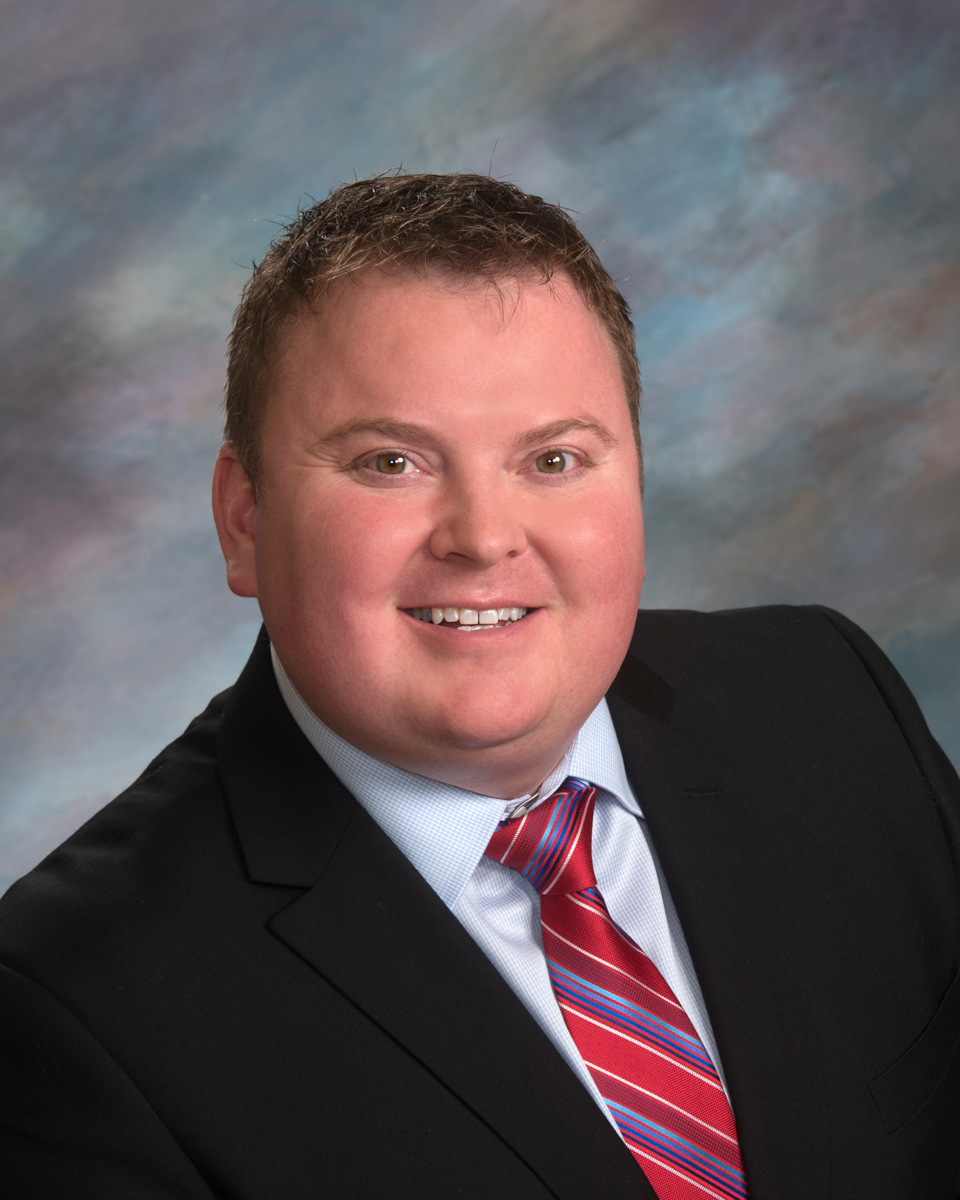
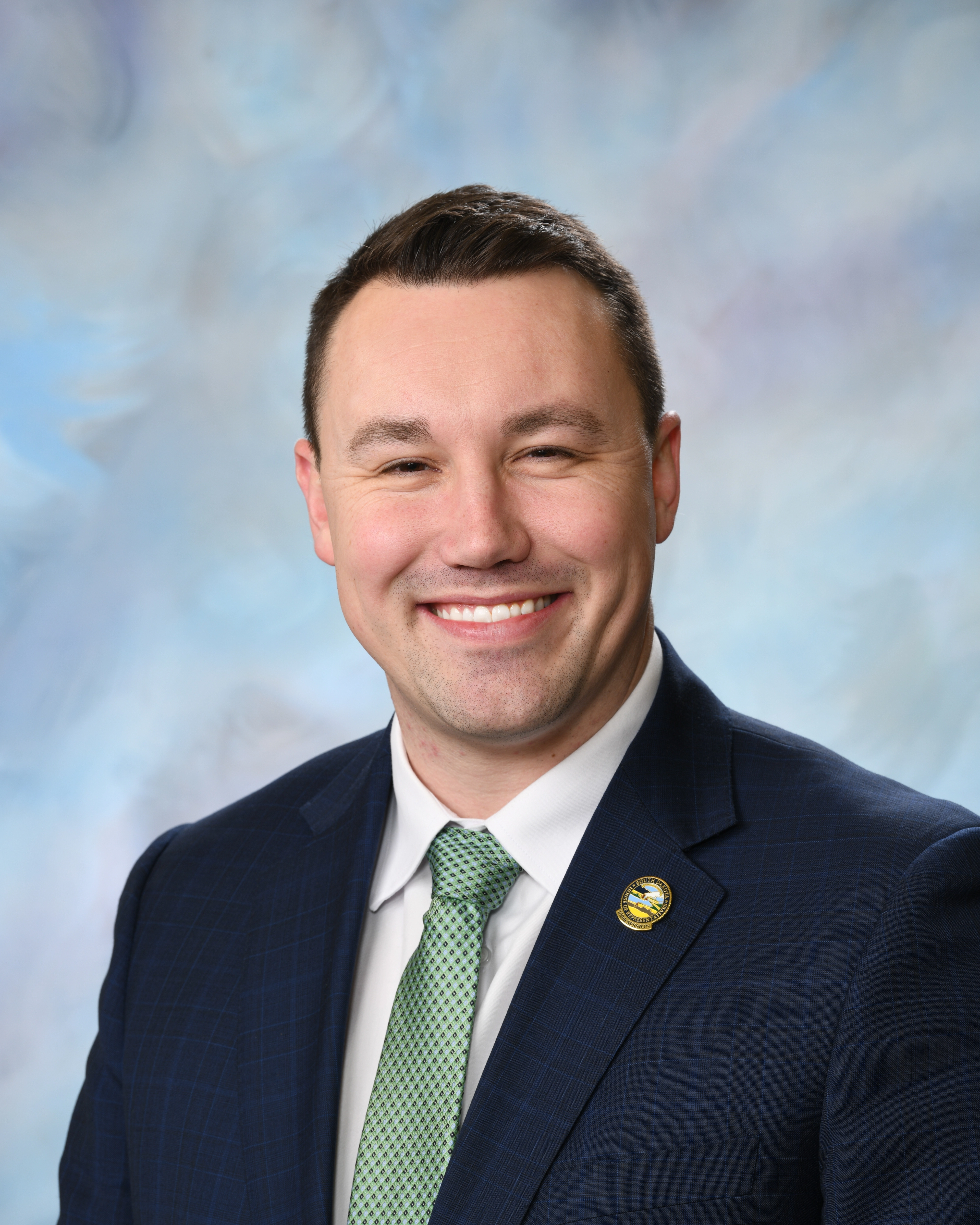
Sponsors



Ask Maddy
·
AI policy assistant
Ask Maddy about SB 228
Scope: SD
Hi! I can help you understand SB 228. What would you like to know?
Try one of these
i
Maddy answers using official bill text and legislative records. Always verify before sharing.
Sources cited inline