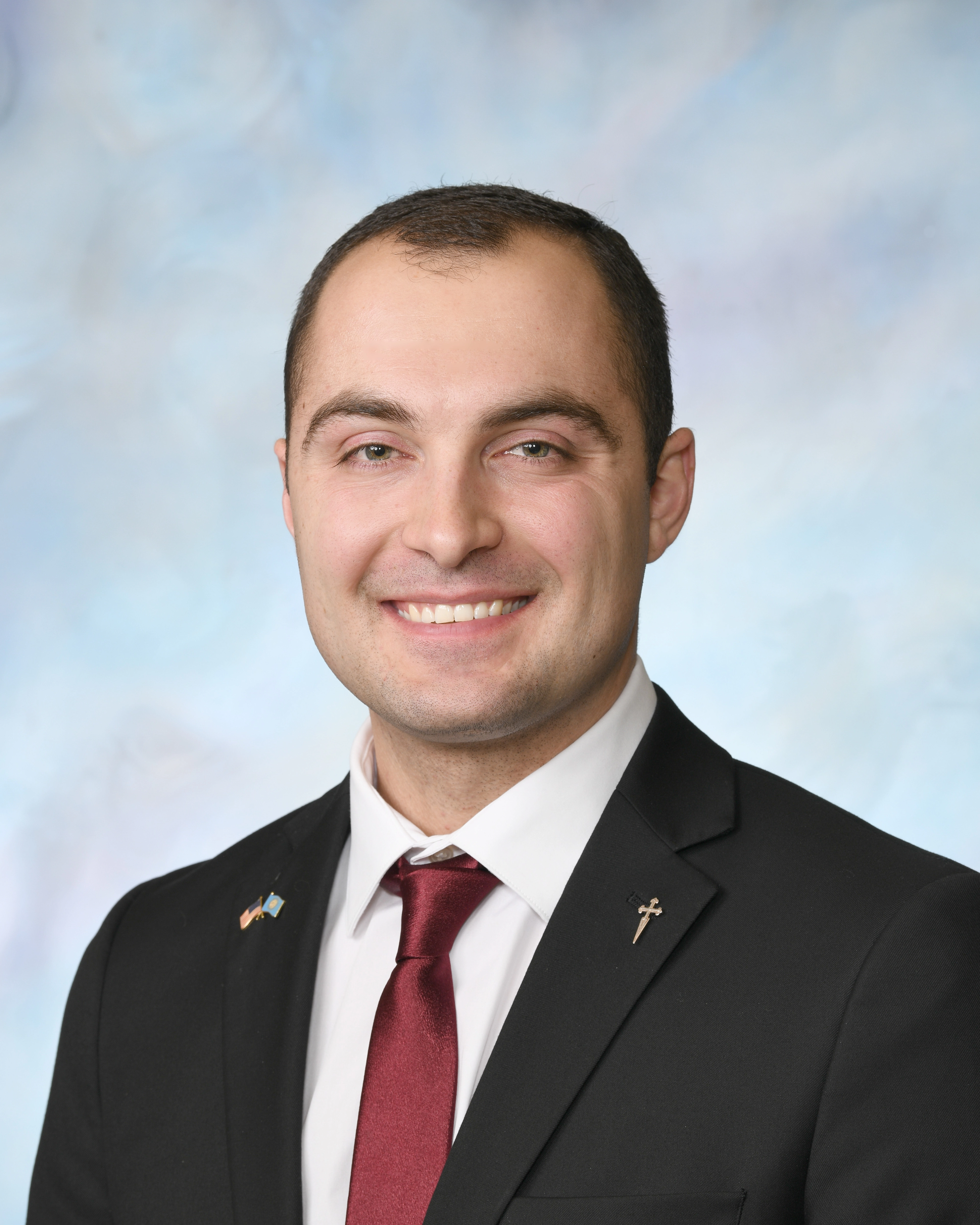
HB 1086 appropriates $2.7 million from the general fund to the South Dakota Department of Corrections for a grant to a nonprofit organization. The nonprofit must provide trauma-informed programming - including leadership development and skills training - to both offenders and correctional staff at three specific state prisons: South Dakota State Penitentiary, Mike Durfee State Prison, and South Dakota Women's Prison. To qualify, the nonprofit must currently operate such programming at a state facility and plan to serve all three prisons, as verified by the Department of Corrections. Unspent funds by June 30, 2031, will revert to the state treasury.
This bill appropriates $5.2 million from the state general fund to construct a trades center at Lake Area Technical College, providing new classrooms, labs, and student services for technical training programs. The college must secure matching funds from non-state sources (gifts, grants, etc.) equal to the state appropriation before the funds are released. The legislature declared an emergency to expedite the project, which will not use bonds for completion and requires approval of expenditures by the Department of Education and state auditor. The center directly affects students and staff at Lake Area Technical College by expanding hands-on training facilities.
HB 1213 appropriates $2.5 million from the general fund to the South Dakota Department of Education for a statewide educator retention initiative. The bill provides grants to public school districts and accredited nonpublic schools to address retention challenges, using both quantitative and qualitative data to identify and resolve underlying issues. School districts must apply for funding, with grants covering program costs during fiscal years 2026-2029, and the Department may use up to 5% of the appropriation for administration. This initiative requires a comprehensive approach to support educators, with funds allocated based on approved applications and expiring June 30, 2029.
HB 1043 allocates $978,294 to reimburse 12 specific rural healthcare professionals (4 family physicians, 2 physician assistants, and 6 nurse practitioners) who met requirements under §34-12G-3 for rural recruitment programs. It also allocates $370,000 to reimburse other eligible healthcare professionals meeting requirements under §34-12G-12. The funds come from the state general fund and are intended to cover costs incurred by providers who participated in designated rural recruitment initiatives. The bill declares an emergency to expedite funding, with unspent funds reverting per standard procedures.
SB 67 appropriates $4,205,497 from the general fund to a special emergency and disaster fund for costs related to emergencies or disasters impacting South Dakota, as defined by existing law. The bill directs the Department of Public Safety Secretary to approve payments and the state auditor to issue warrants for these expenses. It also declares an immediate state emergency to authorize the spending, effective upon passage. The funding directly supports state agencies managing disaster-related costs, with no new policy provisions beyond the financial allocation.
This bill reduces property taxes for homeowners by lowering the mill levy rate on owner-occupied single-family homes from $5.21 to $20.51 per $1,000 of taxable value (with the exact figure clarified in the bill text). It simultaneously raises the state sales tax from 4.2% to 4.7% for 2026-2027 and to 5% after 2027, and expands the gross receipts tax to cover more services like dry cleaning, beauty shops, and rentals. The revenue from these tax increases is explicitly allocated to replace lost school district property tax revenue and fund pay raises for state and school employees. The bill ensures school districts maintain their total funding levels under the new system.
HB 1113 establishes a downpayment assistance program for manufactured or mobile home buyers in South Dakota. The program provides zero-interest loans of up to $10,000 per applicant from a $5 million revolving fund in the South Dakota housing infrastructure fund. Eligibility requires household income below 120% of the state median income and purchasing a home meeting federal safety standards and local zoning requirements for single-family residences. Repayments return to the fund to support new loans, with loans secured by a second lien due upon home sale or repayment of the primary mortgage. This directly assists low-to-moderate income residents seeking to purchase qualifying manufactured or mobile homes.
SB 24 creates a new solid black or solid white license plate option for South Dakota residents. It allows owners of eligible vehicles (cars, trucks, vans, motorcycles) with valid licenses to purchase these plates for a $100 annual fee. Of this fee, $25 funds a special revenue account and $75 supports the state highway fund. Personalization is available for an extra $25, and plates can be transferred like existing specialty plates.
This bill appropriates $500 million in federal funds to the South Dakota Department of Health to implement the rural health transformation program, authorized under the One Big Beautiful Bill Act (Pub. L. No. 119-21). It directly affects rural healthcare providers and facilities by funding program implementation. Key provisions include requiring the health secretary to approve vouchers for payments and mandating unspent funds by June 30, 2031, to revert per state law. The bill also declares an emergency to expedite its implementation upon passage.
HB 1131 amends how South Dakota school districts calculate their fall enrollment for state education funding. The bill specifically requires districts to exclude students residing in residential treatment facilities (when the facility operates the education program) from their enrollment count used in the funding formula. This change directly affects school districts serving students in such facilities, potentially altering their state funding amounts based on revised enrollment calculations. The amendment clarifies an existing definition within the state's education funding structure without changing other elements like teacher salary formulas or English learner adjustments.