Issue · Criminal Justice

Criminal Justice

Every criminal justice bill, vote, and legislator stance in South Carolina, automatically classified by Maddy, our AI policy reader.

Total bills
154
119th Congress
Top supporter
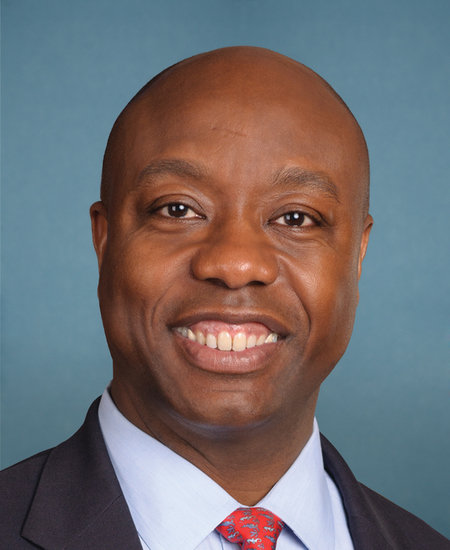
Tim Scott
77% support rate
Top opponent
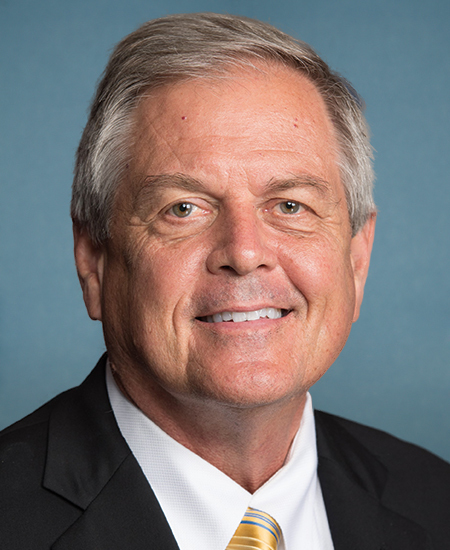
Ralph Norman
35% support rate
Ranked legislators
7
2 support · 5 oppose
Key legislators

Who's moving criminal justice in South Carolina

Legislators moving criminal justice in South Carolina
Legislator Party Stance Support rate Votes
Tim Scott
Tim Scott Senate
R
Support
77% 165
James E. Clyburn
James E. Clyburn House · District 6
D
Support
63% 152
Ralph Norman
Ralph Norman House · District 5
R
Oppose
35% 139
Joe Wilson
Joe Wilson House · District 2
R
Oppose
36% 140
Nancy Mace
Nancy Mace House · District 1
R
Oppose
36% 128
William R. Timmons IV
William R. Timmons IV House · District 4
R
Oppose
37% 152
Russell Fry
Russell Fry House · District 7
R
Oppose
37% 154
Showing 1–10 of 154 bills

All criminal justice bills

in committee · United States · House Sep 1, 2026

HR 10219: SNAP Fraud Accountability Act

The SNAP Fraud Accountability Act amends the Food and Nutrition Act of 2008 to lower the financial threshold for certain fraud violations from $5,000 to $1,000. This change directly affects individuals or entities suspected of committing fraud within the Supplemental Nutrition Assistance Program by making it easier for authorities to pursue enforcement actions against smaller-scale offenses.
in committee · United States · House Aug 13, 2026

HR 10098: Restoring the Death Penalty in DC Act

The Restoring the Death Penalty in DC Act would reinstate capital punishment in the District of Columbia for specific serious crimes, including first-degree murder, terrorism, and certain offenses involving minors or law enforcement officers. The bill establishes a two-phase trial process where a separate hearing is held after a guilty verdict to determine if aggravating factors outweigh mitigating circumstances, requiring a unanimous jury decision to recommend a death sentence. It designates electrocution as the default method of execution but allows condemned individuals to choose alternatives such as lethal injection or nitrogen hypoxia, while prohibiting executions for pregnant women, minors, and those lacking mental capacity to understand their punishment.
Sub-Topics Law Enforcement
in committee · United States · House Aug 31, 2026

HRES 1430: Providing for consideration of the bill (H.R.185) to advance responsible policies.

This resolution allows the House of Representatives to immediately consider and pass H.R. 185, known as the Epstein Files Transparency Act II, which strengthens rules for releasing government documents related to the Jeffrey Epstein case. The bill empowers state attorneys general and victims to sue the U.S. Attorney General in federal court if they believe records are being unlawfully withheld, redacted, or delayed, while also requiring courts to expedite these legal cases. It mandates that victims receive unredacted copies of records pertaining to them and grants state law enforcement full access to previously sealed or classified materials for their investigations. Additionally, the law imposes criminal penalties on federal officials who conceal or falsify records and requires Members of Congress to receive unredacted documents within seven days of requesting them.
Sub-Topics Courts Law Enforcement
in committee · United States · House Jul 15, 2026

HR 9694: Epstein Files Transparency Act II

This bill strengthens the Epstein Files Transparency Act by giving state attorneys general and victims the legal right to sue the U.S. Attorney General if they unlawfully withhold, redact, or delay access to investigation records. It requires the Justice Department to provide unredacted copies of documents to state officials for use in investigations and to victims personally, while allowing redactions only to protect the privacy of other victims. The legislation also mandates that courts expedite these cases, removes common legal excuses for hiding documents, and imposes criminal penalties on federal employees who obstruct compliance. Additionally, it grants Members of Congress the authority to request full access to records and to file lawsuits if the Attorney General fails to comply within a set timeframe.
Sub-Topics Human Trafficking Victims' Rights Tags Government Transparency
in committee · United States · House Jun 25, 2026

HR 9479: Remigration Act

The Remigration Act introduces several strict measures to revoke U.S. citizenship and immigration status under specific conditions. It allows for the loss of naturalized citizenship if a person is convicted of government fraud, joins a terrorist organization, or commits certain serious crimes within ten years of becoming a citizen. Additionally, the bill defines citizenship for children born in the U.S. based on their parents' legal status, creates a task force to review asylum and refugee grants made between 2021 and 2025, and mandates the revocation of status for individuals from designated countries or those who received public benefits recently. The legislation also raises the English language requirement for naturalization, allows for deportation based on anti-American beliefs, and requires denaturalized individuals to repatriate with their children.
in committee · United States · House Jun 18, 2026

HR 9361: Worst of the Worst Act

The Worst of the Worst Act requires the Department of Homeland Security to create a public database within 180 days of enactment. This database will list released criminal aliens who are subject to mandatory detention, including their photos, names, physical descriptions, release dates, and locations. The system will allow the public to search for individuals by name or release jurisdiction to track their whereabouts.
in committee · United States · Senate Jun 11, 2026

S 4775: Stopping Harmful and Outrageous Torts Act

The Stopping Harmful and Outrageous Torts Act expands legal protections for firearm manufacturers and sellers by immediately dismissing any lawsuits currently pending against them that allege harm caused by the criminal or unlawful misuse of their products. The bill defines these protected cases as those where the injury resulted from a third party's illegal actions rather than a defect in the product itself, while explicitly excluding claims involving negligent entrustment, specific federal violations, or design defects. To enforce these protections, the law allows defendants to remove such cases from state courts to federal court and grants them the right to appeal dismissal orders immediately. Additionally, the legislation preempts state and local laws that attempt to hold these companies liable for product misuse and provides for attorney's fees for defendants who successfully assert their immunity.
Sub-Topics Courts Firearms
in committee · United States · House Jun 24, 2026

HR 9443: Saving FACE Act of 2026

The Saving FACE Act of 2026 amends federal criminal law to remove penalties for obstructing access to abortion services. It achieves this by changing the name of the relevant statute from "Freedom of Access to Clinics" to "Freedom of Access to Church" and removing the specific definition of abortion from the list of protected activities. Additionally, the bill updates the legal definition of abortion to exclude the intentional termination of a pregnancy, thereby narrowing the scope of the obstruction statute. These changes directly affect individuals who might otherwise face criminal charges for blocking entry to facilities providing abortion care.
Sub-Topics Women's Health
in committee · United States · House Jun 11, 2026

HR 9298: Stopping Harmful and Outrageous Torts Act

This bill, known as the Stopping Harmful and Outrageous Torts Act, expands legal protections for firearm manufacturers and sellers by strengthening their immunity from civil lawsuits. It requires courts to immediately dismiss any pending cases against these companies that are based on the criminal or unlawful misuse of a gun by a third party, while also clarifying that sellers are not liable for negligence in entrusting products to others. The legislation further restricts who can file such suits by prohibiting foreign governments from bringing these claims and adding a specific exception for victims under the age of 17, though it maintains immunity for cases involving design or manufacturing defects. Additionally, the bill allows companies to move these cases to federal court and grants them the right to appeal dismissal orders immediately, along with the ability to recover legal fees if they win. Finally, it preempts state and local laws that attempt to impose liability on these entities for the same types of misuse-related harms.
Sub-Topics Courts Firearms
in committee · United States · Senate Jul 21, 2026

S 4767: Renewing the African American Civil Rights Network Act

The Renewing the African American Civil Rights Network Act extends the funding authorization for the African American Civil Rights Network by three years. This change allows the network to continue its operations and support civil rights education for an additional period beyond the original seven-year limit. The bill directly affects the federal funding available to this specific organization but does not alter its core mission or activities. By updating the timeline in the relevant section of the U.S. Code, the legislation ensures continued financial support without changing the program's substantive provisions.
Sub-Topics Civil Rights
Showing 1 to 10 of 154 bills
1 2 3 16 Next