Issue · Budget & Taxes

Budget & Taxes

Every budget & taxes bill, vote, and legislator stance in South Carolina, automatically classified by Maddy, our AI policy reader.

Total bills
166
119th Congress
Top supporter
Russell Fry
82% support rate
Top opponent
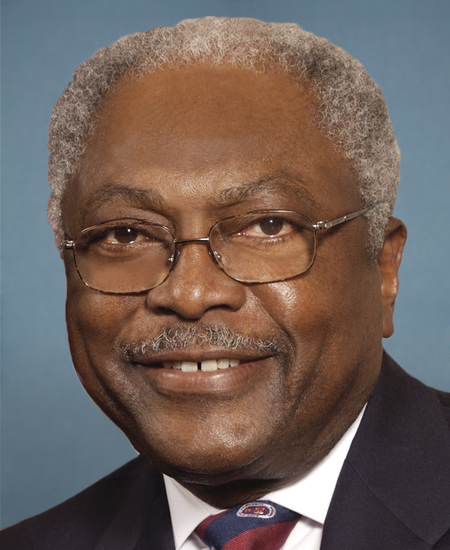
James E. Clyburn
19% support rate
Ranked legislators
7
5 support · 2 oppose
Key legislators

Who's moving budget & taxes in South Carolina

Legislators moving budget & taxes in South Carolina
Legislator Party Stance Support rate Votes
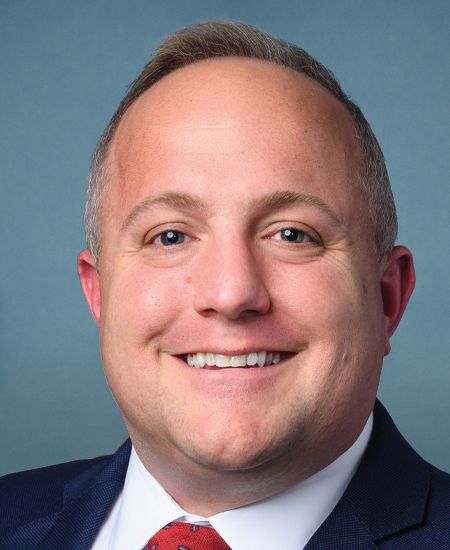
Russell Fry
Russell Fry House · District 7
R
Strong +
82% 186
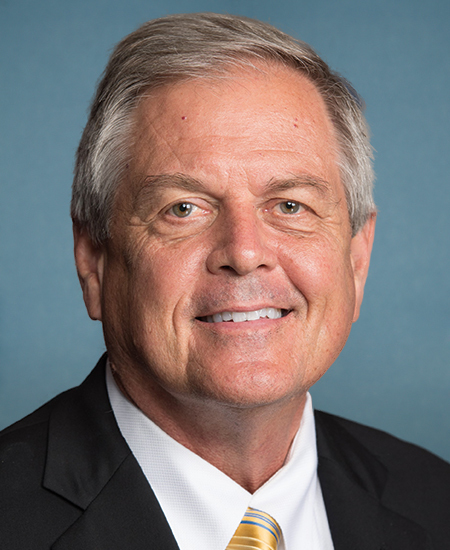
Ralph Norman
Ralph Norman House · District 5
R
Strong +
81% 166
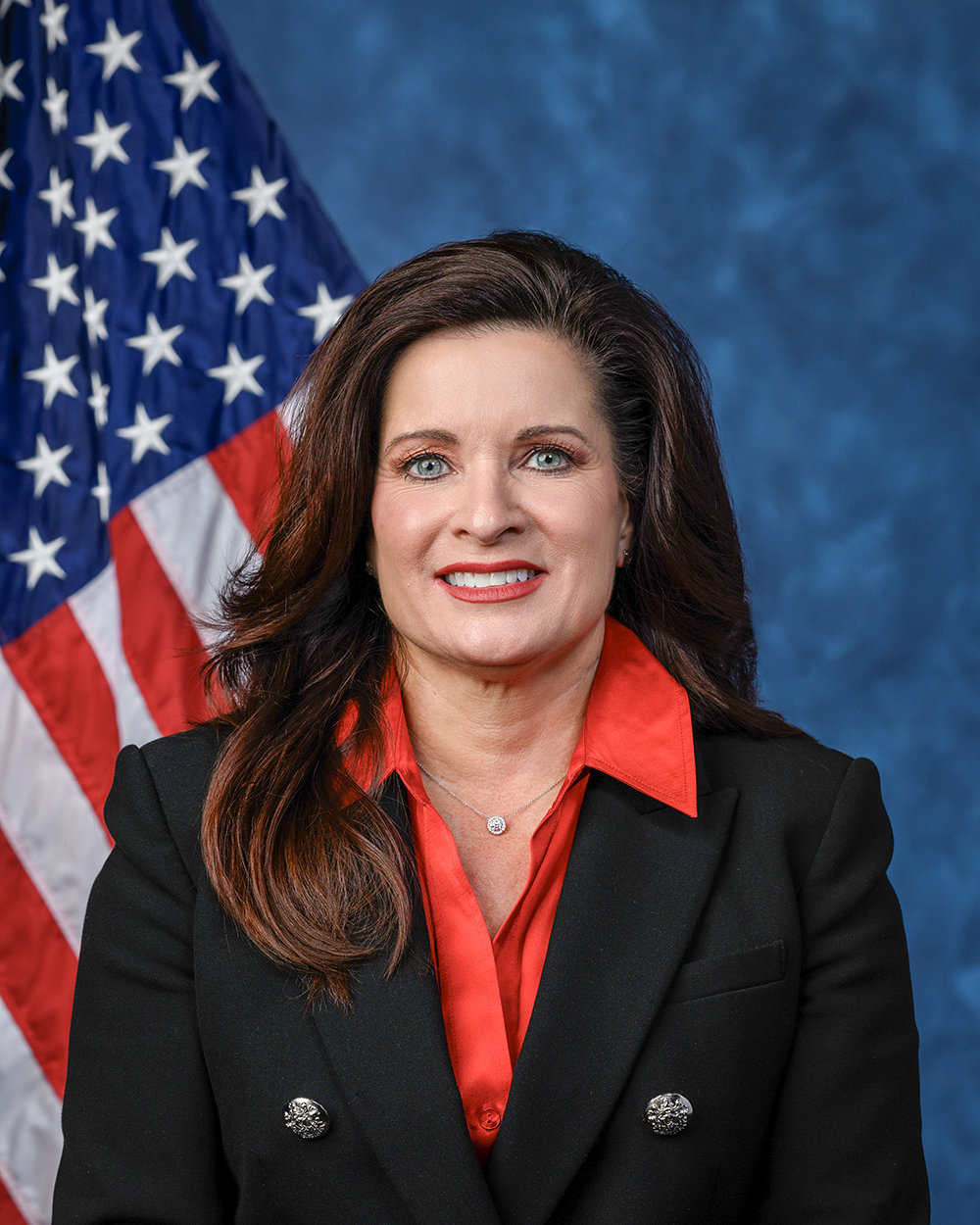
Sheri Biggs
Sheri Biggs House · District 3
R
Strong +
81% 186
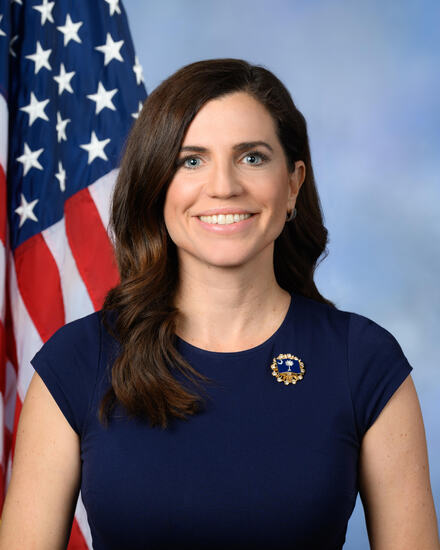
Nancy Mace
Nancy Mace House · District 1
R
Strong +
80% 166
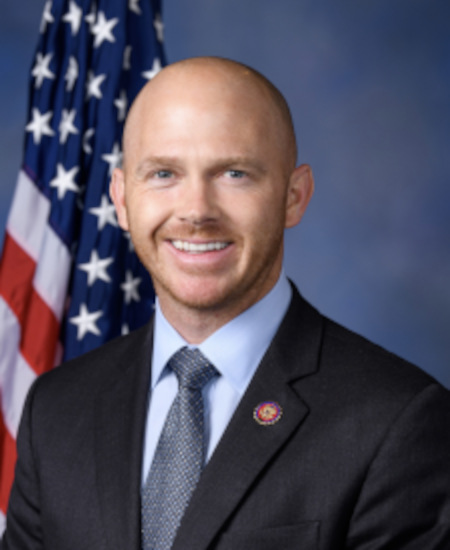
William R. Timmons IV
William R. Timmons IV House · District 4
R
Support
74% 184
James E. Clyburn
James E. Clyburn House · District 6
D
Strong −
19% 184
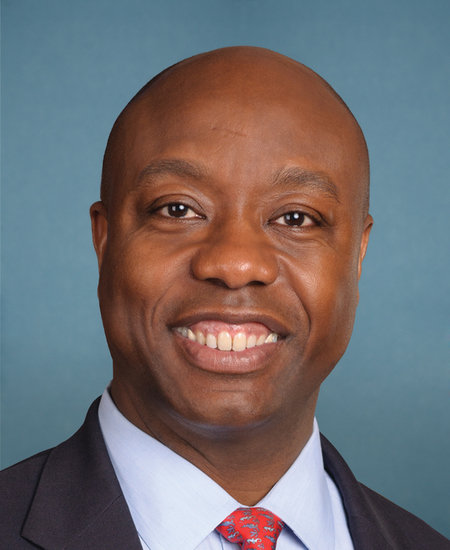
Tim Scott
Tim Scott Senate
R
Oppose
33% 268
Showing 1–10 of 166 bills

All budget & taxes bills

in committee · United States · House Sep 10, 2026

HR 10327: Cost Estimates Improvement Act

The Cost Estimates Improvement Act requires the Congressional Budget Office and the Joint Committee on Taxation to include public debt servicing costs in their financial estimates, to the extent practicable. This change directly affects federal budgeting processes by ensuring that the interest payments on national debt are factored into official cost projections for new legislation. The bill amends the Congressional Budget and Impoundment Control Act of 1974 to mandate this specific inclusion in all future estimates prepared by these two bodies.
in committee · United States · House Jul 14, 2026

HRES 1429: Expressing support for continued efforts to safeguard the supplemental nutrition assistance program under the Food and Nutrition Act of 2008 from fraud, waste, and abuse for the Nation's most vulnerable.

This resolution expresses support for the Trump administration's efforts to prevent fraud, waste, and abuse in the Supplemental Nutrition Assistance Program (SNAP). It highlights specific findings from 29 states that shared data, noting issues such as deceased individuals receiving benefits and people using incorrect Social Security numbers. The bill aims to increase transparency and ensure taxpayer dollars are redirected to eligible low-income families rather than being lost to criminal actors.
introduced · United States · Senate Jul 14, 2026

S 4952: Protecting American Taxpayers Act

The Protecting American Taxpayers Act is a comprehensive bill designed to combat government fraud, recover misused funds, and strengthen oversight across various federal programs. It directly affects federal agencies, state governments administering public assistance, small businesses, veterans, and contractors by imposing new reporting requirements, extending statutes of limitations for fraud cases, and restricting financial assistance to entities linked to foreign agents or the Taliban. Key mechanisms include requiring child care payments to be based on recorded attendance rather than enrollment, mandating investigations into sudden spikes in health care spending, prohibiting small businesses with convicted fraudsters from receiving loans, and creating a new officer within the Department of Veterans Affairs dedicated to scam prevention. Additionally, the legislation rescinds unspent pandemic-era funds for deficit reduction, expands whistleblower protections for defense and non-defense contractors, and establishes stricter rules against transferring public assistance money abroad via remittance transfers.
in committee · United States · House Jul 22, 2026

HR 9720: D.C. Taxing Authority Review Act

This bill, known as the D.C. Taxing Authority Review Act, modifies the rules for how new taxes and fees proposed by the District of Columbia government are reviewed by Congress. It requires that any D.C. law imposing or increasing a tax or fee must receive explicit approval from a joint resolution passed by both the House of Representatives and the Senate within 60 days, or else the law will not take effect. Additionally, the bill limits the time for debating these specific approval resolutions to one hour, split evenly between supporters and opponents. These changes directly affect the District of Columbia government's ability to enact new financial measures without prior congressional consent.
in committee · United States · House Jun 24, 2026

HR 9250: Great American Outdoors Act 250

This bill redesignates the existing National Parks and Public Land Legacy Restoration Fund as the America's Legacy Restoration Fund to address deferred maintenance on federal lands. It directs revenue from recreation fees and a portion of energy development income into the fund, which must be used primarily for repairing critical infrastructure like roads, trails, and buildings managed by agencies such as the National Park Service and the Forest Service. The legislation establishes strict rules requiring that most funds go toward non-transportation projects, mandates transparency through public dashboards tracking project status, and sets aside a small percentage for matching private donations. Additionally, the bill increases entrance fees for foreign visitors to ensure they contribute to the fund, while prohibiting the use of these specific funds for land acquisition or employee bonuses.
in committee · United States · House Jun 11, 2026

HR 9289: Keep Public Funds in Public Schools Act of 2026

The Keep Public Funds in Public Schools Act of 2026 eliminates a federal tax credit that allowed parents to deduct contributions to scholarship granting organizations from their income. By removing these specific tax breaks, the bill prevents the use of public tax dollars to support private school vouchers and scholarship programs. This change directly affects families who currently rely on these tax incentives to fund education outside the public school system. The provisions take effect for taxable years beginning after December 31, 2026.
in committee · United States · Senate Jun 11, 2026

S 4759: Tax Relief for Innocent Spouses Act

The Tax Relief for Innocent Spouses Act allows the Tax Court to review innocent spouse claims from the beginning, rather than only reviewing the initial decision made by the IRS. This change directly affects married individuals who seek relief from tax liabilities caused by their spouse's unpaid taxes. The bill applies to any legal petitions or requests filed on or after the law's enactment date. It does not alter the existing rules for granting relief but ensures that courts can fully re-examine these cases without being limited to reviewing only the IRS's original ruling.
in committee · United States · Senate Jun 11, 2026

S 4761: Tax Court Parity Act

The Tax Court Parity Act amends the Internal Revenue Code to clarify the Tax Court's authority to correct errors or grant relief from final judgments. It allows the court to fix clerical mistakes at any time and provides specific grounds for overturning final decisions, including new evidence, fraud, or circumstances where justice requires it. The bill sets a one-year deadline for most motions to overturn a judgment and ensures that pending motions do not delay the original ruling. Additionally, it establishes a 90-day window for parties to appeal any new relief granted by the Tax Court.
in committee · United States · House May 20, 2026

HR 8921: Freedom from Taxes Act of 2026

The Freedom from Taxes Act of 2026 eliminates federal transfer and making taxes on firearms, which directly affects individuals buying or manufacturing guns. By setting these specific taxes to zero, the bill removes the $200 fee previously required when transferring or making certain firearms. The law also adds a time limit to a special tax, ensuring it no longer applies to years beginning after the bill takes effect. These changes would become active on the first day of the first calendar quarter starting more than 90 days after the legislation is signed into law.
in committee · United States · Senate May 21, 2026

S 4629: Government Bailout Prevention Act

The Government Bailout Prevention Act prohibits the use of federal funds, Treasury resources, or Federal Reserve assistance to support state, local, or school district governments facing financial distress starting January 1, 2026. Specifically, the bill bars the government from purchasing or guaranteeing debt for entities that have filed for bankruptcy, defaulted on obligations, or are at risk of defaulting without such help. This restriction also covers debt restructuring activities but includes an exception for financial aid provided in response to declared disasters.
Showing 1 to 10 of 166 bills
1 2 3 17 Next