

Maddy summaryThis bill redesignates the existing National Parks and Public Land Legacy Restoration Fund as the America's Legacy Restoration Fund to address deferred maintenance on federal lands. It directs revenue from recreation fees and a portion of energy development income into the fund, which must be used primarily for repairing critical infrastructure like roads, trails, and buildings managed by agencies such as the National Park Service and the Forest Service. The legislation establishes strict rules requiring that most funds go toward non-transportation projects, mandates transparency through public dashboards tracking project status, and sets aside a small percentage for matching private donations. Additionally, the bill increases entrance fees for foreign visitors to ensure they contribute to the fund, while prohibiting the use of these specific funds for land acquisition or employee bonuses.
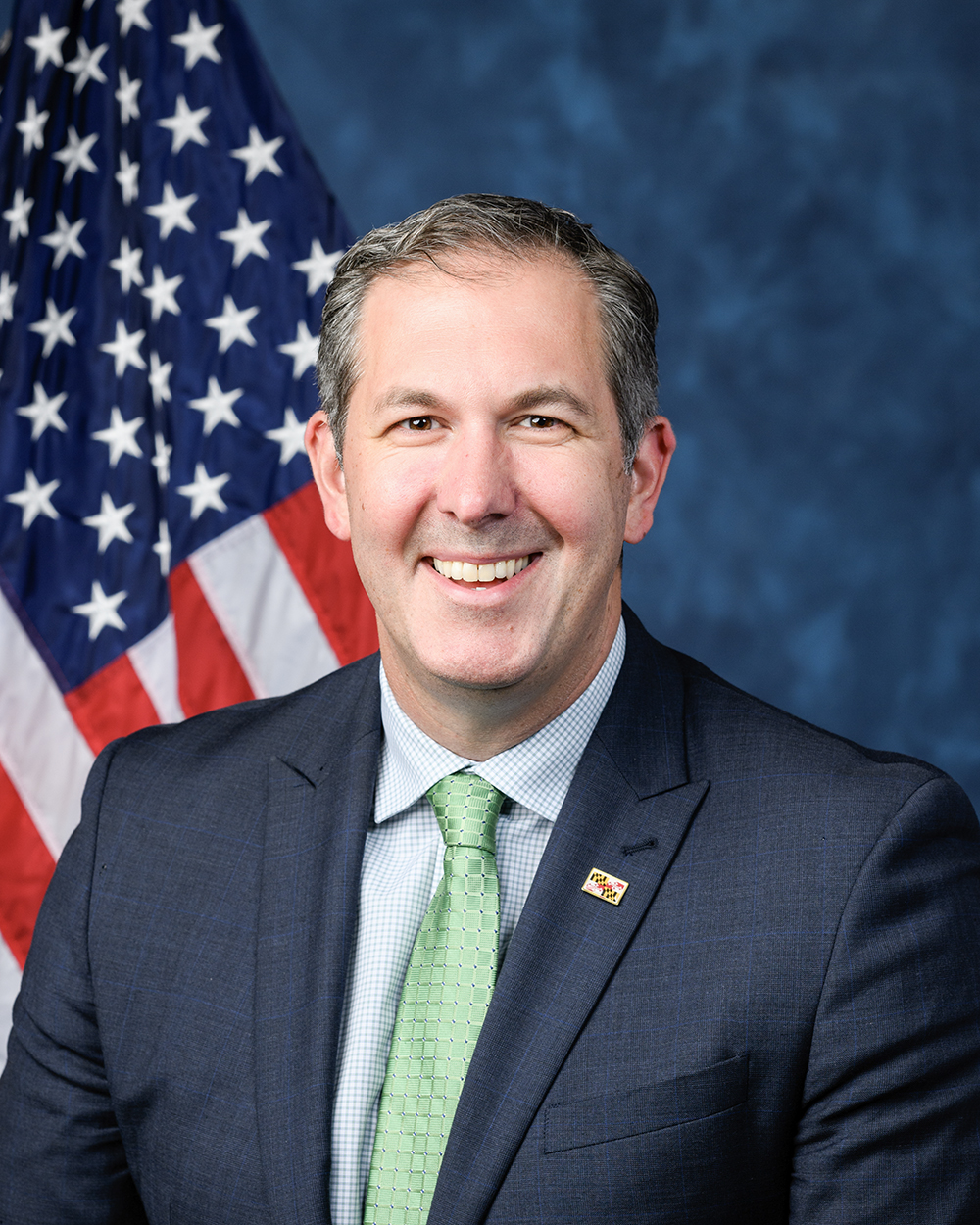
Rep. Johnny Olszewski, Jr.
Sponsored bills
Maddy summaryThis bill requires the Small Business Administration to submit detailed annual reports to Congress on how small businesses are participating in federal contracting programs. The legislation mandates that these reports include specific data on application numbers, certification outcomes, and processing times for various categories of small businesses, including those owned by service-disabled veterans, women, and HUBZone businesses. A key provision is the requirement to track how long it takes to process applications and to identify instances where businesses use multiple certification programs simultaneously. By collecting this granular information, the bill aims to increase transparency regarding the efficiency and effectiveness of federal small business certification processes.
Maddy summaryThe Stop Scamming Americans Act requires the U.S. State Department to provide specialized training for diplomats assigned to countries known for significant online scam activity targeting Americans. This training will cover transnational criminal organizations, the role of human trafficking within scam centers, and instances of foreign government corruption or complicity. Additionally, the program aims to teach diplomatic methods for identifying, preventing, and responding to these international scams. The bill directly affects Foreign Service officers and chiefs of mission who work in regions where such cybercrime is prevalent.
Maddy summaryThe DOMINANCE Act aims to reduce U.S. reliance on strategic competitors like China for critical minerals by building international partnerships to secure diversified supply chains. It establishes a Minerals Security Partnership to coordinate diplomatic, development, and financial support for critical mineral projects with allies, creates a new Office of Energy Security Compacts to develop multi-year agreements with partner countries, and sets up a new Assistant Secretary position for Energy Security at the State Department. The bill also includes education programs like the Critical Mineral Mining Fellowship Program to build U.S. workforce capacity in mining. These measures are designed to enhance U.S. national security and economic competitiveness by ensuring reliable access to critical minerals needed for defense, technology, and energy systems.
Maddy summaryThe Build American Efficiency Act allows the Department of Housing and Urban Development to accept a specific industry standard, known as the Make It American Process Standard, as valid proof that construction materials meet domestic content requirements. This change directly affects recipients of federal housing funds by providing an additional, recognized method to certify that their projects comply with Buy America rules. The bill does not force anyone to use this new standard, nor does it ban the use of other existing certification methods, but it does give the Secretary of Housing and Urban Development the option to accept similar standards if they offer a clear way to verify domestic content.
Maddy summaryThis resolution expresses support for designating June 5, 2026, as National Gun Violence Awareness Day and June 2026 as National Gun Violence Awareness Month. The bill calls on the public to wear orange on the designated day to honor victims and promote awareness of gun safety. It highlights statistics on gun-related deaths and injuries to underscore the need for community discussions on making neighborhoods safer.
Maddy summaryThe American Manufacturing Revitalization Exchange Program Act of 2026 establishes a new international exchange program designed to address skilled labor shortages in the U.S. manufacturing sector by sending American workers to allied nations for training. Administered by the Assistant Secretary for Educational and Cultural Affairs within the Department of State, the program will select up to 10 participants annually who must be U.S. citizens with prior apprenticeship or higher education experience in manufacturing fields. These selected individuals will travel to allied countries for up to 12 months to gain hands-on expertise in strategic industries such as robotics, semiconductors, and aerospace, while also serving as cultural ambassadors. Upon returning to the United States, participants are expected to share their newly acquired skills and knowledge with domestic employers and training institutions, and the program will conclude two years after its enactment.
Maddy summaryThis bill delays the start date for a rule that restricts the Department of Defense from buying certain metal products from specific countries. The new rule will only take effect on January 1, 2032, or sooner if the Secretary of Defense certifies that enough reliable suppliers exist outside those restricted nations. It also requires the Defense Department to update its purchasing regulations within 120 days of the bill's passage. These changes directly affect how the military procures materials and give officials flexibility to wait for better supply options before enforcing the restrictions.
Maddy summaryThe Celiac Safety Act of 2026 officially classifies gluten-containing grains as a major food allergen under federal law, directly impacting the food industry and individuals with celiac disease or gluten intolerance. This change requires manufacturers to label products containing wheat, rye, barley, or their crossbred hybrids with the same prominence as other major allergens like milk. The new labeling requirements will not take effect until 18 months after the law is enacted, giving businesses time to adjust their packaging and production processes.
Maddy summaryThe Foreign Service Workforce Retention Act aims to improve the ability of retired U.S. diplomatic officers to return to their jobs. It allows former career members to request reappointment within five years of leaving the service and requires the government to hire them back within 180 days if approved. The law also mandates that these returning officials be placed in the next assignment cycle with full standing, meaning they keep their previous rank and benefits. Additionally, the act requires the Secretary of State to submit annual reports to Congress detailing how many officers were recalled, their former grades, and their new positions. These changes directly affect retired Foreign Service officers and the administrative processes for re-hiring them.