

Maddy summaryPennsylvania House Bill 2740 amends state public utility laws to mandate that the Public Utility Commission use a fixed hypothetical capital structure of 50 percent equity and 50 percent debt when calculating rates for electric and gas distribution companies. The bill strictly prohibits regulators from considering a utility's actual financial leverage or the capital structures of its parent companies during rate-setting proceedings. While utilities must still use their actual cost of long-term debt if it was incurred prudently, they are not required to maintain the hypothetical 50-50 balance in their real-world finances. These new rules will apply to all base rate cases filed after the act takes effect, which is set for 60 days after its enactment.
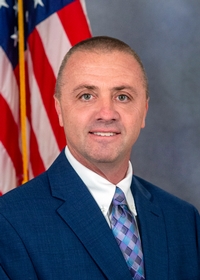
Rep. Dan Deasy
Sponsored bills
Maddy summaryPennsylvania House Bill 2734 requires health insurance companies to cover FDA-approved diagnostic tests and treatments that slow the progression of Alzheimer's disease and related dementias. The mandate applies to insurers offering individual or group health policies in the state, with a compliance deadline of January 1, 2028, unless federal law preempts the requirement. The bill explicitly prohibits insurers from using step therapy for these specific treatments, meaning patients cannot be forced to try other medications first before receiving coverage for approved Alzheimer's therapies.
Maddy summaryThis bill designates a specific highway interchange in Schuylkill County as a memorial to Pennsylvania State Police Trooper Michael E. Pahira, Jr., who died in the line of duty in 2026. The legislation requires the Department of Transportation to install signs identifying the interchange by his name. This action honors Trooper Pahira's service and memory without altering any traffic laws or infrastructure.
Maddy summaryThis Pennsylvania House resolution designates October 20, 2026, as Community Health Worker Awareness Day to honor the contributions of community health workers throughout the state. The bill aims to raise public awareness about these trusted professionals who help residents navigate healthcare systems, access resources, and manage health conditions. While the resolution does not create new laws or funding, it formally recognizes the vital role these workers play in improving community health and encourages continued investment in their training and support.
Maddy summaryThis bill is a ceremonial resolution that designates June 12, 2026, as "Women Veterans Day" in Pennsylvania to honor the contributions of female military service members. The measure does not create new laws or change any government policies; instead, it serves to formally acknowledge the state's approximately 70,000 women veterans and highlight their growing presence in the armed forces. The text includes background information on the history of women in the military and notes specific challenges they face, such as higher rates of military sexual trauma and lower utilization of veteran benefits. Ultimately, the resolution aims to raise awareness about these issues rather than implementing concrete programs or funding changes.
Maddy summaryThis resolution formally recognizes July 25, 2026, as "World IVF Day" throughout Pennsylvania. It highlights the importance of in vitro fertilization for helping individuals and couples overcome infertility and acknowledges the critical role embryologists play in the process. The bill does not change any laws or policies; instead, it serves as a symbolic gesture to celebrate advancements in fertility medicine and the millions of babies born via IVF worldwide.
Maddy summaryHB 482 authorizes Pennsylvania to join the Interstate Occupational Therapy Licensure Compact, enabling licensed occupational therapists and assistants from Pennsylvania to practice in other participating states without obtaining separate licenses. The bill establishes mechanisms for mutual recognition of licenses, sharing of disciplinary and investigative data between states, and accountability for practitioners providing services across state lines. It directly affects occupational therapists, assistants, and patients seeking services in multiple states, particularly supporting military spouses relocating and expanding telehealth access. Key provisions include requiring states to participate in a shared data system, defining terms like "Compact Privilege," and preserving each state’s regulatory authority over local practice standards. This is a procedural bill enabling Pennsylvania’s participation in an existing interstate framework, not creating new licensing requirements.
Maddy summaryThis bill amends Pennsylvania's Right-to-Know Law to ban government agencies from signing nondisclosure agreements related to data centers. The law prohibits any contract that restricts the public from accessing information about the construction, development, or location of these facilities. If an agency signs such an agreement, the contract is considered void and unenforceable. The bill defines a data center as a facility used to process, store, or transmit data using computers and software.
Maddy summaryThis bill grants school administrators in Pennsylvania's first-class cities and school districts the right to engage in collective bargaining with their employers. It allows these administrators to negotiate terms regarding pay, working hours, benefits, and dispute resolution through designated representatives. The Pennsylvania Labor Relations Board will handle any disagreements about these bargaining items using the same process applied to other public employees. The changes apply immediately upon the bill's enactment.
Maddy summaryThis resolution directs the Joint State Government Commission to study suicide prevention and data collection efforts in Pennsylvania and provide recommendations for improvement. The study will specifically examine how well the state has met eight existing suicide prevention goals and analyze the Pennsylvania Violent Death Reporting System to identify barriers like lack of mandatory reporting and insufficient funding. The commission is tasked with proposing legislative actions to ensure medical examiners, coroners, and law enforcement agencies consistently report violent death data to the Department of Health.