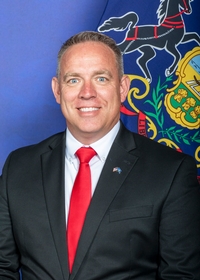
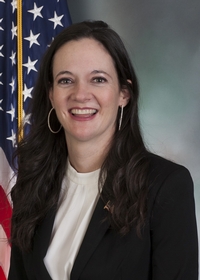
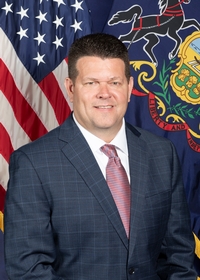
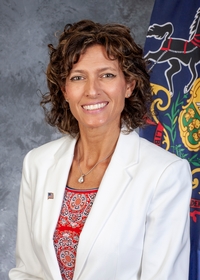
Senate Bill 323 creates the Keystone National Finance Authority, a new public entity intended to promote economic development and job creation across Pennsylvania and the United States. This authority aims to provide additional financing for a wide range of projects, including industrial, commercial, and agricultural activities, as well as infrastructure, transportation, energy, and housing developments. It is designed to issue bonds and engage in conduit financing to fund these projects, supporting community revitalization and business opportunities. The authority is intended to serve as a public instrumentality of the Commonwealth, complementing existing agencies.
Senate Bill 1296 requires commercial drivers in Pennsylvania to demonstrate English proficiency by being able to converse with the public, understand traffic signs, respond to officials, and complete reports. Drivers who fail to meet this standard face a $500 fine and a one-year disqualification for a first offense, with penalties increasing for repeat violations. The bill also imposes fines on employers and contractors if their drivers are convicted of violating the English proficiency requirement.
SB 997 updates Pennsylvania's motor carrier safety regulations by clarifying the role and duties of the Motor Carrier Safety Advisory Committee. The bill directly affects commercial trucking companies and the committee members who advise on safety standards. Key provisions require the committee to provide regular recommendations on safety practices and share updates with the state transportation department. This change aims to improve how safety guidance is developed and communicated within the industry.
SB 990 prohibits Pennsylvania state agencies and local governments from restricting the use, purchase, or sale of motor vehicles based on their power source (e.g., electric, hybrid, or gasoline). This directly affects vehicle owners, dealers, and local governments that might have considered implementing such restrictions. The bill adds a new section to vehicle law stating that no political subdivision may impose these restrictions, though it does not affect rules for government-owned fleets. The law takes effect 60 days after enactment.
SB 802 creates a voluntary "communication impairment designation" for Pennsylvania drivers with conditions affecting communication (e.g., autism, aphasia). Drivers submit a medical professional's sworn statement, confirm voluntary disclosure, and provide emergency contact info to add a visible "i" symbol to their license. Law enforcement can access the designation and emergency contacts during traffic stops via secure networks, but specific medical details remain private and are not public records. The designation can be added, updated, or removed without fees (except standard license renewal costs), with penalties for fraudulent applications or misuse to avoid lawful orders.
HB 1615 amends Pennsylvania laws related to sentencing, driver licensing, and traffic offenses. It requires notice to drivers when their Accelerated Rehabilitative Disposition (ARD) for a traffic offense is accepted, and updates penalties for driving under the influence (DUI), including stricter grading for repeat offenses and enhanced penalties for homicide by vehicle while driving under the influence. The bill also revises procedures for licensing when a driver's privilege is suspended or revoked. These changes directly affect drivers facing traffic-related charges, courts processing these cases, and prosecutors seeking appropriate penalties. The bill is currently under review in the Transportation committee.
SB 1096 amends Pennsylvania's vehicle laws to allocate supplemental state funding specifically for rural infrastructure projects, such as road and bridge repairs. This bill directly affects rural communities and local governments in Pennsylvania that maintain infrastructure in less populated areas. The key mechanism provides new state funds within the existing transportation budget framework, targeting improvements to aging rural roads and bridges. The bill does not change vehicle regulations but adds dedicated resources for infrastructure maintenance in rural regions.
This bill modifies Pennsylvania's oil and gas fee structure to redirect 40% of remaining revenue from unconventional gas well fees (after 2011) into the Marcellus Legacy Fund. Specifically, 25% of this portion will fund county bridge repairs through the Highway Bridge Improvement Restricted Account. Counties and municipalities can use these funds to repair deteriorated bridges, regardless of federal aid eligibility, by submitting approved repair plans. The funds are distributed proportionally based on county population, and first- or second-class counties may also use them for public transportation authority bridges. This changes how oil and gas fee revenue is allocated to support local infrastructure.
HB 416 establishes a new Child Care Staff Recruitment and Retention Program to support early childhood educators and creates a Rural Health Transformation Program to improve healthcare access in underserved areas. It also streamlines permit processes for economic development projects through the Streamlining Permits for Economic Expansion and Development Program. These provisions are integrated into the 2025 state budget implementation, alongside administrative updates to tax collection procedures, state fund management, and reporting requirements for agencies like the Department of Revenue and Treasury. The bill does not alter existing tax rates or create new funding streams but modifies how current state financial systems operate.
HB 646 amends Pennsylvania's vehicle code to prohibit drivers from using hearing impairment devices, such as hearing aids or cochlear implants, while operating a motor vehicle. This law directly affects drivers who rely on such devices, making it illegal to use them while driving. The key provision updates the "rules of the road" under Title 75 to explicitly ban the use of these devices behind the wheel. The bill became law as Act No. 43 of 2025 after receiving gubernatorial approval on November 6, 2025.