Issue · Transportation

Transportation

Every transportation bill, vote, and legislator stance in Pennsylvania, automatically classified by Maddy, our AI policy reader.

Total bills
170
119th Congress
Top supporter
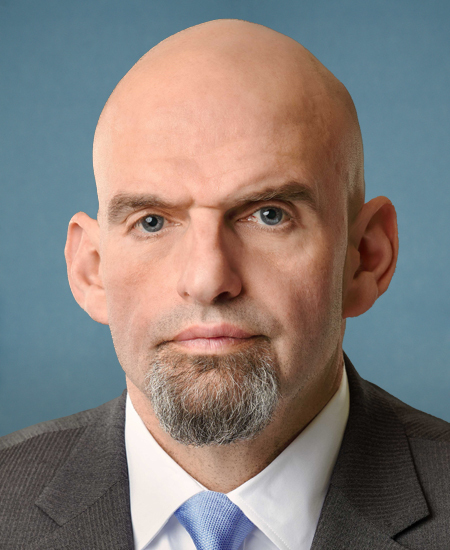
John Fetterman
70% support rate
Top opponent
David McCormick
33% support rate
Ranked legislators
9
5 support · 4 oppose
Key legislators

Who's moving transportation in Pennsylvania

Legislators moving transportation in Pennsylvania
Legislator Party Stance Support rate Votes
John Fetterman
John Fetterman Senate
D
Support
70% 150
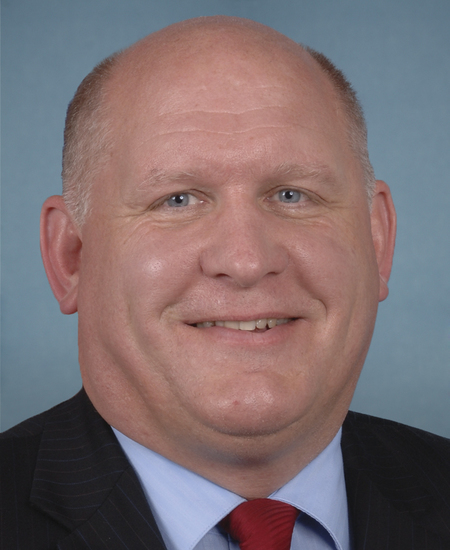
Glenn Thompson
Glenn Thompson House · District 15
R
Support
64% 119
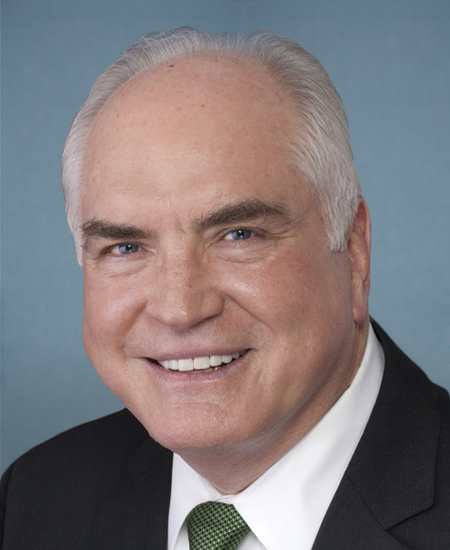
Mike Kelly
Mike Kelly House · District 16
R
Support
60% 121
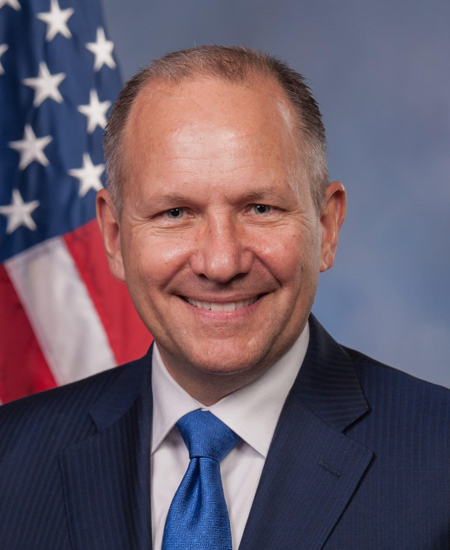
Lloyd Smucker
Lloyd Smucker House · District 11
R
Support
60% 122
Daniel Meuser
Daniel Meuser House · District 9
R
Support
60% 117
David McCormick
David McCormick Senate
R
Oppose
33% 153
Scott Perry
Scott Perry House · District 10
R
Mixed −
47% 123
Brian K. Fitzpatrick
Brian K. Fitzpatrick House · District 1
R
Mixed −
47% 123
Ryan Mackenzie
Ryan Mackenzie House · District 7
R
Mixed −
47% 123
Showing 1–10 of 170 bills

All transportation bills

in committee · United States · House Sep 4, 2026

HR 10303: FLIGHT DECK Act

The FLIGHT DECK Act requires the Federal Aviation Administration to create a voluntary program that allows certified air traffic controllers to sit on the flight deck of commercial or general aviation aircraft during flights. This initiative is designed to help controllers better understand the onboard conditions and complex requirements faced by flight crews. Participation is limited to one round trip within the United States, its territories, Alaska, and Hawaii, with no government reimbursement for travel expenses. The FAA must consult with pilot and controller unions to establish safety policies and ticketing rules, and it must submit a report to Congress one year after the program begins detailing participation levels and any barriers encountered.
Sub-Topics Airports
in committee · United States · House Aug 13, 2026

HR 10099: Freedom Haulers Act

The Freedom Haulers Act extends the existing waiver period for military service members seeking a commercial driver's license from 12 to 24 months after separation. It requires states to waive specific knowledge and driving tests for current or former military personnel who held designated vehicle operator roles, such as motor transport operators or fuelers, within the last two years. To qualify, applicants must certify they have operated comparable commercial vehicles during that period and maintain a clean record with no serious traffic violations, license suspensions, or at-fault crashes. The bill also mandates waivers for specialized endorsements related to passenger transport, tank vehicles, and hazardous materials, provided the applicant meets similar service and safety criteria.
in committee · United States · House Aug 6, 2026

HJRES 212: Providing congressional disapproval under chapter 8 of title 5, United States Code, of the rule submitted by the Environmental Protection Agency relating to "California State Motor Vehicle Pollution Control Standards; Advanced Clean Car Program; Reconsideration of a Previous Withdrawal of a Waiver of Preemption; Notice of Decision".

This joint resolution seeks to overturn a specific rule issued by the Environmental Protection Agency regarding California's Advanced Clean Car Program. If passed, the measure would nullify the EPA's decision to reconsider a previous withdrawal of a waiver that allowed California to set stricter vehicle emission standards than the federal government. The bill directly affects the automotive industry and state regulators by preventing the implementation of these new, state-specific pollution controls. Essentially, it aims to stop the EPA from enforcing a rule that would have expanded California's authority to regulate vehicle emissions.
in committee · United States · Senate Jul 30, 2026

S 5203: TURBO Act

The TURBO Act expands tax-exempt financing options for specific transportation projects to encourage investment in urban transit and freight infrastructure. It directly affects state and local governments issuing bonds to fund these initiatives by raising the maximum borrowing limit for highway and freight transfer facilities from $30 billion to $45 billion. Additionally, the bill allows tax-exempt bonds to be used for purchasing rolling stock like trains and permits high-speed intercity rail projects to have a maximum speed limit of 110 miles per hour instead of 150. These changes apply to any bonds issued after the law is enacted.
in committee · United States · House Aug 6, 2026

HJRES 210: Providing for congressional disapproval under chapter 8 of title 5, United States Code, of the rule submitted by the Environmental Protection Agency relating to "California State Nonroad Engine Pollution Control Standards; Ocean-Going Vessels At-Berth; Notice of Decision".

This bill proposes to reject a specific rule issued by the Environmental Protection Agency regarding pollution control standards for ocean-going vessels at ports in California. If passed, the measure would use a congressional veto to cancel the rule, preventing it from taking legal effect. The legislation directly impacts the EPA's ability to enforce these specific emission limits and affects shipping companies and ports in California that would have been subject to the new standards.
in committee · United States · House Jul 23, 2026

HJRES 205: Providing for congressional disapproval under chapter 8 of title 5, United States Code, of the rule submitted by the Environmental Protection Agency relating to "California State Motor Vehicle Pollution Control Standards; Notice of Decision Granting a Waiver of Clean Air Act Preemption for California's Advanced Clean Car Program and a Within the Scope Confirmation for California's Zero Emission Vehicle Amendments for 2017 and Earlier Model Years".

This joint resolution seeks to overturn a specific Environmental Protection Agency rule that allowed California to set its own stricter vehicle emission standards. If passed, the bill would cancel the waiver that permits California to enforce the Advanced Clean Car Program and related zero emission vehicle rules for cars made in 2017 and earlier. The measure directly affects vehicle manufacturers and California residents by aiming to restore the federal government's authority to set uniform national emission standards instead of state-specific ones.
in committee · United States · House Jul 30, 2026

HR 9997: National Guard for National Service Act of 2026

This bill directs the National Guard Bureau and the Corporation for National and Community Service to create a pilot program that combines military service with national service activities. The program aims to protect critical infrastructure like energy and transportation systems, improve cybersecurity for schools and local governments, and help communities prepare for disasters. It also seeks to build a nationwide training pipeline that connects part-time National Guard members with career opportunities to address economic insecurity. Before launching the pilot, the agencies must conduct a feasibility study to determine the costs, necessary legal changes, and potential benefits of integrating these two types of service.
in committee · United States · House Jul 23, 2026

HR 9911: Shipbuilding Investment and Workforce Act

This bill creates a new tax incentive program to encourage investment in specific areas designated for maritime industries, such as shipyards and ports. It allows certain census tracts identified by the Secretary of Commerce, in consultation with federal officials, to be treated as qualified opportunity zones, which offers tax benefits to investors who put money into businesses operating within those areas. To qualify, the businesses must be directly involved in maritime activities like building or repairing vessels, and the program is limited to a maximum of 100 designated zones. The changes to the tax code will take effect after December 31, 2026, with the initial selection process for these zones beginning by July 1, 2027.
Sub-Topics Tax Incentives Ports Tags Economic Development
in committee · United States · Senate Jul 22, 2026

S 5086: ASAP Act

The ASAP Act authorizes $350 million annually to help states and local governments upgrade accessibility at older rail stations and facilities that were built before 1990. These funds can be used to retrofit infrastructure such as platforms and entrances to meet modern disability standards, ensuring they are usable by people who use wheelchairs or have sensory and intellectual disabilities. To receive funding, recipients must create a plan that addresses accessibility for all types of disabilities and considers equity for low-income riders and communities of color. The bill also requires that the Secretary of Transportation encourage coordination with disability advocacy groups to assess project needs and progress.
Sub-Topics Airports Rail
in committee · United States · House Jul 23, 2026

HR 9898: Transportation for Reentry Act

The Transportation for Reentry Act requires transit agencies receiving federal funding to offer free public transportation to individuals released from prison after serving at least one year. Under this bill, these agencies must provide the service for one year starting from the person's release date and cover costs related to program setup, staff training, and outreach. To receive federal grants, transit recipients must establish enrollment systems, track usage data, and ensure compliance with the program's duration requirements. The legislation authorizes $40 million annually from 2027 to 2031 to support these efforts and mandates a final report on the program's impact five years after enactment.
Showing 1 to 10 of 170 bills
1 2 3 17 Next