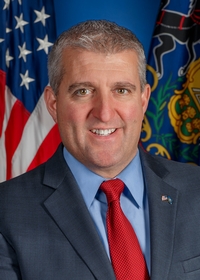
HB 2190 amends Pennsylvania's Public Employe Relations Act to change how collective bargaining impasses are resolved for specific public safety and court staff. It requires binding arbitration for disputes involving prison guards, mental hospital staff, peace officers, and court employees when mediation fails - meaning the arbitrator's decision becomes final and enforceable. However, if an arbitration decision would require new legislation (e.g., changing pay rates or benefits), that part would only be advisory, not binding. The bill directly affects these public employee groups whose work is critical to security and court operations. This change streamlines dispute resolution while maintaining legislative oversight for policy changes.
This bill, titled the Broadcast Freemarket Agreement Act, prohibits employers in the radio, television, and digital media industries from enforcing non-compete clauses in employment contracts. It declares such agreements void if they stop workers from moving to other companies or performing services within a specific geographic area after leaving their current job. The law also ensures that employees cannot be forced to sign away these protections, while still allowing employers to maintain confidentiality agreements regarding trade secrets.
This bill grants school administrators in Pennsylvania's first-class cities and school districts the right to engage in collective bargaining with their employers. It allows these administrators to negotiate terms regarding pay, working hours, benefits, and dispute resolution through designated representatives. The Pennsylvania Labor Relations Board will handle any disagreements about these bargaining items using the same process applied to other public employees. The changes apply immediately upon the bill's enactment.
HB 1344 amends Pennsylvania state law to establish minimum training standards for police officers who work with police dogs. The bill directly affects municipal police departments and officers using canine units across the state. Its key provision requires officers to complete specific, standardized training programs before deploying police dogs, ensuring consistent competency and safety protocols. The legislation focuses on setting clear, measurable requirements for handler training rather than addressing broader police practices.
This bill creates a new tax credit for small businesses in Pennsylvania that help employees pay for health insurance purchased through the state exchange. To qualify, a business must have 50 or fewer employees and make contributions toward health reimbursement arrangements for their workers. The credit is calculated based on the first $1,000 of contributions per employee and can be applied to reduce the business's state tax liability. Companies claiming the credit must submit detailed forms to the Department of Revenue listing employee information and insurance provider details.
HB 2544 updates Pennsylvania's Public School Code to establish a formal framework for negotiating compensation and benefits plans for school administrators, including principals and assistant principals. The bill requires school boards to meet with administrators in good faith to create written agreements covering salary schedules, fringe benefits, and performance evaluation processes. These agreements must remain in effect for at least one school year but no longer than five, and they include a nonbinding mediation step for resolving disputes before potential legal appeals. The legislation applies to all public school entities in the state and maintains existing restrictions on strikes while clarifying the definitions of administrative roles and employer responsibilities.
HB 71 amends Pennsylvania's vehicle code to update safety requirements for towed vehicles, specifically addressing size, weight, and load limits. It directly affects commercial towing operators and vehicle owners who transport trailers or towed equipment. The bill modifies existing regulations to impose stricter safety standards for how vehicles are loaded and secured during transport. These changes aim to reduce accidents and improve road safety by ensuring towed vehicles meet standardized weight and stability requirements.
This bill requires Pennsylvania law enforcement agencies to publicly notify the community 14 days before hiring an officer with a history of specific disciplinary actions, such as excessive force, theft, or sexual misconduct. Agencies must also submit detailed hiring reports explaining their rationale for employing individuals with these records to a state commission, which will maintain these reports in a public database. To ensure compliance, the legislation imposes penalties that could make non-compliant agencies ineligible for state funding related to equipment, hiring, overtime, and community programs. Additionally, the bill mandates an annual public report reviewing the database's impact on police accountability and community safety.
This bill allocates $81.3 million from the Workmen's Compensation Administration Fund to the Department of Labor and Industry to cover operating expenses for the fiscal year 2026-2027. The funds will support salaries, wages, travel, and contractual services needed to administer the Workers' Compensation Act and the Pennsylvania Occupational Disease Act. An additional $550,000 is designated for the Office of Small Business Advocate within the Department of Community and Economic Development to fund its operations during the same period. The legislation also authorizes payment of any outstanding bills from the previous fiscal year that remain unpaid as of June 30, 2026.
This bill establishes the Fire Company Transformational Grant Program in Pennsylvania to provide financial support to municipal, volunteer, and combination fire companies. The program will be funded with up to $30 million annually from the Property Tax Relief Reserve Fund and allows grants ranging from $100,000 to $1 million, with a higher limit for consolidated agencies. Eligible fire companies can use the funds to purchase equipment, build or renovate facilities, recruit and retain staff, and support regionalization efforts. To qualify, applicants must meet specific administrative requirements, such as maintaining current contact information and being registered with a public safety answering point. The administering office will set detailed guidelines for the application process, evaluate requests based on established criteria, and require annual reports on how the grants are used.