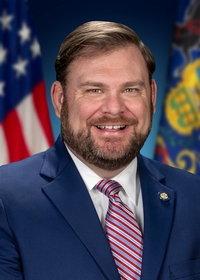
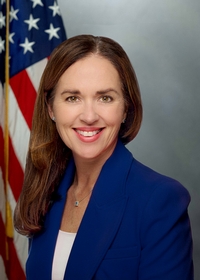
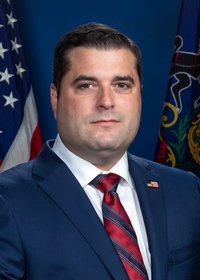
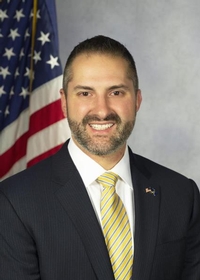
This Pennsylvania House Resolution designates May 2026 as "Amyotrophic Lateral Sclerosis Awareness Month" to highlight the impact of ALS on patients and their families. The bill does not change laws or allocate funding; instead, it serves as a symbolic gesture to increase public understanding of the disease and support ongoing research efforts. By formally recognizing the month, the resolution aims to draw attention to the challenges faced by those living with ALS and the importance of continued medical investigation.
This bill designates May 15, 2026, as Prader Willi Syndrome Awareness Day in Pennsylvania to highlight the rare genetic disorder and support affected individuals and families. The resolution aims to increase public understanding of the condition's symptoms, such as hyperphagia and cognitive challenges, and to promote early diagnosis and access to care. By officially recognizing this day, the bill seeks to encourage community awareness and demonstrate support for those impacted by the syndrome.
HB 237 expands Pennsylvania's death benefits for first responders' families to include cases where a firefighter, officer, or emergency worker dies from mental health conditions linked to on-duty trauma. It creates a legal presumption of line-of-duty death if the person died while influenced by a diagnosed psychiatric disorder from traumatic events (like crime scenes or mass casualties) or within 45 days of such exposure with an undiagnosed condition. The bill adds specific definitions for "personal injury sustained in the line of duty" to include PTSD and related disorders, and clarifies that traumatic events cover incidents involving serious injury, minors, or life threats. Benefits apply retroactively to deaths occurring on or after January 1, 2019, regardless of when the trauma happened.
This bill designates April 2026 as "Donate Life Month" and April 10, 2026, as "Blue and Green Day" in Pennsylvania to raise awareness about organ and tissue donation. The resolution does not change laws or create new programs but serves as a symbolic gesture to encourage public support for donation efforts. It highlights Pennsylvania's existing donation statistics and the work of state health agencies and organ procurement organizations in promoting donor registration. The measure is intended to increase visibility for organ donation awareness campaigns during the designated month and day.
This House Resolution designates April 25, 2026, as "Diabetic Eye Screening Day" in Pennsylvania to raise awareness about diabetic retinopathy, a leading cause of blindness among people with diabetes. The resolution does not create new laws or funding but serves as a symbolic recognition of free and low-cost eye screening events organized by various medical institutions across the state. It highlights the importance of early detection for diabetic eye conditions, which often show no symptoms until vision damage becomes irreversible. The measure is sponsored by multiple state representatives and focuses on promoting public health awareness rather than implementing policy changes.
This bill designates the week of April 11 through 17, 2026, as "Black Maternal Health Week" in Pennsylvania to raise awareness about maternal health disparities affecting Black women. The resolution highlights statistics showing that Black women in the state face significantly higher pregnancy-related death rates compared to other groups, with many cases deemed preventable. It does not create new funding or policy requirements but serves as a symbolic gesture to focus public and legislative attention on the issue. The measure is sponsored by multiple representatives and referred to the Committee on Children and Youth for consideration.
HB 80 would authorize Pennsylvania to join the Audiology and Speech-Language Pathology Interstate Compact. This compact allows licensed audiologists and speech-language pathologists to practice in other participating states without obtaining separate licenses for each state. The bill directly affects these healthcare professionals and their patients, streamlining cross-state practice for providers. It creates a standardized process for reciprocity among member states, eliminating redundant licensing requirements.
HB 348 amends Pennsylvania's Human Services Code to require the state human services department to notify medical assistance applicants about their right to legal representation during application or eligibility reviews. This change directly affects individuals applying for medical assistance programs (like Medicaid) and the department responsible for processing these applications. The key provision mandates that applicants receive written notice detailing their option to seek legal help, which the department must provide before finalizing eligibility decisions. The bill focuses on improving transparency in the application process without altering eligibility criteria or benefit amounts.
HB 1530, the Genetic Information Privacy Act, requires direct-to-consumer genetic testing companies operating in Pennsylvania to protect residents' genetic data. Companies must obtain clear, separate consent for data collection, use, sharing, and retention; implement security measures; and provide consumers with access to or deletion of their data. The bill specifically prohibits sharing genetic data with insurers, employers, or third parties without explicit written consent. Violations could result in $2,500 civil penalties per incident, enforced by the Attorney General’s office. The law applies to Pennsylvania residents and covers genetic data like DNA test results, but excludes research data collected under federal health privacy rules.
HB 923 amends the State Lottery Law to redirect lottery revenue toward providing pharmaceutical assistance for elderly residents. It directly affects seniors who qualify for prescription drug aid under state programs by modifying eligibility determination procedures. The key provision updates how income and asset thresholds are calculated to determine who qualifies for this assistance. The bill became law on November 24, 2025, after approval by both legislative chambers and the governor.