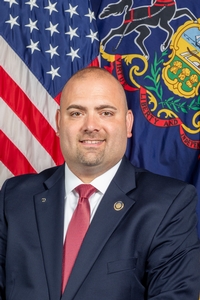
HB 482 authorizes Pennsylvania to join the Interstate Occupational Therapy Licensure Compact, enabling licensed occupational therapists and assistants from Pennsylvania to practice in other participating states without obtaining separate licenses. The bill establishes mechanisms for mutual recognition of licenses, sharing of disciplinary and investigative data between states, and accountability for practitioners providing services across state lines. It directly affects occupational therapists, assistants, and patients seeking services in multiple states, particularly supporting military spouses relocating and expanding telehealth access. Key provisions include requiring states to participate in a shared data system, defining terms like "Compact Privilege," and preserving each state’s regulatory authority over local practice standards. This is a procedural bill enabling Pennsylvania’s participation in an existing interstate framework, not creating new licensing requirements.
This bill (HB 2024) requires Pennsylvania's Office of the Deputy Adjutant General for Veterans' Affairs to create a mandatory training program for county veterans affairs directors. The program must cover specific topics like trauma-informed care, military sexual trauma, PTSD, and traumatic brain injury, developed in collaboration with the State Association of County Directors of Veterans Affairs. It directly affects county-level veterans' service staff who assist veterans across Pennsylvania. The training program becomes effective 180 days after the bill's passage.
SB 146 establishes a Veterans' Trust Fund Board to manage and oversee the State Veterans' Trust Fund under Pennsylvania law. The bill directly affects veterans' programs by creating a dedicated board to administer funds supporting veteran services, such as housing, healthcare, and employment initiatives. Key provisions include defining the board's structure, responsibilities, and governance for the Trust Fund, updating existing statutes to reflect these changes. The bill does not create new benefits but organizes the management of existing funding streams for veterans' support. (Note: As of the latest action, the bill was "Reported as amended" in committee and has not yet become law.)
SB 604 authorizes Pennsylvania to join the Counseling Compact, a multi-state agreement allowing licensed professional counselors to practice across participating states without obtaining separate licenses. This directly affects licensed counselors - especially those serving military families who relocate frequently - and their clients in member states. Key provisions include mutual recognition of licenses, standardized disciplinary processes, and support for telehealth services to improve access to counseling. The compact eliminates the need for counselors to hold multiple state licenses while ensuring accountability under each state’s practice laws where the client is located.
This Pennsylvania bill requires health insurance companies to cover fertility preservation services for individuals facing medically necessary cancer treatments that could cause infertility. The law mandates that insurers include at least three years of egg, sperm, or ovarian tissue storage at an in-network facility, with a minimum lifetime benefit of $100,000 per person. While the coverage must follow standard policy rules like deductibles and copayments, religious employers are allowed to request exemptions if the services conflict with their beliefs, provided they notify patients and allow them to buy separate supplemental insurance.
This bill allows Pennsylvania residents to voluntarily donate $5 when they renew their driver's licenses or vehicle registrations online. The funds collected will go exclusively to the Office for the Deaf and Hard of Hearing to help provide communication access services for those individuals. The donation is optional and will be added to the regular renewal fee, with annual reports required to track how much money is raised and how it is spent.
This Pennsylvania House resolution designates June 2026 as Scoliosis Awareness Month to highlight a spinal condition affecting millions of people, particularly children and teenagers. The bill aims to encourage the public to learn more about scoliosis and support early screening efforts to prevent severe spinal deformities. It does not change laws or allocate funding but serves as a symbolic gesture to promote awareness and community support for those affected by the condition.
SB 1261 updates Pennsylvania laws to provide financial assistance to fire and emergency medical services (EMS) companies through a state loan program. The bill allows these organizations to apply for loans to purchase or modernize vehicles, facilities, and protective equipment, while also permitting refinancing of existing debt. Key provisions include setting specific loan limits, requiring applicants to contribute at least 20% of project costs, and mandating that protective gear be free of harmful chemicals. Additionally, the legislation repeals previous COVID-19 specific grant programs and establishes a requirement for annual reporting on the use of these funds.
HB 996 repeals an expiration date for a provision regulating basic life support ambulances in Pennsylvania's emergency medical services system. Specifically, it removes the clause stating that exceptions to ambulance standards would expire on April 29, 2027. This change means the existing regulatory exception for basic life support ambulances will remain in effect indefinitely without a future sunset date. The bill directly affects ambulance services and emergency medical providers operating under Pennsylvania's Title 35 health and safety regulations.
HB 1123 updates Pennsylvania's 1921 Insurance Company Law to require casualty insurance policies to cover colorectal cancer screening without cost-sharing. This affects insured residents in Pennsylvania who need preventive screenings, ensuring they face no copays or deductibles for this specific health service. The key provision mandates insurers to include coverage for colon cancer screenings as a standard benefit under casualty insurance policies. The bill passed final passage on October 29, 2025, and is now pending implementation under the Banking & Insurance committee. This change directly removes financial barriers for early detection of colorectal cancer through existing insurance coverage.