Issue · Criminal Justice

Criminal Justice (Juvenile Justice)

Every criminal justice bill, vote, and legislator stance in Pennsylvania, automatically classified by Maddy, our AI policy reader.

Total bills
47
2025-2026 Regular Session
Top supporter
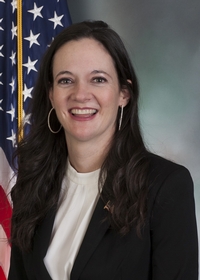
Kristine Howard
83% support rate
Top opponent
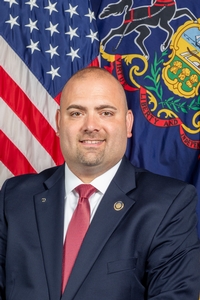
Stephanie Borowicz
13% support rate
Ranked legislators
10
5 support · 5 oppose
Key legislators

Who's moving juvenile justice in Pennsylvania

Legislators moving juvenile justice in Pennsylvania
Legislator Party Stance Support rate Votes
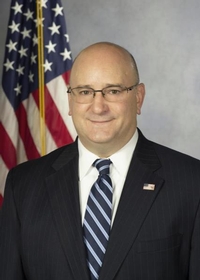
Kristine Howard
Kristine Howard House · District 167
D
Strong +
83% 18
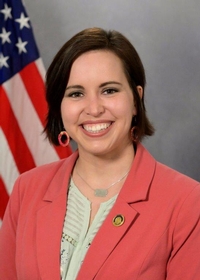
Ben Sanchez
Ben Sanchez House · District 153
D
Strong +
81% 16
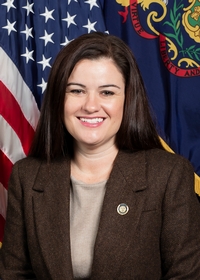
Emily Kinkead
Emily Kinkead House · District 20
D
Strong +
81% 16
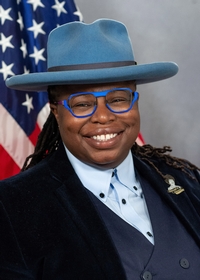
La'Tasha Mayes
La'Tasha Mayes House · District 24
D
Strong +
81% 16
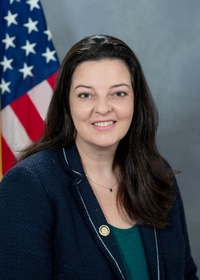
Liz Hanbidge
Liz Hanbidge House · District 61
D
Strong +
80% 20
Stephanie Borowicz
Stephanie Borowicz House · District 76
R
Strong −
13% 15
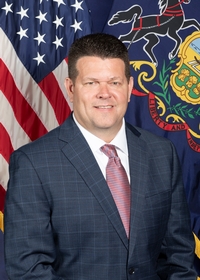
Joe Hamm
Joe Hamm House · District 84
R
Strong −
20% 15
Charity Krupa
Charity Krupa House · District 51
R
Oppose
21% 14
Jamie Walsh
Jamie Walsh House · District 117
R
Oppose
23% 13
Josh Kail
Josh Kail House · District 15
R
Oppose
25% 16
Showing 41–47 of 47 bills

All criminal justice bills

passed · Pennsylvania · House Jun 22, 2026

HB 1616: An Act amending Titles 18 (Crimes and Offenses) and 42 (Judiciary and Judicial Procedure) of the Pennsylvania Consolidated Statutes, in offenses against the family, further providing for the offense of dealing in infant children; and, in depositions and witnesses, providing for sentencing considerations for child victim offenders.

HB 1616 allows Pennsylvania judges to consider a child offender's prior victimization in sentencing. If a child was sexually abused (as defined by specific offenses like rape or sexual assault under state law) and committed a crime directly because of that abuse or severe emotional distress, courts may reduce or eliminate prison time, skip fines, or transfer the case to juvenile court. The law does not apply to cases involving human trafficking or if the victim did not engage in prohibited conduct. This changes sentencing for children convicted of crimes where their own abuse was a direct cause.
in committee · Pennsylvania · House Jun 17, 2026

HB 1381: An Act amending Title 42 (Judiciary and Judicial Procedure) of the Pennsylvania Consolidated Statutes, in juvenile matters, further providing for definitions.

HB 1381 amends Pennsylvania's juvenile justice definitions by raising the minimum age for a "delinquent child" from 10 to 13 years old. This change directly affects children aged 10-12 who previously could be classified as delinquent under the law; they will no longer be considered "delinquent children" under this definition. The bill modifies Section 6302 of Title 42 (Judiciary and Judicial Procedure) to specify that a "delinquent child" must be 13 or older, with the court finding they committed a delinquent act requiring treatment or rehabilitation. The amendment applies to juvenile proceedings beginning on or after its effective date, 60 days after enactment.
passed · Pennsylvania · House Jun 18, 2025

HB 1511: An Act amending Title 44 (Law and Justice) of the Pennsylvania Consolidated Statutes, providing for miscellaneous provisions and for violent incident clearance and technological investigative methods; establishing the Violent Incident Clearance and Technological Investigative Methods Program; and imposing duties on the Pennsylvania Commission on Crime and Delinquency.

HB 1511 creates the Violent Incident Clearance and Technological Investigative Methods Program within Pennsylvania's Commission on Crime and Delinquency. The bill requires the Commission to establish this program, which provides funding and guidance for law enforcement agencies to use technology like digital forensics and data analysis to solve violent crimes more effectively. It directly affects Pennsylvania law enforcement agencies handling violent incidents by mandating new reporting requirements and resource allocation for technology-driven investigations. The program aims to improve clearance rates for violent crimes through standardized, tech-enhanced investigative methods.
Sub-Topics Juvenile Justice
in committee · Pennsylvania · House Oct 8, 2025

HB 1613: An Act amending Title 42 (Judiciary and Judicial Procedure) of the Pennsylvania Consolidated Statutes, in juvenile matters, further providing for definitions and for release or delivery to court, providing for mandatory counsel, for child interrogation and for refusal to be recorded electronically and further providing for powers and duties of the Juvenile Court Judges' Commission.

HB 1613 proposes changes to Pennsylvania's juvenile court procedures. It requires courts to provide mandatory legal counsel for young people in court cases, sets new rules for how children can be questioned by authorities, and allows juveniles to refuse having their interviews recorded electronically. The bill directly affects youth involved in juvenile court, their attorneys, and court staff handling these cases. These provisions aim to strengthen procedural safeguards during juvenile court proceedings. The bill is currently in committee review after being re-committed to the Appropriations committee.
in committee · Pennsylvania · Senate Jun 30, 2026

SB 911: An Act amending Title 44 (Law and Justice) of the Pennsylvania Consolidated Statutes, providing for miscellaneous provisions and for violent incident clearance and technological investigative methods; establishing the Violent Incident Clearance and Technological Investigative Methods Program; and imposing duties on the Pennsylvania Commission on Crime and Delinquency.

SB 911 establishes a new "Violent Incident Clearance and Technological Investigative Methods Program" within Pennsylvania's law enforcement framework. It requires the Pennsylvania Commission on Crime and Delinquency to implement this program, focusing on improving the clearance rates of violent crimes through updated investigative techniques. The bill directly affects state agencies, particularly the Commission on Crime and Delinquency, which must develop and manage the program's implementation. Key provisions mandate the Commission to adopt specific methods for using technology in violent crime investigations, aiming to enhance investigative efficiency and outcomes.
in committee · Pennsylvania · House Nov 6, 2025

HB 2008: An Act providing for School-Based Youth Court Pilot Program and for awarding grants; establishing the Youth Court Program Account; and making a transfer.

HB 2008 would create a pilot program allowing schools to establish youth courts to handle minor disciplinary issues involving students, directly affecting participating schools and youth who might otherwise face traditional disciplinary actions. The bill provides grants to schools for implementing these courts, establishes a dedicated Youth Court Program Account to manage funding, and transfers existing state funds into this account to support the initiative. This program aims to offer restorative alternatives to suspensions or referrals to juvenile justice systems for low-level offenses. The bill is currently in the Judiciary committee for review.
passed · Pennsylvania · House Feb 13, 2026

HB 1936: An Act amending Title 42 (Judiciary and Judicial Procedure) of the Pennsylvania Consolidated Statutes, in juvenile matters, further providing for release or holding of hearing, for disposition of delinquent child and for limitation on and change in place of commitment and disposition review hearing.

HB 1936 amends Pennsylvania's juvenile justice laws to change procedures for handling cases involving minors. It specifies when courts must hold hearings before releasing or committing a juvenile, alters where juveniles can be placed for treatment or supervision, and adds requirements for reviewing dispositions (how cases are resolved) after commitment. The bill directly affects juveniles charged with offenses, their families, and juvenile court judges and probation officers who manage these cases. Key changes include setting clearer timelines for hearings, limiting where juveniles can be committed (e.g., away from home), and mandating periodic reviews of their case plans. These provisions aim to standardize court processes while prioritizing youth safety and appropriate supervision.
Showing 41 to 47 of 47 bills
Previous 1 3 4 5