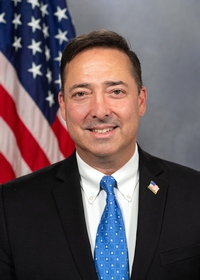
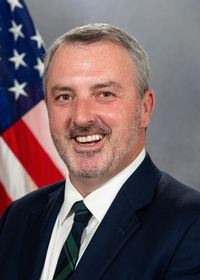
HB 1286 requires human trafficking awareness training for employees at hotels, motels, and similar public lodging establishments (defined as facilities offering >10 rooms for rent) and for workers contracted by third-party providers serving these locations. It also mandates similar training for short-term rental operators (like Airbnb hosts) and platforms listing such rentals. The training must cover identifying trafficking signs, legal definitions, reporting procedures, and differences between labor and sex trafficking in lodging contexts, with records maintained for two years. The Pennsylvania Commission on Crime and Delinquency will approve and list free training programs online to meet these requirements.
SB 911 establishes a new "Violent Incident Clearance and Technological Investigative Methods Program" within Pennsylvania's law enforcement framework. It requires the Pennsylvania Commission on Crime and Delinquency to implement this program, focusing on improving the clearance rates of violent crimes through updated investigative techniques. The bill directly affects state agencies, particularly the Commission on Crime and Delinquency, which must develop and manage the program's implementation. Key provisions mandate the Commission to adopt specific methods for using technology in violent crime investigations, aiming to enhance investigative efficiency and outcomes.
HB 1344 amends Pennsylvania state law to establish minimum training standards for police officers who work with police dogs. The bill directly affects municipal police departments and officers using canine units across the state. Its key provision requires officers to complete specific, standardized training programs before deploying police dogs, ensuring consistent competency and safety protocols. The legislation focuses on setting clear, measurable requirements for handler training rather than addressing broader police practices.
SB 1400 modifies Pennsylvania's sentencing laws for murder to establish a mandatory life imprisonment term for second-degree murder involving unborn children or law enforcement officers. For other second-degree murder cases, the bill sets a standard minimum sentence of 35 years but allows for a reduced minimum of 10 years if the defendant proves they were not the primary actor, did not cause the death, and did not use a deadly weapon. The legislation also creates a specific pathway for courts to impose life imprisonment without parole for second-degree murder if the crime involved a child under 13, rape, a prior violent conviction, or serious injury to another victim. Additionally, the bill updates definitions for motivational boot camps and expands the role of victims in parole hearings for those sentenced to life for second-degree murder.
This bill amends Pennsylvania's turnpike laws to clarify that electronic toll collection data can be shared with law enforcement to help locate abducted children or missing persons at risk. Specifically, it ensures that privacy protections for toll records do not prevent authorities from accessing this information when responding to Amber Alerts or other missing person cases. The legislation directly affects the Pennsylvania Turnpike Commission and law enforcement agencies by defining the scope of data sharing for public safety purposes. It does not create new tolling systems or change how drivers pay, but rather establishes a legal exception to privacy rules for emergency situations. The changes will take effect 60 days after the bill is enacted.
This bill amends Pennsylvania's Sexual Assault Testing and Evidence Collection Act by updating the legal definition of "awaiting testing" for sexual assault evidence. The change clarifies that evidence awaiting testing includes items collected by law enforcement that have not yet undergone DNA or forensic analysis and are part of an ongoing criminal investigation. This definition update directly affects how law enforcement agencies and the Department of Health classify and manage sexual assault evidence in the state. The amendment ensures consistency in terminology used across the existing evidence collection program without altering other operational procedures.
This bill allocates state gaming funds to four Pennsylvania agencies for the 2026-2027 fiscal year, including money to cover unpaid bills from the previous year. It distributes specific amounts from restricted gaming revenue accounts to the Attorney General, Department of Revenue, Pennsylvania State Police, and Pennsylvania Gaming Control Board to cover salaries, wages, and operational expenses related to gaming oversight and enforcement. The legislation also prohibits transferring funds between these specific appropriations and takes effect on July 1, 2026.
SB 520 amends Pennsylvania law to clarify who can legally record communications during enforcement duties, directly affecting waterways conservation officers, game enforcement officers, and parole agents. It expands definitions to allow these officers to use body cameras or recording devices after approved training, while removing public access requirements under the Right-to-Know Law for such recordings. Key provisions include defining "law enforcement officer" to include specific conservation and game officers, requiring training for device use, and repealing prior rules about public access to recordings. The bill also updates enforcement officer powers related to fish and game regulations. This enacted law (Act No. 53 of 2025) focuses on operational clarity for law enforcement recording practices.
SB 475 creates a framework for Pennsylvania courts to establish specialized "problem-solving" treatment courts (including veterans, drug, mental health, and DUI courts) and modifies probation rules. It allows courts to create "veterans tracks" within existing treatment programs and requires judges to consider a defendant's employment status when sentencing for technical probation violations. The bill specifically permits up to 30 days of incarceration to allow defendants to enter treatment courts instead of imposing full sentences for technical probation violations. This directly affects Pennsylvania courts, probation officers, and individuals on probation who commit minor violations.
SB 302 creates a $100 fee for defendants when a protection order is granted without their agreement. The fee is distributed as follows: $25 to the Pennsylvania State Police for the protection order registry, $25 to the law enforcement agency that served the order, $25 to the county sheriff for related costs, and $25 to the Department of Human Services for domestic violence victim services. This bill directly affects individuals subject to protection orders and impacts how courts handle service of these orders. It became law on June 30, 2025 (Act No. 23 of 2025), modifying Pennsylvania’s domestic relations code to fund victim services and registry maintenance.