

Maddy summaryThe Promoting Access to Broadband Act of 2026 directs the Federal Communications Commission to create two grant programs for states to improve access to the Lifeline broadband subsidy. The first program provides funding to help states inform low-income residents who qualify for the Lifeline benefit but are not yet enrolled about how to apply and what the program offers. The second program funds states to connect their local benefit databases with the National Lifeline Eligibility Verifier, ensuring that receipt of other government assistance is properly recorded for eligibility checks. To receive these grants, states must submit detailed plans outlining their outreach strategies and expected reach, with the FCC prioritizing areas with more eligible individuals and diverse geographic regions. The bill also requires the FCC to report on the programs' effectiveness to Congress within three years and authorizes funding for the first five fiscal years.
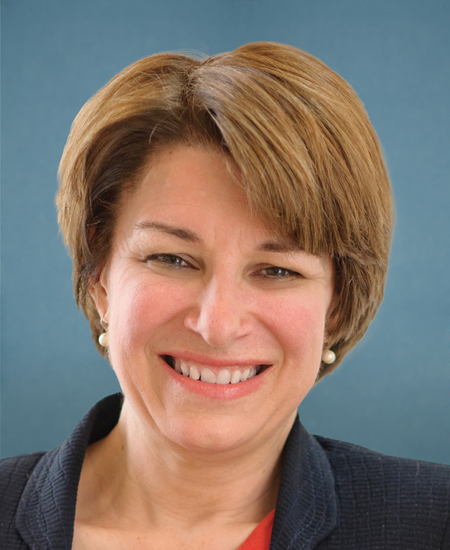
Sponsored bills
Maddy summaryThis bill, known as the Protecting Human Rights and Public Health in Foreign Assistance Act, directs federal agencies to ignore three specific final rules issued by the Department of State. It explicitly prohibits any government department from implementing, enforcing, or creating new policies similar to these existing rules, effectively treating them as if they never existed. The targeted regulations concern protecting life, combating discriminatory equity ideology, and addressing gender ideology within foreign aid programs. By nullifying these rules, the legislation removes the current administrative requirements related to these topics from U.S. foreign assistance activities.
Maddy summaryThe NOPE Act of 2026 expands the congressional review process for U.S. sanctions targeting Russia, specifically including new executive orders and energy-related actions involving Russian crude oil, petroleum products, natural gas, and other energy goods. Under this bill, Congress must review these specific energy sanctions until the Secretary of State certifies that Russia has ended its war in Ukraine and committed to a just peace settlement that compensates Ukraine for war damages. The legislation also creates an exception allowing the government to permit certain energy shipments during the initial review period if they are necessary for crew safety, emergency repairs, environmental protection, or to mitigate economic impacts in foreign countries.
Maddy summaryThis Senate resolution designates April 2026 as Second Chance Month to raise awareness about the challenges faced by individuals with criminal records as they reenter society. The bill highlights how legal and societal barriers, such as restrictions on employment, housing, and education, often prevent formerly incarcerated people from finding meaningful work and rebuilding their lives. By honoring the work of communities and organizations that support reentry, the resolution encourages employers and the public to consider extending second chances to those who have completed their sentences. The designation aims to promote understanding of these obstacles and foster opportunities for individuals to contribute positively to their families and communities.
Maddy summaryThis joint resolution (SJRES 124) directs the President to remove U.S. military forces from Cuba unless Congress has declared war or specifically authorized military action against Cuba. It applies to all current operations in Cuba, including Coast Guard enforcement activities, which the resolution defines as "hostilities" under the War Powers Resolution. The bill asserts Congress holds the sole constitutional authority to authorize military force under Article I, Section 8 of the U.S. Constitution. It does not prevent defensive actions against imminent attacks or lawful counternarcotics operations.
Maddy summaryThe HELP Separated Children Act directs the Department of Homeland Security to identify parents of U.S. children during immigration enforcement actions and ensures they can make phone calls to arrange care for their children. It requires officials to notify child welfare agencies only when a parent cannot arrange care for their child or when there is an imminent risk of harm to the child. The bill also mandates that detained parents be allowed regular contact with their children, participate in family court proceedings, and be considered for release if it serves the child's best interests. Additionally, the legislation requires federal employees involved in these actions to receive training on minimizing trauma to children and establishes a system for collecting data on how the law is implemented.
Maddy summaryThe Housing Survivors of Major Disasters Act of 2026 expands disaster relief assistance to individuals who lived in disaster areas but lacked formal proof of ownership or were not renting, including those who were homeless or stayed in temporary accommodations. It allows these eligible households to use federal funds to pay for obtaining property titles, such as costs for land surveys and associated taxes, by accepting a wide range of documents like utility bills, driver's licenses, and school records as evidence of their connection to the property. The bill also requires FEMA to create a simple, non-notarized form for applicants to self-certify their eligibility and mandates that the agency consult with the Department of Housing and Urban Development to coordinate temporary rental assistance programs for displaced residents. Additionally, the legislation amends existing disaster housing rules to focus on ensuring residences are habitable during long-term recovery and permits temporary housing if the President deems it a cost-effective alternative to other solutions.
Maddy summaryThis Senate resolution formally acknowledges April as Community College Month to honor the role of over 1,000 institutions in providing affordable higher education and workforce training. The bill does not change any laws or allocate funding; instead, it serves as a symbolic statement recognizing how these colleges support economic prosperity and serve diverse student populations. By highlighting statistics on enrollment, tuition costs, and economic impact, the resolution aims to raise public awareness about the value of community colleges without imposing new requirements.
Maddy summaryThis bill, known as the Absentee and Mail Voter Protection Act, aims to overturn a specific executive order by repealing it and prohibiting the use of federal funds to implement similar directives in the future. It directly affects the United States Postal Service, various federal agencies, and state election officials by restricting their ability to regulate mail-in ballots or create national citizenship lists for voting purposes. Key provisions ban federal agencies from sharing voter registration data, compel the Postal Service to continue delivering state-issued mail ballots without interference, and forbid the use of taxpayer money to enforce rules that would require states to adopt specific citizenship verification methods. The legislation seeks to preserve the current system where states manage their own election administration while the Postal Service delivers ballots, citing historical precedents and the high volume of mail-in voting used by Americans.
Maddy summaryThis resolution supports designating April 11-17, 2026, as "Black Maternal Health Week." The designation aims to bring national attention to the maternal and reproductive health crisis in the United States, specifically emphasizing the importance of reducing maternal mortality and morbidity among Black women and birthing people.