Maddy summaryHR 5441, the Fusion Advanced Manufacturing Parity Act, provides a 25% tax credit for manufacturers selling specialized fusion energy components. It directly affects companies producing items like high-temperature superconducting magnets, vacuum vessels, cooling systems, and fusion targets used in fusion energy machines. The credit phases out gradually - 75% in 2032, 50% in 2033, 25% in 2034, and ends after 2034 - and applies to components produced and sold after December 31, 2025. The bill defines these components through detailed technical specifications to clarify eligible products.
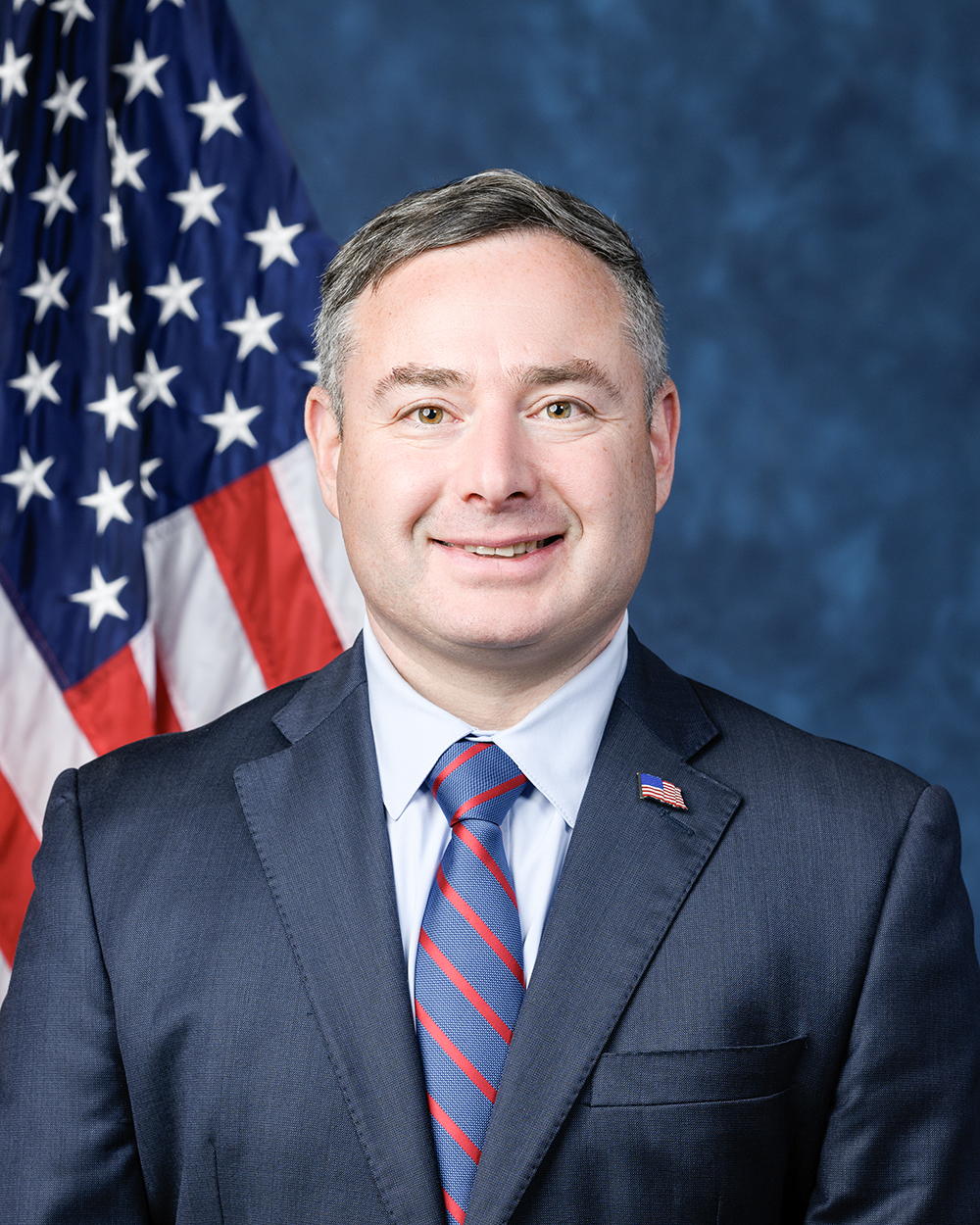
Rep. Eugene Simon Vindman
Sponsored bills
Maddy summaryThis bill requires the 988 Suicide Prevention Lifeline to establish a dedicated "Press 3" option (via IVR) for LGBTQ+ youth seeking crisis support, directly affecting LGBTQ+ youth who face a four times higher suicide risk than peers. It mandates that at least 9% of funds allocated for the lifeline's services be reserved specifically for these specialized LGBTQ+ youth services. The bill amends existing law to formalize this dedicated resource, building on current services that handled over 1.5 million contacts from LGBTQ+ youth in 2025. This creates a concrete policy change for accessing tailored crisis support without altering other lifeline operations.
Maddy summaryThe DAMS Act amends the National Dam Safety Program to improve how high-risk dams are identified and managed. It requires states to adopt a risk-based priority system for assessing dams that pose significant threats to public safety, ensuring resources focus on the most critical infrastructure. The bill also extends federal funding authorization for dam safety programs through 2031, instead of ending in 2026. These changes directly affect state dam safety agencies and federal programs responsible for overseeing dam rehabilitation efforts.
Maddy summaryHRES 723 is a ceremonial resolution recognizing the 180th anniversary of the United States Naval Academy, established on October 10, 2025. It formally commemorates the Academy's founding, historical contributions, and legacy of producing naval and marine leadership. The resolution highlights the Academy's role in educating graduates who have served in major conflicts, earned military honors, and held significant national leadership positions. As a symbolic gesture with no policy changes or direct impact on constituents, it serves solely to honor the institution's history and ongoing mission.
Maddy summaryThis bill permanently bans nitazenes and all structurally related synthetic opioids under federal law, creating a broad definition that covers numerous chemical variations designed to evade current restrictions. It directly affects anyone manufacturing, distributing, or possessing these substances without authorization, including illicit drug producers and users. The key mechanism is a class-wide Schedule I classification that includes specific structural features (like modified benzimidazole rings) and excludes new analogs from legal loopholes. This approach aims to prevent new nitazene variants from entering the illegal market and addresses their role in overdose deaths. Substances previously temporarily banned under similar rules will now be permanently prohibited as of the bill's enactment.
Maddy summaryHR 5401, the Pay Our Troops Act of 2026, ensures military personnel, civilian Defense workers, and supporting contractors receive pay during government funding gaps in fiscal year 2026. It appropriates emergency funds for active-duty service members, reserves, and their supporting personnel (including Coast Guard staff under DHS) if regular appropriations aren't enacted by the end of the fiscal year. The bill provides necessary pay and allowances during any period when full-year funding is unavailable, covering both active service and support roles. Funding expires when regular appropriations are passed, a funding resolution is enacted, or January 1, 2027, whichever comes first. This is a procedural measure to prevent pay delays for military and support staff during fiscal year 2026 funding lapses.
Maddy summaryThe FAMILY Act would establish a national paid family and medical leave insurance program that provides wage replacement benefits for workers needing time off for caregiving or medical reasons. It defines "qualified caregiving" to include caring for a family member with a serious health condition, personal medical needs, or recovery from violence (including domestic violence, sexual assault, or stalking). Benefits would be calculated based on earnings, with a minimum monthly benefit of $580 and maximum of $4,000, administered by a new Office of Paid Family and Medical Leave within the Social Security Administration. Eligible individuals would need to have worked for at least 8 quarters in the previous year and file an application with required documentation, while existing state paid leave programs would continue to operate alongside this federal program.
Maddy summaryHR 3767, the Health Professionals Scholarship Program Improvement Act of 2025, requires the Department of Veterans Affairs (VA) to guarantee full-time clinical employment contracts for scholarship participants within 90 days of completing their training. These contracts must be at VA facilities with the highest need, offering competitive salaries and benefits consistent with VA standards. The bill mandates biannual reports to Congress on implementation until September 30, 2027, to track compliance with the new employment requirement. This directly affects health professionals who complete VA scholarship programs by ensuring post-graduation job placement. The key mechanism is the mandatory 90-day employment guarantee for participants, replacing previous processes.
Maddy summaryHR 3494 authorizes the Department of Veterans Affairs (VA) to purchase or develop a cloud-based inventory management system for medical supplies at VA hospitals. The bill requires a pilot program at one VA facility before full implementation and allocates $50 million in funding for this effort. It mandates that the VA complete the system's implementation across all VA hospitals within three years of the bill's enactment. This legislation directly affects VA medical facilities by changing how they track and manage medical supplies.
Maddy summaryThis bill creates a program to assign traveling physicians to provide healthcare services to veterans residing in U.S. territories, including Puerto Rico, Guam, American Samoa, and the U.S. Virgin Islands. It allows the Department of Veterans Affairs (VA) to assign physicians for up to one year at VA facilities in these territories, requiring coordination with local medical providers to ensure quality care. Physicians assigned under this program would receive a relocation or retention bonus similar to existing federal employee incentives. The bill directly affects veterans in U.S. territories and VA healthcare operations there.