Maddy summaryHR 5905, the "Helping Our Heroes Act," allows volunteer firefighters and emergency medical personnel to claim a tax deduction for their service hours. Specifically, each hour of qualified volunteer work (up to 300 hours per year) is treated as a $20 charitable contribution to their organization, verified by the IRS. This applies to volunteers providing fire, medical, rescue, or search services - including required training - and excludes those receiving wage-like compensation. The bill also expands access by enabling non-itemizing taxpayers to claim this deduction, effective for 2026 tax years.
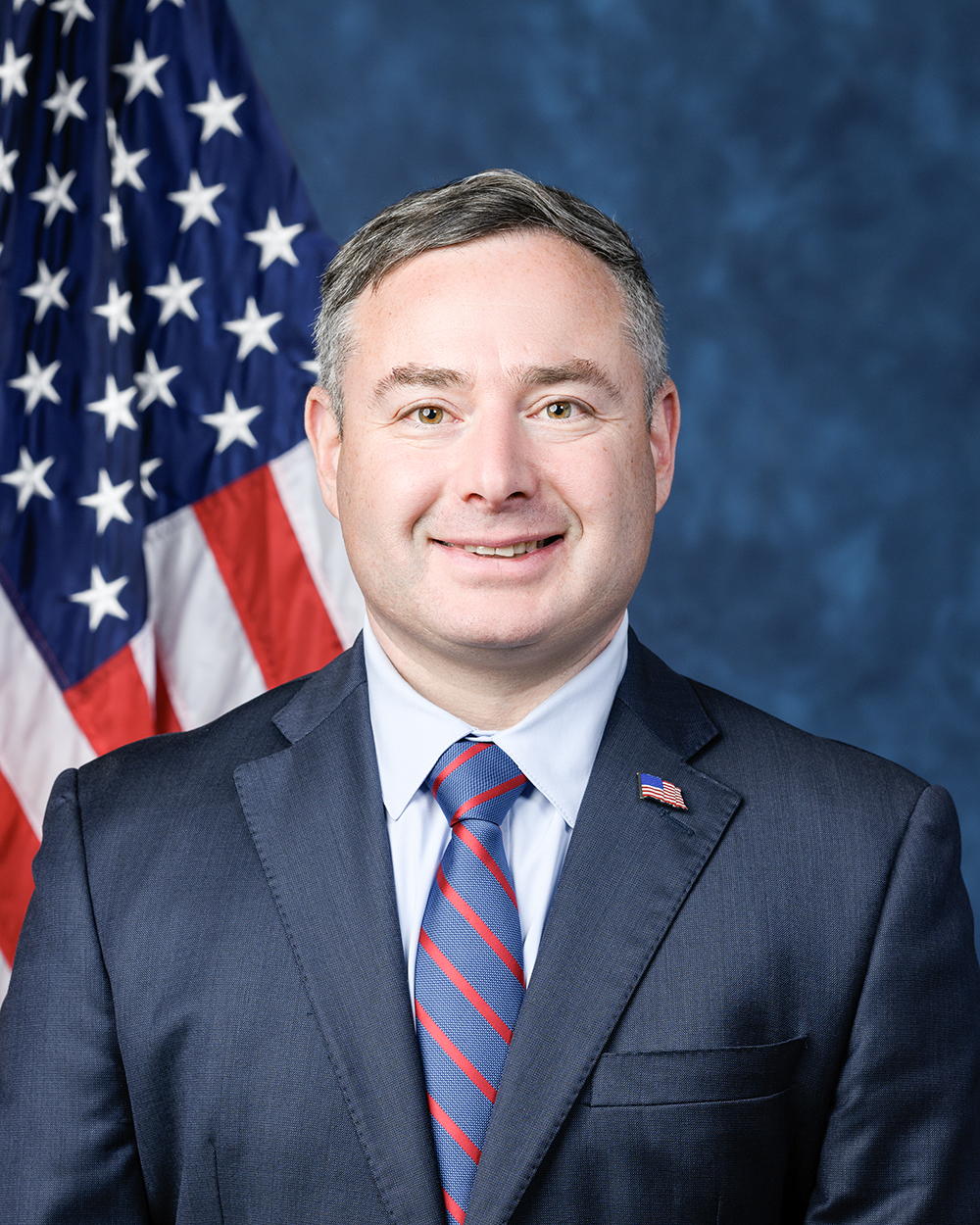
Rep. Eugene Simon Vindman
Sponsored bills
Maddy summaryThis bill requires states to allow eligible voters to register or update their registration at polling places on election day for federal elections, including during early voting periods. It applies to all states except those with existing laws eliminating voter registration requirements for federal elections. The key mechanism mandates that voters can both register and cast their ballot on the same day at designated polling locations. The requirement takes effect for the November 2026 general election and all subsequent federal elections.
Maddy summaryHR 5913, the Community Investment and Prosperity Act, amends two existing banking regulations by increasing a percentage threshold from 15% to 20% in two specific legal provisions. It revises the Revised Statutes (12 U.S.C. 24) and the Federal Reserve Act (12 U.S.C. 338a), specifically altering the fifth sentence of designated paragraphs. These changes directly affect how national banks and financial institutions calculate certain regulatory requirements under federal law. The bill makes a technical adjustment to existing banking rules without creating new programs or altering broader community investment policies.
Maddy summaryHR 5919, the Veterans HOPE Act, requires the Department of Veterans Affairs (VA) to conduct a comprehensive review of veteran deaths from opioid overdoses occurring between 2010 and 2016. The review must analyze demographic data (age, sex, race), medication histories (including black box warnings), prescribing patterns, combat trauma, and VA facility trends. Within 18 months of enactment, the VA must submit a public report to Congress detailing findings and recommendations to improve veteran safety and reduce opioid overdose rates. This procedural bill focuses on data collection and analysis, not new programs or funding.
Maddy summaryThis bill requires federal transportation grants to fund the purchase and placement of automated external defibrillators (AEDs) at major transit hubs like bus terminals, train stations, ferry terminals, and highway rest areas on the Interstate System. It mandates that facility operators develop written emergency plans for medical emergencies, including AED use, with guidance from the Transportation Department. The law directs the Transportation Secretary to issue deployment recommendations and technical assistance to help facilities comply. This directly affects interstate transportation facilities and their operators, aiming to improve rapid response to cardiac emergencies in high-traffic public locations.
Maddy summaryHRES 854 is a non-binding House resolution commemorating the seventh anniversary of Jamal Khashoggi's murder in 2018 and calling for accountability. It acknowledges U.S. sanctions against 17 Saudi officials involved in his killing and urges Saudi Arabia to: (1) ensure accountability for those responsible, (2) release wrongfully detained individuals like Nourah al-Qahtani and Abdulrahman Alsadhan, and (3) respect freedoms of press and assembly. The resolution directly addresses the Saudi government and indirectly supports Saudi dissidents in the U.S. facing transnational repression. As a commemorative measure, it does not create new laws but formally expresses congressional concern over ongoing human rights abuses.
Maddy summaryHR 5900, the SCAM Act, establishes a cross-agency task force to investigate and disrupt foreign-operated scam networks targeting U.S. citizens, particularly those linked to China-linked transnational crime groups in Southeast Asia. The task force, including agencies like Defense, State, Treasury, and the FTC, will identify scam trends, recommend policy actions (such as sanctions or cybersecurity measures), and propose ways to protect vulnerable Americans and U.S. interests. It requires a detailed report within one year on scam operations near military sites, their ties to foreign governments, and strategies to safeguard data, allies' sovereignty, and military installations. The task force’s authority expires five years after the report is submitted.
Maddy summaryThe American Energy Independence and Affordability Act extends multiple clean energy tax credits that were set to expire between 2025 and 2026. It specifically extends residential clean energy credits through 2034, clean electricity investment credits for wind and solar through 2032, and clean vehicle credits for electric vehicles through 2032. The bill also reinstates special rates for sustainable aviation fuel and modifies requirements for energy-efficient home improvements. These provisions directly affect homeowners installing solar panels, businesses investing in clean energy infrastructure, and manufacturers producing clean energy equipment.
Maddy summaryHR 5835, the REPO Implementation Act of 2025, establishes a mechanism to use frozen Russian sovereign assets held abroad for Ukraine's benefit. It creates a "Ukraine Support Fund" to hold these assets without confiscation and requires the U.S. Treasury to invest them in U.S. government obligations. The bill mandates quarterly transfers of at least $250 million from the fund to Ukraine for assistance, with final amounts spent when less remains. It also requires the President to report to Congress on Russian assets held by foreign countries (including G7/EU members) and urges diplomatic efforts to secure similar asset repurposing from those nations.
Maddy summaryHR 5828, the Dads Matter Act of 2025, requires the Health and Human Services Department to launch a public awareness campaign about fathers' roles in pregnancy and postpartum care, and to issue guidance to states on training healthcare providers (like hospitals and doctors) to better include fathers. The bill aims to improve maternal and infant health outcomes by encouraging providers to discuss topics such as father involvement in prenatal visits, skin-to-skin contact, breastfeeding support, and recognizing maternal health risks. It directs HHS to provide resources countering narratives that minimize fathers' roles and to address cultural barriers to father engagement. A government study will later assess the bill's effectiveness after six years.