Maddy summaryThis bill corrects an error in the distribution of funds to specific 9/11-related claimants. It ensures "Havlish Settling Judgment Creditors" (a group who settled claims through a 2014 court case related to the 9/11 attacks) receive funds previously withheld from them and can participate in future payments like other eligible claimants. The key mechanism releases all withheld funds held in escrow for these creditors and explicitly states they are eligible for future payments under the same rules as other claimants. The changes apply retroactively from December 29, 2022.
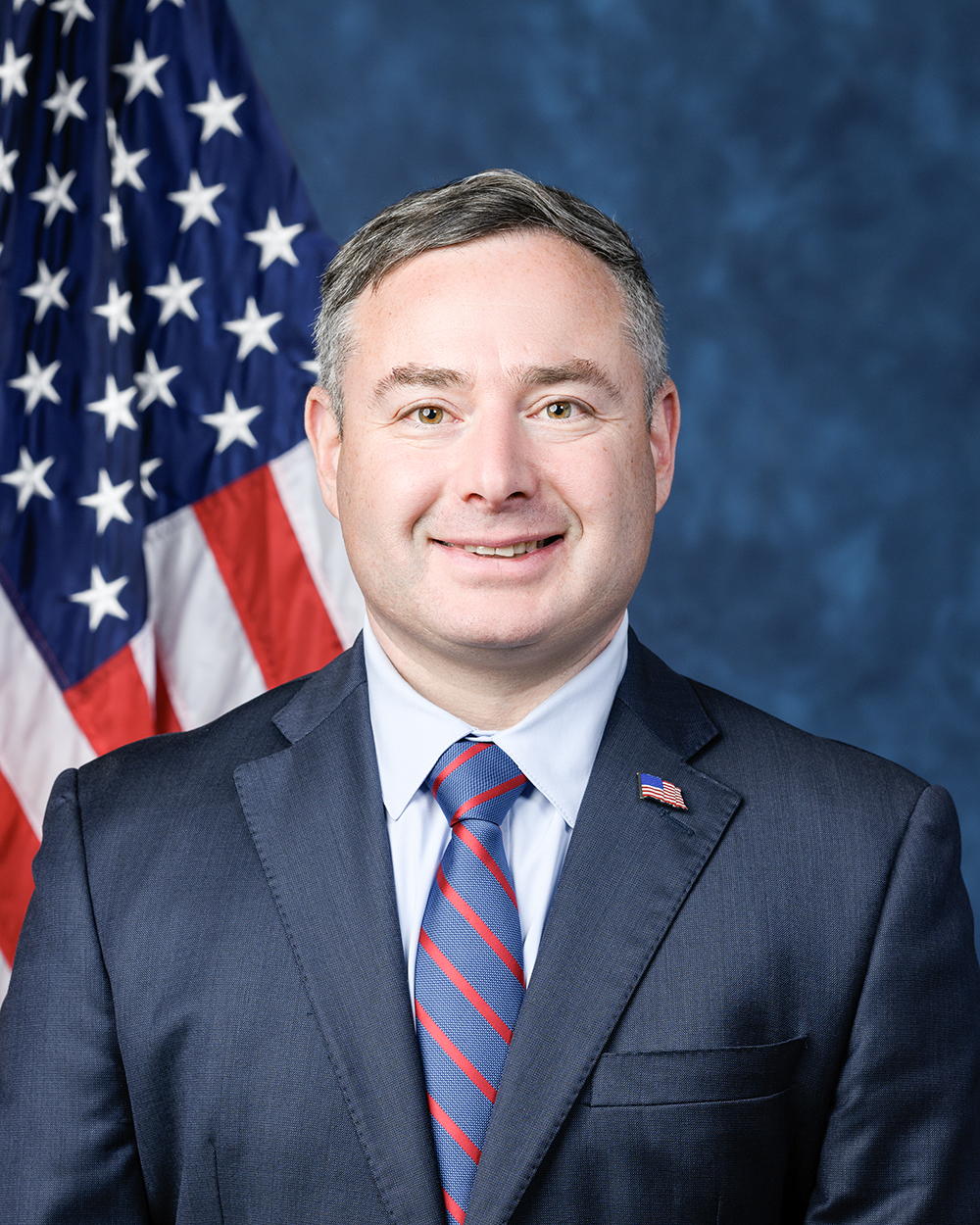
Rep. Eugene Simon Vindman
Sponsored bills
Maddy summaryHR 6255, the Affordable Insulin Now Act, requires health insurance plans (including employer-sponsored and individual plans) to cover specific insulin products starting in 2026. It caps out-of-pocket costs for these insulin products at $35 per 30-day supply or 25% of the negotiated price, whichever is lower, with no deductibles applied. The bill defines "selected insulin products" to include at least one of each dosage form (like vials or pumps) and type (such as rapid-acting or long-acting) available from the plan. This directly affects people with diabetes who rely on insulin, ensuring more predictable and affordable access to essential medications under their health coverage.
Maddy summaryThis bill directs the Health and Human Services Secretary to study federal, state, and private programs supporting job training and apprenticeships for current and former foster youth, evaluating effectiveness, gaps, and barriers. It then establishes the "Fostering the Future Pipeline Program" to provide competitive grants to states, schools, employers, and nonprofits for expanding industry-aligned training in high-demand fields like healthcare and IT, with a $50 million annual funding limit. The bill also amends existing foster care funding to allow education vouchers to cover short-term career programs, such as registered apprenticeships and certificate courses. These changes directly affect foster youth transitioning to adulthood by improving access to career pathways and workforce opportunities.
Maddy summaryThe ADOPT Act of 2025 creates federal offenses to prevent exploitation in private domestic interstate adoptions. It prohibits unlicensed groups from acting as intermediaries between birth parents and adoptive parents, restricts certain adoption advertising, and caps payments to birth parents at $2,500 before consulting a licensed agency or attorney. The bill directly affects unlicensed adoption facilitators, birth parents, and prospective adoptive parents by requiring all adoption services to occur through licensed providers or exempt entities like attorneys and nonprofit agencies. Violations carry fines up to $100,000 for organizations or $50,000 plus 5 years in prison for individuals, with exemptions for public agencies, licensed child-placing organizations, and attorneys.
Maddy summaryThis bill modifies eligibility rules for two federal loan programs (TIFIA and RRIF) to better accommodate residential and mixed-use development projects. It requires that such projects meet creditworthiness standards jointly determined by the Transportation and Housing and Urban Development secretaries, ensuring standards protect program finances while aligning with HUD's existing housing requirements. The changes apply to projects seeking loans under these programs after a 180-day effective date. The bill does not create new funding but adjusts how housing projects qualify for existing federal loan assistance.
Maddy summaryThis bill expands Medicare's drug price negotiation program to cover 50 drugs (up from 20) and requires health insurers to apply negotiated prices to cost-sharing for beneficiaries. It establishes annual out-of-pocket cost-sharing limits for prescription drugs under group health plans and insurance coverage, with specific limits of $2,000 for self-only coverage in 2027 that will increase annually. The bill also sets specific cost-sharing limits for insulin products, requiring coverage with no deductible and cost-sharing of no more than $35 per 30-day supply or 25% of the negotiated price. These provisions affect Medicare beneficiaries, people with group health plans, and health insurers across the country. The bill applies to plan years beginning on or after January 1, 2027.
Maddy summaryHR 6220, the MIRACLE Act of 2025, directs the U.S. Department of Health and Human Services (HHS) to study neonatal abstinence syndrome (NAS), a condition affecting infants exposed to substances in utero. The study will examine NAS prevalence, barriers to accurate data collection under Medicaid (Title XIX), and the scope of available treatment services for affected infants and mothers. HHS must complete the study and submit a public report to Congress within three years of the bill’s enactment, detailing findings and recommendations. This bill directly affects HHS, state Medicaid programs, and pediatric transitional care facilities providing NAS treatment, but does not create new programs or funding.
Rural Hospital Closure Relief Act of 2025 This bill temporarily allows additional hospitals to qualify as critical access hospitals (CAHs) that receive special payment under Medicare. Currently, in order to qualify as a CAH under Medicare, a hospital must either (1) be located more than 35 miles (or 15 miles in mountainous regions or areas with only secondary roads) from another hospital, or (2) have been certified prior to January 1, 2006, by the state as a necessary provider of services in the area. The bill allows a hospital to also qualify if the hospital is a small, rural hospital that (1) serves a health professional shortage area, or a high number of low-income individuals or Medicare beneficiaries; (2) has experienced financial losses for two consecutive years; and (3) attests to having a strategic plan to address financial solvency and to committing to provide a service that is in high demand in the hospital's service area. This authority expires nine years after the bill's enactment. The Government Accountability Office must study the effects of the bill's implementation. In addition, the Medicare Payment Advisory Commission must study and recommend payment systems for rural hospitals under Medicare. The Centers for Medicare & Medicaid Services must subsequently establish a mechanism and issue guidance on how newly designated CAHs may transition to different payment models under Medicare, including any new payment models recommended by the commission.
Maddy summaryThe Grid Research and Development Act (HR 6177) requires transmission utilities and grid operators to report standardized data to the Federal Energy Regulatory Commission (FERC) on transmission projects, including costs, project timelines, system performance, and interconnection expenses. FERC must create a public, searchable data repository and an Interconnection Data Dashboard displaying real-time queue data, project statuses, and system costs to improve transparency. The Department of Energy will use this data to research transmission cost drivers, efficiency, and affordability, publishing annual reports on grid investment impacts. These requirements directly affect transmission utilities, grid operators, and ratepayers by standardizing reporting and enabling public analysis of grid investments.
Maddy summaryHR 6181, the John Lewis Every Child Deserves a Family Act, prohibits child welfare agencies receiving federal funds from discriminating against children, youth, or prospective foster/adoptive parents based on religion, sex (including sexual orientation and gender identity), or marital status. It directly affects LGBTQ youth in foster care - overrepresented at 30% of the system - who face higher risks of trauma, group home placements, and suicide attempts compared to non-LGBTQ peers. Key provisions require agencies to collect data on sexual orientation and gender identity, establish a National Resource Center for LGBTQ youth support, provide cultural competency training, and eliminate discriminatory practices. The law aims to improve safety, permanency, and placement stability by expanding access to family-based care and ensuring equitable services for all children in the system.