

Maddy summaryThe Global Respect Act (HR 6151) requires the U.S. President to publicly list foreign officials responsible for severe human rights violations against LGBTQI individuals, including torture, prolonged detention, or violence based on sexual orientation or gender identity. It mandates denying visas and entry to listed individuals and requires annual reports on the list's updates and impacts. The bill also directs the State Department to track global violence against LGBTQI people and update annual human rights reports to include discrimination based on sexual orientation or gender identity. These provisions directly affect foreign government officials and entities implicated in such abuses, aiming to increase accountability through U.S. visa restrictions.
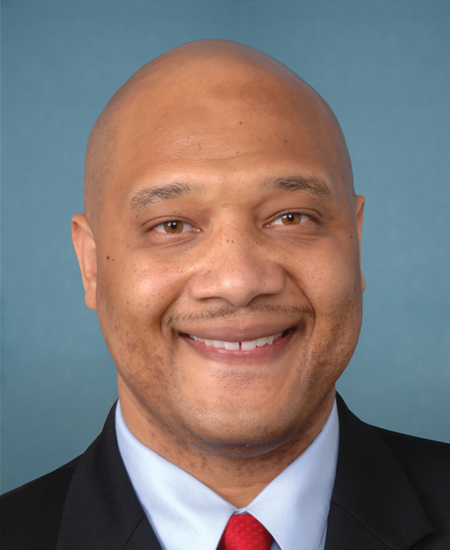
Rep. André Carson
Sponsored bills
Maddy summaryThe EXPERTS Act of 2025 requires agencies to disclose funding sources and potential conflicts of interest for studies submitted during rulemaking, including who funded research and any financial relationships that might influence findings. It establishes an Office of the Public Advocate within the Office of Management and Budget to assist public participation in rulemaking, conduct social equity assessments, and improve outreach to underrepresented groups. The bill also mandates that agencies consider social equity impacts when creating rules and requires detailed explanations for withdrawing proposed regulations. These provisions aim to increase transparency, inclusivity, and accountability in the federal regulatory process.
Maddy summaryHR 6161, the SEC Data Protection Act, requires the Securities and Exchange Commission (SEC) to establish policies protecting sensitive nonpublic data provided by investment advisers. The bill mandates that within one year of enactment, the SEC create rules addressing when it requests such data, safeguarding it based on sensitivity, restricting access to authorized staff, and preventing unauthorized use or disclosure. These policies must be developed through a notice-and-comment rulemaking process. The law directly affects investment advisers who share proprietary information with the SEC, ensuring their data is handled securely under new federal standards.
Maddy summaryHR 6109 amends Medicare Advantage plan rules to address excessive initial denials of prior authorizations. It requires the Medicare program to terminate contracts with plans that reverse more than 25% of initially denied coverage requests through appeal or reconsideration during a plan year. The bill specifically targets plans where a high rate of reversed denials indicates improper initial denials, or where plans fail to properly reconsider denials compared to prior years. This directly affects Medicare Advantage plan providers, imposing new accountability for their prior authorization practices.
Maddy summaryThis bill requires oil, gas, and geothermal companies to test nearby underground drinking water sources before, during, and after hydraulic fracturing ("fracking") operations. Companies must conduct testing at specified intervals (e.g., before starting, every 6 months during operations, annually for 5 years after) and submit results to the EPA within two weeks. The EPA will maintain a public database of all test results, making it searchable by ZIP code for community access. The requirement does not apply to sites with no accessible drinking water sources within one mile.
Maddy summaryThis bill limits how many Medicare Advantage (MA) plans a single organization can offer under Medicare contracts. It prohibits the Medicare program from contracting with an MA organization for more than three plans in a single year, and requires that if an organization offers multiple plans, each must be meaningfully different in premiums, benefits, or out-of-pocket costs. The rule applies to new or renewed contracts starting one year after the bill becomes law. It directly affects MA plan providers and Medicare's contracting process, aiming to reduce plan complexity for beneficiaries.
Maddy summaryThe CLEANER Act of 2025 requires the EPA to evaluate within one year whether drilling fluids, produced waters, and other wastes from oil, gas, and geothermal operations qualify as hazardous waste under federal law. If determined hazardous, the EPA must list these wastes and create tailored regulations for their handling, while also setting new safety standards for facilities managing non-hazardous waste from these sources. Key provisions include mandatory groundwater monitoring, location criteria for waste facilities, and financial assurance requirements to protect public health and the environment. This bill directly affects oil and gas producers, waste management facilities, and geothermal energy operations by imposing new regulatory obligations on their waste streams.
Maddy summaryThis bill requires Medicare Advantage (MA) plan advertisements to disclose specific data about prior authorization denials. Starting one year after enactment, ads must include the number of denied prior authorization requests, how many were later approved after reconsideration, and the average time between denial and approval. These disclosures must cover the most recent plan year before the ad is published, using both verbal and visual methods where possible. The policy directly affects MA plan marketers and beneficiaries who view these advertisements, aiming to provide clearer information about plan coverage experiences.
Maddy summaryThis bill requires oil and gas companies conducting hydraulic fracturing operations to disclose detailed chemical ingredients before starting and within 30 days after completing operations. Companies must provide full chemical names, CAS numbers, safety data sheets, and volumes to state or federal authorities, who then make this information publicly available online. The bill includes an exception allowing immediate disclosure of proprietary chemical formulas during medical emergencies, though companies can later request confidentiality agreements. It directly affects fracking operators in oil, gas, and geothermal production, amending the Safe Drinking Water Act to mandate transparency while maintaining trade secret protections outside emergency situations.
Maddy summaryHR 6108 requires the federal government to automatically exclude from all federal health care programs anyone convicted of specific fraud-related crimes after a one-year implementation period. It targets convictions for health care fraud, theft, or financial misconduct in health care delivery or government programs (including non-health care programs funded by government). The bill mandates this exclusion without requiring additional administrative action by the Secretary. This directly affects health care providers and organizations found guilty of such offenses, barring them from participating in programs like Medicare or Medicaid.