

Maddy summaryThe Paycheck Fairness Act strengthens equal pay protections by expanding the definition of "sex" to include pregnancy, childbirth, sexual orientation, gender identity, and sex characteristics. It modifies employer defenses for pay disparities to require proof that any pay difference is job-related, not based on sex, and accounts for the entire pay gap. The bill prohibits employers from asking about salary history, enhances penalties for violations, and requires employers with 100+ employees to collect and report detailed pay data by race, sex, and job category. It also establishes training programs for employers on eliminating pay bias and creates a National Equal Pay Enforcement Task Force to coordinate enforcement efforts. This legislation directly affects employers, particularly those with 100+ employees, and aims to address pay disparities impacting women, people of color, and other underrepresented groups.
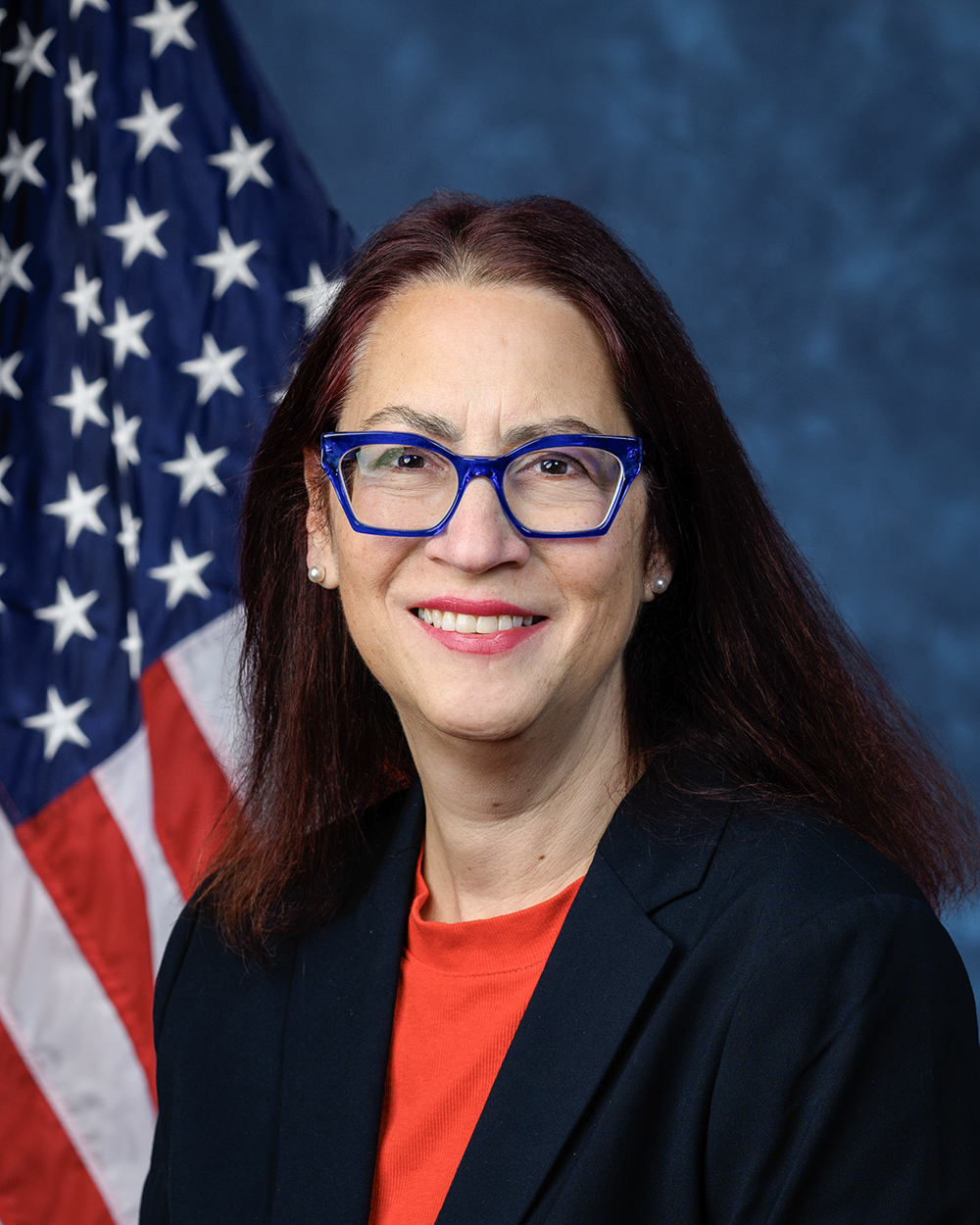
Rep. Laura Friedman
Sponsored bills
Maddy summaryH.J. Res. 80 would declare the Equal Rights Amendment (ERA) part of the U.S. Constitution, asserting it has been ratified by 38 states (three-fourths of the states) despite the original 1972 deadline. If passed, this resolution would formally establish the ERA as a constitutional amendment, requiring all federal and state laws to align with its gender equality protections. The bill does not create new laws but confirms the ERA's status as part of the Constitution, affecting how laws are interpreted and enforced. It is a procedural step to resolve the legal dispute over the ERA's validity after decades of debate.
Maddy summaryHRES 238 is a non-binding House resolution expressing the House's position that every person has the basic right to emergency health care, including abortion care during medical emergencies. It does not create new laws or alter existing regulations but formally states the House's view that abortion restrictions in emergencies endanger patients' health and lives. The resolution specifically highlights how current abortion bans put pregnant people at risk during life-threatening conditions like hemorrhage or infection, disproportionately impacting Black, Indigenous, people of color, immigrants, and low-income individuals. It serves as a symbolic statement opposing policies that restrict emergency reproductive care access.
Maddy summaryThe Don’t Penalize Victims Act amends the Stafford Act to prevent disaster victims from having their federal aid reduced or denied if they also receive assistance from other sources, such as state programs or private insurance. It directly affects individuals seeking disaster relief under the Robert T. Stafford Disaster Relief Act, ensuring they can access full federal support without penalty for other aid. The key change removes the phrase "or any other source" from Section 312(a), eliminating a provision that previously restricted aid eligibility. This policy update applies to all federal disaster assistance programs administered under the Stafford Act.
Maddy summaryHR 2207, the Saving DOE’s Workforce Act, prohibits the Department of Energy from implementing layoffs or involuntary separations of employees until after Congress enacts full fiscal year 2026 funding. It specifically protects federal workers in competitive service positions, career roles in excepted service, and senior executive leadership roles. The bill allows separations only for documented misconduct, inefficiency, or delinquency following standard disciplinary procedures, without affecting existing personnel authority.
Maddy summaryThis bill creates a dedicated Inspector General (IG) position specifically for the Office of Management and Budget (OMB). It clarifies that the OMB IG's oversight authority is limited to matters explicitly assigned by law, preventing broader jurisdiction. The President must appoint this IG within 120 days of the bill's enactment. The bill directly affects OMB's internal oversight structure and the new IG's defined role, with no direct impact on the public or other agencies.
Maddy summaryThe Air America Act of 2025 authorizes one-time payments of $40,000 to individuals who worked for Air America or its affiliated companies for at least five years during 1950-1976, or to their surviving spouses, children, or dependents. Additional payments of $8,000 per full year beyond five years are allowed. The program is capped at $60 million total funding, with claims required within two years of final regulations. Payments are a single lump sum with no ongoing benefits, and the bill explicitly states it does not create new entitlements beyond this one-time award.
Maddy summaryThis bill prohibits the National Science Foundation (NSF) from implementing layoffs or involuntary employee separations until after full-year funding for fiscal year 2026 is secured. It directly affects NSF employees in competitive service, excepted service, and the Senior Executive Service by blocking workforce reductions. The key provision creates a temporary moratorium on layoffs, with exceptions only for separations due to misconduct, inefficiency, or delinquency. This applies until Congress enacts the full FY2026 budget, adding a specific timeline to existing federal personnel rules.
Maddy summaryHR 2210, the Saving NASA’s Workforce Act, prohibits NASA from initiating or implementing reductions in force or involuntary separations of most employees until after full-year funding for fiscal year 2026 is enacted. It specifically protects employees in competitive service, excepted service, and the Senior Executive Service from being laid off, except for cause related to misconduct, inefficiency, or delinquency. The bill applies to all standard personnel actions under federal law and does not affect existing authority for disciplinary separations. This moratorium directly affects NASA’s workforce by preventing layoffs during the current funding cycle.
Maddy summaryHR 2209, the Saving NIST’s Workforce Act, prohibits the National Institute of Standards and Technology (NIST) from implementing layoffs or involuntary employee separations (except for misconduct, inefficiency, or delinquency) until after full-year funding for NIST’s fiscal year 2026 budget is enacted. The bill directly affects all NIST employees in the competitive service, excepted service, and senior executive roles by blocking workforce reductions during this period. Key provisions require NIST to maintain current staffing levels through the end of FY2026, unless Congress passes a full-year appropriations bill for that year. This is a procedural measure focused on preserving NIST’s current workforce structure, not creating new programs or altering funding levels.