Issue · Education

Education

Every education bill, vote, and legislator stance in Oregon, automatically classified by Maddy, our AI policy reader.

Total bills
8
119th Congress
Top supporter
Val T. Hoyle
78% support rate
Top opponent
Cliff Bentz
33% support rate
Ranked legislators
7
5 support · 2 oppose
Key legislators

Who's moving education in Oregon

Legislators moving education in Oregon
Legislator Party Stance Support rate Votes
Val T. Hoyle
Val T. Hoyle House · District 4
D
Support
78% 128
Andrea Salinas
Andrea Salinas House · District 6
D
Support
78% 130
Janelle S. Bynum
Janelle S. Bynum House · District 5
D
Support
78% 127
Maxine Dexter
Maxine Dexter House · District 3
D
Support
78% 130
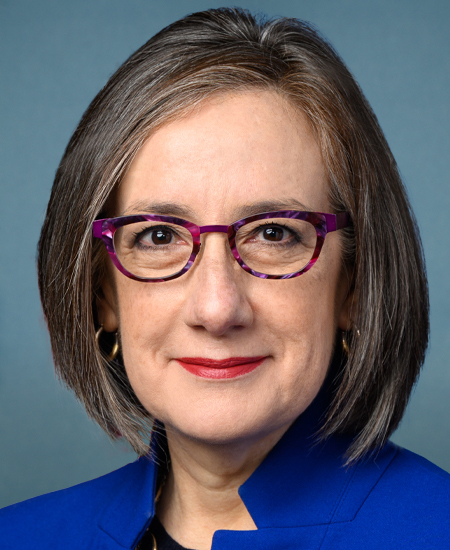
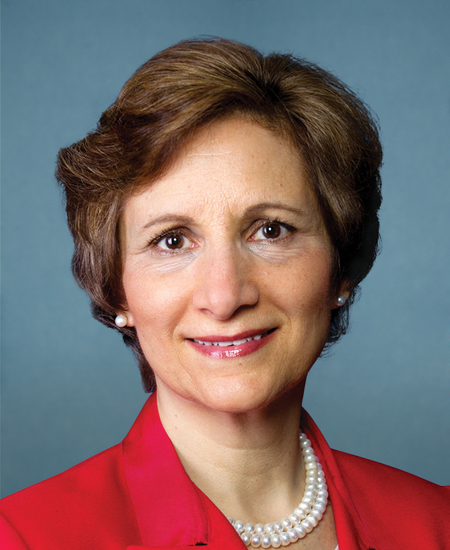
Suzanne Bonamici
Suzanne Bonamici House · District 1
D
Support
75% 129
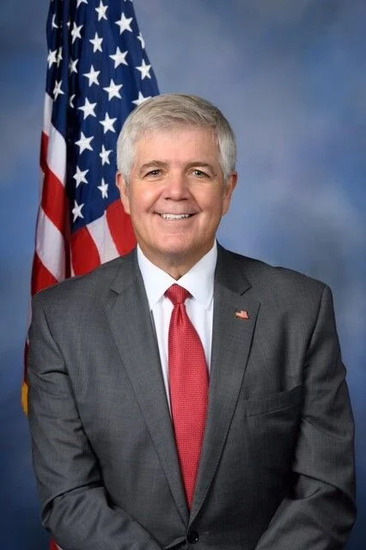
Cliff Bentz
Cliff Bentz House · District 2
R
Oppose
33% 131
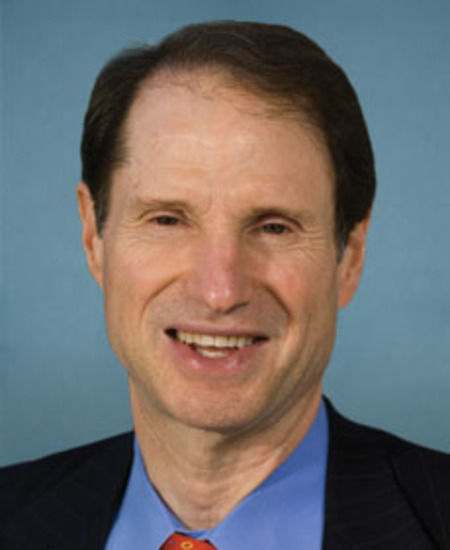
Ron Wyden
Ron Wyden Senate
D
Mixed −
43% 168
Showing 8 of 8 bills

All education bills

in committee · United States · House Jun 25, 2026

HRES 1391: Impeaching Linda M. McMahon, Secretary of Education, for high crimes and misdemeanors.

This resolution seeks to impeach Linda M. McMahon, the Secretary of Education, for three specific articles of misconduct: willfully violating federal laws, making false statements to Congress, and breaching the public trust. The bill alleges that McMahon illegally transferred the operations of six essential offices within the Department of Education to other federal agencies without congressional approval, contrary to the Department of Education Organization Act. It also claims she misled the Senate by promising to spend all congressionally appropriated funds while simultaneously canceling hundreds of grants and freezing funding for various educational programs. Additionally, the resolution accuses her of terminating approximately 2,000 employees, which disrupted the department's ability to manage federal funds and deliver services. If the House votes to adopt this resolution, the articles of impeachment would be sent to the Senate for a trial that could result in her removal from office.
in committee · United States · House Jun 11, 2026

HR 9289: Keep Public Funds in Public Schools Act of 2026

The Keep Public Funds in Public Schools Act of 2026 eliminates a federal tax credit that allowed parents to deduct contributions to scholarship granting organizations from their income. By removing these specific tax breaks, the bill prevents the use of public tax dollars to support private school vouchers and scholarship programs. This change directly affects families who currently rely on these tax incentives to fund education outside the public school system. The provisions take effect for taxable years beginning after December 31, 2026.
in committee · United States · House May 21, 2026

HJRES 189: Providing for congressional disapproval under chapter 8 of title 5, United States Code, of the rule submitted by the Department of Education relating to "Reimagining and Improving Student Education-Federal Student Loan Program Final Regulations".

This joint resolution seeks to officially reject a final rule issued by the Department of Education regarding federal student loan programs. If passed, the measure would prevent the new regulations from taking effect, leaving the previous rules in place. The bill directly impacts borrowers, lenders, and the Department of Education by nullifying the specific changes outlined in the "Reimagining and Improving Student Education" proposal. It is a procedural action that uses the Congressional Review Act to disapprove the agency's policy without altering the underlying law.
in committee · United States · Senate Apr 15, 2026

S 4297: Keep Public Funds in Public Schools Act

This bill, titled the "Keep Public Funds in Public Schools Act," repeals two sections of the Internal Revenue Code. It eliminates Section 25F, which provides a tax credit for contributions made to scholarship granting organizations. Additionally, the bill repeals Section 139K, which allows certain educational assistance to be excluded from an individual's gross income. These changes primarily affect taxpayers who currently claim these credits or exclusions, and organizations involved in scholarship grants or providing educational assistance. The amendments generally take effect for taxable years ending after December 31, 2026.
in committee · United States · Senate May 20, 2026

SJRES 182: A joint resolution providing for congressional disapproval under chapter 8 of title 5, United States Code, of the rule submitted by the Department of Education relating to "William D. Ford Federal Direct Loan (Direct Loan) Program".

This joint resolution seeks to reject a specific rule issued by the Department of Education concerning the William D. Ford Federal Direct Loan Program. If passed, it would nullify the rule and prevent it from taking effect, directly impacting federal student loan policies. The measure uses a congressional disapproval process under Title 5 of the United States Code to override the department's regulatory decision. It does not create new policies but instead stops an existing proposed regulation from being implemented.
in committee · United States · House Apr 9, 2026

HJRES 155: Providing for congressional disapproval under chapter 8 of title 5, United States Code, of the rule submitted by the Department of Education relating to "William D. Ford Federal Direct Loan (Direct Loan) Program".

This bill seeks to block a specific rule issued by the Department of Education that affects the William D. Ford Federal Direct Loan Program. If passed, it would prevent the rule from taking effect, meaning the proposed changes to federal student loans would not be implemented. The measure uses a legislative process known as a joint resolution of disapproval to override agency regulations. It directly impacts students, families, and institutions that rely on federal student loans by stopping the Department of Education from enforcing the new policy.
in committee · United States · House Nov 17, 2025

HR 6002: Veterans Earned Education Act

HR 6002, the Veterans Earned Education Act, amends eligibility rules for transferring Post-9/11 GI Bill educational benefits to dependents. It requires veterans to have completed at least 17 years of service (up from 6 years) and be retired under Chapter 61 of Title 10 to qualify for transferring benefits. The bill directly affects active-duty and retired veterans seeking to share their education benefits with family members. These changes tighten the service requirements for beneficiaries who wish to transfer their benefits, without altering the core education benefits themselves.
in committee · United States · House Jan 22, 2025

HR 632: Protecting Life on College Campus Act of 2025

HR 632 prohibits federal funding (directly or indirectly) for colleges and universities that host or are affiliated with campus health clinics providing abortion drugs or abortions to students or employees. Institutions must annually certify to federal education and health agencies that no such services are offered at their campus sites. The bill defines "abortion drugs" broadly as any medication intended to terminate pregnancy (excluding cases for live birth, miscarriage management, or ectopic pregnancy treatment). This policy directly affects institutions receiving federal funds, requiring them to ensure campus health services comply with the prohibition to maintain eligibility.