

Maddy summaryHCONRES 13 is a concurrent resolution expressing Congress's support for maintaining the current policy that prohibits imposing new fees on local radio stations for playing music. It states that Congress should not impose any performance fee, tax, royalty, or charge on local radio stations for broadcasting sound recordings over the air, or on businesses like bars and restaurants that play music publicly. The resolution argues that such fees would harm local radio stations - critical sources for emergency information and community programming - and jeopardize the economic model that has supported both radio and the music industry for decades. This resolution does not create new law but formally opposes potential legislative changes to the existing fee structure.
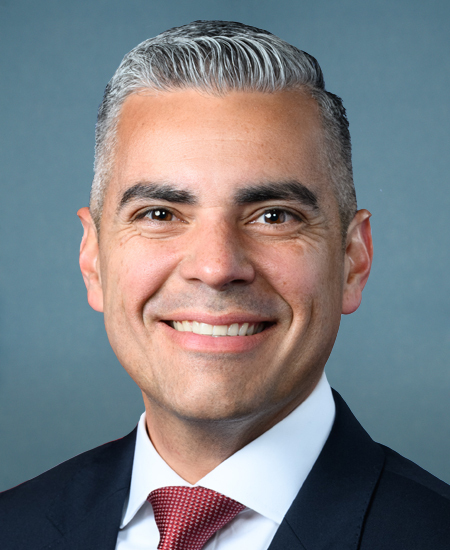
Rep. Juan Ciscomani
Sponsored bills
Freight Rail Assistance and Investment to Launch Coronavirus-Era Activity and Recovery Act of 2023 or the Freight RAILCAR Act of 2023 This bill provides a new tax credit through 2025 for 10% of freight railcar fleet modernization expenses (i.e., railcar replacement and modernization expenses for meeting fuel efficiency and performance standards). The bill provides that no more than 2,000 freight railcars per taxpayer may be taken into account for purposes of determining the credit in a taxable year. The Department of the Treasury must report to Congress on the credit to provide information on the number of times the credit was claimed and the number of railcars scrapped or built as a result of the credit.
Maddy summaryHR 558 amends the Defense Production Act to prohibit China, Iran, North Korea, and Russia (and entities they control) from purchasing or leasing property within 10 miles of designated sensitive sites. These sites include U.S. military bases, ports, government facilities, and other locations where foreign access could threaten national security through intelligence collection or surveillance. The bill requires the Committee to notify Congress of any violations and applies to transactions occurring after its enactment. It directly affects foreign entities from the listed countries seeking real estate near critical U.S. infrastructure.
Maddy summaryHR 781, the GIG Act, clarifies the definition of an independent contractor under federal law. It adds specific factors the Secretary of Labor must consider when determining if a worker is an independent contractor, such as whether the worker has substantial control over their work, can earn profits or losses based on their initiative, and whether their services require specialized skills performed continuously. The bill explicitly states that the Secretary cannot consider unmet contractual terms or unrelated services when making this determination. This directly affects workers classified as independent contractors and the businesses that hire them, by establishing a clearer, more objective standard for classification. The change aims to reduce misclassification disputes under the Fair Labor Standards Act.
Maddy summaryThis bill creates a new federal crime for assaulting law enforcement officers causing serious injury or death, with penalties up to 10 years in prison for serious injury and up to life for aggravated cases involving death, kidnapping, or attempted killing. It applies when offenses involve interstate travel, commerce, or target officers engaged in law enforcement duties. Federal prosecution requires Attorney General certification that state authorities cannot or will not handle the case, or that federal action is necessary for public safety. The law covers all law enforcement officers (state, local, and federal) who enforce criminal laws or detain individuals.
Maddy summaryThis bill helps new car dealers affected by pandemic-era supply chain disruptions by changing tax rules for inventory sales. It allows dealers using LIFO accounting to treat certain sales of unsold vehicles (liquidations) between March 2020 and December 2021 as "qualified" for tax purposes. Dealers can defer recognizing income from these sales and have until 2026 to replace the sold vehicles before potential tax adjustments apply. The provision specifically targets dealers who couldn't replenish inventory during the supply chain crisis.
This resolution recognizes and appreciates the dedication and devotion demonstrated by the men and women of law enforcement. It also condemns calls to defund, disband, dismantle, or abolish the police.
Maddy summaryThe Educational Choice for Children Act creates tax credits for individuals and corporations that contribute to scholarship granting organizations providing education scholarships. Individuals can claim a credit up to $5,000 or 10% of their income, while corporations can claim up to 5% of taxable income. The scholarships are available to students from households with income up to 300% of the area median income, and can be used for private school tuition, tutoring, and other educational expenses at elementary and secondary schools. The bill includes strict requirements for scholarship organizations to verify income, conduct audits, and prevent misuse of funds, while also prohibiting government control over these organizations and protecting private and religious schools from discrimination in the program. It establishes a $10 billion annual cap on the total tax credits available.
Maddy summaryThe Military Child Educational Freedom Act amends the tax code to allow active duty military families to deduct home school expenses as private school costs for federal income tax purposes. It specifically applies to military members or their spouses on active duty who use home schools recognized by state law as home or private schools. The bill changes the Internal Revenue Code definition of "private school" to include such home schools for education expense deductions. This change takes effect for tax years beginning after the bill's enactment.
Maddy summaryHR 496, the PELL Act, creates "Workforce Pell Grants" to support short-term workforce training programs instead of traditional college degrees. It directly affects students enrolled in qualifying short programs (150-600 hours, 8-15 weeks) that align with in-demand jobs. To qualify, programs must meet strict standards: 70%+ completion rates, 70%+ job placement rates, and demonstrate graduates earn at least 150% above the poverty line within three years. The bill also requires annual public reporting of program outcomes like completion rates, job placement, and graduate earnings to ensure accountability.