Maddy summarySB 1628 prohibits Oklahoma's Service Oklahoma from issuing new non-domiciled commercial driver licenses or commercial learner permits to non-resident drivers. It specifically targets commercial drivers who do not reside in Oklahoma, banning new licenses while allowing existing non-domiciled licenses to remain valid until expiration. The bill updates Oklahoma law (47 O.S. § 6-111) to clarify this restriction and requires applicants to meet federal and state testing rules. This policy change directly affects non-resident commercial drivers seeking to operate vehicles in Oklahoma.
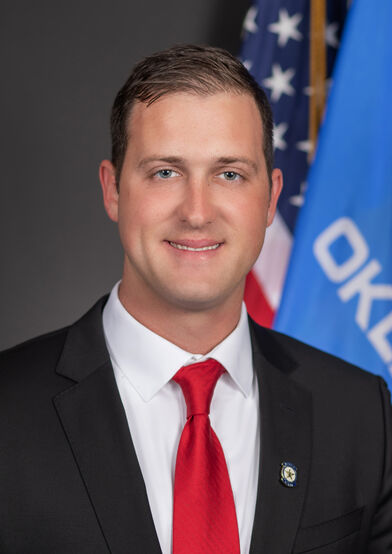
Sen. Tom Woods
Sponsored bills
Maddy summarySB 2140 authorizes Oklahoma veterinarians to use telemedicine for evaluating, diagnosing, and recommending treatment for animals when in-person care isn't immediately feasible - such as in urgent cases to prevent serious harm or suffering. It requires veterinarians to gather sufficient information via video, photos, or records, document telemedicine visits like in-person consultations, and prohibits using it for routine care like annual exams unless approved by the State Board. The State Board of Veterinary Medical Examiners must create rules for telemedicine standards, recordkeeping, staff training, and medication prescriptions (except in emergencies). The law takes effect November 1, 2026, directly affecting veterinarians and pet owners seeking remote veterinary care.
Maddy summarySB 1638 amends Oklahoma's Governmental Tort Claims Act to clarify definitions of "charitable health care provider" and "community health care provider," specifically expanding protections for entities serving indigent patients. It authorizes courts to award claimants' legal costs and fees when they successfully sue state or local government entities for negligence. This change directly affects individuals and organizations filing tort claims against government bodies, particularly health care providers who offer free or low-cost services to medically indigent residents. The bill modifies Sections 152 and 154 of the act to streamline these claims while ensuring claimants who win can recover their litigation expenses.
Maddy summarySB 110 provides $389,040 in state funding to create a new death investigation district and hire three additional death investigators for the Board of Medicolegal Investigations. This funding supports the Board's capacity to investigate deaths within a newly established geographic area. The bill allocates existing state funds without changing laws or creating new obligations.
Maddy summaryHB 2993 creates 11 rural law enforcement coordination districts across Oklahoma, each covering specific counties (e.g., District 1 includes Washington and Craig Counties). It establishes law enforcement coordinators for each district - requiring 10 years of experience or certification - to serve as liaisons, assist agencies with grant applications for personnel/equipment, and provide technical support. The bill also creates a dedicated "Rural Law Enforcement Coordination Revolving Fund" in the State Treasury to finance coordinator salaries and district operations. This fund is a continuing account not subject to annual budget limits. The law takes effect November 1, 2026.
Maddy summaryHB 4281 creates the "Rebuilding Oklahoma Access and Driver Safety Fund" to dedicate state funding for road and bridge projects. It mandates annual appropriations starting at $80 million (increasing to $640 million by 2026) for the Oklahoma Department of Transportation, prioritizing road/bridge construction, maintenance, and debt payments on transportation bonds. The bill also allocates $2 million yearly for the "Heartland Flyer" rail project and $3 million for public transit. These funds are separate from general revenue and must be spent per the bill's specified uses, with no new taxes or fees required.
Maddy summarySB 1349 establishes the "Rebuilding Oklahoma Access and Driver Safety Fund" to provide dedicated funding for Oklahoma's road and bridge infrastructure. It mandates specific annual funding amounts starting at $80 million for fiscal year 2021, increasing to $1 billion annually by 2034, with the first $80 million allocated each year for debt service on transportation bonds before other projects. The fund must be used by the Oklahoma Department of Transportation for constructing, maintaining, and operating state roads, bridges, highways, and matching federal transportation funds. The bill also includes a mechanism to reduce fund allocations if the state faces a General Revenue Fund shortfall, and it declares an emergency to take effect immediately upon passage.
Maddy summarySB 1994 would amend Oklahoma's sales tax code to exempt qualifying animal rescue and shelter organizations from paying sales tax on purchases of tangible personal property or services. This exemption directly affects nonprofit groups focused on rescuing, sheltering, and caring for animals, such as local humane societies or animal welfare centers. The bill adds a new provision to the existing tax exemption list, specifying that these organizations qualify for the same tax relief previously available to other nonprofits under Section 1356. The change would take effect upon enactment, allowing these groups to reduce operational costs by avoiding sales tax on necessary supplies and services.
Maddy summarySB 2099 requires counties to provide monthly travel allowances to specific elected county officers instead of reimbursing actual travel expenses. County commissioners and sheriffs receive $1,000 monthly, county assessors receive $900, and county clerks, court clerks, and treasurers receive $800. The allowances will increase annually by 2% starting in Fiscal Year 2028, and newly elected officials will be reimbursed for pre-inauguration training expenses in January. The bill takes effect November 1, 2026, and clarifies that emergency use of county vehicles or equipment remains permitted for official business.
Maddy summarySB 2167 modifies Oklahoma law to expand where voter registration applications can be distributed. It requires election boards to prioritize public libraries, public buildings, grocery stores, and popular private businesses as locations for applications, emphasizing accessibility for voters. County election boards may add more locations with state approval, but must follow these preferred sites. The bill takes effect November 1, 2026, directly affecting voters seeking registration and election officials managing distribution.