

Maddy summaryHB 3912 requires health insurance plans in Oklahoma (including the State and Education Employees Group Health Insurance Plan) to cover scalp cooling systems for cancer patients undergoing chemotherapy to prevent hair loss, including the cost of the system, supplies, and monitoring. The bill specifies that scalp cooling is considered supportive cancer care, not cosmetic or experimental, and coverage remains subject to standard cost-sharing like other benefits. Plans must notify enrollees about this coverage by December 1, 2026, and the law excludes small employer plans (50 or fewer employees) and federal health plans, while also mandating Oklahoma Medicaid cover scalp cooling for eligible recipients. The bill takes effect on November 1, 2026.
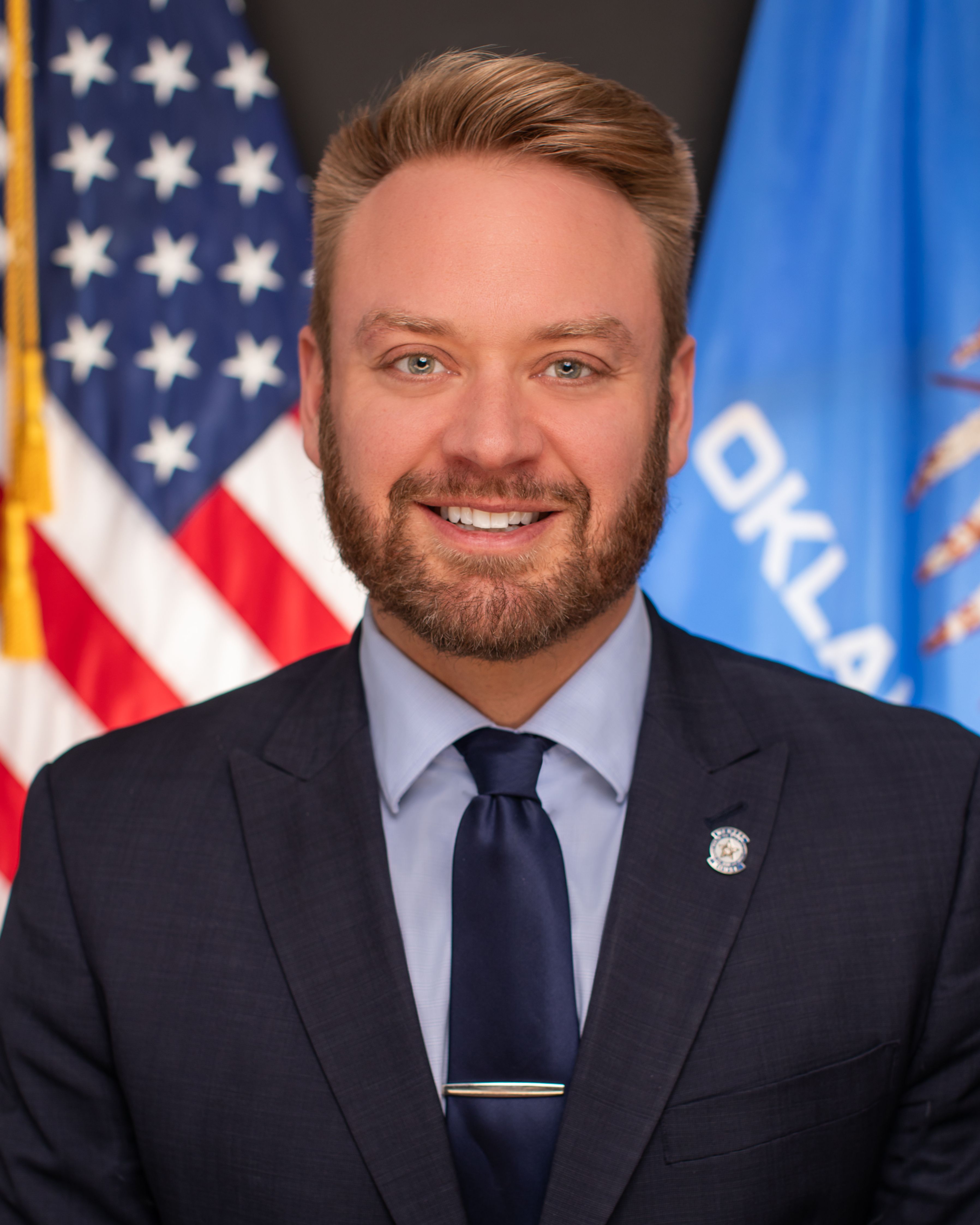
Rep. Mickey Dollens
Sponsored bills
Maddy summaryHB 1046 creates the Oklahoma Spay and Neuter Grant Program, overseen by the Oklahoma Department of Agriculture, Food and Forestry, to reduce animal shelter overpopulation and euthanasia by funding spay/neuter services. It authorizes grants for local governments and animal welfare organizations targeting low-income communities and feral cat populations (where permitted), requiring competitive proposals that detail efficient service delivery and public outreach. The program includes an advisory board to review proposals, but the bill appropriates $0 for implementation, meaning no funds are allocated yet. The program will take effect July 1, 2026, pending future funding decisions.
Maddy summaryHB 1046 creates the Oklahoma Spay and Neuter Grant Program, overseen by the Oklahoma Department of Agriculture, to reduce animal shelter overpopulation and euthanasia by funding spay/neuter services for cats and dogs. The program awards grants to local governments and animal welfare organizations that submit competitive proposals targeting low-income communities, with funding recommendations from an advisory board composed of agriculture officials, shelter representatives, veterinarians, and animal control experts. The bill requires grant recipients to report data on surgeries performed and public outreach efforts, though it appropriates $0.00 for implementation. The program is set to begin July 1, 2026, and directly affects animal welfare organizations, shelters, and low-income communities seeking affordable spay/neuter access.
Maddy summaryHB 1537, the "SAFE Bet Act," establishes a regulatory framework for sports wagering in Oklahoma. It defines key terms like "sports wager," "sports wagering operator," and "Indian Tribe" to clarify what constitutes legal betting and who is subject to the law. The bill authorizes the Attorney General to enforce rules, impose civil penalties for violations, and requires operators to submit anonymized wagering data. It specifically exempts certain activities under federal law (like horseracing) and applies to both state-regulated betting and tribal gaming compacts. The law creates the foundation for future regulation but does not set specific betting limits or tax rates.
Maddy summaryHB 1538, the "Student Retention Protocol Act of 2025," requires Oklahoma schools to offer specific screenings and assessments to students identified as "at risk of being retained" (those below academic thresholds for advancing grades). It mandates hearing and vision screenings, family assessments, and, with parental consent, psychiatric, occupational, or physical therapy evaluations to address potential learning barriers before retention decisions. Schools may provide these services using qualified personnel or contracted professionals, but all provisions depend on available funding. The bill directly affects at-risk students, their families (who must approve psychiatric evaluations), and school districts, aiming to prevent retention through targeted support rather than changing retention policies themselves. It becomes effective July 1, 2025.
Maddy summaryHB 1537, the "Supporting Affordability and Fairness with Every Bet Act of 2025" (SAFE Bet Act), establishes a regulatory framework for sports wagering in Oklahoma. It defines key terms like "sports wager," "interactive sports wagering platform," and "suspicious transaction," and sets standards for operators, including requirements for anonymized data reporting. The bill authorizes the Attorney General to pursue civil actions against violations and outlines procedures for state regulatory oversight, including application renewals and penalties. It directly affects licensed sports wagering operators, state regulators, and tribal entities participating in interstate compacts, while clarifying exemptions for certain activities under federal law. The bill primarily creates definitions and regulatory mechanisms rather than altering existing betting practices or financial terms.
Maddy summaryHB 1538 creates a protocol for Oklahoma schools to support students at risk of being held back a grade. It requires schools to offer hearing and vision screenings, family assessments, and optional psychiatric or therapy evaluations (with parental consent) for these students. These services must be provided by qualified personnel and are subject to available funding. The law applies to all Oklahoma public schools and takes effect July 1, 2025.
Maddy summaryHJR 1011 proposes adding a new constitutional section to establish a recall process for nine statewide elected officials, including the Governor, Lieutenant Governor, Attorney General, and others. It requires that recall petitions gather the same number of signatures as statewide initiative petitions and mandates the Governor to schedule a recall vote at the next General Election after petition submission. The Legislature must then enact the specific recall procedures within one session following voter approval of the constitutional amendment. This measure does not create the process itself but sets the framework requiring voter approval before implementation.
Maddy summaryHB 1051, the "Fair Zoning Act of 2025," requires cities with over 20,000 residents to update zoning laws to allow multi-family housing (like apartments and duplexes) alongside single-family homes in all residential zones, ending exclusive single-family zoning. Cities must submit detailed 5-year reports to the Oklahoma Housing Finance Agency on zoning changes, new housing units, affordability efforts, and community partnerships. The bill prohibits height restrictions on multi-family buildings that meet state safety standards and historical preservation guidelines, while allowing citizens to sue noncompliant local governments. It takes effect November 1, 2025, aiming to increase housing diversity and accessibility in Oklahoma communities.
Maddy summaryHB 1963, the Oklahoma Healthy Families and Workplaces Act, would require most Oklahoma employers to provide paid sick leave to employees. Employees would earn one hour of paid sick time for every 30 hours worked, with small businesses (under 20 employees) limited to 40 hours annually and other employers required to provide up to 56 hours. The leave can be used for personal or family health needs, including care for covered family members as defined in the bill. Employers with existing paid leave policies meeting these standards would not need to provide additional sick time.