

Maddy summaryHB 1138, the Civil Service and Human Capital Modernization Act, modifies the duties of Oklahoma's Human Capital Management and Civil Service Divisions to create new programs for most state employees. It establishes a State Employee Dispute Resolution Program (including mandatory mediation for disciplinary actions like punitive transfers before hearings), a confidential whistleblower program for reporting mismanagement or misuse of state funds, and an Office of Veterans Placement to assist veterans seeking state jobs. The bill requires quarterly reports on case volumes to the Governor and legislature, sets strict timelines for filing and resolving complaints (10 business days to file, 30 days for hearings), and excludes certain groups like elected officials, judges, temporary workers, and executive management from these provisions. These changes aim to standardize how state employment disputes and grievances are handled across Oklahoma's executive branch agencies.
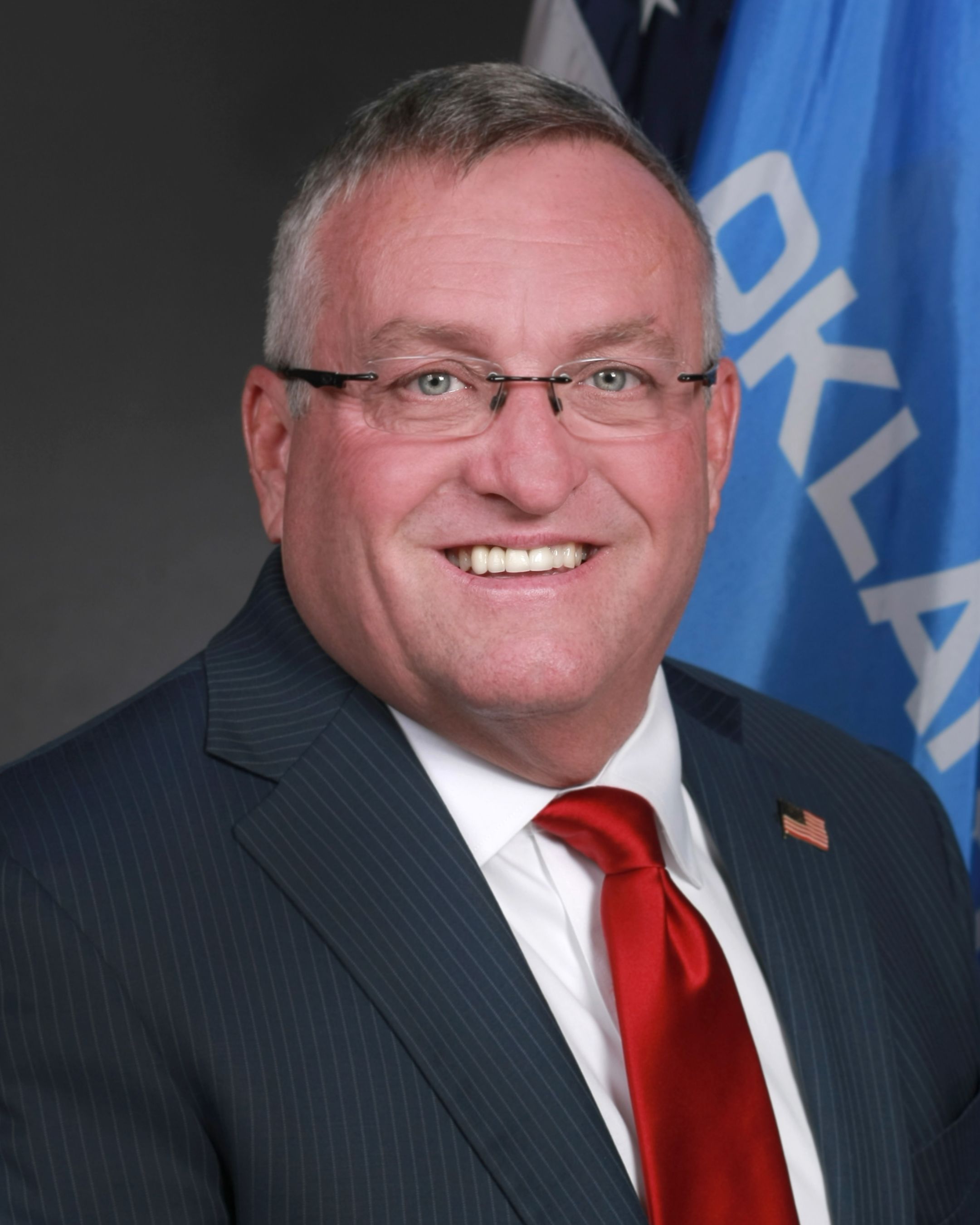
Rep. Ross Ford
Sponsored bills
Maddy summarySB 981, now law in Oklahoma, expands circumstances where a judge may deny bail to defendants charged with specific offenses. It allows bail denial for violent offenses, crimes carrying life sentences, repeat felony offenders (two or more separate felonies), certain drug offenses (with 10+ year potential sentences), and DUI with two prior felony DUI convictions. The bill requires that for most cases, the state must prove guilt is "evident" or the presumption "great" and that no release conditions would ensure community safety. The law took effect on November 1, 2025.
Maddy summarySenate Bill 981 amends Oklahoma's existing law regarding bail, expanding the circumstances under which bail may be denied for individuals arrested for criminal offenses. It authorizes the denial of bail for categories such as violent offenses, crimes potentially punishable by life imprisonment, individuals with two or more prior felony convictions, certain controlled dangerous substance offenses, and repeat felony DUI offenses. For these offenses, bail may be denied if the proof of guilt is evident and no condition of release would assure community safety. The bill also establishes rebuttable presumptions against release for specific violent or domestic abuse-related crimes, particularly if a new violent crime is committed while out on bond. Courts are also required to assess prior patterns of abuse in domestic abuse or violent crime cases when setting bail.
Maddy summaryHB 2705 requires Oklahoma law enforcement agencies to inform sexual assault victims about the status of forensic evidence in their case upon the victim's request. Specifically, victims must be told whether DNA was tested, if the DNA profile was entered into the state DNA database (CODIS), and if a match was found with another case. The law does not compel agencies to provide this information without a request and explicitly excludes details that could interfere with ongoing investigations. This law, effective November 1, 2025, directly affects sexual assault victims and law enforcement agencies handling such cases.
Maddy summaryHB 2705 requires Oklahoma law enforcement agencies, upon a sexual assault victim's request, to provide updates on the status of their sexual assault forensic evidence. Victims will have the right to know if a DNA profile was obtained from the evidence, whether it was entered into the CODIS database, and if any matches were found. Agencies may require these requests to be in writing. This bill aims to inform victims about their forensic evidence, but it does not require disclosure that would compromise an ongoing criminal investigation.
Maddy summaryHB 1676, the "Kay Floyd SANE Act," creates a new Sexual Assault Nurse Examiner (SANE) Statewide Coordinator position within Oklahoma's District Attorneys Council. The coordinator will oversee forensic medical exam training, recruit SANE professionals, develop local SANE and Sexual Assault Response Team programs, and manage payments from the Sexual Assault Examination Fund. The role requires a minimum annual salary of $125,000, funded through the District Attorneys Council's appropriations. The position is established until October 1, 2025, with the bill taking effect November 1, 2025. This directly affects county-level sexual assault response systems and SANE program expansion statewide.
Maddy summaryThis bill, known as the "Kay Floyd SANE Act," makes the Sexual Assault Nurse Examiner (SANE) Statewide Coordinator position a permanent role within the District Attorneys Council. Previously set to expire, this coordinator is responsible for overseeing forensic medical examination training, recruiting SANE professionals, and expanding SANE and Sexual Assault Response Team programs across the state. The bill also establishes an annual salary range of $125,000 to $140,000 for the coordinator, funded by appropriations to the District Attorneys Council.
Maddy summaryThis resolution declares April 6-12, 2025, as National Crime Victims' Rights Week in Oklahoma, with April 9 specifically designated as Victims’ Rights Day. It recognizes the annual observance and theme "Kinship, Connecting, and Healing" while affirming the state’s commitment to treating crime victims with fairness and respect throughout the justice process. The resolution requires the Oklahoma House of Representatives to distribute copies to the Victims Services Division of the Oklahoma District Attorneys Council. As a ceremonial measure, it does not create new laws or alter existing policies but serves to symbolically support victims’ rights advocacy.
Maddy summaryThis resolution (HR 1017) proclaims April 6-12, 2025, as National Crime Victims' Rights Week in Oklahoma and designates April 9, 2025, as Victims’ Rights Day. It symbolically recognizes the theme "Kinship, Connecting, and Healing" and affirms the Oklahoma House of Representatives’ commitment to supporting crime victims' rights. The resolution directs the House to join statewide advocacy organizations and distribute copies to the Victims Services Division of the Oklahoma District Attorneys Council. It does not create new laws or alter existing policies - it is a ceremonial acknowledgment of victims' rights awareness.
Maddy summaryHB 2702 requires Oklahoma school districts to hire special education administrators (directors and assistant directors) who hold a standard teaching certificate and obtain an "acknowledgment of competency" by July 1, 2025. This acknowledgment requires completing 150 hours of training covering Individuals with Disabilities Act (IDEA) rules and scoring at least 70% on a competency exam. Administrators with existing Special Education Teaching Certificates under Oklahoma law (Sections 6-122.7-9) are exempt from the competency requirement. The bill takes effect July 1, 2025, and declares an emergency for immediate implementation.