Issue · Technology

Technology

Every technology bill, vote, and legislator stance in Oklahoma, automatically classified by Maddy, our AI policy reader.

Total bills
159
2026 Regular Session
Top supporter
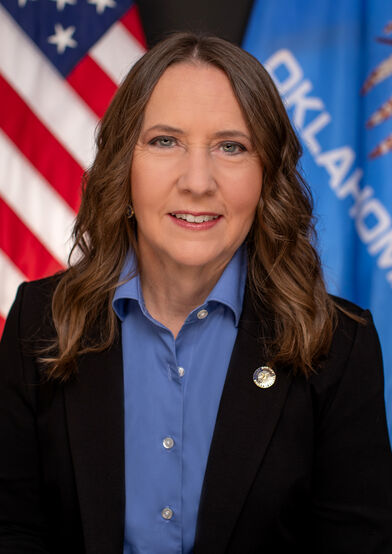
Josh West
91% support rate
Top opponent
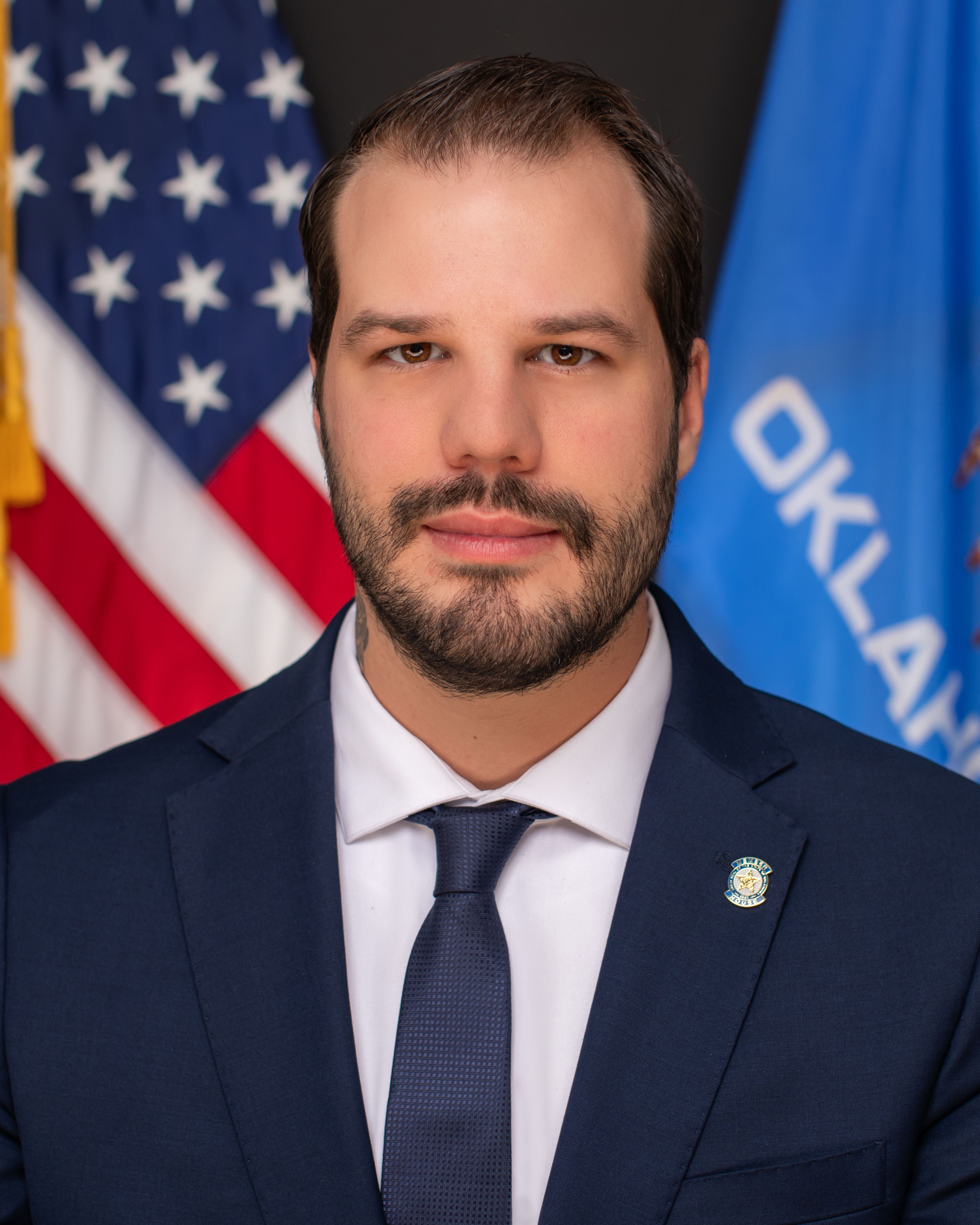
Justin Humphrey
17% support rate
Ranked legislators
10
5 support · 5 oppose
Key legislators

Who's moving technology in Oklahoma

Legislators moving technology in Oklahoma
Legislator Party Stance Support rate Votes
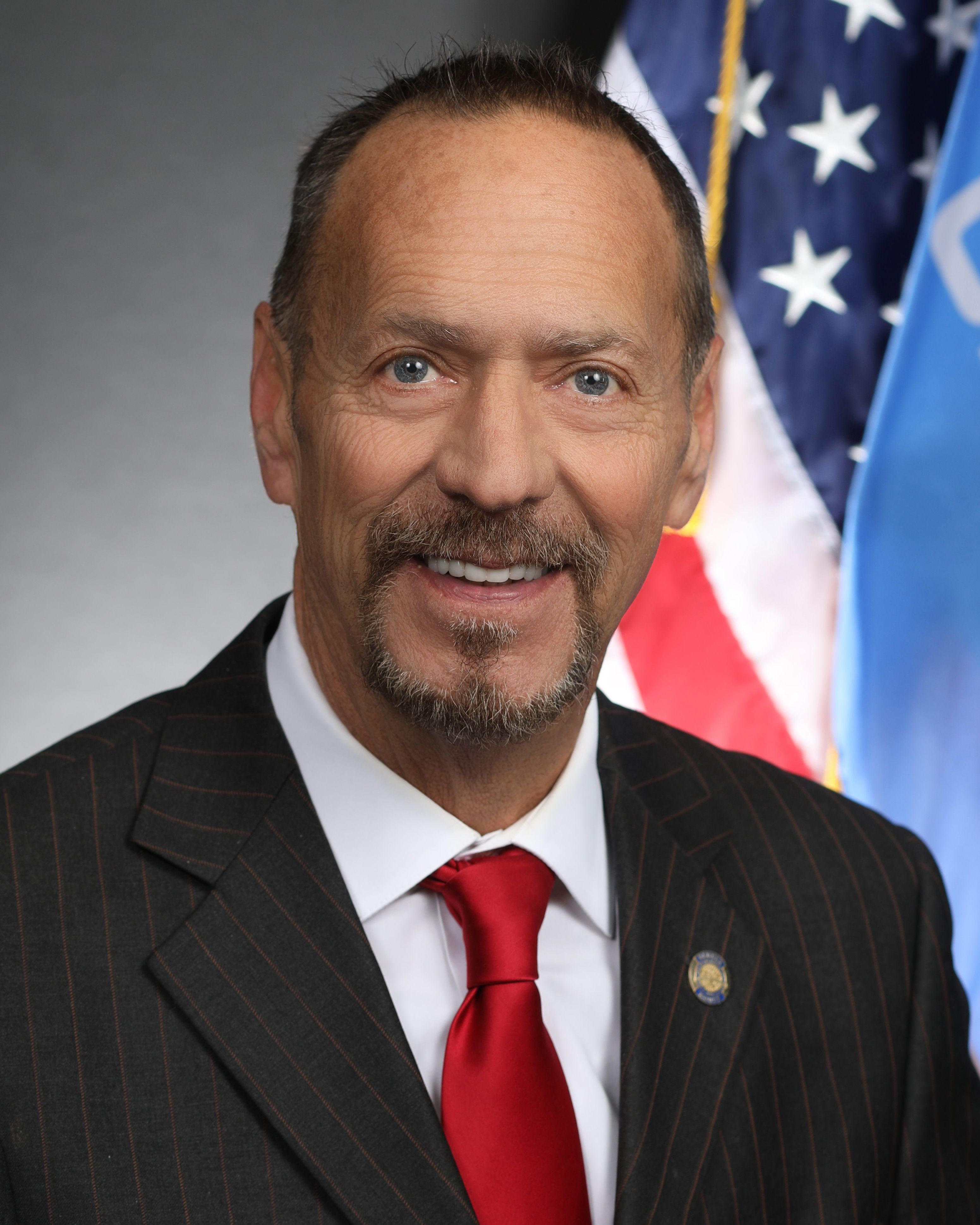
Josh West
Josh West House · District 5
R
Strong +
91% 140
Ken Luttrell
Ken Luttrell House · District 37
R
Strong +
90% 127
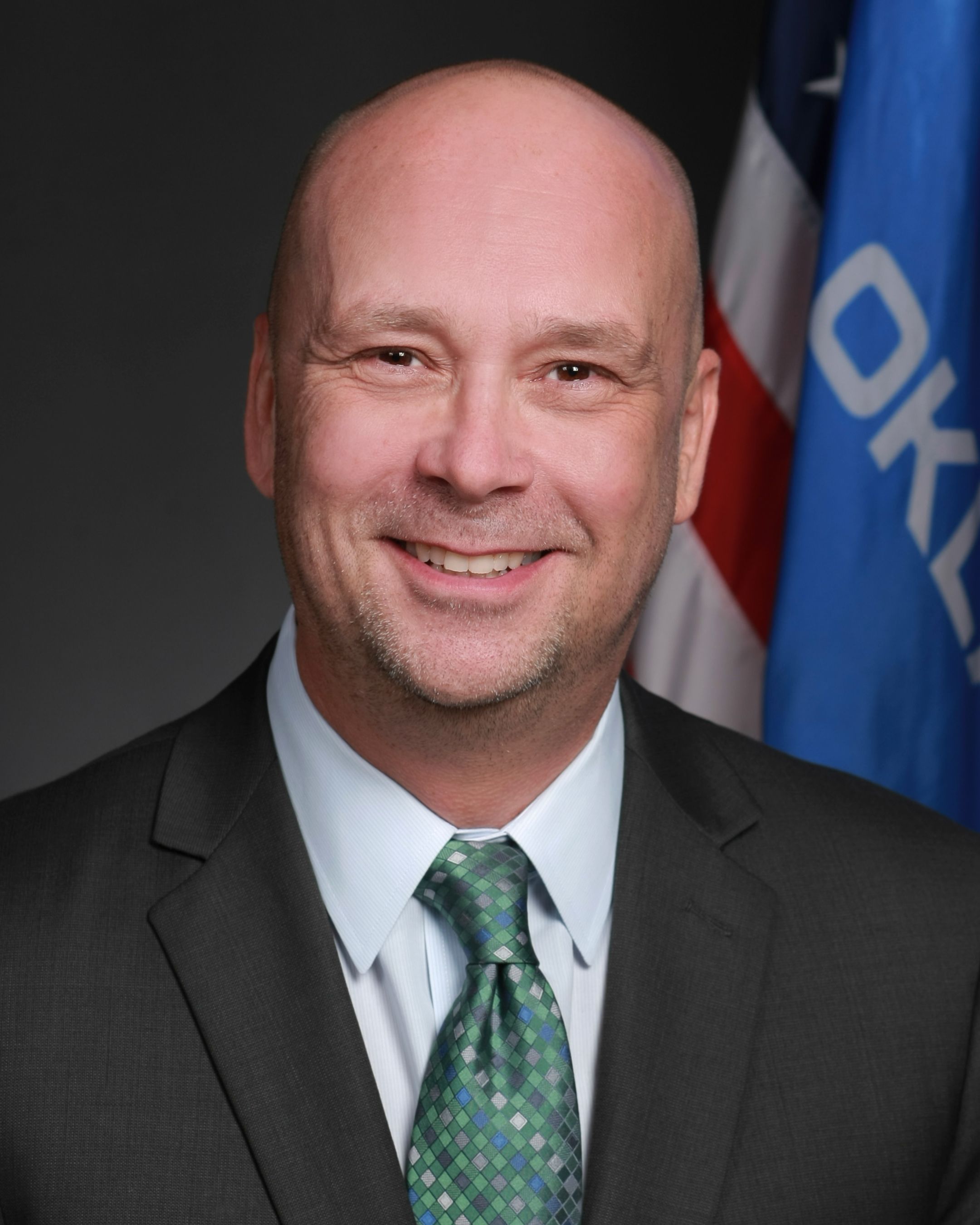
Mike Osburn
Mike Osburn House · District 81
R
Strong +
90% 173
Mark Mann
Mark Mann Senate · District 46
D
Strong +
89% 165
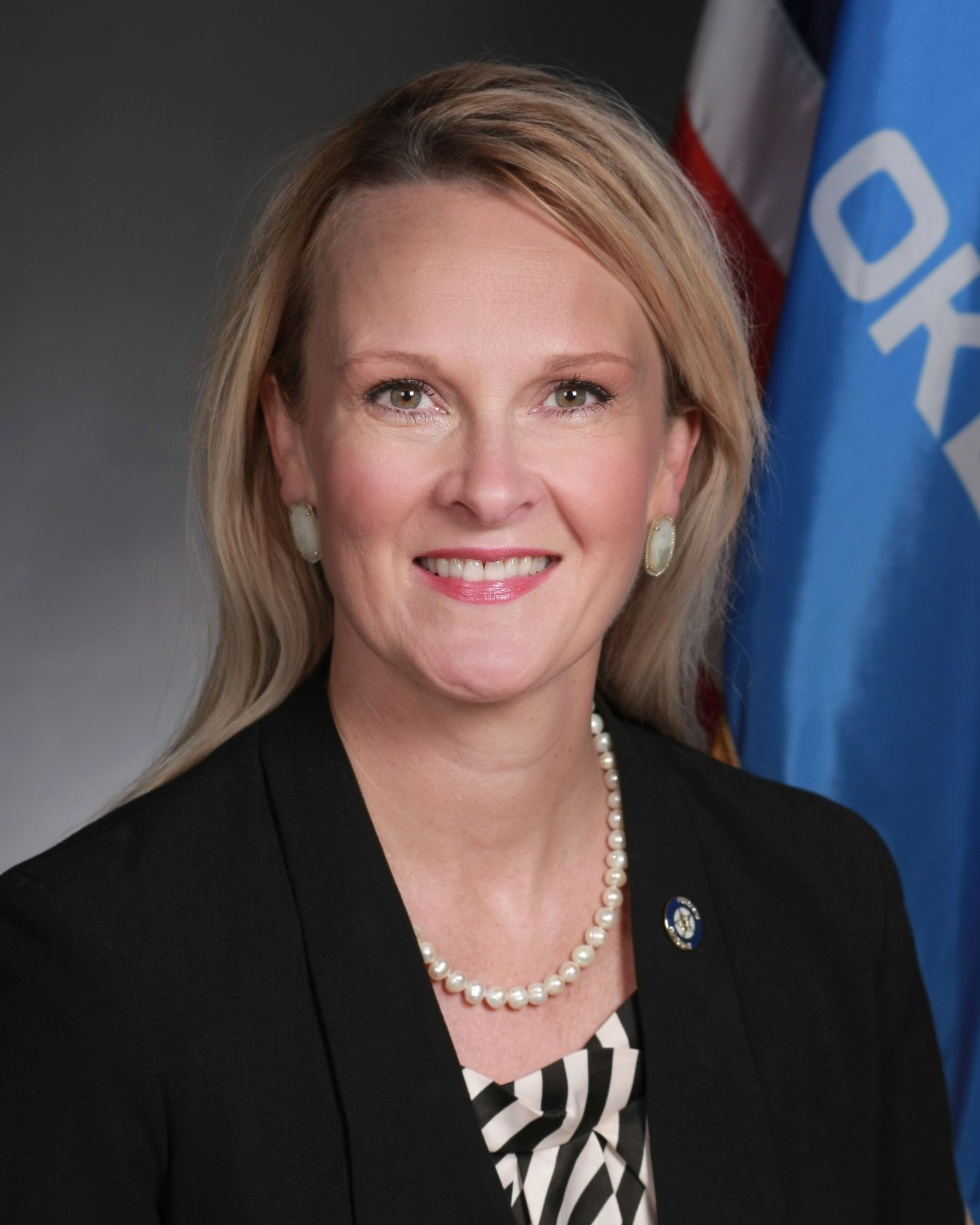
Toni Hasenbeck
Toni Hasenbeck House · District 65
R
Strong +
88% 151
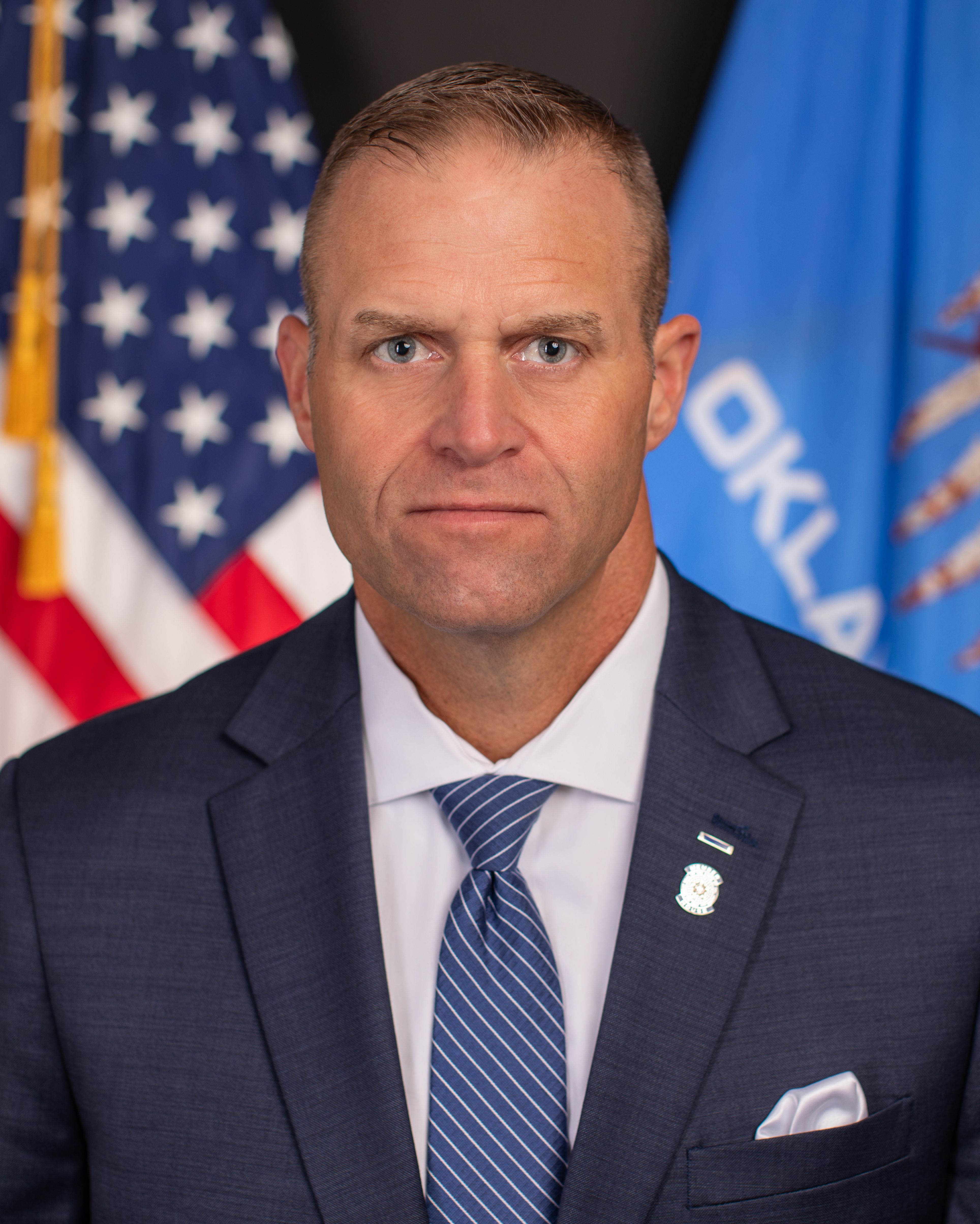
Justin Humphrey
Justin Humphrey House · District 19
R
Strong −
17% 102
Julie McIntosh
Julie McIntosh Senate · District 3
R
Strong −
17% 142
Brian Guthrie
Brian Guthrie Senate · District 25
R
Strong −
18% 149
Gabe Woolley
Gabe Woolley House · District 98
R
Strong −
19% 180
Tom Gann
Tom Gann House · District 8
R
Strong −
19% 163
Showing 61–70 of 159 bills

All technology bills

in committee · Oklahoma · Senate Feb 3, 2026

SB 1972: Internet; creating the Oklahoma Children's Internet Protection Act. Effective date.

SB 1972, the Oklahoma Children's Internet Protection Act, requires online platforms (interactive computer service providers) to obtain parental or guardian consent before entering contracts with minors under 18. It prohibits platforms from sharing minors' personal information - including names, images, location data, or likeness - without this consent. Platforms must verify parental consent through specific methods like signed forms, video calls, or verified email. Violations can result in civil penalties enforced by the Oklahoma Attorney General.
died · Oklahoma · House Feb 23, 2026

HB 4190: Oklahoma State Bureau of Investigation; Cyber Crime and Fraud Unit; motor vehicle insurance policy renewals; revolving fund; effective date.

HB 4190 creates a Cyber Crime and Fraud Unit within Oklahoma's State Bureau of Investigation (OSBI) to investigate cyber-enabled crimes, financial fraud, and digital evidence cases. It funds the unit through a one-time $3 million appropriation from general funds and a new $2 annual fee on motor vehicle insurance renewals (collected by insurers and remitted to OSBI). The unit operates within OSBI's existing jurisdiction, using funds for personnel, technology, training, and operations, with all revenues deposited into a dedicated revolving fund. The bill requires OSBI to provide annual reports on fund usage and takes effect November 1, 2026.
Sub-Topics Appropriations
in committee · Oklahoma · Senate Feb 3, 2026

SB 1751: Human trafficking; creating the Human Trafficking Identification and Reporting Act. Effective date.

SB 1751 creates a secure digital platform for reporting human trafficking in Oklahoma, requiring the Attorney General to contract with a nonprofit organization to develop and manage it. Mandated reporters (such as teachers, healthcare workers, and social workers) can use this platform to anonymously report suspected trafficking, with high-priority cases automatically routed to law enforcement or child protection agencies in real time. The platform must comply with privacy laws (including HIPAA), allow anonymous reporting, and integrate with existing systems like the National Human Trafficking Hotline. The bill becomes effective November 1, 2026.
in committee · Oklahoma · House Feb 26, 2026

HB 3299: Crimes and punishments; creating and disseminating a digitization or synthetic media; making certain acts unlawful; emergency.

HB 3299 prohibits creating and sharing synthetic media (such as deepfakes) that falsely depict a person's name, image, voice, or likeness without their written consent, unless used for news, commentary, satire, or parody. It requires political advertisements using such media during election periods (45 days before elections) to clearly disclose that the content is synthetic, with violations punishable as misdemeanors. For non-political use, creating synthetic media without consent is a misdemeanor, but becomes a felony if it causes over $25,000 in financial harm or is used for extortion. Victims can also seek civil damages, including legal fees, for violations.
passed · Oklahoma · House Apr 21, 2026

HB 3544: Technology; artificial intelligence; companions; minors; safety; civil penalties; effective date.

HB 3544 prohibits AI chatbots with human-like features (e.g., claiming sentience or seeking emotional bonds) from being available to minors under 18. It requires developers to implement age verification systems and offer alternative versions without such features for minors. Therapeutic chatbots providing mental health support are exempt if they include clear disclaimers, require professional oversight, provide clinical evidence of safety, and maintain transparency. Violations could result in civil penalties up to $7,500 per intentional violation, with minors or parents able to seek damages of $100-$750 per incident. The law takes effect November 1, 2026.
passed · Oklahoma · House Apr 1, 2026

HB 4132: Technology; liability protections; counties; municipalities; cybersecurity frameworks; State Auditor and Inspector; effective date.

HB 4132 creates liability protection for Oklahoma counties and municipalities if they adopt specific cybersecurity frameworks (NIST, CIS, or ISO standards) and meet compliance requirements. To qualify, local governments must annually certify compliance, maintain detailed security documentation, and undergo independent cybersecurity reviews every three years. This bill directly affects county and municipal operations by reducing legal risk from data breaches when these steps are followed. It does not change existing cybersecurity practices but provides a legal shield for entities that implement recognized standards. The law takes effect November 1, 2026.
Sub-Topics Cybersecurity
died · Oklahoma · House Feb 18, 2026

HB 4110: State government; Transparency and Accountability Platform Act (TAP); TAP platform; the Oklahoma DHS of Human Services; Supplemental Nutrition Assistance Program (SNAP); The Oklahoma DHS of Corrections; Corrections Transparency Overlay; appropriation; effective date.

HB 4110 creates a digital "Transparency and Accountability Platform" (TAP) to enhance verification for Oklahoma's SNAP program and corrections supervision. It requires on-device biometric checks (without storing biometric data), location tracking for events like SNAP enrollment or corrections check-ins, and real-time fraud detection. The bill mandates a 6-12 month pilot program for SNAP before statewide rollout, with quarterly reports to lawmakers, and prohibits denying SNAP benefits due to TAP system failures. The TAP platform operates as a "thin overlay" on existing systems, requiring no replacement of current eligibility or supervision software.
in committee · Oklahoma · House Feb 3, 2026

HB 3889: Sex offenders; requiring disclosure of certain conviction information; effective date.

HB 3889 requires Oklahoma sex offenders to disclose their internet communication identities (including email, chat, and social media handles) as part of their registration with law enforcement. It affects all individuals subject to Oklahoma's Sex Offenders Registration Act, particularly those with out-of-state convictions needing to provide certified court documents within 60 days of moving. The bill also specifies address verification frequencies based on risk level: annually for Level 1, semiannually for Level 2, and every 90 days for Level 3 or habitual offenders. It mandates that offenders submit proof of current address and household occupants during verification checks. These changes update registration requirements to include digital footprints and streamline address compliance processes.
in committee · Oklahoma · House Feb 3, 2026

HB 3715: Schools; prohibiting student use of personal electronic devices; effective date; emergency.

HB 3715 requires Oklahoma public school districts to adopt policies banning student use of personal electronic devices (like smartphones, tablets, smartwatches, and laptops) from the start to the end of each school day beginning with the 2025-2026 school year. For the 2026-2027 school year and beyond, districts may choose whether to maintain this ban. The policy must include disciplinary procedures and allow exceptions for emergencies or health monitoring. The bill takes effect July 1, 2026, and explicitly excludes school-issued devices used for classroom instruction.
passed · Oklahoma · House Apr 16, 2026

HB 3380: Children; Fostering the Future for Oklahoman Children and Families Act; Department of Human Services; tasks; time period; authority or functions; departments or agencies; applicable laws; report; codification; effective date.

HB 3380, the "Fostering the Future for Oklahoman Children and Families Act," requires Oklahoma's Department of Human Services (DHS) to modernize child welfare systems within 180 days of its effective date. It mandates improved data collection and transparency, expansion of AI-driven tools for caregiver matching and funding efficiency, and annual public scorecards tracking outcomes like reducing foster care duration and improving child safety. The bill also directs DHS to create a new initiative supporting youth transitioning from foster care through online resource platforms, educational scholarships, and reallocated funding for job training. Additionally, it requires DHS to address religious accommodations for faith-based partners and foster family placements. The law takes effect November 1, 2026.
Showing 61 to 70 of 159 bills
Previous 1 6 7 8 16 Next