Issue · Technology

Technology

Every technology bill, vote, and legislator stance in Oklahoma, automatically classified by Maddy, our AI policy reader.

Total bills
159
2026 Regular Session
Top supporter
Josh West
91% support rate
Top opponent
Justin Humphrey
17% support rate
Ranked legislators
10
5 support · 5 oppose
Key legislators

Who's moving technology in Oklahoma

Legislators moving technology in Oklahoma
Legislator Party Stance Support rate Votes
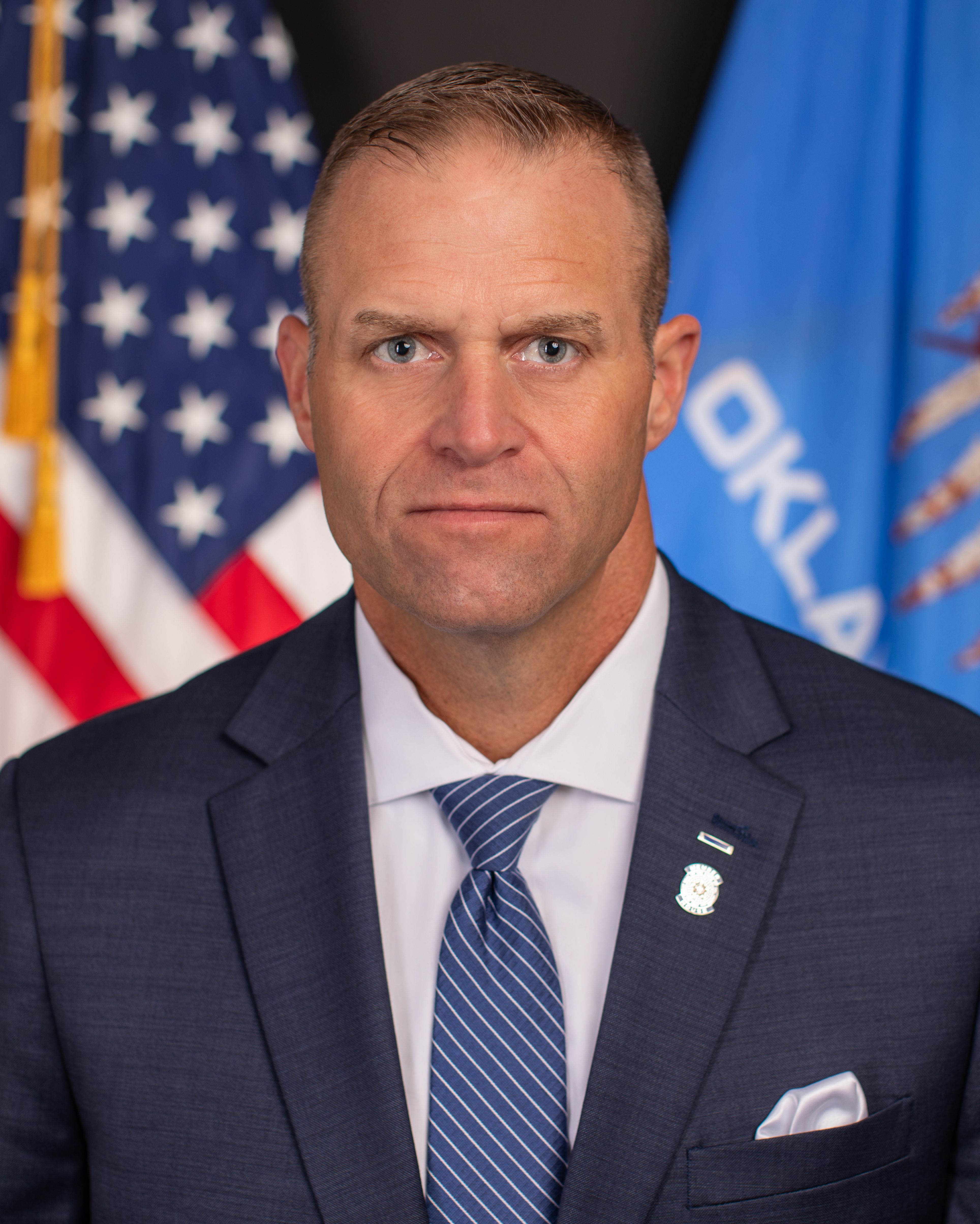
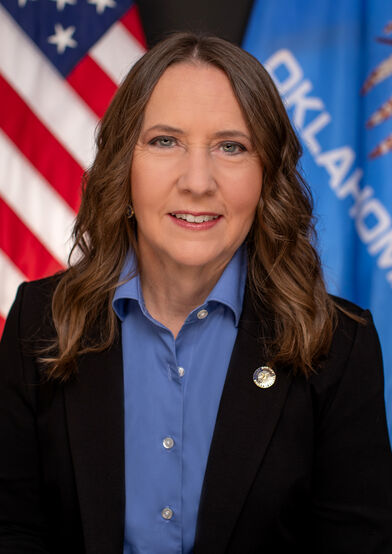
Josh West
Josh West House · District 5
R
Strong +
91% 140
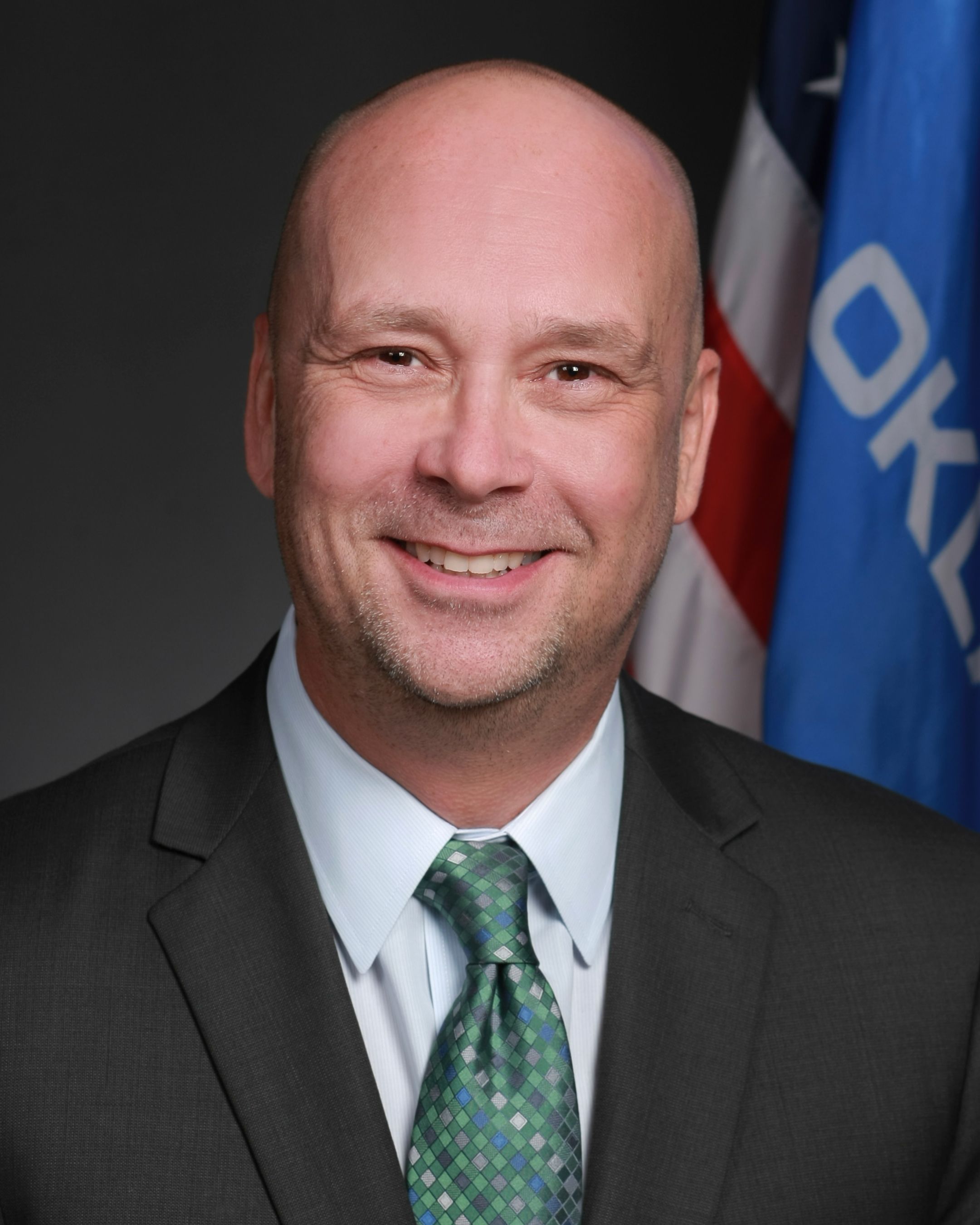
Ken Luttrell
Ken Luttrell House · District 37
R
Strong +
90% 127
Mike Osburn
Mike Osburn House · District 81
R
Strong +
90% 173
Mark Mann
Mark Mann Senate · District 46
D
Strong +
89% 165
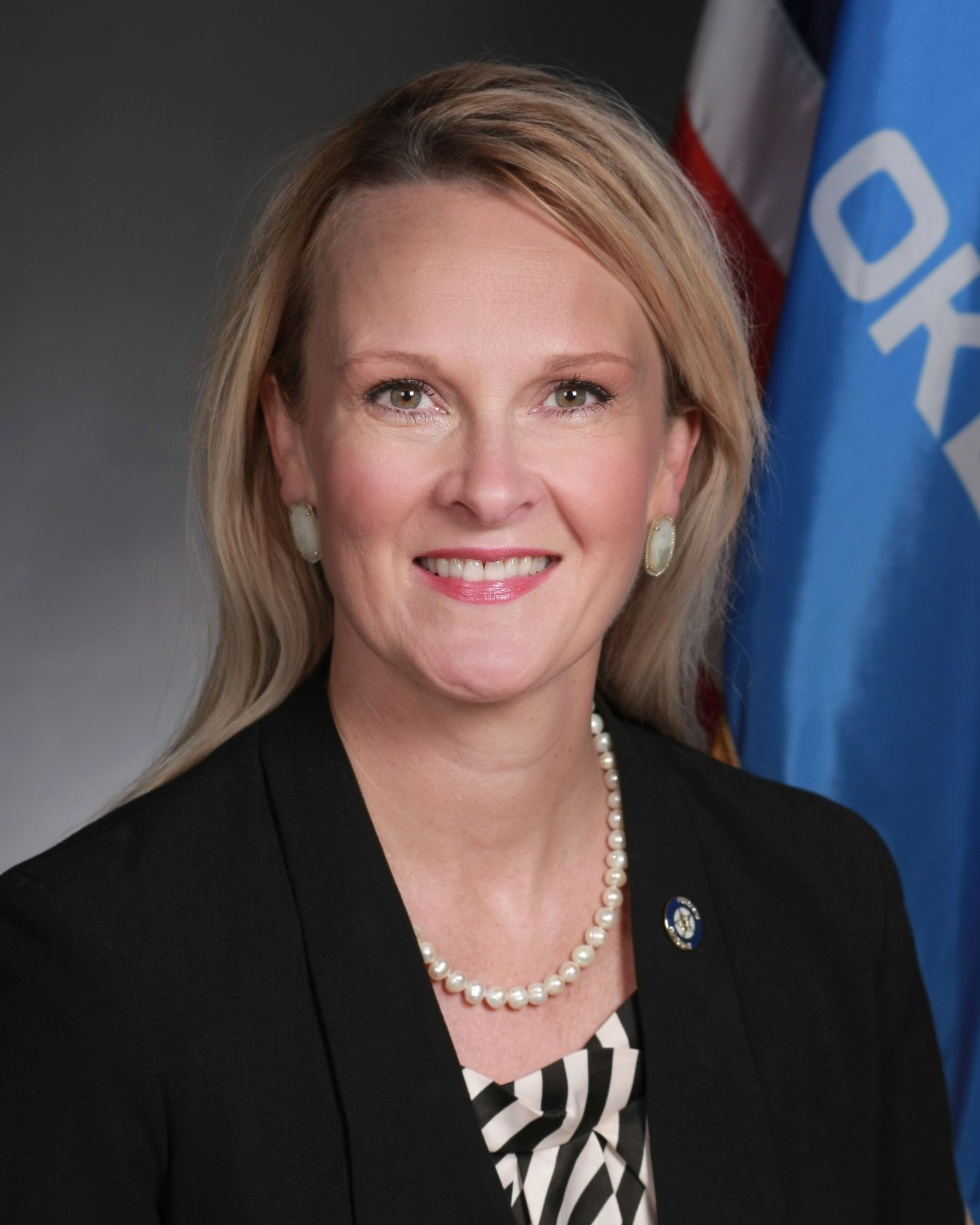
Toni Hasenbeck
Toni Hasenbeck House · District 65
R
Strong +
88% 151
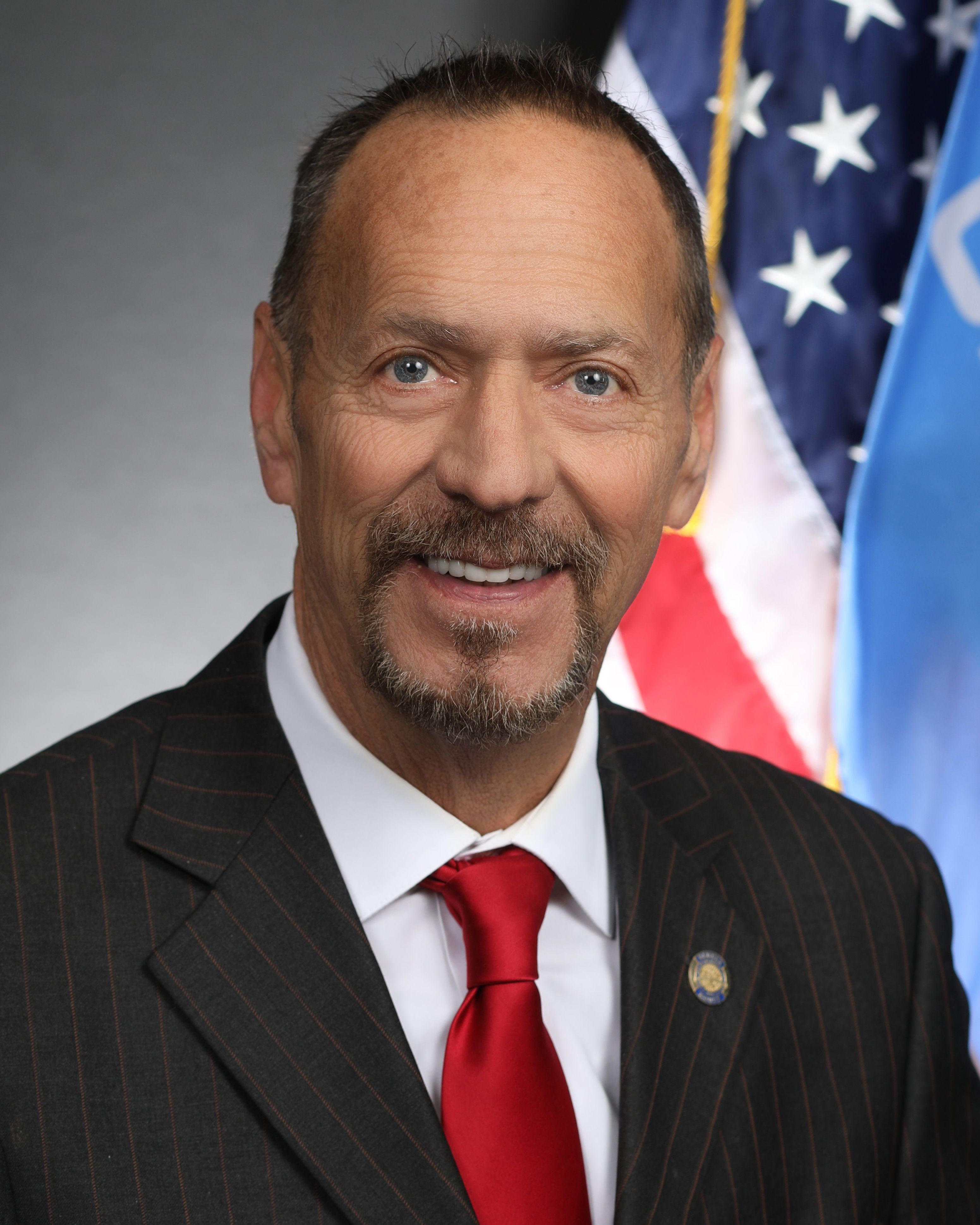
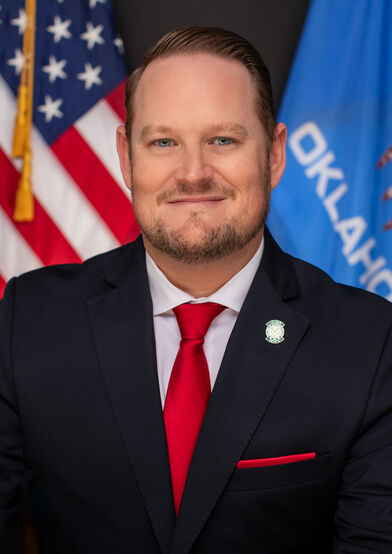
Justin Humphrey
Justin Humphrey House · District 19
R
Strong −
17% 102
Julie McIntosh
Julie McIntosh Senate · District 3
R
Strong −
17% 142
Brian Guthrie
Brian Guthrie Senate · District 25
R
Strong −
18% 149
Gabe Woolley
Gabe Woolley House · District 98
R
Strong −
19% 180
Tom Gann
Tom Gann House · District 8
R
Strong −
19% 163
Showing 131–140 of 159 bills

All technology bills

passed · Oklahoma · House Apr 2, 2025

HB 1346: Child pornography; changing name of certain defined term; repealers; emergency.

HB 1346 changes Oklahoma law by replacing the term "child pornography" with "child sexual abuse material" in all relevant statutes. It requires commercial entities (like websites or platforms) to implement "reasonable age verification methods" to prevent minors from accessing harmful online content, and holds these entities liable for civil damages if they knowingly publish or distribute such material. The bill directly affects online platforms and commercial entities hosting content, adding new civil liability standards without creating new criminal penalties. Key provisions define terms like "age verification methods" and "harmful to minors" to clarify enforcement.
Sub-Topics Online Safety
signed · Oklahoma · House May 12, 2025

HB 1124: Broadband; modifying make-up of fund; effective date.

HB 1124 modifies Oklahoma's Statewide Recovery Fund to specify that funds from the federal American Rescue Plan Act (specifically sections for coronavirus capital projects and state/local recovery funds) will be directed to this fund, excluding money designated for local governments. It clarifies that all interest earned on these deposits will also be added to the fund. The bill ensures these funds are available for broadband-related projects without requiring new appropriations. It takes effect November 1, 2025, and became law without the governor's signature on May 12, 2025.
Sub-Topics Broadband Access
died · Oklahoma · House Apr 15, 2025

HB 1203: Public finance; enacting the Strategic Bitcoin Reserve Act; definitions; investments; State Treasurer; assets; state retirement funds; digital assets; effective date.

HB 1203, the Strategic Bitcoin Reserve Act, would allow Oklahoma's State Treasurer to invest up to 10% of specific state funds (General Fund, Revenue Stabilization Fund, and Constitutional Reserve Fund) in Bitcoin or digital assets with a $500 billion+ market cap, plus approved stablecoins. The bill requires all digital assets to be held through secure custody solutions meeting strict security standards, including multi-party governance and encrypted storage in geographically diverse facilities. It also mandates that taxes paid in Bitcoin be converted to U.S. currency and transferred to the State General Fund, and permits state retirement funds to hold digital assets under similar secure custody rules. The act applies directly to state treasury operations, retirement funds, and tax collection processes. The bill was introduced in 2025 but failed in committee in April 2025.
Sub-Topics State Budget
in committee · Oklahoma · Senate Mar 5, 2025

SB 894: Artificial intelligence; prohibiting distribution of certain media and requiring certain disclosures. Effective date.

SB 894 prohibits distributing AI-generated "deepfake" videos or audio of political candidates within 90 days of an election, unless a clear disclosure states "This media has been manipulated by artificial intelligence." The law requires disclosures to be visible/readable (e.g., large text in videos, spoken in audio) and applies to individuals, corporations, or committees creating such media. Exceptions cover news broadcasts, satire, and media that clearly acknowledges authenticity questions. Violations can result in civil penalties up to $10,000, with the law taking effect November 1, 2025.
signed · Oklahoma · House May 4, 2026

HB 1276: Schools; extending prohibition on use of cell phones and personal electronic devices on certain campuses; effective date; emergency.

HB 1276 requires Oklahoma public school districts to adopt policies banning student cell phones and personal electronic devices (like tablets, smartwatches, or laptops) during the entire school day and on school grounds, effective July 2025. Exceptions are permitted for medical emergencies documented by a licensed professional. School boards may opt out of the ban through annual approval, but must still allow device use for emergencies. The bill defines "personal electronic devices" to exclude school-issued tech used for instruction and clarifies "school day" as the full instructional period from first to last bell. It directly affects all K-12 students and school districts in Oklahoma.
Sub-Topics K-12 Education
in committee · Oklahoma · House Feb 4, 2025

HB 2447: Revenue and taxation; broadband communications; income tax credit; effective date.

HB 2447 creates a 25% income tax credit for businesses that invest in qualified broadband telecommunications infrastructure in Oklahoma, effective for tax years beginning after December 31, 2025. The credit covers the cost of equipment, facilities, and technology used to provide high-speed internet service, with the credit limited to reducing tax liability to zero and allowing unused portions to be carried forward for up to five years. This policy directly affects businesses building or upgrading broadband networks, particularly in rural areas as defined by the Rural Broadband Expansion Council. The bill aims to incentivize broadband expansion by reducing costs for infrastructure investment. It becomes effective January 1, 2026.
signed · Oklahoma · Senate May 5, 2025

SB 139: Schools; requiring school district boards of education to adopt certain cell phone policy.

SB 139 requires Oklahoma public school district boards of education to adopt cell phone policies by the 2025-2026 school year. Starting in the 2026-2027 school year, boards may choose to implement policies prohibiting students from using cell phones or personal electronic devices on school campuses "from bell to bell" during school hours. The bill directly affects school districts by setting a timeline for policy adoption and defining the scope of device restrictions during instructional time. This legislation, approved by the governor on May 3, 2025, provides a framework for district-level decisions without mandating specific enforcement.
Sub-Topics K-12 Education
in committee · Oklahoma · House Feb 4, 2025

HB 1626: Motor vehicles; defining terms; authorizing certain use of automatic license plate reader systems; effective date.

HB 1626 regulates how Oklahoma law enforcement agencies use automatic license plate reader (ALPR) systems on highways. It requires agencies to obtain permits from the Oklahoma Department of Transportation before installation, adopt public policies covering data security, retention (deleting data after 30 days unless part of an active investigation), and prohibiting data sales, and limits use to official law enforcement purposes only. The bill explicitly prohibits using ALPRs to issue traffic citations or create hot lists without documented law enforcement justification. It applies to all state and local law enforcement agencies using these systems and takes effect November 1, 2025.
in committee · Oklahoma · Senate Feb 12, 2025

SB 815: Sealing of court records; requiring sealing of records of forcible entry and detainer proceedings under certain circumstances. Effective date.

SB 815 requires courts to automatically seal all records in eviction cases (forcible entry and detainer proceedings) under specific conditions. If a case is dismissed or the defendant wins, records must be sealed immediately; if the plaintiff wins, records must be sealed two years after the judgment. Sealed records cannot appear in public databases, be sold, or shared with third parties, and are only accessible to the person involved, their attorney, or the court. This applies to all case documents, including complaints, pleadings, and court orders, ensuring privacy for individuals involved in these housing-related legal matters.
Sub-Topics Tenant Rights
in committee · Oklahoma · Senate Feb 4, 2025

SB 371: Schools; directing school district boards of education to adopt policies prohibiting students from accessing certain social network or social media platforms on certain computers and devices. Effective date. Emergency.

SB 371 requires Oklahoma school districts to create policies blocking students from accessing social media platforms (including social networks, blogs, video sharing, and photo sharing) on school-owned computers or devices while on school premises. The bill defines "social media" broadly to cover all interactive online platforms where users contribute content. School boards must adopt these policies by a specified deadline, with rules to be developed by the state education agency. The law takes immediate effect due to an emergency declaration.
Showing 131 to 140 of 159 bills
Previous 1 13 14 15 16 Next