Issue · Labor & Employment

Labor & Employment (Labor Standards)

Every labor & employment bill, vote, and legislator stance in Oklahoma, automatically classified by Maddy, our AI policy reader.

Total bills
14
2026 Regular Session
Top supporter
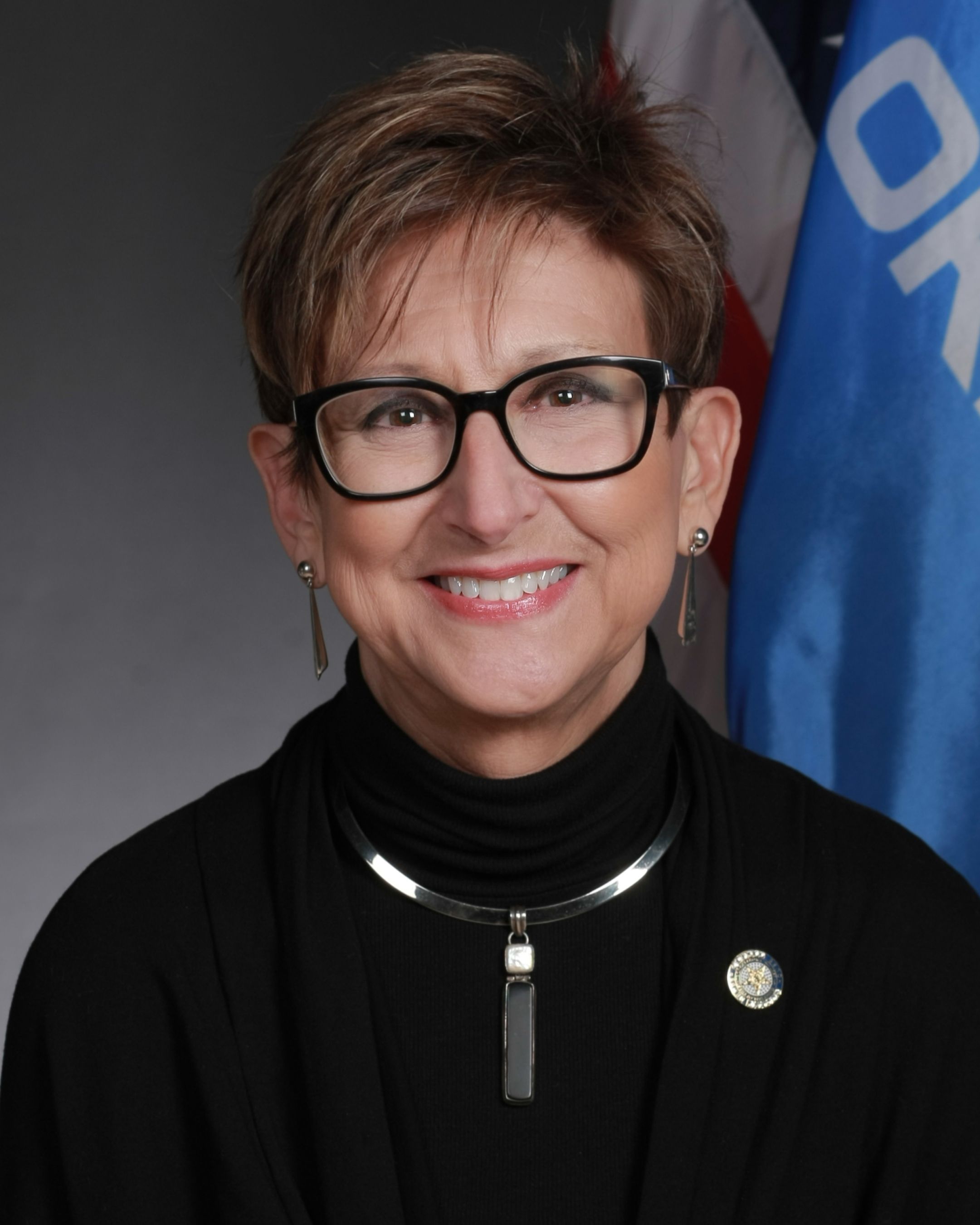
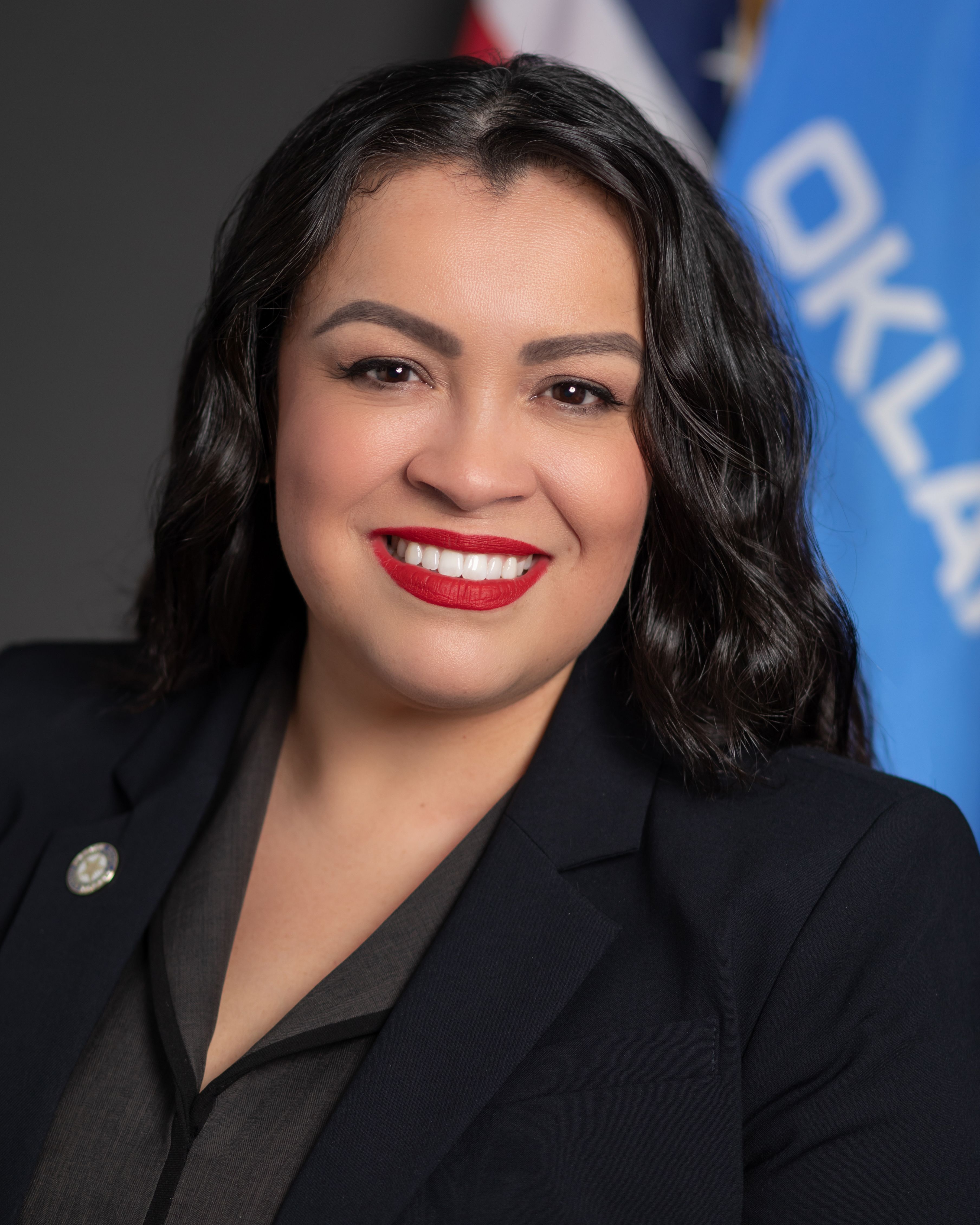
Meloyde Blancett
100% support rate
Top opponent
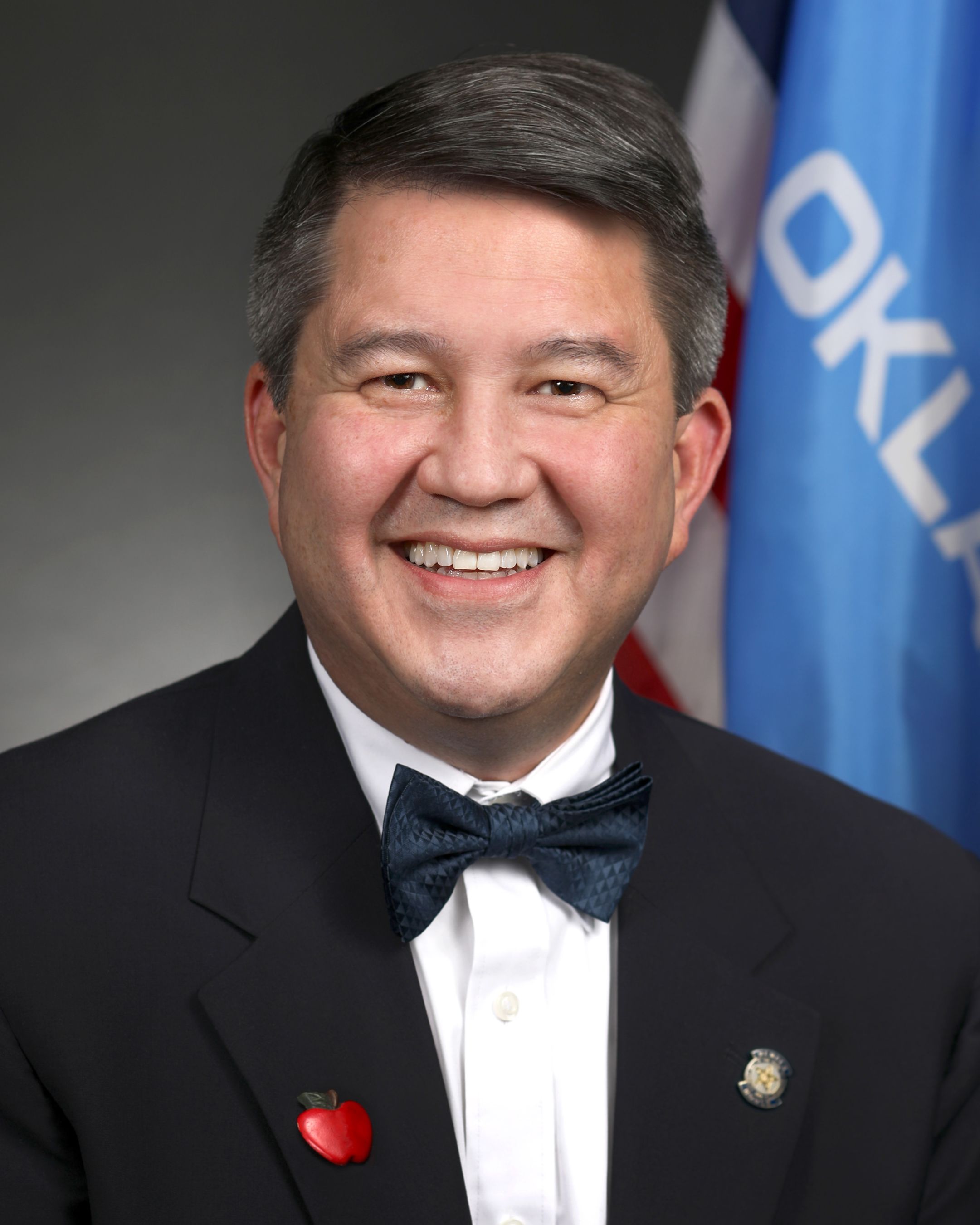
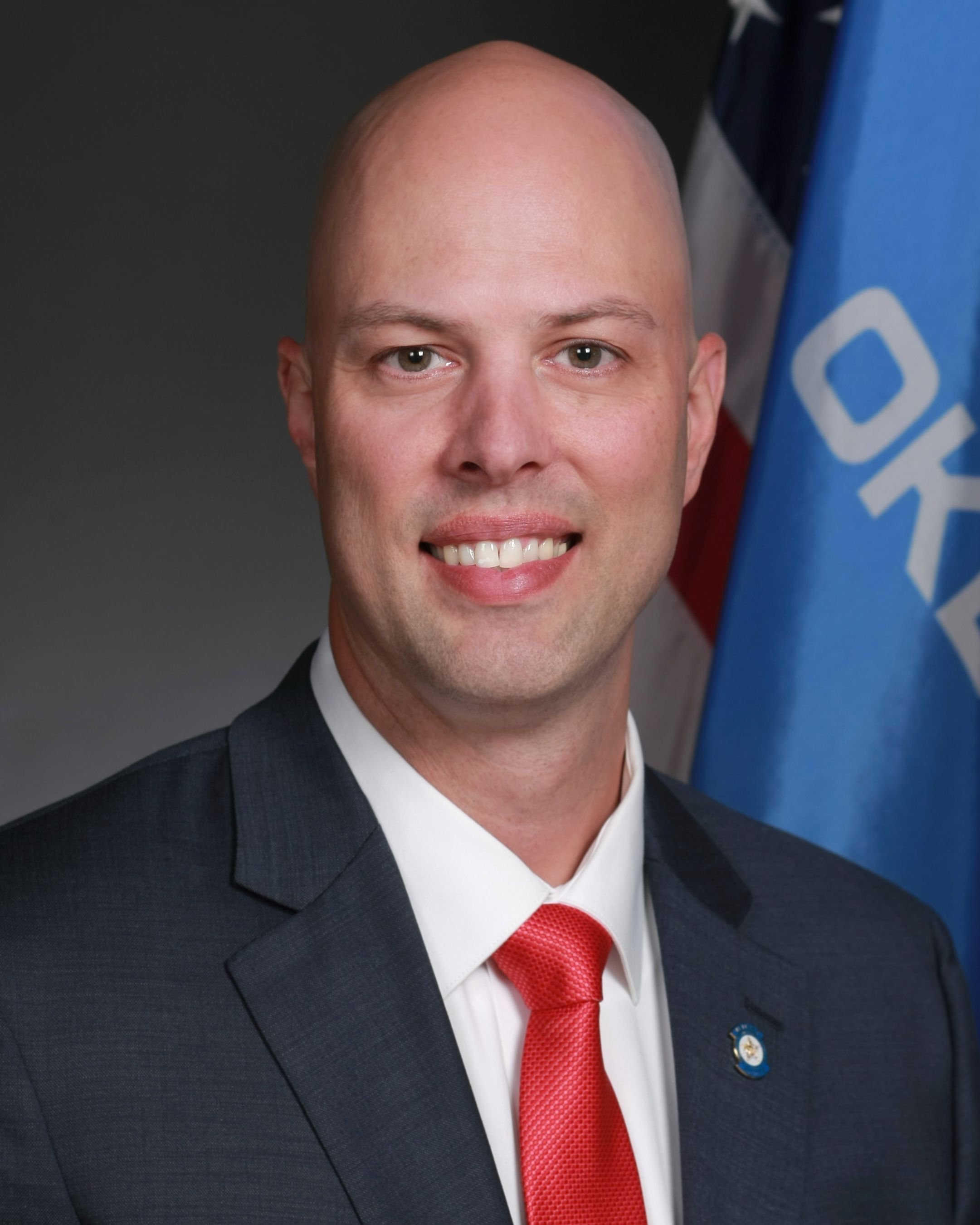
Rick West
0% support rate
Ranked legislators
10
5 support · 5 oppose
Key legislators

Who's moving labor standards in Oklahoma

Legislators moving labor standards in Oklahoma
Legislator Party Stance Support rate Votes
Meloyde Blancett
Meloyde Blancett House · District 78
D
Strong +
100% 8
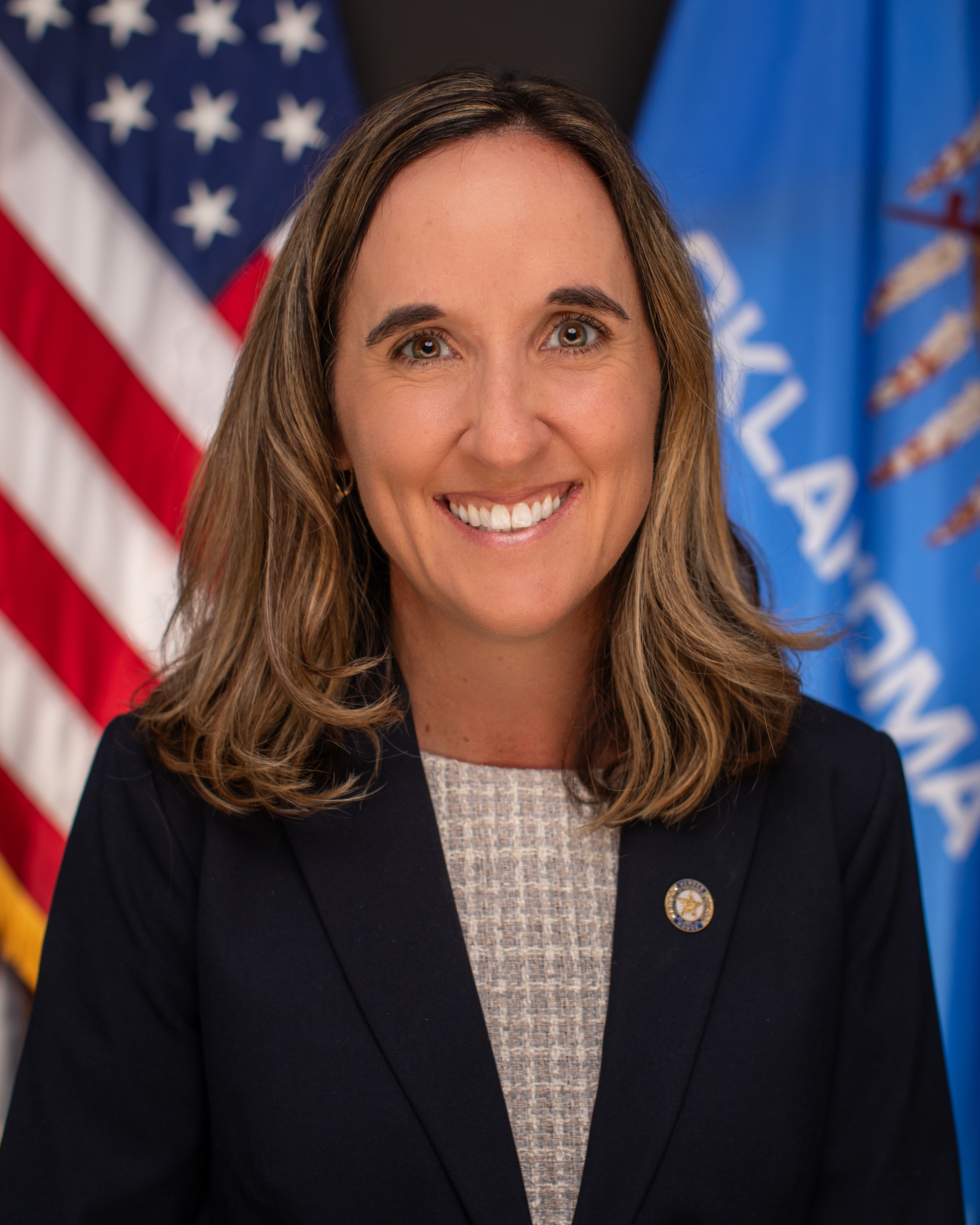
Ellen Pogemiller
Ellen Pogemiller House · District 88
D
Strong +
100% 7
Jacob Rosecrants
Jacob Rosecrants House · District 46
D
Strong +
100% 7
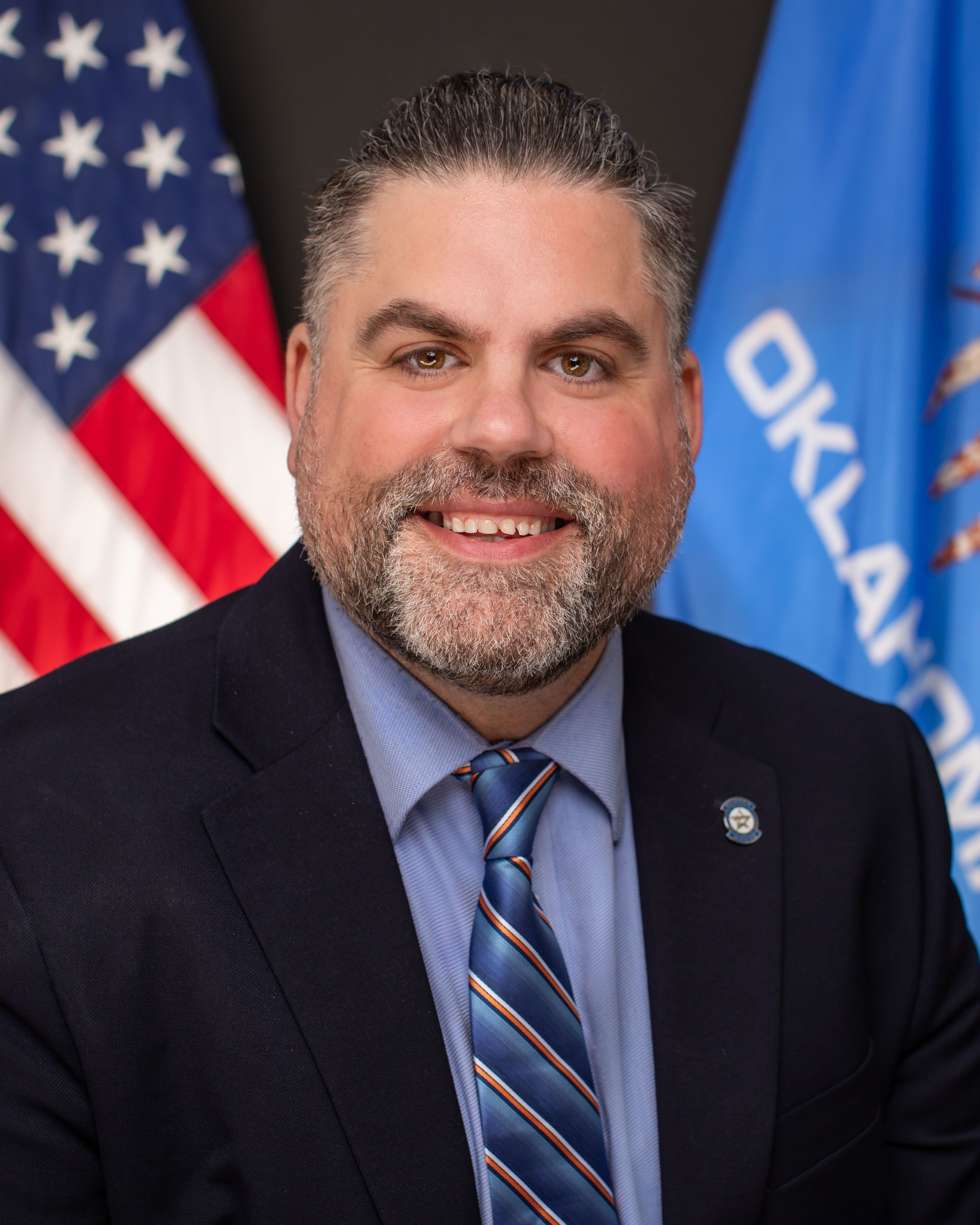
Andy Fugate
Andy Fugate House · District 94
D
Strong +
100% 6
Annie Menz
Annie Menz House · District 45
D
Strong +
100% 6
Rick West
Rick West House · District 3
R
Strong −
0% 7
Tom Gann
Tom Gann House · District 8
R
Strong −
0% 7
Jim Shaw
Jim Shaw House · District 32
R
Strong −
0% 6
Molly Jenkins
Molly Jenkins House · District 33
R
Strong −
0% 6
Jay Steagall
Jay Steagall House · District 43
R
Strong −
0% 5
Showing 1–10 of 14 bills

All labor & employment bills

in committee · Oklahoma · Senate Feb 3, 2026

SB 1748: State Fire Marshal; establishing requirements for fire code utilization for inspections. Effective date.

SB 1748 requires mobile food preparation vehicles (like food trucks) operating in Oklahoma to comply with the most current fire code in effect at their last inspection for 10 years, with new inspections based on codes current at the time of each check. It mandates specific fire safety equipment, including a six-liter Class K fire extinguisher for grease-related cooking, and requires annual inspections by the State Fire Marshal. The bill also establishes inspection scheduling (quarterly statewide and twice yearly in counties over 400,000 population) and sets a January 1, 2026, deadline for all vehicles to transition to the new fire code standards. The law takes effect November 1, 2026, and updates inspection protocols for food trucks handling cooking fuels or liquefied petroleum gas.
Sub-Topics Labor Standards
passed · Oklahoma · House Apr 16, 2026

HB 4198: Workplace violence; creating the Protection from Workplace Violence Act; authorizing certain persons to seek protective order relief; codification; effective date.

HB 4198 creates Oklahoma's "Protection from Workplace Violence Act," allowing employers to seek court-issued protective orders against former employees who harass or stalk current employees. It defines workplace harassment and stalking broadly (including repeated contact, following, or electronic communications) and sets clear procedures for filing petitions, obtaining emergency ex parte orders, and scheduling hearings. The law requires specific information in protective orders, limits hearing timelines, and establishes statewide validity for these orders. It directly affects employers (in businesses with over two employees) and current employees seeking protection from former employees’ threatening behavior.
signed · Oklahoma · House May 12, 2026

HB 3369: Food truck fire suppression; mobile food establishments; modifying mandate for automatic fire extinguishing system in food trucks; removing expiration date; effective date.

HB 3369 requires Oklahoma food trucks to meet fire safety standards, currently allowing them to use two standard fire extinguishers and annual staff training instead of automatic systems. This option expires January 1, 2026, after which all food trucks must comply with the latest state fire codes. The bill mandates annual inspections by the State Fire Marshal, with specific scheduling for high-population counties and statewide coverage. It also establishes a permit decal system and prevents local governments from creating conflicting fire safety rules, except in counties over 400,000 residents. The law takes effect November 1, 2026.
Sub-Topics Labor Standards
passed · Oklahoma · House Apr 23, 2026

HB 3657: Labor; employment definitions; payment references for certain agricultural services; Workforce Commission; data; confidential; effective date.

HB 3657 amends Oklahoma's definition of "employment" in the Labor Act, primarily affecting agricultural workers, crew leaders, and domestic workers. It clarifies that agricultural workers become covered employees if their employer paid $20,000+ in cash wages during a calendar year or employed 10+ workers for 20 weeks. The bill also defines "crew leaders" (who supply farm laborers) and specifies when they or the farm operator are treated as employers. Additionally, it updates domestic service coverage to require $1,000+ in quarterly cash wages for workers to be considered employees. The bill is proposed for the 2026 legislative session.
passed · Oklahoma · House Apr 16, 2026

HB 3383: State employees; working hours; emergency conditions; Office of Management and Enterprise Services.

HB 3383 limits most Oklahoma state employees to working no more than 14 hours in any 24-hour period, including overtime. This rule may be temporarily suspended during officially declared emergencies to protect life, public safety, or critical infrastructure. The Office of Management and Enterprise Services must define what qualifies as an emergency, and all state agencies must create new scheduling rules to comply. The law takes effect July 1, 2026.
in committee · Oklahoma · House Feb 3, 2026

HB 3844: Labor; state minimum wage; effective date.

HB 3844 sets Oklahoma's state minimum wage at $15.00 per hour for all workers, effective November 1, 2026. It updates state law to require employers to pay this rate for all hours worked, replacing the current federal minimum wage. The bill explicitly prohibits employers from counting tips or gratuities toward meeting this wage requirement. This change directly affects all hourly workers and employers across Oklahoma’s private sector.
in committee · Oklahoma · House Feb 3, 2026

HB 3487: labor; public schools; nonsalaried employees; minimum wage; codification; effective date.

HB 3487 establishes a $15 hourly minimum wage for nonsalaried employees working in Oklahoma public schools, such as cafeteria staff, custodians, and other support personnel. The bill explicitly prohibits using tips, gratuities, or other benefits to meet this minimum wage requirement. It codifies this rule in Oklahoma Statutes (Section 197.18 of Title 40) and takes effect on November 1, 2026.
died · Oklahoma · House Feb 17, 2025

HB 2230: Labor; Oklahoma Minimum Wage Act of 2025; effective date.

HB 2230, the Oklahoma Minimum Wage Act of 2025, increases the state's minimum wage to $15.00 per hour or the current federal minimum wage, whichever is higher, for all covered workers in Oklahoma. The bill directly affects all employees in covered industries across the state, requiring employers to pay this new minimum rate. Key provisions include amending Oklahoma Statutes Section 197.2 to establish this updated wage floor and setting an effective date of November 1, 2025. The law replaces the previous minimum wage rate with this higher standard for all hours worked.
in committee · Oklahoma · Senate Feb 4, 2025

SB 55: Oklahoma Minimum Wage Act; increasing minimum wage amount. Effective date.

SB 55 amends Oklahoma's minimum wage law to set the current hourly rate at $13.00, with an additional $0.50 increase each year for five years after the bill's effective date. This directly affects all employers in Oklahoma who pay employees below these updated rates, including businesses in retail, hospitality, and other sectors. The bill updates existing statute (40 O.S. 2021, Section 197.2) to reflect the new wage schedule without changing the law's scope or exemptions. It establishes a clear, incremental increase schedule rather than a single rate adjustment. The bill does not include exemptions for small businesses or specific industries.
in committee · Oklahoma · Senate Feb 4, 2025

SB 781: Wages; creating the Oklahoma Earned Wages Access Services Act; allowing an earned wage access services provider to provide certain services. Effective date.

SB 781 establishes the Oklahoma Earned Wages Access Services Act, regulating companies that let workers access earned but unpaid wages (like salary or hourly pay) before their regular payday. It requires providers to clearly disclose all fees, offer at least one no-cost option for accessing wages, and not link services to voluntary tips or donations. Providers must follow privacy laws and refund consumer overdraft fees if they incorrectly attempt repayment through bank accounts. This bill directly affects Oklahoma workers using these services and the companies offering them.
Sub-Topics Labor Standards
Showing 1 to 10 of 14 bills
1 2 Next