Issue · Housing

Housing

Every housing bill, vote, and legislator stance in Oklahoma, automatically classified by Maddy, our AI policy reader.

Total bills
121
2026 Regular Session
Top supporter
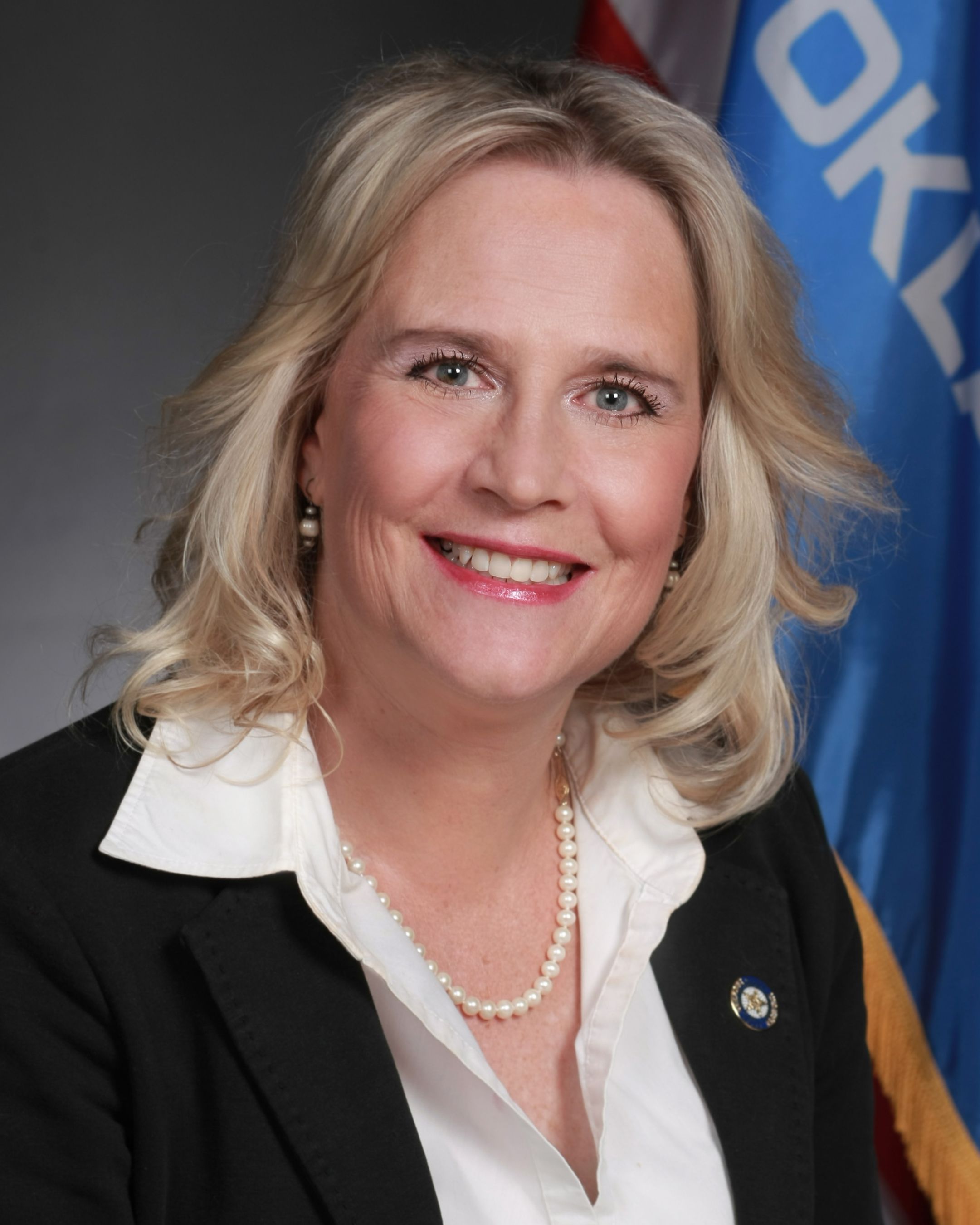
Robert Manger
96% support rate
Top opponent
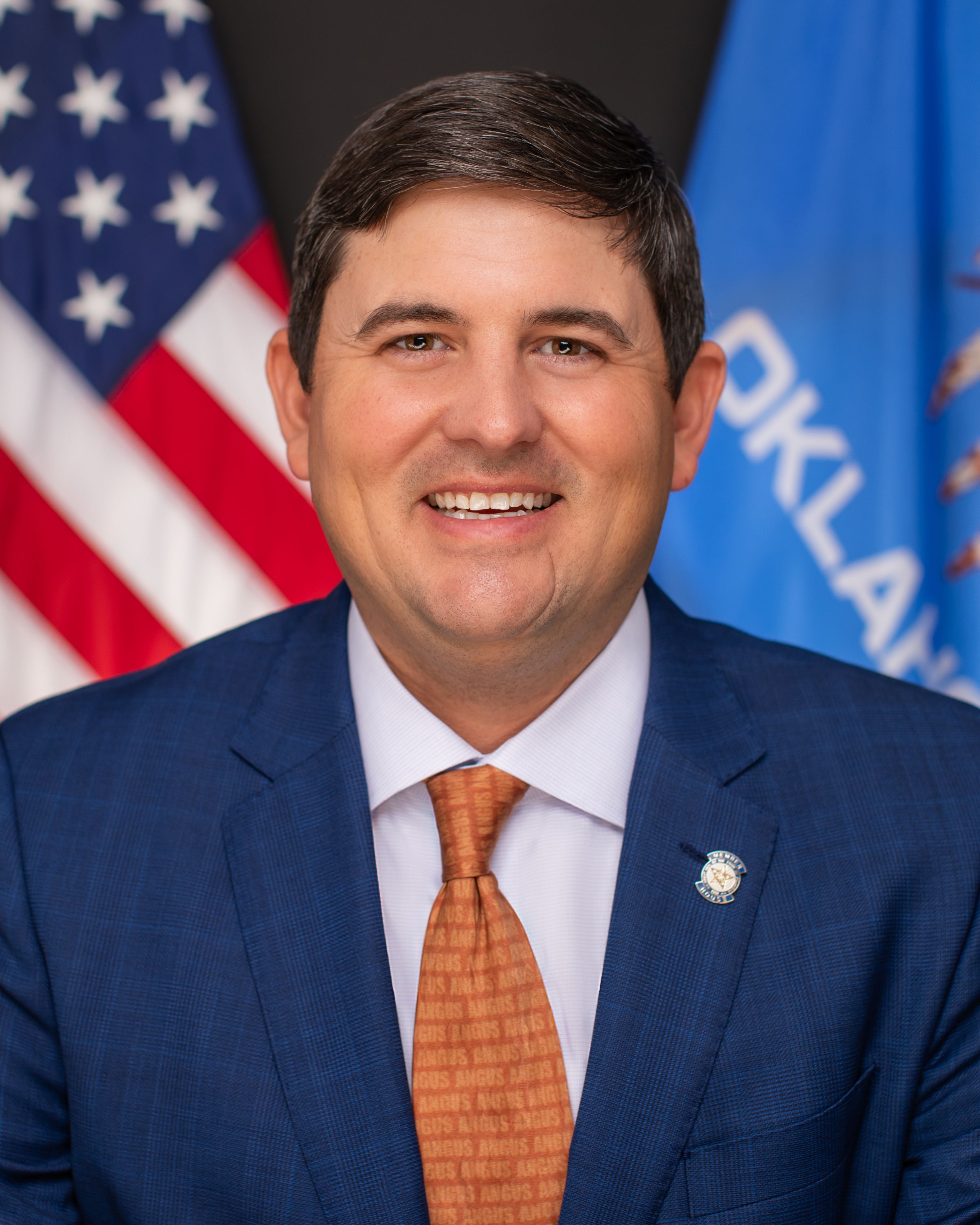
Tom Gann
26% support rate
Ranked legislators
10
5 support · 5 oppose
Key legislators

Who's moving housing in Oklahoma

Legislators moving housing in Oklahoma
Legislator Party Stance Support rate Votes
Robert Manger
Robert Manger House · District 101
R
Strong +
96% 155
Clay Staires
Clay Staires House · District 66
R
Strong +
93% 112
Brian Hill
Brian Hill House · District 47
R
Strong +
86% 129
Nicole Miller
Nicole Miller House · District 82
R
Strong +
86% 137
John Pfeiffer
John Pfeiffer House · District 38
R
Strong +
84% 143
Tom Gann
Tom Gann House · District 8
R
Oppose
26% 136
Aletia Timmons
Aletia Timmons House · District 97
D
Oppose
27% 67
Molly Jenkins
Molly Jenkins House · District 33
R
Oppose
30% 134
Roland Pederson
Roland Pederson Senate · District 19
R
Oppose
31% 121
Gabe Woolley
Gabe Woolley House · District 98
R
Oppose
33% 148
Showing 21–30 of 121 bills

All housing bills

in committee · Oklahoma · Senate Feb 3, 2026

SB 1517: Eminent domain; prohibiting taking of private property unless for certain uses. Effective date.

SB 1517 restricts Oklahoma's use of eminent domain by defining "public use" narrowly to include only traditional government purposes like roads, parks, and public utilities - explicitly excluding economic development, tax revenue increases, or job growth as justifications for taking private property. The bill requires governments to resell unused condemned property to the original owner (or heirs) at appraised value before selling it to others, and prohibits local governments from expanding eminent domain powers without new state legislation. It amends existing law to clarify that property taken for a public purpose must be used for that purpose or returned to the original owner, with strict resale procedures. The law takes effect November 1, 2026, and applies to all state and local entities exercising eminent domain authority.
in committee · Oklahoma · House Mar 5, 2026

HB 3968: Eminent domain; defining term; limiting the use of eminent domain; statutory references; effective date.

HB 3968 restricts Oklahoma's use of eminent domain by defining "public use" narrowly to exclude economic development (such as increased tax revenue, jobs, or general economic growth). It prohibits local governments from expanding eminent domain powers without specific state law and bans using economic benefits as justification for taking private property. The bill also requires that if condemned land isn't used for its intended public purpose, it must be offered back to the original owner at fair market value before resale. This applies to all government entities, including cities and counties, and takes effect November 1, 2026.
died · Oklahoma · House Feb 16, 2026

HB 3758: Eminent domain; just compensation; definition; enhanced compensation; comparable-replacement standard; partial taking compensation; prohibitions; non-waiver protection; effective date.

HB 3758 increases compensation for Oklahoma property owners facing government eminent domain takings. It requires either 150% of the property's fair market value or the cost to purchase a comparable replacement property in the same community (defined by size, location, use, and other factors). The bill prohibits reducing compensation due to "project influence" or pre-taking activity, and bans agencies from requiring owners to waive these protections. These changes apply to all public use takings and become effective November 1, 2026.
passed · Oklahoma · House Apr 1, 2026

HJR 1081: Oklahoma Constitution; ad valorem; senior fair cash value limit; ballot title; filing.

This bill proposes a constitutional amendment (HJR 1081) that would eliminate the income requirement for Oklahoma seniors to qualify for a property tax limit on their homesteads. Currently, seniors aged 65+ must meet an income threshold based on HUD median income for their area; this amendment removes that requirement while keeping the age, 7-year occupancy, and $700,000 property value cap. It would apply only to homesteads valued at $700,000 or less, with the tax limit frozen at the value when the owner turned 65 (or January 1, 1997, for those already eligible before 1997). The change requires voter approval via a ballot measure.
signed · Oklahoma · Senate May 13, 2026

SB 2139: Cities and towns; requiring county clerks to remove discriminatory language from existing plats. Effective date.

SB 2139 requires Oklahoma municipalities to amend property plats to remove discriminatory language (such as racial or religious restrictions) that violate the Fair Housing Act. It directs county clerks to erase such language from existing property records after a municipality passes an ordinance, without needing property owner approval. The bill affects neighborhoods with outdated discriminatory covenants in their recorded plats. It becomes effective November 1, 2026.
Sub-Topics Landlords
in committee · Oklahoma · Senate Feb 3, 2026

SB 2113: Eminent domain; requiring condemning authority to provide a written finding of necessity. Effective date.

SB 2113 requires government entities (condemning authorities) to provide a detailed, written justification proving a public need before seizing private property through eminent domain. Property owners can request a court hearing within 30 days to challenge the necessity, and authorities must submit evidence supporting their claim within 20 days. Courts must independently review whether the taking is truly necessary, narrowly tailored, and considers reasonable alternatives, with the government bearing the burden of proof. If the requirements aren’t met, the case is dismissed with prejudice, and property owners may recover attorney fees. This bill directly affects property owners facing condemnation and government agencies seeking to acquire land.
died · Oklahoma · Senate Mar 11, 2026

SB 1647: Mental health and substance abuse services; broadening purpose of County Community Safety Investment Fund; authorizing certain awards for specified programs. Effective date. Emergency.

SB 1647 creates a revolving fund called the County Community Safety Investment Fund within Oklahoma's Department of Mental Health and Substance Abuse Services. The bill broadens the fund's purpose to support evidence-based county programs including mental health/substance abuse treatment, pretrial diversion, jail intake screenings, employment, education, and housing services. Counties and multi-county partnerships can apply for funding, while the Oklahoma Indigent Defense System Board may receive up to $1 million annually for similar programs. The bill requires annual reporting to state legislators on fund allocations and program outcomes. It becomes effective July 1, 2026, with an emergency declaration.
in committee · Oklahoma · House Feb 3, 2026

HB 3565: Revenue and taxation; ad valorem; homestead exemption; increase in homestead exemption; effective date.

This bill increases Oklahoma's homestead tax exemption for eligible homeowners by the annual change in their property's fair market value, but only if their household income is at or below three times the state median. The county assessor must adjust the exemption each year based on the previous year's property value change. Homeowners exceeding the income threshold will retain their current exemption amount until income drops below the limit, and exemptions stay frozen if property values decrease. The change takes effect January 1, 2027.
in committee · Oklahoma · House Feb 3, 2026

HB 3839: Homestead; findings; unconditional ownership; property rights; severability.

HB 3839 establishes unconditional ownership for owner-occupied residential property in Oklahoma after residential property taxes are eliminated (via State Question 842). It prohibits governments from imposing substitute fees, liens, or assessments that function like tax forfeiture, and bans forced sales for nonpayment of non-tax charges. Homeowners can seek legal remedies, including injunctions or attorney fees, if these protections are violated. The law applies only to residential properties where the owner resides, not commercial or rental properties.
in committee · Oklahoma · House Feb 3, 2026

HB 3913: Cities and towns; buildings; single-stairway apartment; effective date.

HB 3913 allows Oklahoma municipalities to permit apartment buildings with a single stairway, provided they meet strict fire safety requirements. It directly affects apartment developers and city building departments by setting conditions like maximum height (six stories), unit limits (four per floor), fire-resistant stair enclosures (two-hour rating), automatic sprinklers, and specific exit pathways. Key provisions require sprinklers in all stairways, doors that swing correctly for exits, corridors with one-hour fire protection, and smoke detection systems in common areas. The bill takes effect November 1, 2026, and does not override existing building codes but gives cities authority to adopt this exception.
Sub-Topics Building Codes
Showing 21 to 30 of 121 bills
Previous 1 2 3 4 13 Next