Issue · Healthcare

Healthcare (Insurance)

Every healthcare bill, vote, and legislator stance in Oklahoma, automatically classified by Maddy, our AI policy reader.

Total bills
60
2026 Regular Session
Top supporter
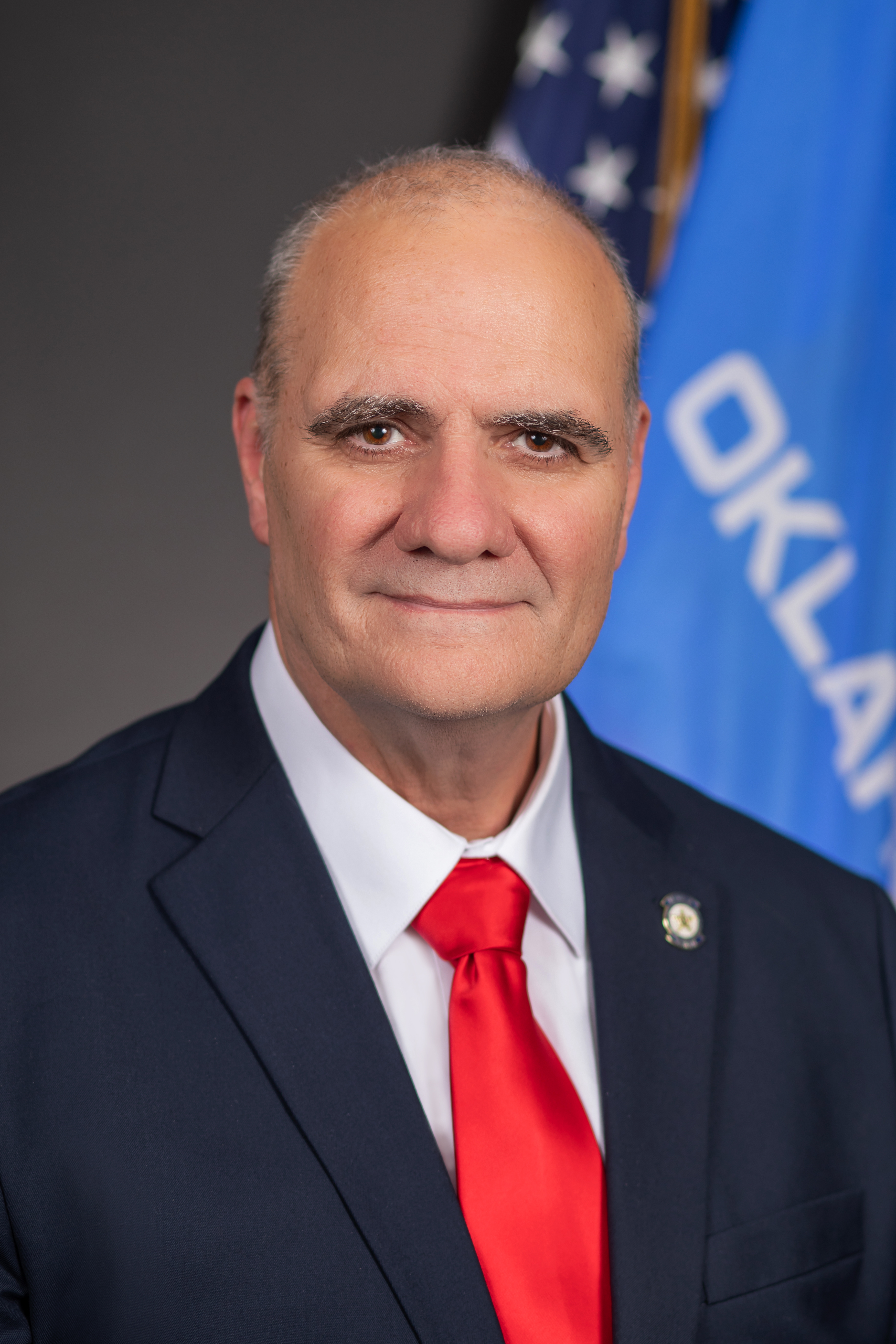
Bill Coleman
100% support rate
Top opponent
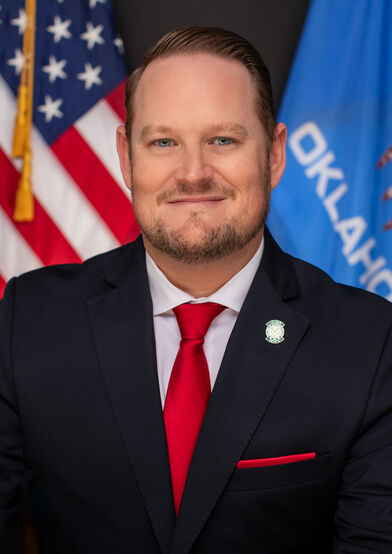
Shane Jett
8% support rate
Ranked legislators
10
5 support · 5 oppose
Key legislators

Who's moving insurance in Oklahoma

Legislators moving insurance in Oklahoma
Legislator Party Stance Support rate Votes
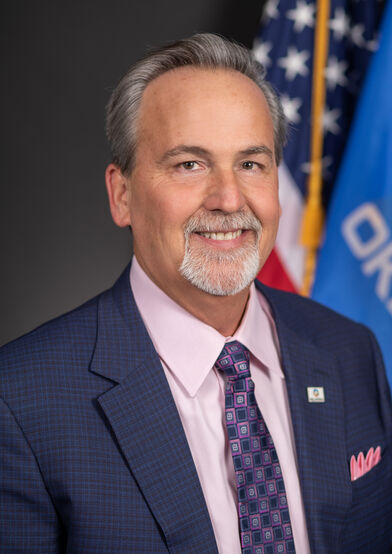
Bill Coleman
Bill Coleman Senate · District 10
R
Strong +
100% 20
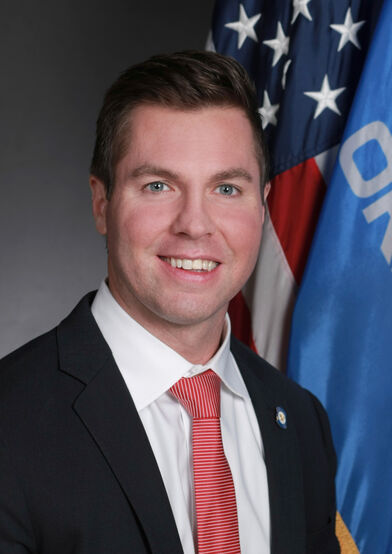
Aaron Reinhardt
Aaron Reinhardt Senate · District 37
R
Strong +
100% 18
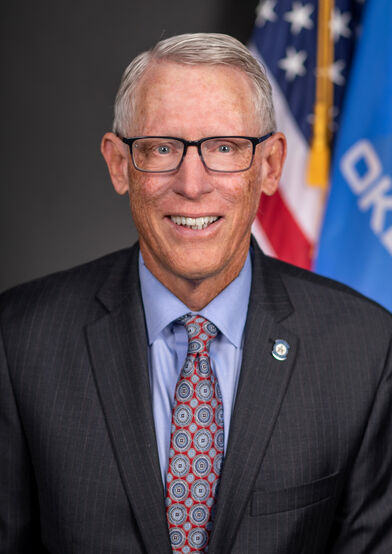
Adam Pugh
Adam Pugh Senate · District 41
R
Strong +
100% 17
Darrell Weaver
Darrell Weaver Senate · District 24
R
Strong +
100% 17
Dave Rader
Dave Rader Senate · District 39
R
Strong +
100% 17
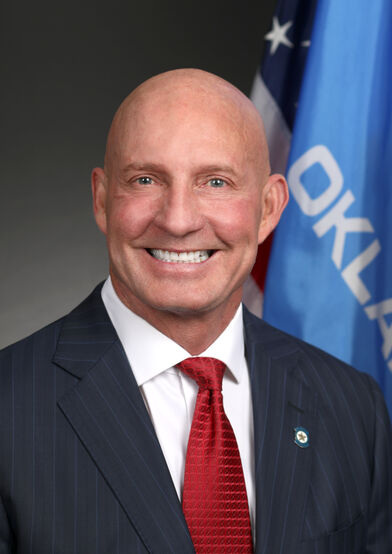
Shane Jett
Shane Jett Senate · District 17
R
Strong −
8% 13
Dana Prieto
Dana Prieto Senate · District 34
R
Strong −
9% 11
Brian Guthrie
Brian Guthrie Senate · District 25
R
Strong −
14% 14
Tom Gann
Tom Gann House · District 8
R
Strong −
14% 14
Dusty Deevers
Dusty Deevers Senate · District 32
R
Strong −
15% 13
Showing 1–10 of 60 bills

All healthcare bills

in committee · Oklahoma · House Apr 28, 2026

HJR 1098: Joint Resolution; Oklahoma Health Care Authority; approving certain proposed permanent major rules; directing distribution.

This bill approves specific permanent rules proposed by the Oklahoma Health Care Authority, which manage state health insurance programs. The resolution formally adopts these regulations, including those related to enrollment and benefit changes, making them official state policy. Additionally, the bill instructs the Secretary of State to send copies of the resolution to the Governor and the editor of The Oklahoma Register for official record-keeping.
Sub-Topics Insurance
in committee · Oklahoma · House Feb 4, 2025

HB 2632: Insurance; offer of settlement; rejection of claim; exemption; effective date.

HB 2632 requires insurers in Oklahoma to provide a written settlement offer or claim rejection within 60 days of receiving a claimant's proof of loss. This directly affects insured individuals filing claims, as it sets a clear timeline for insurers' responses and establishes that the prevailing party in disputes (insurer if judgment doesn't exceed the offer, insured otherwise) is entitled to attorney fees. If the insured prevails, courts must add 15% annual interest on the award from when the loss became payable under the policy. The law excludes uninsured motorist and property insurance claims and takes effect November 1, 2025.
Sub-Topics Insurance
passed · Oklahoma · Senate Apr 14, 2026

SB 1101: Dental insurance; mandating reports by carrier; requiring certain data to be included in initial report. Effective date.

SB 1101 requires dental insurance companies in Oklahoma to annually report their "dental loss ratio" - the percentage of premium dollars spent directly on dental care services (not administrative costs) - to the Insurance Commissioner. Carriers must submit detailed data by July 31 each year, including the loss ratio calculation, enrollee numbers, plan costs, and coverage limits. The public will be able to access this information online to compare insurers, and the state will investigate carriers with significantly low ratios. This bill directly affects all dental insurers operating in Oklahoma, mandating transparency about how premiums are used for dental care versus other expenses.
Sub-Topics Insurance
passed · Oklahoma · House Apr 7, 2026

HB 2144: Insurance; Insurance Consumers Protection Act; cause of action; bad faith; damages; jury; effective date.

HB 2144 creates a new legal cause of action for Oklahoma insurance policyholders and third parties who suffer unreasonable delays or denials of benefits by insurers, defining "bad faith" as violating an insurer’s duty of good faith and fair dealing. It prohibits insurers from including clauses reserving discretion to interpret policies or deny claims, eliminates the need to exhaust administrative remedies before suing, and guarantees jury trials for bad faith claims. The bill applies to all insurance policies issued in Oklahoma (including health, disability, and employee benefits), directly affecting insured individuals, businesses, and third parties who rely on insurance contracts. Key provisions clarify that insurers must pay valid claims promptly, and claimants can seek damages for unreasonable refusals or delays without first appealing to the Oklahoma Insurance Department.
Sub-Topics Insurance
in committee · Oklahoma · House Feb 3, 2026

HB 3485: School employees; Larry Dickerson Education Flexible Benefits Allowance Act; expanding coverage to dependents; linking flexible benefit allowance amounts to state employee amounts; effective date; emergency.

HB 3485 expands health benefit coverage under Oklahoma's Larry Dickerson Education Flexible Benefits Allowance Act to include more dependents of school district employees, such as unmarried children under 25 (regardless of residence) or dependents with pre-25 disabilities. It links the flexible benefit allowance amounts to the state employee benefit rates and updates funding mechanisms to ensure school districts receive state funds based on employee and dependent counts. The bill requires school districts to offer cafeteria plans covering health insurance options, with allowances credited directly to employees for purchasing coverage or received as taxable pay. This affects certified and support personnel (e.g., teachers, bus drivers, janitors) and their eligible dependents across Oklahoma public and technology school districts.
in committee · Oklahoma · Senate Feb 5, 2026

SB 1663: Health benefit plan; requiring certain health benefit plan to provide coverage for certain cooling system; exempting coverage from certain limits. Emergency.

SB 1663 requires all health insurance plans in Oklahoma to cover specific cooling systems (like scalp or hand cooling devices) used during chemotherapy to prevent side effects such as hair loss or nerve issues. This directly affects chemotherapy patients who use these devices and insurers who must provide coverage without applying annual deductibles, co-pays, or coinsurance. The bill also ensures this coverage isn’t subject to standard plan limits and includes limited exceptions for health savings accounts related to preventive care. It aims to reduce out-of-pocket costs for a specific, medically necessary treatment. The bill is designated as an emergency, meaning it takes effect immediately upon approval.
Sub-Topics Insurance Primary Care
vetoed · Oklahoma · House May 12, 2026

HB 4294: Health insurance; fair coverage; epilepsy; termination of coverage; devices; surgeries; effective date.

HB 4294 requires health insurers in Oklahoma to provide equal coverage for epilepsy as for other conditions, prohibiting termination or non-renewal of policies solely due to an epilepsy diagnosis. It mandates coverage for seizure prevention devices, surgeries, or medical procedures prescribed by an epilepsy specialist when medically necessary to reduce SUDEP (sudden unexpected death in epilepsy) risk. The law applies to all individual and group health insurance plans covering medical/surgical benefits and takes effect November 1, 2026. This directly affects epilepsy patients and insurers offering such coverage in Oklahoma.
Sub-Topics Insurance
in committee · Oklahoma · House Feb 3, 2026

HB 3368: Compound prescription drug coverage; health insurance plan providing prescription drug coverage; effective date.

HB 3368 requires health insurance plans covering prescription drugs to allow pharmacies (including those providing compound drugs) to bid for pharmacy service contracts at least every three years. It applies specifically to plans not already using an open pharmacy network, meaning insurers must periodically seek bids from pharmacies rather than maintaining fixed contracts. The bill does not affect plans that already operate open networks, and it takes effect on November 1, 2026. This changes how insurers select pharmacy partners for covered drug services.
failed · Oklahoma · House May 5, 2026

HJR 1067: Joint resolution; terminating effect of Medicaid expansion coverage mandate under specified condition; providing certain construction.

This bill proposes a constitutional amendment to expand Oklahoma's Medicaid program to cover low-income adults. It would require the state to maintain eligibility without additional restrictions and allow Oklahoma to halt Medicaid expansion funding if federal matching falls below 90%. The amendment must be approved by voters via ballot measure. If passed, it would change Medicaid eligibility rules and create a specific funding threshold for state coverage. The resolution directs the Secretary of State to place this proposal on the ballot for voter approval.
Sub-Topics Insurance Medicaid
in committee · Oklahoma · Senate Feb 3, 2026

SB 1967: Hospital and Medical Services Utilization Review Act; requiring utilization review organization that uses AI to adhere to requirements; prohibiting AI from making certain determinations. Effective date.

Oklahoma's SB 1967 regulates how health insurance companies use artificial intelligence (AI) in reviewing medical care requests. The bill prohibits AI tools from denying, delaying, or modifying care based on medical necessity - requiring licensed physicians or healthcare professionals to make these final decisions instead. It also mandates that AI tools must base reviews on individual patient records (not group data), be transparent to enrollees, and undergo regular accuracy checks. This directly affects health insurers using AI for coverage decisions and ensures patients receive human-reviewed care determinations.
Showing 1 to 10 of 60 bills
1 2 3 6 Next