Issue · Healthcare

Healthcare (Insurance)

Every healthcare bill, vote, and legislator stance in Oklahoma, automatically classified by Maddy, our AI policy reader.

Total bills
68
2026 Regular Session
Top supporter
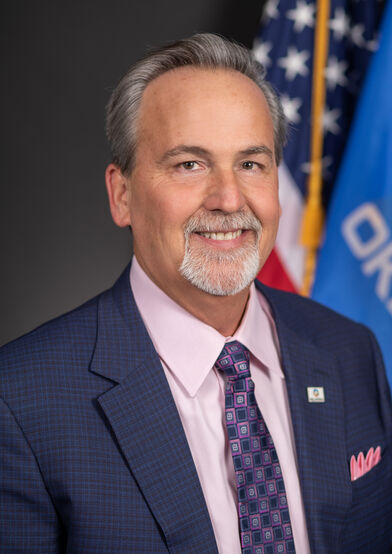
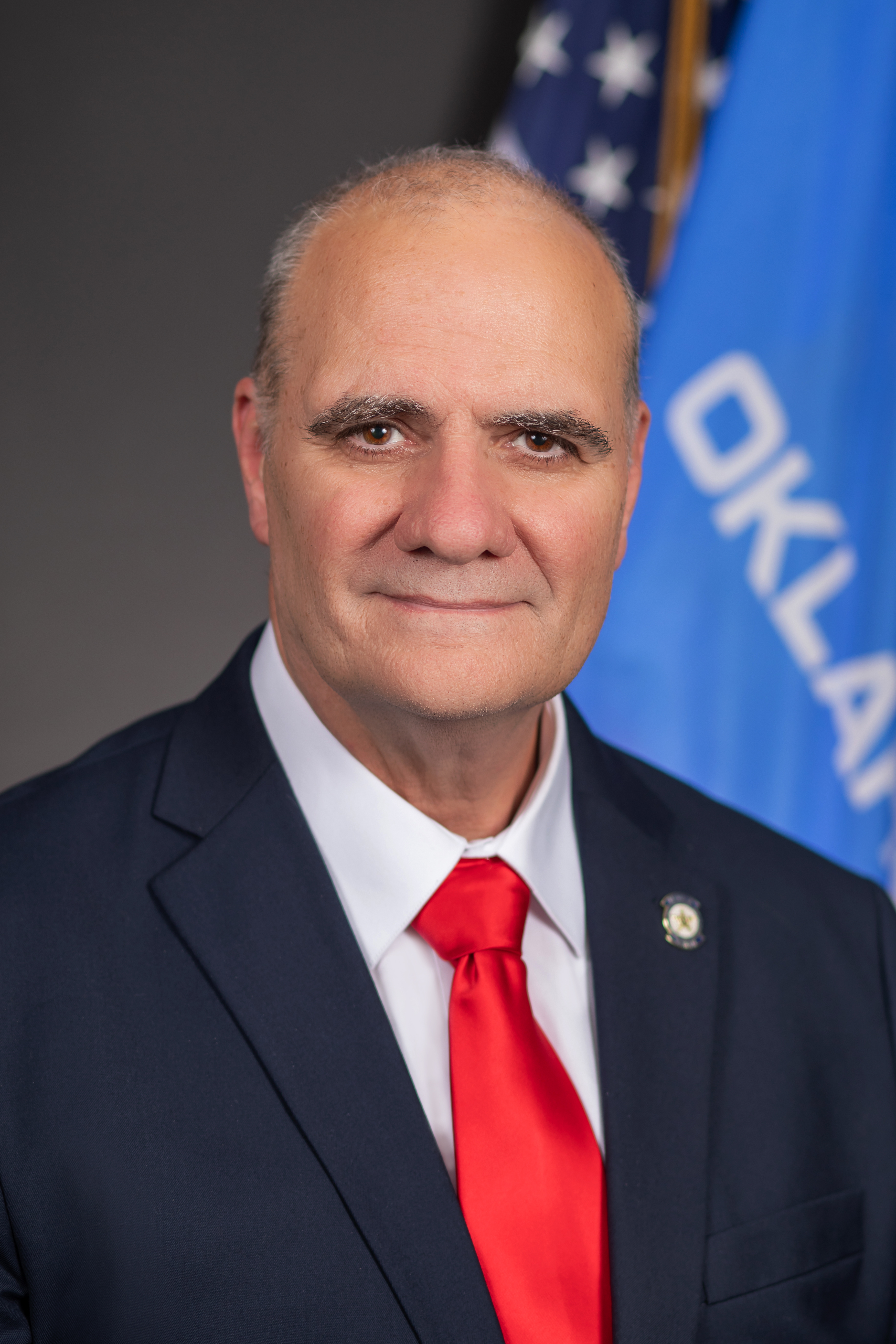
Bill Coleman
100% support rate
Top opponent
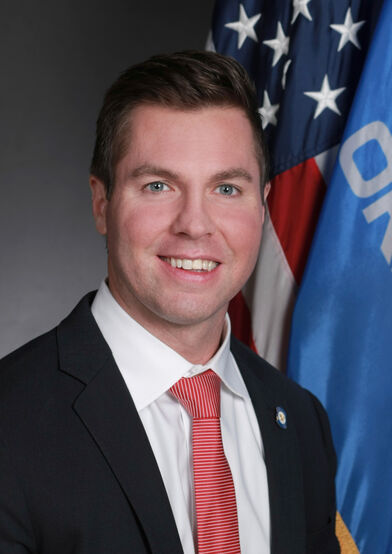
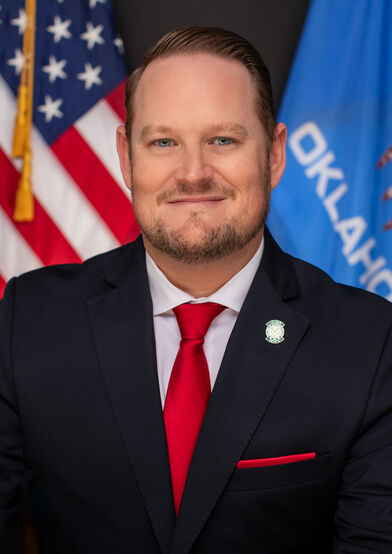
Shane Jett
8% support rate
Ranked legislators
10
5 support · 5 oppose
Key legislators

Who's moving insurance in Oklahoma

Legislators moving insurance in Oklahoma
Legislator Party Stance Support rate Votes
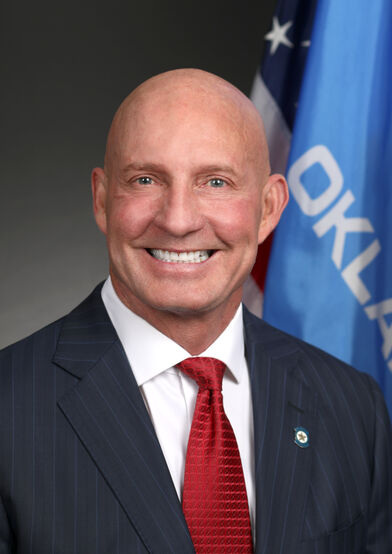
Bill Coleman
Bill Coleman Senate · District 10
R
Strong +
100% 20
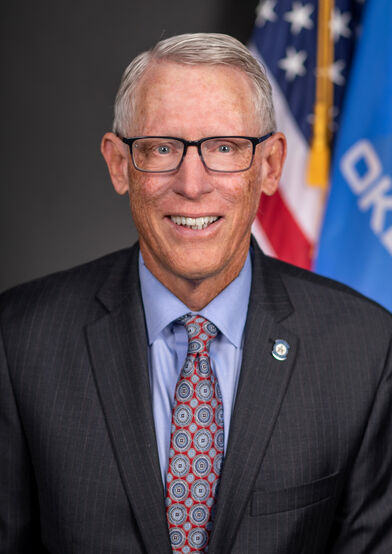
Aaron Reinhardt
Aaron Reinhardt Senate · District 37
R
Strong +
100% 18
Adam Pugh
Adam Pugh Senate · District 41
R
Strong +
100% 17
Darrell Weaver
Darrell Weaver Senate · District 24
R
Strong +
100% 17
Dave Rader
Dave Rader Senate · District 39
R
Strong +
100% 17
Shane Jett
Shane Jett Senate · District 17
R
Strong −
8% 13
Dana Prieto
Dana Prieto Senate · District 34
R
Strong −
9% 11
Brian Guthrie
Brian Guthrie Senate · District 25
R
Strong −
14% 14
Tom Gann
Tom Gann House · District 8
R
Strong −
14% 14
Dusty Deevers
Dusty Deevers Senate · District 32
R
Strong −
15% 13
Showing 61–68 of 68 bills

All healthcare bills

in committee · Oklahoma · House Feb 4, 2025

HB 1479: Health insurance; health insurance plan providing prescription drug coverage; insurance notification; effective date.

HB 1479 requires health insurance plans covering prescription drugs in Oklahoma to allow pharmacies to bid for contracts to provide pharmacy services at least every three years. It also mandates that insurers notify customers in writing at least 30 days before premium renewal if a medication they previously used will no longer be covered. The bill exempts insurers with open pharmacy networks from these requirements. The law takes effect November 1, 2025, affecting insurers, pharmacies, and policyholders.
signed · Oklahoma · Senate May 29, 2025

SB 1135: Health insurance; premium taxes; clarifying applicability of certain exclusion; premium tax credit; creating certain exclusion. Emergency.

SB 1135 allocates $100,000 from Oklahoma's General Revenue Fund to the Oklahoma Health Care Authority for the 2025-2026 fiscal year to support its operations. The bill declares an emergency to allow immediate implementation upon approval. This legislation provides specific funding for the Authority's duties without altering existing health insurance or tax policies.
in committee · Oklahoma · Senate Feb 4, 2025

SB 1060: Dental benefit plans; establishing formula for medical loss ratio; exempting certain dental plans; requiring annual rebate for certain plan years by certain plans. Effective date.

SB 1060 requires Oklahoma dental benefit plans to spend a minimum percentage of premium revenue on actual dental care (80% for large groups, 75% for individuals/small groups) instead of administrative costs. If plans fail to meet these thresholds, they must issue annual rebates to enrollees by August 1st of the following year. The bill mandates annual reporting to the Insurance Department, including detailed MLR calculations, and exempts Medicaid and state-sponsored plans. It establishes specific formulas for calculating "earned premium" and "medical loss ratio" to ensure transparency and accountability in dental plan spending.
Sub-Topics Insurance Medicaid
passed both · Oklahoma · Senate Mar 4, 2026

SB 202: Medicaid; modifying eligibility requirements for self-funded or self-insured health care plan to participate in certain premium assistance program. Emergency.

SB 202 modifies eligibility rules for self-funded health plans to participate in Oklahoma's Medicaid premium assistance program. It allows small businesses and public entities using self-funded health plans to qualify if the plan was already used by an employer in the program as of May 1, 2024, or if it’s owned by a local government public trust. This change specifically affects small employers (under 250 employees) and public-sector health plans seeking to access state premium assistance. The bill aims to expand coverage options for low-income workers by making more health plan types eligible for state-funded premium support.
Sub-Topics Insurance Medicaid
passed · Oklahoma · House Apr 1, 2025

HB 1416: Non-opioid treatment; terms; preferred drug lists; discretion; drug treatment; United States Food and Drug Administration; coverage; non-opioid drugs; reimbursement; effective date.

HB 1416 requires insurers offering group health plans for state employees to ensure non-opioid pain medications (approved by the FDA) are not disadvantaged in coverage compared to opioids on their preferred drug lists. It directly affects state employee health insurance plans by mandating equal treatment for FDA-approved non-opioid pain drugs, such as those that don’t act on opioid receptors. The bill does not ban opioids or require non-opioid use but prohibits insurers from making non-opioid options harder to access through coverage rules. This applies to all drugs covered under state employee plans and takes effect November 1, 2025.
signed · Oklahoma · Senate May 5, 2025

SB 438: Health insurance; methods of payments to providers; requiring notice of certain fee. Effective date.

SB 438 prevents health insurance companies and health plans in Oklahoma from requiring providers (like doctors, hospitals, or clinics) to accept only credit card payments for services. It mandates that insurers must notify providers about any fees tied to payment methods and provide clear instructions for choosing alternatives like electronic transfers. The bill also prohibits charging fees for standard electronic payments (ACH) without provider consent and voids any contract clauses that try to bypass these rules. These changes directly affect health insurers, health plans, and healthcare providers across Oklahoma, taking effect November 1, 2025.
Sub-Topics Insurance
in committee · Oklahoma · Senate Feb 4, 2025

SB 34: Prescription drugs; creating the Access to Lifesaving Medicines Act; prohibiting certain costs and requiring rebates under certain plans. Effective date.

SB 34, the "Access to Lifesaving Medicines Act," prohibits health insurers and pharmacy benefits managers (PBMs) from requiring insured Oklahomans to pay "excess cost burdens" for prescription drugs - defined as costs exceeding the insurer's net price after discounts. It mandates that PBMs must offer rebates directly to health benefit plan enrollees and limits out-of-pocket costs to the lowest of six specified amounts, including the maximum allowable drug cost and the adjusted out-of-pocket amount. The law directly affects patients with prescription drug coverage, insurers, and PBMs by restructuring how drug costs are shared at the point of sale. It requires insurers to follow these cost-sharing rules starting November 1, 2025, and directs the Insurance Commissioner to create implementing regulations.
in committee · Oklahoma · Senate Feb 4, 2025

SB 787: Health care costs; creating the Oklahoma Health Care Cost Containment and Affordability Act; placing limitations on certain payment rates; prohibiting collections from exceeding certain authorized amounts. Effective date.

SB 787 establishes the Oklahoma Health Care Cost Containment and Affordability Act, setting strict limits on how much health insurance plans must pay hospitals and providers for inpatient or outpatient services. It prohibits payments exceeding 200% of Medicare rates (or Medicaid rates if Medicare doesn't cover the service) or the median rate paid by health plans for the same service. This directly affects hospitals, health systems, and providers billing health insurance plans, while exempting critical access hospitals, federally qualified health centers, and rural clinics. The bill also requires providers to report pricing data to the State Department of Health and insurers to monitor compliance, with strict confidentiality rules for shared information.
Showing 61 to 68 of 68 bills
Previous 1 5 6 7