Issue · Healthcare

Healthcare (Medicaid)

Every healthcare bill, vote, and legislator stance in Oklahoma, automatically classified by Maddy, our AI policy reader.

Total bills
93
2026 Regular Session
Top supporter
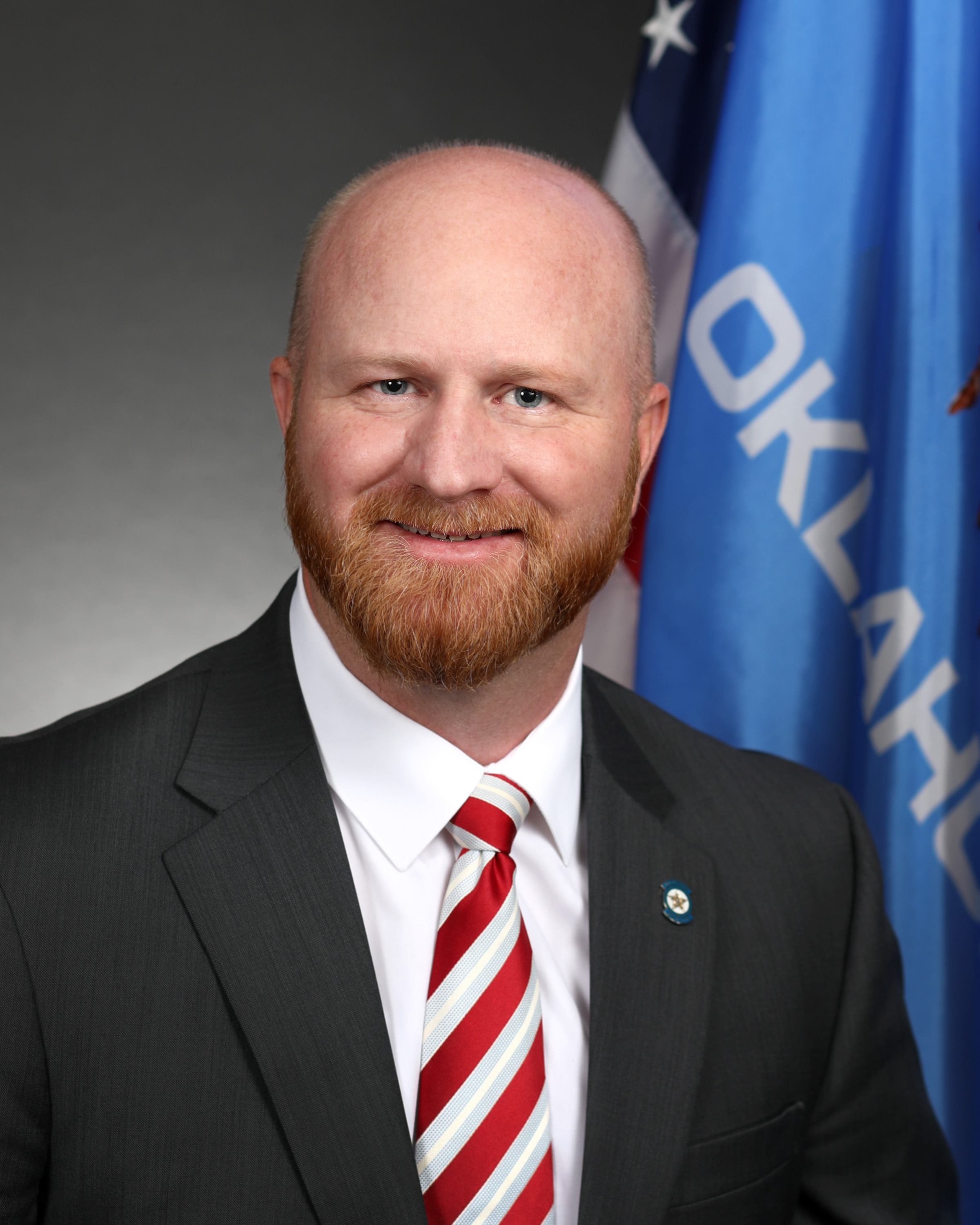
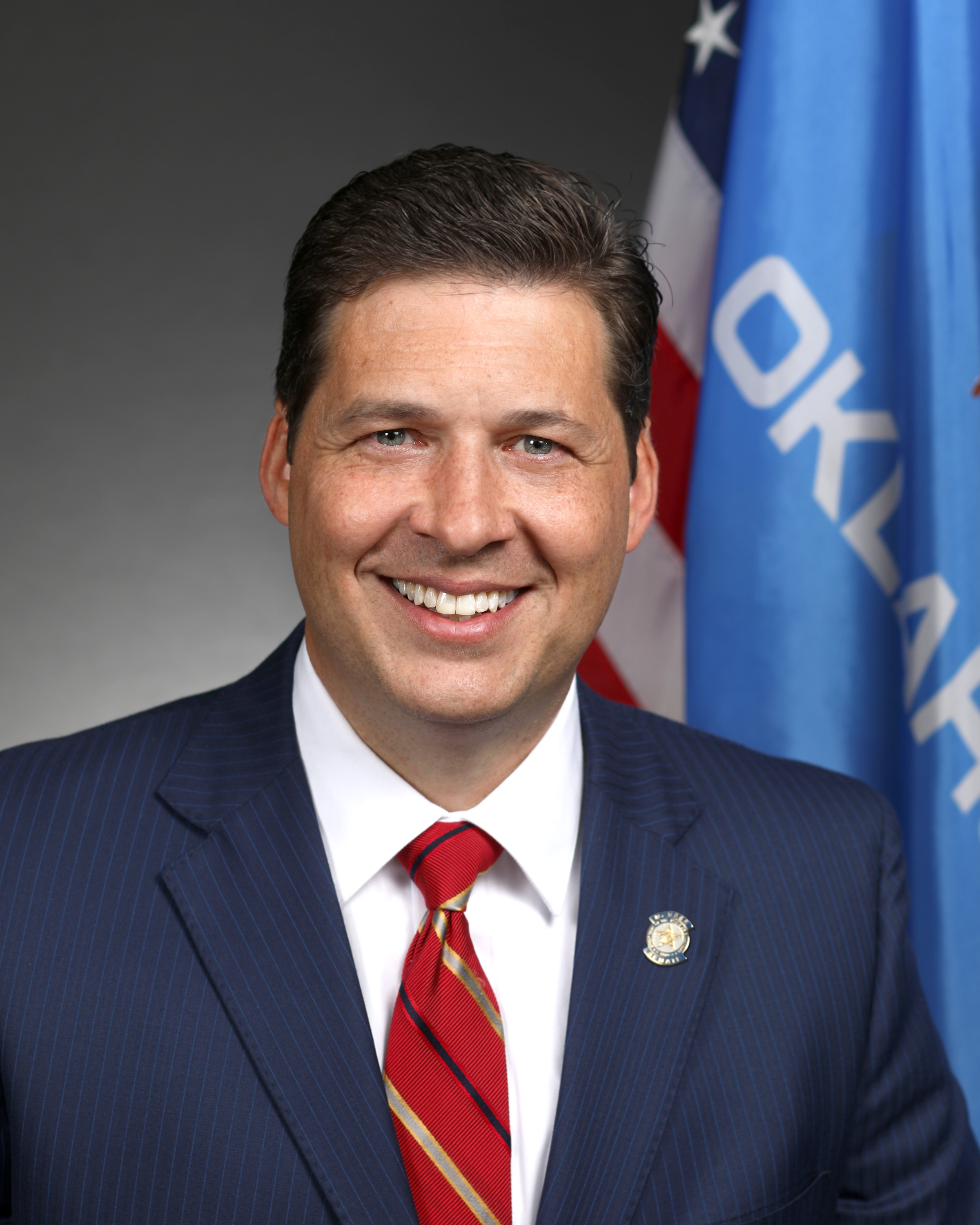
Brent Howard
100% support rate
Top opponent
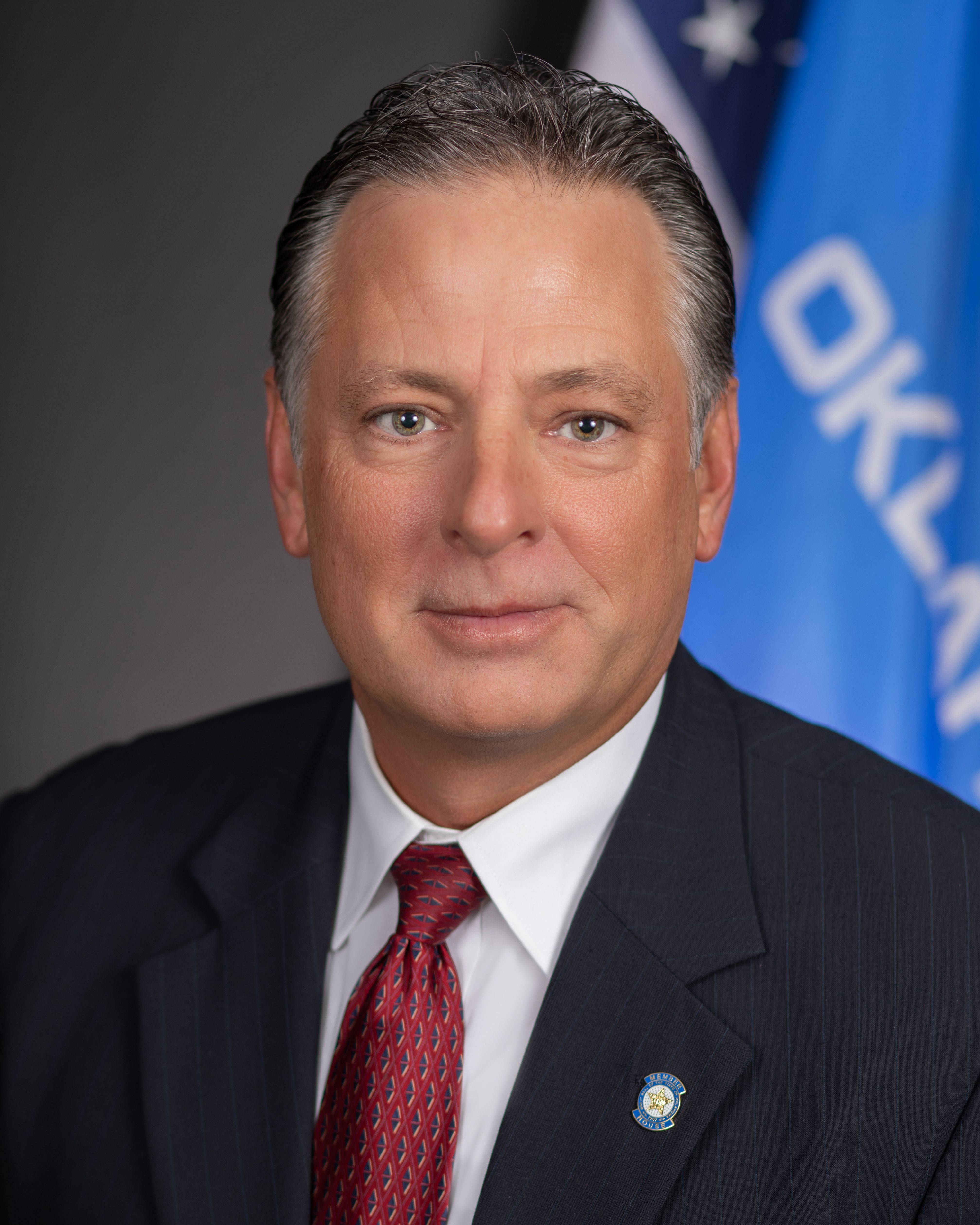
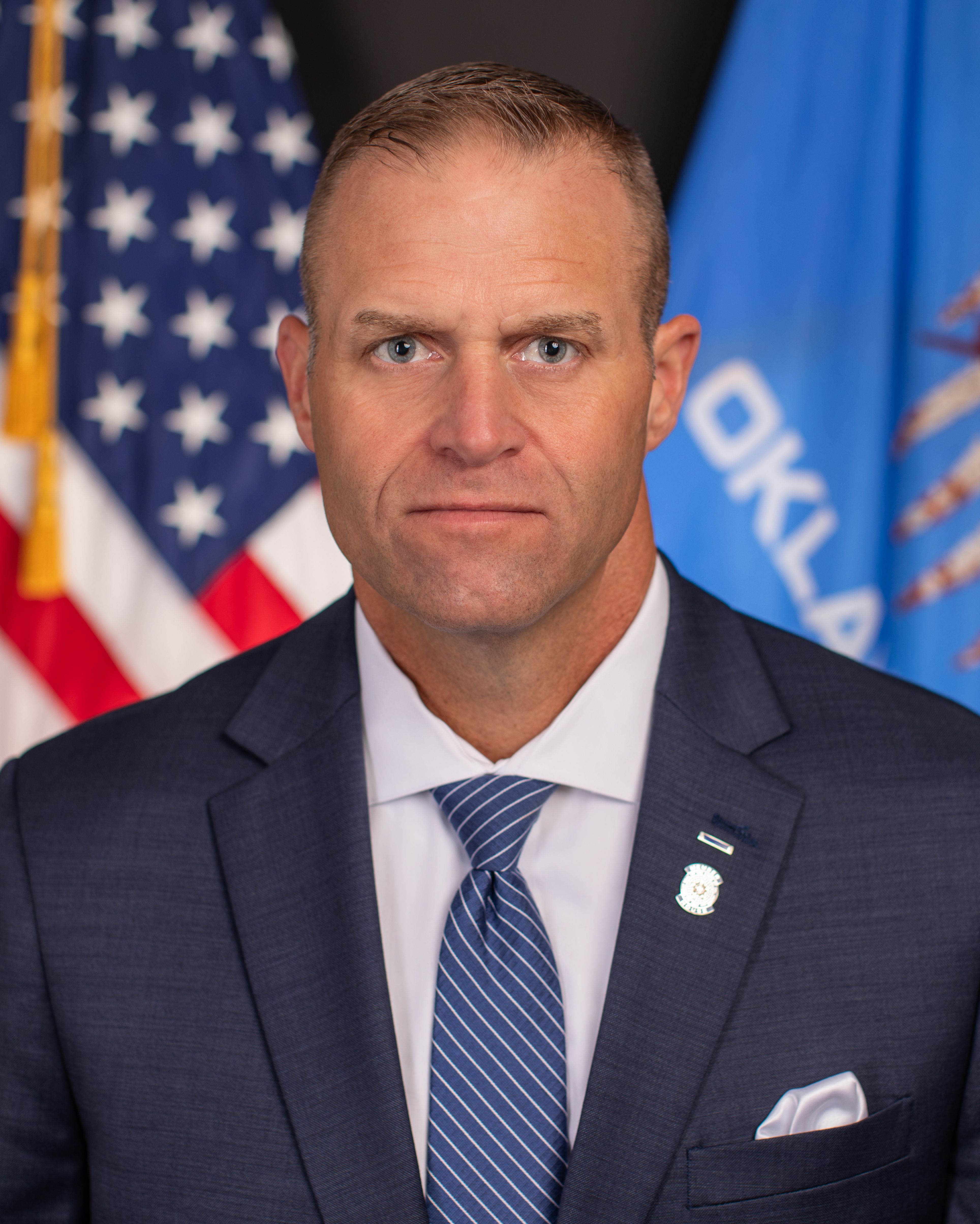
Shane Jett
6% support rate
Ranked legislators
10
5 support · 5 oppose
Key legislators

Who's moving medicaid in Oklahoma

Legislators moving medicaid in Oklahoma
Legislator Party Stance Support rate Votes
Brent Howard
Brent Howard Senate · District 38
R
Strong +
100% 20
John George
John George House · District 36
R
Strong +
97% 29
Steve Bashore
Steve Bashore House · District 7
R
Strong +
97% 29
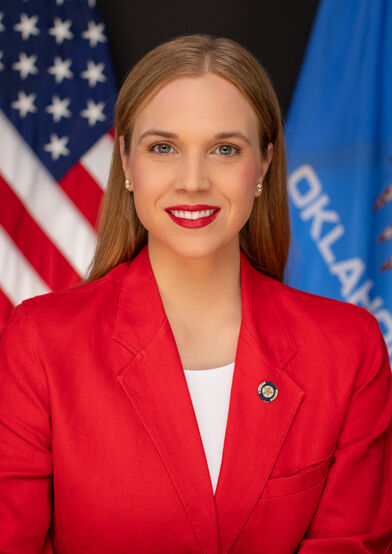
Emily Gise
Emily Gise House · District 90
R
Strong +
96% 28
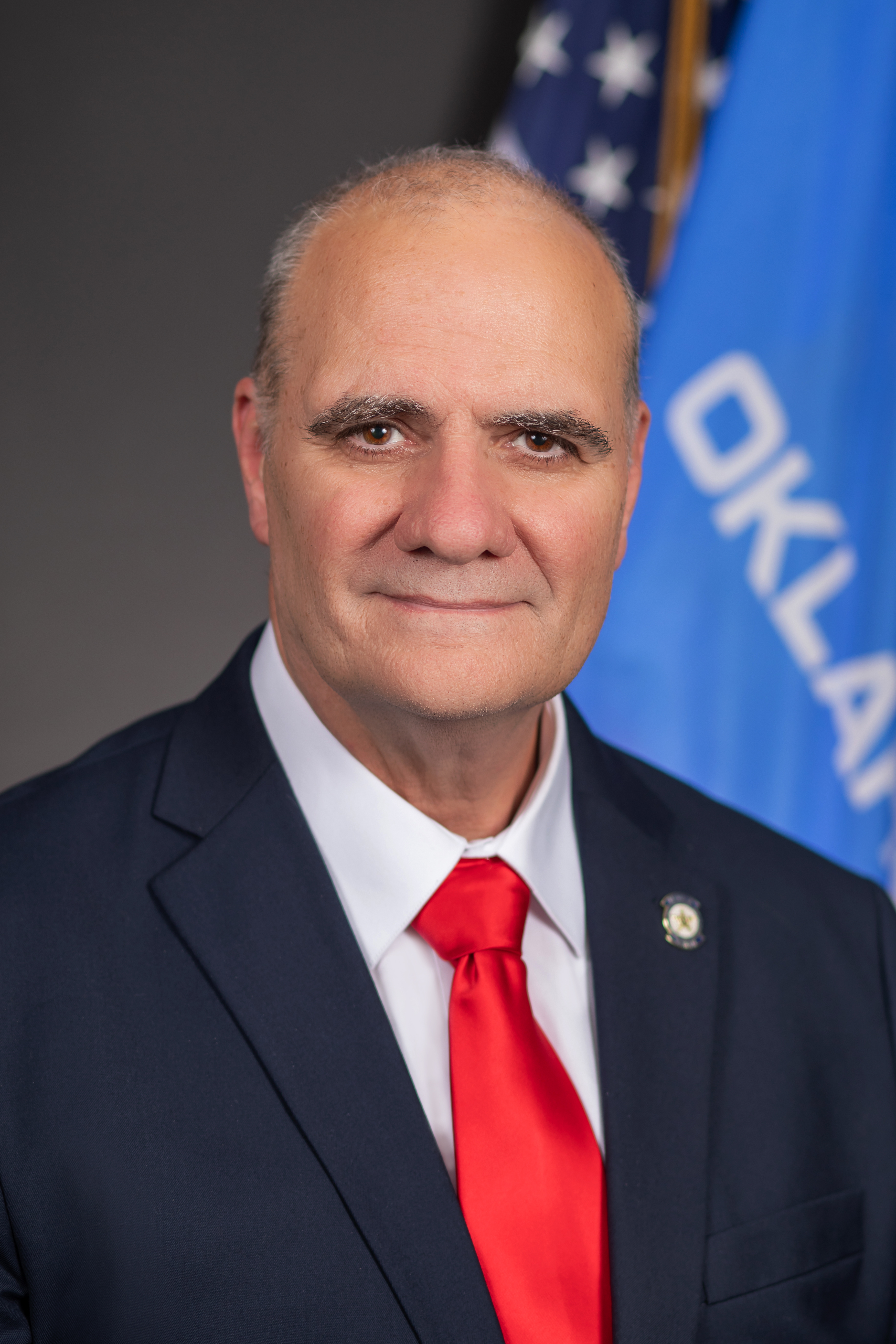
Josh West
Josh West House · District 5
R
Strong +
96% 28
Shane Jett
Shane Jett Senate · District 17
R
Strong −
6% 17
Dusty Deevers
Dusty Deevers Senate · District 32
R
Strong −
11% 18
Kendal Sacchieri
Kendal Sacchieri Senate · District 43
R
Strong −
11% 18
Rick West
Rick West House · District 3
R
Strong −
15% 27
Dana Prieto
Dana Prieto Senate · District 34
R
Strong −
18% 17
Showing 11–20 of 93 bills

All healthcare bills

failed · Oklahoma · House May 5, 2026

HJR 1067: Joint resolution; terminating effect of Medicaid expansion coverage mandate under specified condition; providing certain construction.

This bill proposes a constitutional amendment to expand Oklahoma's Medicaid program to cover low-income adults. It would require the state to maintain eligibility without additional restrictions and allow Oklahoma to halt Medicaid expansion funding if federal matching falls below 90%. The amendment must be approved by voters via ballot measure. If passed, it would change Medicaid eligibility rules and create a specific funding threshold for state coverage. The resolution directs the Secretary of State to place this proposal on the ballot for voter approval.
Sub-Topics Insurance Medicaid
passed · Oklahoma · House Apr 1, 2026

HB 3342: Medicaid audits; Oklahoma Medicaid Audit Bill of Rights Act; terms; protections for health care providers; advance notice; specialty appropriate audit; limiting scope; no allowance of extrapolation; appeals process; effective date.

HB 3342, the "Oklahoma Medicaid Audit Bill of Rights Act," establishes new rules for Medicaid audits of healthcare providers. It requires auditors to provide at least one week's notice before an audit, limits audit scope to 50 claims or 0.25% of a provider's billed claims (whichever is greater), bans the use of extrapolation to calculate overpayments, and mandates that audits involving clinical judgment be conducted by specialists in the same field. The bill also guarantees providers 60 days to respond to audit findings, prohibits recoupment for simple clerical errors, and requires clear appeals processes. These changes directly protect healthcare providers who bill Oklahoma's Medicaid program by making audit procedures more transparent and fair.
Sub-Topics Medicaid
in committee · Oklahoma · House Feb 3, 2026

HB 4362: Medicaid; Oklahoma Health Care Authority; 1115 waiver; expansion in medical respite and supportive housing; effective date.

HB 4362 requires the Oklahoma Health Care Authority to apply for a federal 1115 waiver to expand Medicaid coverage for medical respite care (short-term recovery support after hospital stays) and supportive housing (housing with health services). This bill directly affects Oklahoma Medicaid beneficiaries who need these specific services but currently lack coverage. The key provision mandates the state to seek federal approval for this expansion, which would allow more vulnerable residents to access these critical care options. The change would take effect on November 1, 2026, if the waiver is approved.
died · Oklahoma · House Feb 17, 2026

HB 3699: Medicaid; Oklahoma Health Care Authority; waivers; state plan amendments; services; supplemental reimbursement rate; physician practices; letter; effective date.

HB 3699 requires Oklahoma's Medicaid agency (OHCA) to seek federal approval for a supplemental reimbursement rate for physician practices, community health workers, and nonprofits already enrolled in Oklahoma's patient-centered medical home program. This rate specifically supports pediatric care for children from birth to age four, covering wellness visits and funding interdisciplinary staff needed to implement team-based care aligned with Bright Futures screening guidelines (at 9, 18, and 30 months). Providers must verify ongoing participation in evidence-based pediatric practice models through annual documentation. The bill mandates OHCA to periodically review the rate during future Medicaid physician service rate adjustments and takes effect November 1, 2026.
in committee · Oklahoma · House Feb 3, 2026

HB 3361: Medicaid reimbursements; minimum rates of reimbursements; discretionary; effective date.

HB 3361 sets minimum reimbursement rates for Medicaid providers in Oklahoma through July 2027. It requires contracted entities to pay participating providers 100% of the standard fee schedule rate and non-participating providers 90% of the 2021 rate. The bill mandates value-based payment plans for providers tied to quality metrics, while ensuring specific protections for pharmacies, rural health clinics, behavioral health clinics, and emergency medical services. It also requires contracted entities to spend at least 11% of healthcare expenses on primary care and updates capitation rates annually based on federal standards. The bill takes effect November 1, 2026.
in committee · Oklahoma · Senate Feb 3, 2026

SB 1807: State Medicaid program; eliminating certain reduced assessment rate. Effective date.

SB 1807 eliminates a reduced assessment rate for nursing facilities under Oklahoma's Medicaid program, replacing it with a uniform per-patient day fee calculation. This fee, based on total annual patient gross receipts divided by patient days, directly affects licensed nursing facilities (excluding those operated by the Oklahoma Department of Veterans Affairs). The bill updates funding mechanisms, requiring the fee to fund specific Medicaid services including increasing personal needs allowances for nursing home residents from $30 to $50 monthly. It also clarifies that the fee must align with federal Medicaid reimbursement rules and ensures funds are exempt from budget cuts.
in committee · Oklahoma · Senate Feb 3, 2026

SB 1559: Medicaid; requiring establishment of direct primary care pilot program. Effective date.

SB 1559 requires Oklahoma's Medicaid program to test a direct primary care model through a 36-month pilot program serving up to 1,000 Medicaid beneficiaries. It mandates the Oklahoma Health Care Authority to contract directly with qualified providers using monthly payments per patient (not traditional capitated contracts) and establish quality benchmarks aligned with federal rules. The program requires annual reports tracking access, patient satisfaction, clinical outcomes, and costs, with recommendations for future Medicaid policy. This pilot aims to evaluate how direct primary care - where patients pay a flat fee for services - could improve care within Medicaid, without changing existing Medicaid coverage.
Sub-Topics Medicaid Primary Care
in committee · Oklahoma · Senate Feb 10, 2026

SB 1560: Medical interventions; creating the Oklahoma Medical Freedom Act; prohibiting certain acts by businesses, ticket issuers, and schools. Emergency.

SB 1560, the Oklahoma Medical Freedom Act, prohibits businesses, schools, and ticket issuers from denying service, admission, or employment based on whether a person has received medical interventions like vaccines. It bans schools from requiring medical interventions for attendance, businesses from mandating them for services (except for specific foreign travel needs with written notice), and governments from requiring them for benefits, licenses, or public access. The law exempts Medicare/Medicaid providers and existing safety standards (like masks during the pandemic), but explicitly excludes vaccines and pandemic-related requirements from this exemption. It applies directly to all Oklahoma businesses, schools, and government entities, with enforcement through the Attorney General or local prosecutors.
Sub-Topics Medicaid Medicare
signed · Oklahoma · House May 12, 2026

HB 3650: Medicaid; extending certain termination dates; establishing certain reimbursement rates for multistate contracts; effective date.

HB 3650 sets minimum reimbursement rates for healthcare providers treating Oklahoma Medicaid enrollees, requiring contracted entities to pay in-network providers 100% and out-of-network providers 90% of the 2021 fee schedule rates until 2035. It mandates value-based payment arrangements for providers (with quality-based incentives), requires 11% of contracted entities' healthcare spending to go toward primary care, and includes specific payment rules for rural health clinics, behavioral health centers, pharmacies, and ambulance services. The bill also establishes annual capitation rate updates and medical loss ratio penalties for non-compliant entities. It becomes effective November 1, 2026.
passed · Oklahoma · House Apr 1, 2026

HB 3975: Department of Health; Oklahoma Rural Health Transformation Program; partner agencies; reporting requirements; Oklahoma Rural Health Transformation Revolving Fund; memoranda of understanding; codification; emergency.

HB 3975 establishes the Oklahoma Rural Health Transformation Program (ORHT) to manage federal funds for rural health initiatives, designating the Oklahoma State Department of Health (ODH) as the lead agency responsible for overseeing these funds and reporting to state officials. The bill creates an Oklahoma Rural Health Transformation Revolving Fund to hold federal funds, requiring ODH to submit annual reports to state leaders and quarterly public updates on fund expenditures and project progress. It mandates ODH to align program outcomes with federal reporting requirements to ensure proper oversight of funds received through the Centers for Medicare and Medicaid Services (CMS).
Sub-Topics Medicaid Medicare
Showing 11 to 20 of 93 bills