Issue · Education

Education (School Choice)

Every education bill, vote, and legislator stance in Oklahoma, automatically classified by Maddy, our AI policy reader.

Total bills
57
2026 Regular Session
Top supporter
Dave Rader
100% support rate
Top opponent
Nikki Nice
0% support rate
Ranked legislators
10
5 support · 5 oppose
Key legislators

Who's moving school choice in Oklahoma

Legislators moving school choice in Oklahoma
Legislator Party Stance Support rate Votes
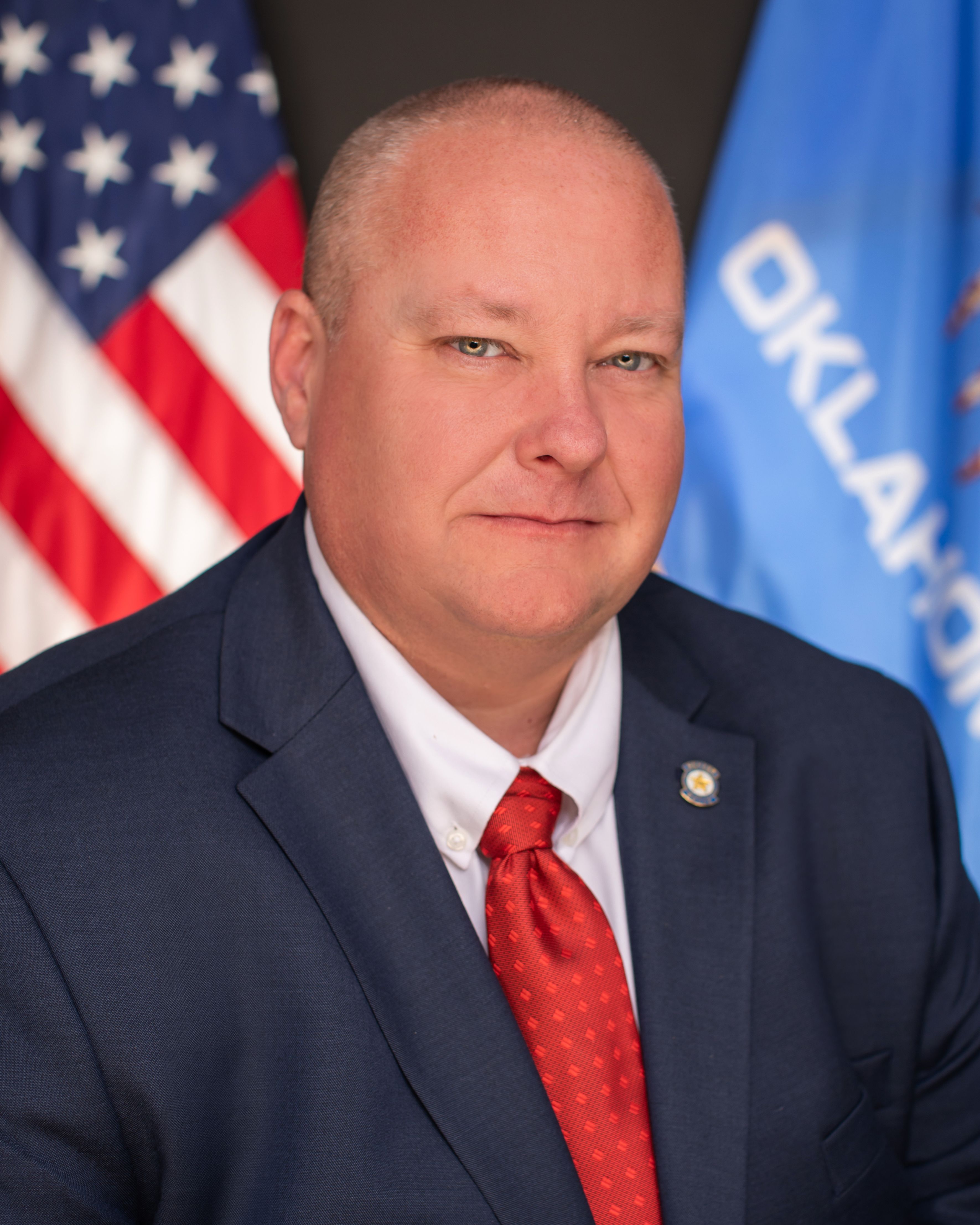
Dave Rader
Dave Rader Senate · District 39
R
Strong +
100% 31
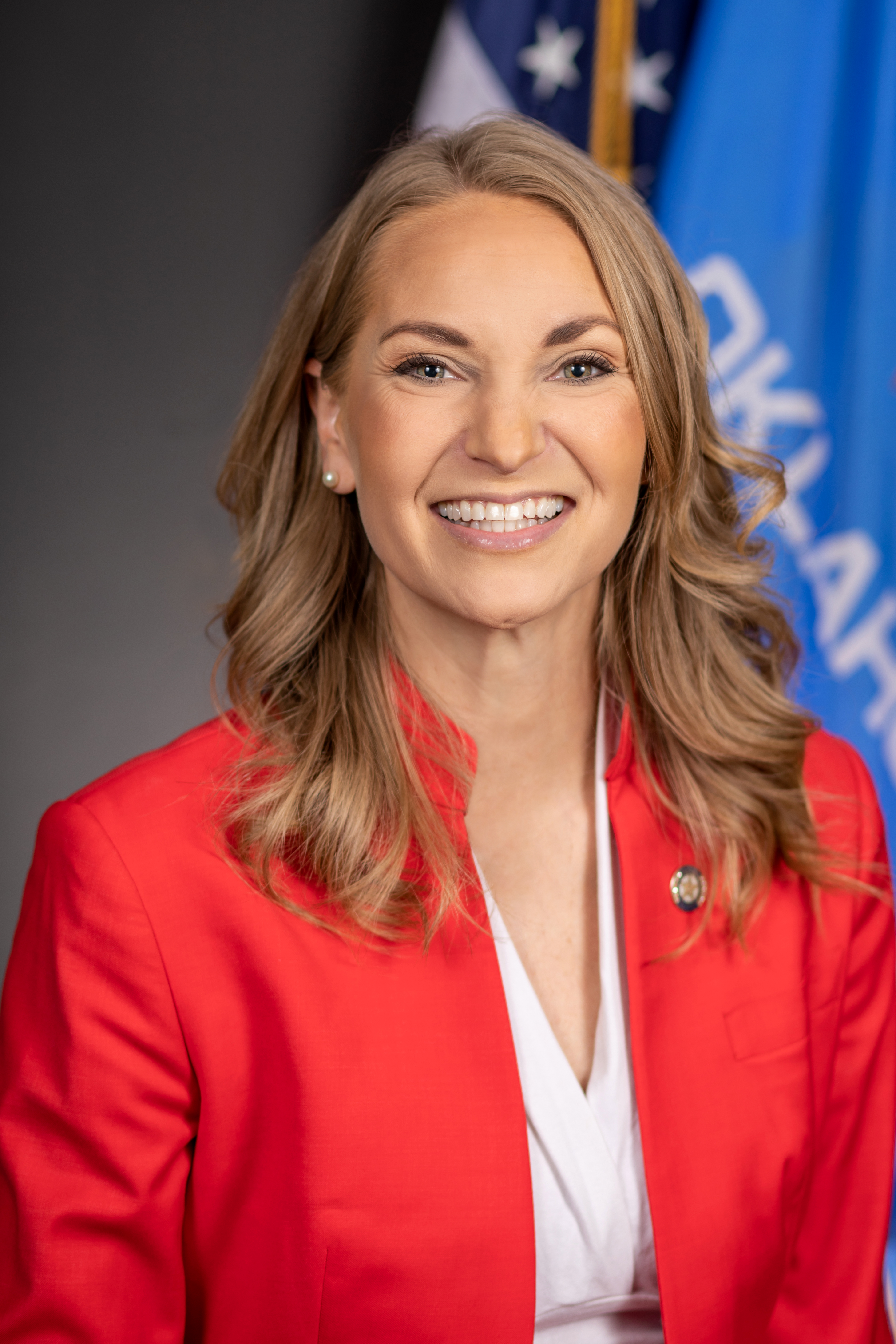
Ally Seifried
Ally Seifried Senate · District 2
R
Strong +
100% 25
Brian Hill
Brian Hill House · District 47
R
Strong +
100% 25
Carl Newton
Carl Newton House · District 58
R
Strong +
100% 25
Dell Kerbs
Dell Kerbs House · District 26
R
Strong +
100% 22
Nikki Nice
Nikki Nice Senate · District 48
D
Strong −
0% 13
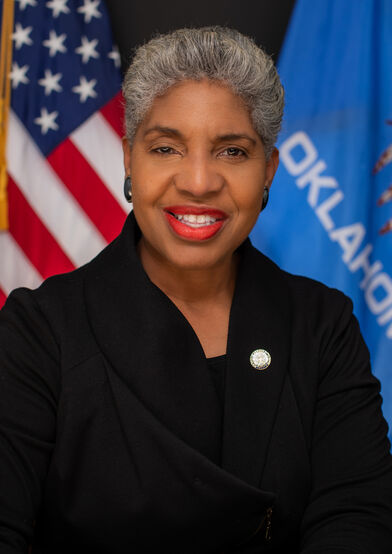
Regina Goodwin
Regina Goodwin Senate · District 11
D
Strong −
0% 13
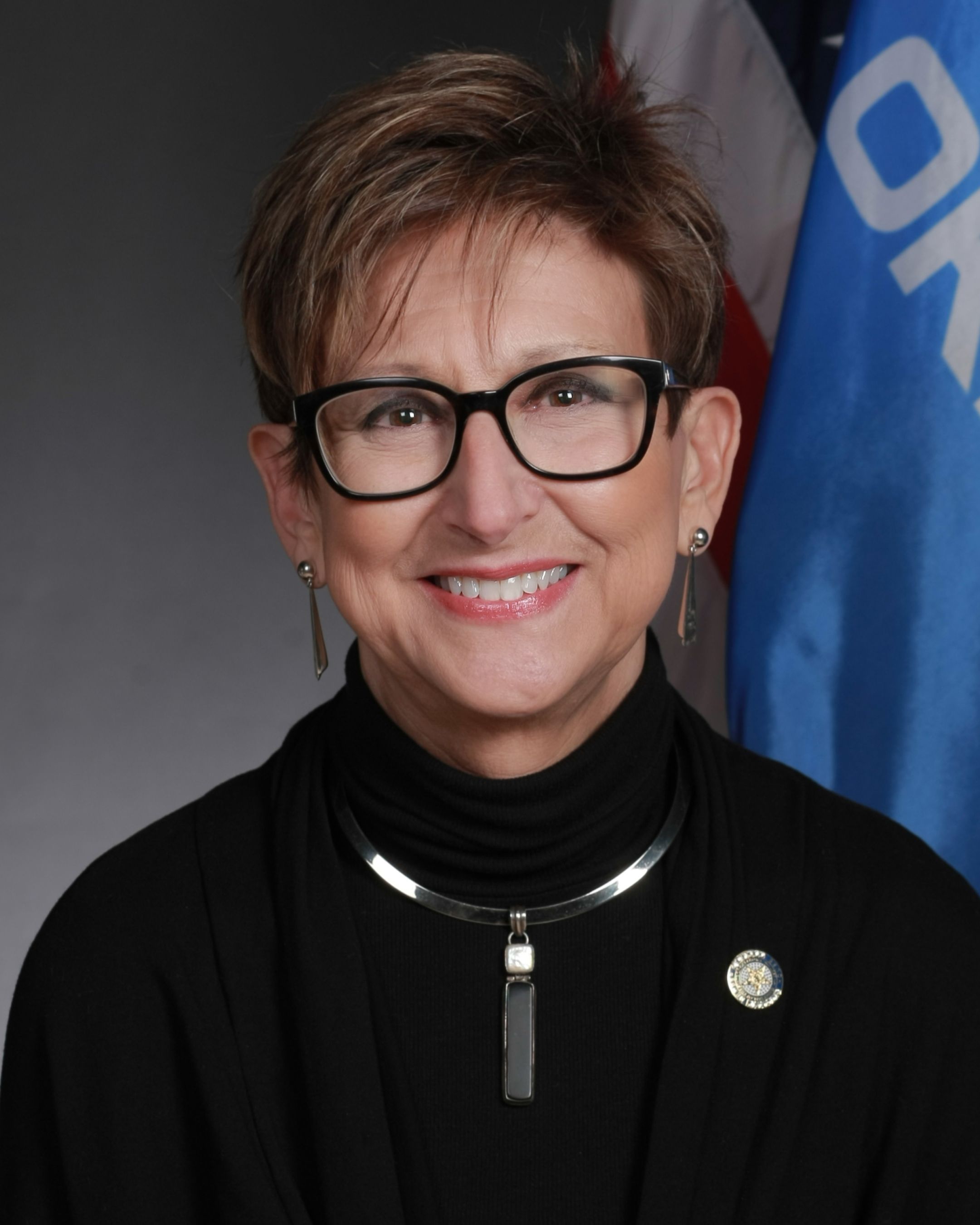
Carri Hicks
Carri Hicks Senate · District 40
D
Strong −
4% 25
Melissa Provenzano
Melissa Provenzano House · District 79
D
Strong −
7% 28
Meloyde Blancett
Meloyde Blancett House · District 78
D
Strong −
7% 27
Showing 1–10 of 57 bills

All education bills

signed · Oklahoma · House May 12, 2026

HB 3718: Special education; Lindsey Nicole Henry Scholarships for Students with Disabilities Program; requiring certain meeting in certain time period; evaluations; exceptions; eligibility; calculation of scholarship; effective date.

This bill establishes and clarifies the Lindsey Nicole Henry Scholarships for Students with Disabilities Program in Oklahoma, allowing parents of students with special needs to use state funds to enroll their children in eligible private schools. The legislation defines specific eligibility criteria, including students with Individualized Education Programs (IEPs), children of military families, and those in foster care or juvenile justice placements, while requiring parents to secure private school admission before receiving funding. It also sets a 45-day deadline for school districts to determine special education eligibility, deeming students eligible for scholarships if the district fails to decide within that timeframe, and outlines financial responsibilities such as transportation costs remaining with the family. The bill ensures continuity of educational choice by allowing scholarships to remain active until a student graduates, turns 22, or re-enrolls in public school, while mandating that private schools meet state accreditation standards to participate.
in committee · Oklahoma · Senate Feb 3, 2026

SB 1971: Charter schools; adding requirements to charter school application; requiring annual oversight and performance review. Effective date. Emergency.

SB 1971 adds detailed requirements for charter school applications in Oklahoma, requiring applicants to complete 10 hours of training and submit 34 specific items - including financial plans, student support strategies, facility details, and governance structures - before approval. It mandates that sponsors (like school districts or organizations overseeing charters) conduct annual performance reviews of charter schools, post these reviews on their websites, and include specific data in reports. The bill directly affects new charter school applicants, their sponsors, and the Statewide Charter School Board by increasing application scrutiny and oversight transparency, effective July 1, 2024.
Sub-Topics School Choice
in committee · Oklahoma · Senate Feb 3, 2026

SB 1411: Charter schools; adding requirements to charter school application; requiring annual oversight and performance review. Effective date. Emergency.

SB 1411 amends Oklahoma's charter school law to add specific requirements for charter school applications and oversight. It mandates 10-hour training for applicants and sponsors, requires detailed applications covering 34 elements (including financial plans, academic programs, and student support plans), and demands annual performance reviews posted on sponsor websites. The bill directly affects charter school applicants, sponsors (like school districts or organizations), and the Statewide Charter School Board. If passed, it would take effect immediately as an emergency measure, updating application standards and requiring sponsors to report deficiencies in school performance.
Sub-Topics School Choice
signed · Oklahoma · House May 4, 2026

HB 3705: Schools; Parental Choice Tax Credit Program; increasing the amount of credits authorized.

HB 3705 increases Oklahoma's Parental Choice Tax Credit Program, allowing taxpayers to claim credits for education expenses of eligible students. The bill raises the maximum annual credit for private school tuition to $7,500 (or actual tuition, whichever is lower) for families earning under $75,000, with tiered reductions up to $5,000 for households earning over $250,000. It also creates special credit tiers for students experiencing homelessness ($7,500) and those at financially disadvantaged private schools (maximum credit based on average school costs). Qualified expenses include tuition, tutoring, textbooks, and standardized test fees, but exclude scholarship-funded amounts. This directly affects Oklahoma families choosing private education or approved alternative learning programs.
signed · Oklahoma · House May 4, 2026

HB 3372: Charter schools; Revolving Loan Fund Program for Charter School Capital Expenditures; Statewide Charter School Board issuing low-interest loans to charter schools through a revolving fund; Charter School Loan Revolving Fund; appropriation; Charter School Bond Credit Enhancement Program; allowing charter schools to issue bonds; Charter School Bond Credit Enhancement Fund; interest allocation; default; special obligations; effective date.

HB 3372 creates a state-backed loan program to help charter schools fund capital expenses like building repairs or equipment. It establishes a revolving fund administered by the Statewide Charter School Board, allowing charter schools to access low-interest loans and issue bonds with state credit enhancement. The bill removes previous prohibitions on charter schools issuing bonds and requires participants to pay a one-time fee. This directly affects Oklahoma charter schools seeking financing for physical infrastructure, while the state manages repayment and fund operations through specific legislative appropriations.
Sub-Topics School Choice
signed · Oklahoma · Senate May 6, 2026

SB 1975: Schools; requiring public school districts to make certain examinations available to students who live in the district. Effective date. Emergency.

SB 1975 requires Oklahoma public school districts to make Advanced Placement (AP) exams available to any student residing in the district and to post exam dates, registration details, and procedures on their websites by August 31 each year. It also mandates the Statewide Charter School Board to maintain an online learning platform offering AP courses, STEM subjects, foreign languages, and other high-quality courses for all Oklahoma students. The State Department of Education must provide information to students and parents about AP courses and their benefits for college readiness, scholarships, and financial aid opportunities. The bill takes effect July 1, 2026.
in committee · Oklahoma · Senate Feb 3, 2026

SB 2103: Charter schools; modifying definition; modifying certain restriction on private schools. Effective date. Emergency.

SB 2103 updates Oklahoma's charter school laws by revising the definition of "charter school" to include new sponsor options (like higher education institutions and the Statewide Charter School Board) starting July 1, 2024. It establishes the Statewide Charter School Board to oversee virtual and traditional charter schools, manage applications, and prioritize schools serving at-risk students. The bill also creates rules for "conversion schools" (traditional public schools turning into charters), requiring written conversion plans and public approval, while ensuring they follow charter school accountability standards. Additionally, it mandates the Board to maintain a list of certified high-quality online courses (especially in STEM and AP subjects) and negotiate state-rate contracts for these courses.
Sub-Topics School Choice
in committee · Oklahoma · House Feb 9, 2026

HB 3069: Schools; option to submit charter school applications to sponsors or to the school district; effective date; emergency.

HB 3069 changes Oklahoma's charter school application process by removing the requirement that applicants must submit applications either to a sponsor or their school district. Instead, applicants for traditional charter schools (not virtual charters, which still submit to the Statewide Charter School Board) can choose where to submit their application. The bill also adds a 10-hour training requirement for applicants and sponsors on charter school processes, to be completed before submission. These changes apply to applications filed after July 1, 2024, and aim to streamline the application pathway for new charter schools.
Sub-Topics School Choice
signed · Oklahoma · Senate Apr 22, 2026

SB 1733: Schools; requiring public and private school employees to report certain disclosure, allegation, or information to law enforcement within certain time period; requiring school employees to annually sign certain attestation. Effective date. Emergency.

SB 1733 requires Oklahoma school employees (including teachers, coaches, and administrators) to report suspected student sexual abuse, assault, or misconduct to law enforcement within 24 hours. It prohibits school investigations or disciplinary actions before reporting and mandates annual attestation forms confirming staff understanding of these duties. The law applies to all public and charter school staff, with confidentiality protections for reporters. It takes effect July 1, 2026, and declares an emergency for immediate implementation.
signed · Oklahoma · House May 6, 2026

HB 3590: Revenue and taxation; Oklahoma Equal Opportunity Education Scholarship Act; eligibility; removing federal law reference; authorizing payment be made via secure electronic funds transfer; effective date.

HB 3590, the Oklahoma Opportunity Scholarship Act of 2026, expands tax credits for Oklahoma taxpayers who contribute to scholarship-granting organizations. It increases the maximum annual tax credit: to $5,000 for single filers (up from $1,000), $10,000 for married couples filing jointly (up from $2,000), and $250,000 for businesses (up from $100,000). Taxpayers who commit to contribute the same amount for two consecutive years qualify for a 100% credit (up from 75%) on those contributions. The bill affects Oklahoma taxpayers making eligible contributions and requires scholarship organizations to submit annual financial reports to the Oklahoma Tax Commission. It takes effect January 1, 2027.
Showing 1 to 10 of 57 bills
1 2 3 6 Next