Issue · Education

Education

Every education bill, vote, and legislator stance in Oklahoma, automatically classified by Maddy, our AI policy reader.

Total bills
522
2026 Regular Session
Top supporter
John Haste
92% support rate
Top opponent
Tom Gann
27% support rate
Ranked legislators
10
5 support · 5 oppose
Key legislators

Who's moving education in Oklahoma

Legislators moving education in Oklahoma
Legislator Party Stance Support rate Votes
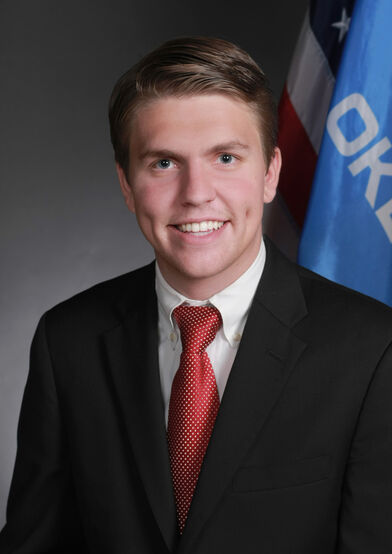
John Haste
John Haste Senate · District 36
R
Strong +
92% 162
Avery Frix
Avery Frix Senate · District 9
R
Strong +
91% 155
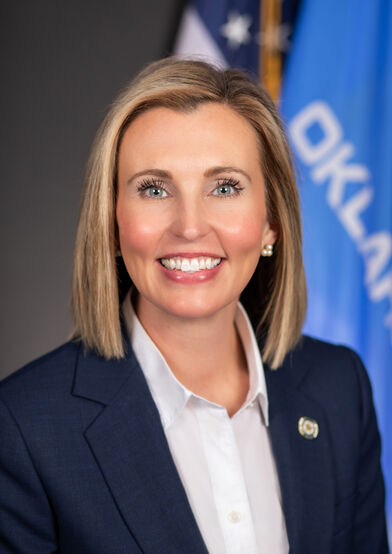
Kristen Thompson
Kristen Thompson Senate · District 22
R
Strong +
90% 177
Lonnie Paxton
Lonnie Paxton Senate · District 23
R
Strong +
90% 154
Bill Coleman
Bill Coleman Senate · District 10
R
Strong +
90% 174
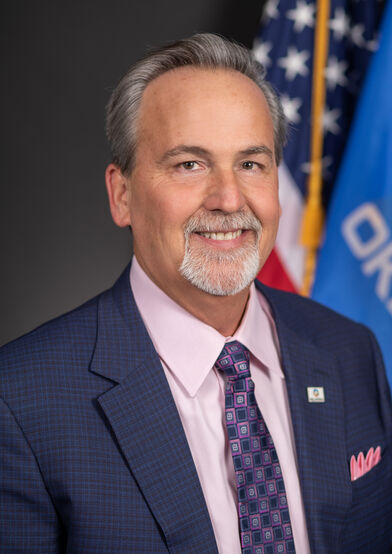
Tom Gann
Tom Gann House · District 8
R
Oppose
27% 215
Molly Jenkins
Molly Jenkins House · District 33
R
Oppose
30% 238
Jim Shaw
Jim Shaw House · District 32
R
Oppose
33% 225
Rick West
Rick West House · District 3
R
Oppose
34% 204
Justin Humphrey
Justin Humphrey House · District 19
R
Oppose
35% 157
Showing 61–70 of 522 bills

All education bills

signed · Oklahoma · Senate Apr 21, 2026

SB 1778: Strong Readers Act; modifying number of screening instruments to be approved by the State Board of Education beginning in certain school year. Emergency.

SB 1778, the Strong Readers Act, requires Oklahoma public schools to screen all kindergarten through third-grade students for reading skills at multiple points during the school year using approved tools. It mandates intensive reading intervention services for students not meeting grade-level targets, including summer academies for first- and third-grade students who remain behind, and requires retention of third graders who do not meet reading proficiency after interventions (with specific exemptions for students with disabilities or English learners). The bill also requires schools to provide written parental notifications about interventions, maintain reading intervention plans within 30 days of identification, and report progress data to the state. These provisions aim to improve early literacy outcomes through structured screening, targeted support, and accountability for student reading proficiency.
Sub-Topics K-12 Education
died · Oklahoma · Senate Feb 12, 2026

SB 1719: Schools; extending prohibition on use of cell phones and personal electronic devices on certain campuses. Effective date. Emergency.

SB 1719 requires Oklahoma public school districts to adopt policies banning student use of cell phones and personal electronic devices (like smartphones, tablets, or smartwatches) campus-wide from "bell to bell" during instructional time for the 2025-2026 school year. Starting in 2026-2027, school boards may choose whether to implement such a ban. The policy must include disciplinary procedures and allow limited exceptions for emergencies or students monitoring health conditions. This directly affects all public school students and school boards across Oklahoma.
Sub-Topics Higher Education
in committee · Oklahoma · Senate Feb 3, 2026

SB 2120: Governmental Tort Claims Act; limiting settlement awards for wrongful termination claims; providing for inclusion of certain damages. Effective date.

SB 2120 limits settlement amounts for wrongful termination claims by employees of Oklahoma's public institutions of higher education. It caps total settlements at two years of the employee's base salary, including back pay and compensatory damages, but excludes accrued unpaid wages and retirement contributions already earned. The bill applies only to claims under Oklahoma state law, not federal claims, and takes effect on November 1, 2026. This change directly affects public university employees who pursue wrongful termination lawsuits in state court.
signed · Oklahoma · Senate May 5, 2026

SB 1477: Students; prohibiting students of certain age or older from participating in concurrent enrollment. Effective date. Emergency.

SB 1477 limits concurrent enrollment in college courses to high school students under 21 years of age, prohibiting those 21 or older from participating. The bill amends Oklahoma Statutes Section 628.13 to establish this age restriction, affecting high school students aged 21 and above who would no longer qualify for college course enrollment through their high school program. This change directly alters eligibility for concurrent enrollment, a program allowing students to earn college credit while still in high school. The law takes effect July 1, 2026.
in committee · Oklahoma · Senate Feb 3, 2026

SB 2177: Local bond elections; modifying date when certain elections may be conducted. Emergency.

This bill amends Oklahoma statutes to allow municipal and school district bond elections to be held on any November state or federal election day, regardless of whether the year is odd or even. It directly affects cities and school districts that need to hold bond elections for infrastructure or capital projects. The key change modifies existing rules (in 11 O.S. §16-112 and 70 O.S. §15-102) to remove previous restrictions on election timing, aligning bond votes with regular election cycles. The bill takes effect July 1, 2026, and was declared an emergency measure.
in committee · Oklahoma · Senate Feb 3, 2026

SB 2050: Higher education; removing language providing resident tuition eligibility for certain students. Effective date. Emergency.

SB 2050 removes exceptions that allowed undocumented students to qualify for in-state tuition and state financial aid at Oklahoma colleges. It deletes provisions permitting students to use affidavits or pending immigration applications to prove eligibility, and eliminates the prior exemption for students who received resident tuition status before the 2006-2007 academic year. The bill directly affects undocumented students seeking to enroll in Oklahoma's public universities or community colleges, barring them from in-state tuition rates and state-funded scholarships or financial aid. This change takes effect July 1, 2026, making undocumented students ineligible for these benefits under Oklahoma law.
signed · Oklahoma · House May 12, 2026

HB 2961: Higher education; TSgt Marshal Dakota Roberts Gold Star Survivor Act; career and technology education; waiver of tuition and fees for the spouse and children of a Gold Star recipient; effective date.

HB 2961 waives tuition and fees for spouses and children of Gold Star veterans (those killed in U.S. military service) at Oklahoma's public higher education institutions and career technology schools. It expands existing tuition waivers - previously limited to children of fallen peace officers, firefighters, and law enforcement retirees - to include Gold Star families who meet residency requirements (Oklahoma resident at death or during enrollment). The waiver covers all tuition and fees for up to five years and applies to both the Oklahoma State System of Higher Education and career technology districts. This bill modifies Sections 3218.7-1, 14-134, and 14-134.1 of Oklahoma Statutes, effective July 1, 2026.
in committee · Oklahoma · Senate Feb 10, 2026

SB 1887: Schools; modifying frequency of training on food allergies, anaphylaxis, epinephrine administration, and concussions. Effective date. Emergency.

SB 1887 modifies Oklahoma school training requirements for staff handling allergies, anaphylaxis, and concussions. It updates the law to require school employees to complete annual training on food allergies, recognizing anaphylaxis, and administering epinephrine **only once every other academic year** (instead of annually), starting before the school year begins or upon hiring. This change applies directly to teachers, school nurses, and other staff responsible for student health emergencies. The bill also updates related policies for concussion management and medication storage but focuses the key change on reducing the training frequency. The training must still be documented in staff files and can be delivered online or in person.
in committee · Oklahoma · House Feb 3, 2026

HB 3139: Schools; Safeguarding Personal Expression At K-12 Schools (SPEAKS) Act; prohibiting certain student religious, political, or ideological discrimination by schools; legal remedies; state waiver of immunity; emergency.

HB 3139, the "Safeguarding Personal Expression At K-12 Schools (SPEAKS) Act," protects K-12 students in Oklahoma public schools from discrimination based on religious, political, or ideological speech. It prohibits schools from penalizing students for expressing these viewpoints in class discussions, assignments, clothing, gatherings, or clubs - on equal terms with other student expression. The bill allows students to sue schools for violations (including seeking damages and attorney fees) within two years, while explicitly permitting schools to restrict only unprotected speech like true threats, harassment, or material disruptions. It also waives state immunity, meaning schools can be held legally accountable for violating these protections.
signed · Oklahoma · House May 4, 2026

HB 3705: Schools; Parental Choice Tax Credit Program; increasing the amount of credits authorized.

HB 3705 increases Oklahoma's Parental Choice Tax Credit Program, allowing taxpayers to claim credits for education expenses of eligible students. The bill raises the maximum annual credit for private school tuition to $7,500 (or actual tuition, whichever is lower) for families earning under $75,000, with tiered reductions up to $5,000 for households earning over $250,000. It also creates special credit tiers for students experiencing homelessness ($7,500) and those at financially disadvantaged private schools (maximum credit based on average school costs). Qualified expenses include tuition, tutoring, textbooks, and standardized test fees, but exclude scholarship-funded amounts. This directly affects Oklahoma families choosing private education or approved alternative learning programs.
Showing 61 to 70 of 522 bills
Previous 1 6 7 8 53 Next